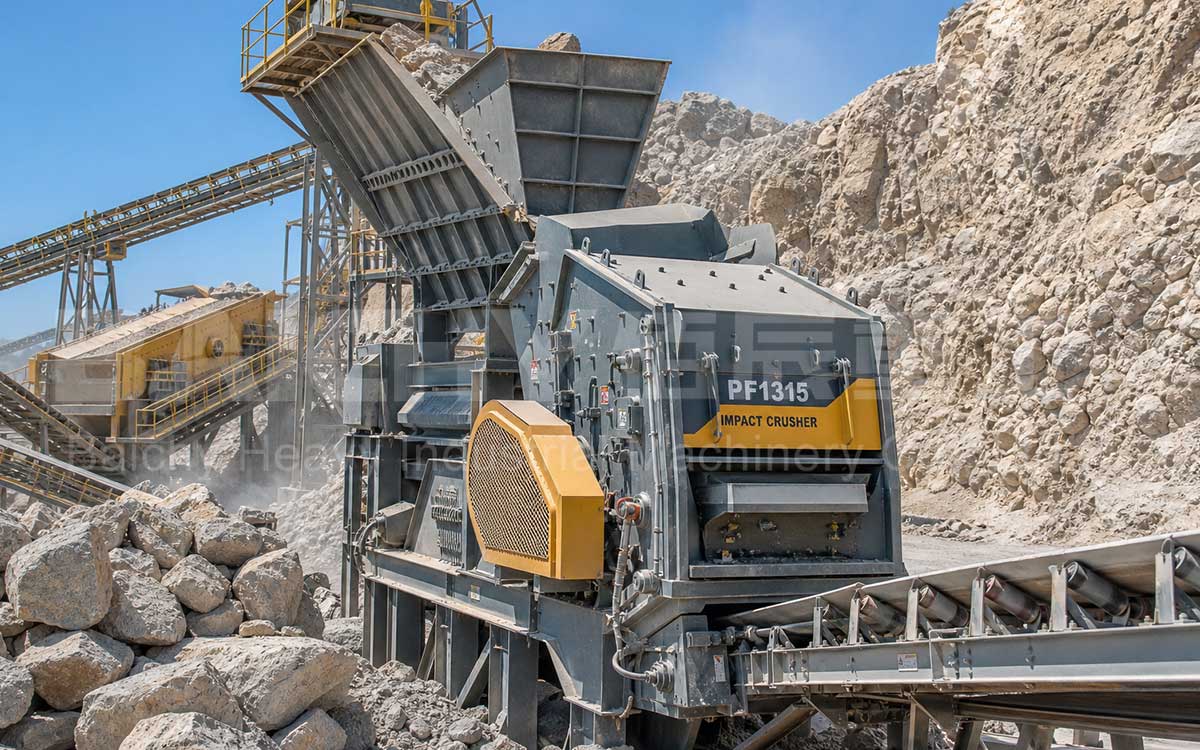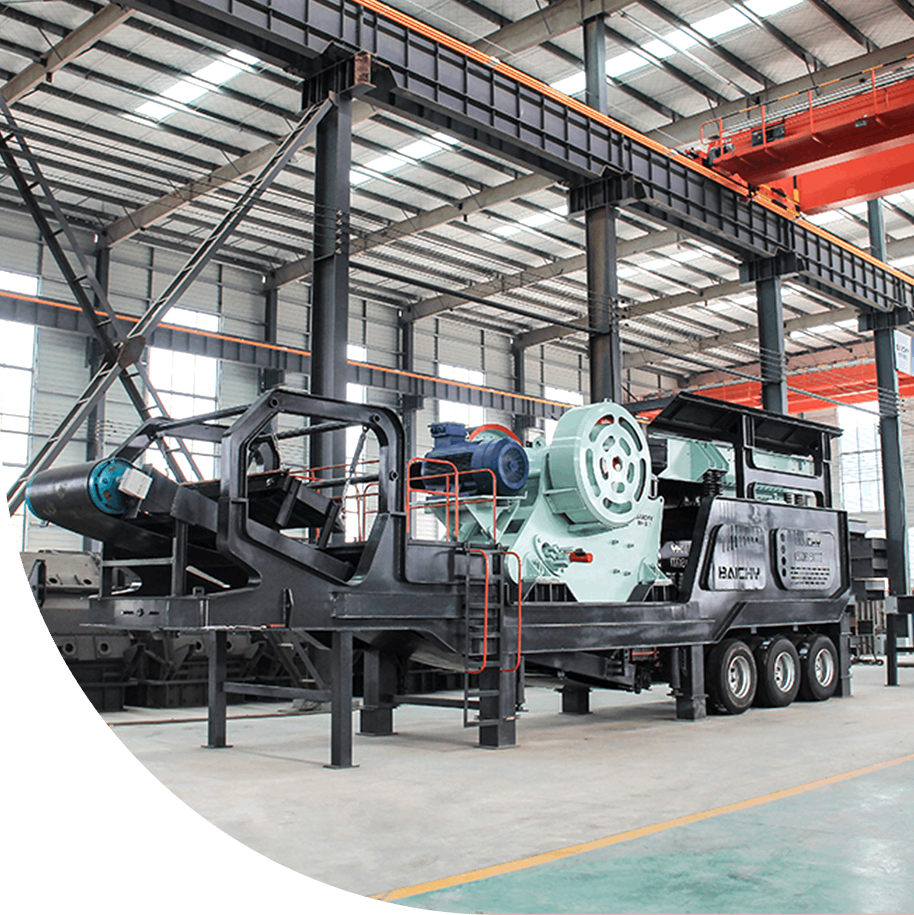

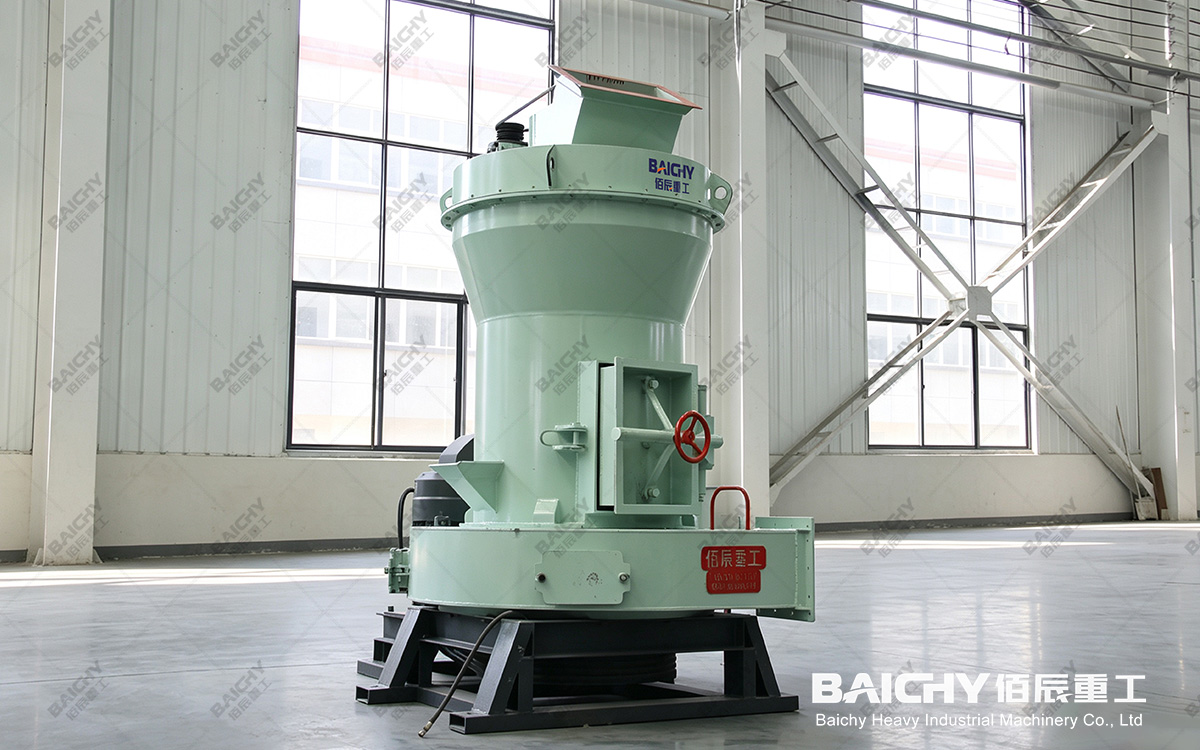
Raymond Mill Separation Equipment
Limestone with a 90% calcium carbonate content is an ideal feedstock for Raymond mills; with a Mohs hardness of only 3 and minimal hard impurities, it ensures a long service life for grinding rollers and rings. The real challenge lies not in the grindability itself, but in the fact that the 9–22 t/h capacity range sits right at the upper limit of standard Raymond mill capabilities: running two smaller units in parallel is cost-inefficient, while a single large unit risks overcapacity.
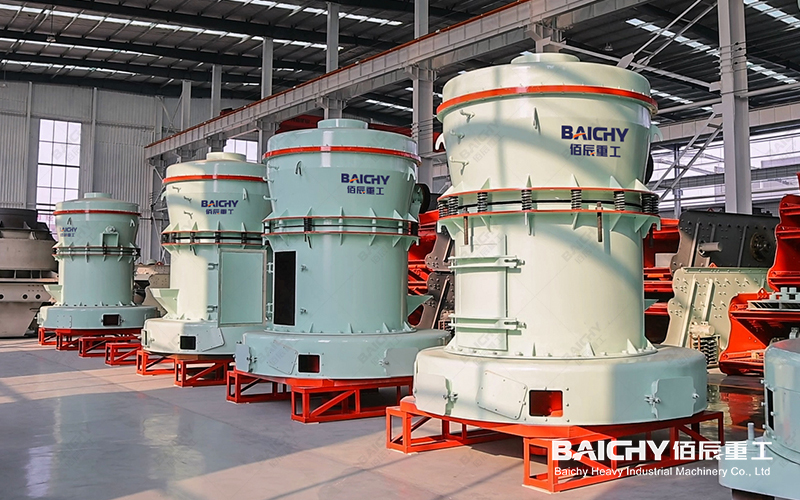
YGM High Pressure Grinding Mill
The entire 9–22 t/h range can be covered by a single YGMX190 unit (officially rated at 5–23 t/h with steplessly adjustable fineness from 80 to 600 mesh). If the required capacity is fixed at 9–16 t/h with a fineness of up to 200 mesh, the YGM160 (8–16 t/h, 132 kW) offers the lowest CAPEX. If the goal is high-volume production of coarse powder (18–22 t/h), the YGM190 (18–36 t/h, 250 kW) provides ample operational headroom.
I. Material Analysis: What 90% Calcium Carbonate Means for Raymond Mills
Limestone is not a single material but a category defined by a range of compositions. The CaCO₃ content determines three key factors: maximum production capacity, consumable costs, and product grade.
1.1 Good Grindability: Capacity Can Reach the Upper-Middle Range of Nominal Ratings
The primary grindable component of limestone is calcite (CaCO₃, Mohs hardness 3). A 90% CaCO₃ content indicates that carbonate minerals dominate the composition, while hard, abrasive components like quartz and chert are present in low proportions. Given the same installed power, this type of material offers low grinding resistance and imposes a light circulating load on the system; consequently, actual production capacity typically falls in the upper-middle section of the nominal range, rather than the conservative lower-middle estimates often used in calculations. This is a distinct advantage for meeting the 9–22 t/h target.
1.2 Low abrasiveness: A game-changer for per-ton consumable costs
Abrasiveness stems primarily from free quartz (Mohs hardness of 7). For limestone with 90% CaCO₃ content, SiO₂ levels are typically low, resulting in reduced wear rates for grinding rollers and rings. This directly alters the per-ton cost structure: using the same set of high-manganese steel or wear-resistant alloy rollers and rings, processing low-abrasiveness material can extend the replacement cycle by 30% to 50%. Consumable amortization is usually the second-largest cost component—ranking alongside electricity consumption—in the per-ton operating cost of a Raymond mill. It is advisable to include a clause in your contract requiring a commitment regarding the replacement cycle of wear parts based on a full analysis of your specific material.
1.3 The remaining 10% of impurities determine the product grade
While a 90% CaCO₃ content answers the question of "feasibility" (can it be used?), the remaining 10% determines "marketability" (who buys it):
• Fe₂O₃ content determines whiteness: Whiteness is a key pricing variable when heavy calcium carbonate powder is used in plastic masterbatches, coatings, or papermaking fillers; if iron content is high, the product must be perted to applications like desulfurization agents or construction material powders.
• Acid-insoluble matter (e.g., SiO₂) determines acceptance for desulfurization use: Power plant standards for wet desulfurization absorbents typically require CaCO₃ ≥ 90% while setting an upper limit on acid-insoluble matter; high silica content reduces desulfurization activity and compromises gypsum quality.
• MgCO₃ content reflects the degree of dolomitization: This affects suitability for applications such as calcination feedstock or metallurgical flux.
Insight: A comprehensive limestone analysis report is more valuable than ten price quotes for grinding mills. Chemical composition determines the potential selling price, and fineness determines the actual value; the grinding mill is merely the tool that realizes these two factors.
II. Capacity Analysis: Which Model to Choose for 9–22 t/h?
2.1 YGMX190: The Only Single Unit Covering the Full 9–22 t/h Range
Official specifications cite a range of 5–23 t/h, featuring six grinding rollers (500×330 mm) and a continuously adjustable finished product fineness of 80–600 mesh, equipped with a cage-type classifier and VFD (Variable Frequency Drive) speed control. Its value lies in three aspects: first, it handles the entire capacity range with a single unit, eliminating the need to purchase a second machine if production scales up to 22 t/h later; second, the 600-mesh fineness ceiling allows for a seamless shift from construction-grade powder to high-value fillers; third, variable-frequency classification enables grade switching within minutes. For processing plants facing fluctuating order structures, this flexibility translates directly into profit.
2.2 YGM160: The Economical Solution for 9–16 t/h
Official specifications list 8–16 t/h, six rollers (450×300 mm), 80–425 mesh, and a 132 kW main motor. When processing calcium carbonate or limestone into 80–200 mesh coarse powder, achieving the upper end of the capacity range is a realistic expectation. The key advantage of this machine is its ability to handle 15 t/h with minimal installed power; if orders are consistently for coarse powder and do not require fineness exceeding 325 mesh, it offers the lowest CAPEX for a single unit. The trade-off is that there is no headroom for finer output.
2.3 YGM190: High-Volume 18–22 t/h Production with 40% Capacity Reserve
Official specifications list 18–36 t/h, six rollers (500×330 mm), and 250 kW power. Running it at 22 t/h utilizes only 60% of its rated capacity; for continuous production, this means lower failure rates, extended consumable lifespan, and greater tolerance for feed variations. This "large machine, moderate load" strategy is ideal for high-volume applications such as construction-grade powder and flux powder for steel mills. Not recommended: Using two YGM95 or two YGM130 units in parallel to achieve a 20 t/h output. This approach doubles the requirements for auxiliary equipment, electrical controls, dust collection systems, civil works, and operating personnel; furthermore, maintaining consistent product fineness becomes more difficult, and the cost per ton is actually higher.
III. Core Specifications: Model Sizes for Limestone Processing
The table below lists the official specifications for Baichy’s limestone grinding mill product lines (Raymond R-series, YGM High-Pressure series, and YGMX Enhanced series). Rows in bold indicate the preferred models for the 9–22 t/h capacity range.
| Model | No. of Grinding Rollers | Roller Dimensions (mm) | Max. Feed Size (mm) | Finished Product Fineness | Nominal Capacity (t/h) | Main Motor (kW) |
|---|---|---|---|---|---|---|
| 4R3216 | 4 | 320×160 | ≤25 | 0.125-0.044 mm / 30-325 mesh | 1.8-4.5 | 37 |
| 5R4119 | 5 | 410×190 | ≤30 | 0.613-0.044 mm / 30-325 mesh | 2.5-9.5 | 75 |
| YGM130 | 5 | 410×230 | ≤30 | 0.613-0.033 mm / 80-425 mesh | 2.5-9.5 | 90 |
| YGM160 | 6 | 450×300 | ≤35 | 0.613-0.033 mm / 80-425 mesh | 8-16 | 132 |
| YGM190 | 6 | 500×330 | ≤40 | 0.613-0.033 mm / 80-425 mesh | 18-36 | 250 |
| YGMX160 | 6 | 450×300 | ≤35 | 80-600 mesh (Cage classifier + VFD stepless adjustment) | 4-15 | Customized |
| YGMX190 | 6 | 500×330 | ≤40 | 80-600 mesh (Cage classifier + VFD stepless adjustment) | 5-23 | Customized |
* The output will vary according to different materials, feed particle size, finished fineness and moisture content. Highlighted models cover the 9-22 t/h capacity range.
IV. Fineness Determines Production Capacity: The Most Critical Line in a Price Quote
For the same Raymond mill, production capacity drops significantly as the fineness level increases. The table below provides estimated capacity adjustments based on a 200-mesh baseline, allowing for the conversion of "hourly output" figures into comparable metrics.
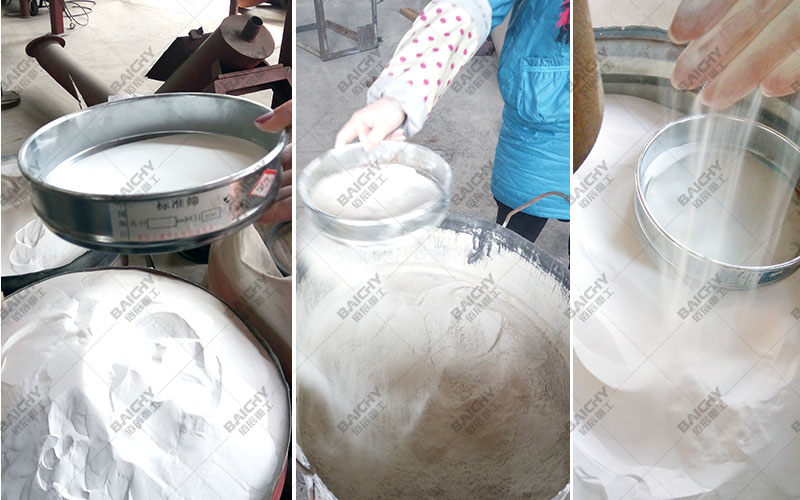
Display of Finished Gypsum Products
| Target Fineness | Common Downstream Applications | Capacity Relative to 200 Mesh | Notes |
|---|---|---|---|
| 80–100 Mesh | Construction aggregate powder, soil amendment, metallurgical flux | 130%–160% | High-volume coarse powder; highest capacity |
| 200 Mesh | Construction powder, desulfurization powder (alternative) | 100% (Baseline) | Standard "hourly output" metric used by manufacturers |
| 325 Mesh | Wet desulfurization absorbent (power plants), plastic filler | 65%–75% | Capacity reduced by ~25%–35% compared to 200 mesh |
| 400–425 Mesh | Coatings, rubber, high-whiteness fillers | 50%–60% | Upper fineness limit for traditional Raymond mills |
| 600 Mesh | High-value-added fillers | — | Achievable only with YGMX cage-type classifiers |
* Capacity figures are engineering estimates relative to the 200-mesh baseline; actual output varies with material hardness, feed particle size, moisture content and acceptance fineness (D97 or screen residue). Confirm by material grinding test before signing.
V. Electricity Consumption per Ton and Investment Parameters: Three Key Metrics
| Model | Main Motor (kW) | Official Rated Capacity (t/h) | Estimated Actual Capacity (200 mesh) (t/h) | Estimated Electricity Consumption (kWh/t) |
|---|---|---|---|---|
| 5R4119 | 75 | 2.5–9.5 | 5–7 | ~9.1 |
| YGM130 | 90 | 2.5–9.5 | 6–8 | ~9.6 |
| YGM160 | 132 | 8–16 | 11–14 | ~8.0 |
| YGM190 | 250 | 18–36 | 20–26 | ~8.2 |
* Estimated electricity consumption = main motor power × 0.85 load factor ÷ upper end of the estimated actual capacity range (200 mesh, limestone). Using the lower end of the range instead yields approximately 10.2–12.8 kWh/t. At an industrial power rate of USD 0.08/kWh, the corresponding energy cost is approximately USD 0.64–0.77 per ton. Highlighted models cover the 9–22 t/h capacity range. Figures are engineering estimates only — confirm by material grinding test before signing.
Estimation formula: Main motor power × 0.85 (load factor) &pide; Actual capacity. Based on an industrial electricity rate of $0.08/kWh, the electricity cost per ton for these models is approximately $0.64–$0.77/ton.
To interpret this table correctly, one must understand three key distinctions:
1. Official ratings represent the full-load range, whereas actual capacity is influenced by material fineness, moisture content, impurities, and operational proficiency;
2. Lower electricity consumption per ton is not always better—smaller models must operate near full capacity to achieve rated output; if the load factor remains low, they actually consume more power;
3. Conversely, if a large model runs at low capacity for extended periods, electricity consumption per ton will also deteriorate. Therefore, simply buying a machine rated for exactly the required tonnage (e.g., 20 tons) is often not the optimal solution; selecting a model with 20%–40% excess capacity is usually more cost-effective over the machine's entire lifecycle.
VI. Three Critical Pre-Grinding Requirements
The production capacity listed in the specifications is merely a theoretical figure; unless these three requirements are met, the production line cannot be successfully implemented:
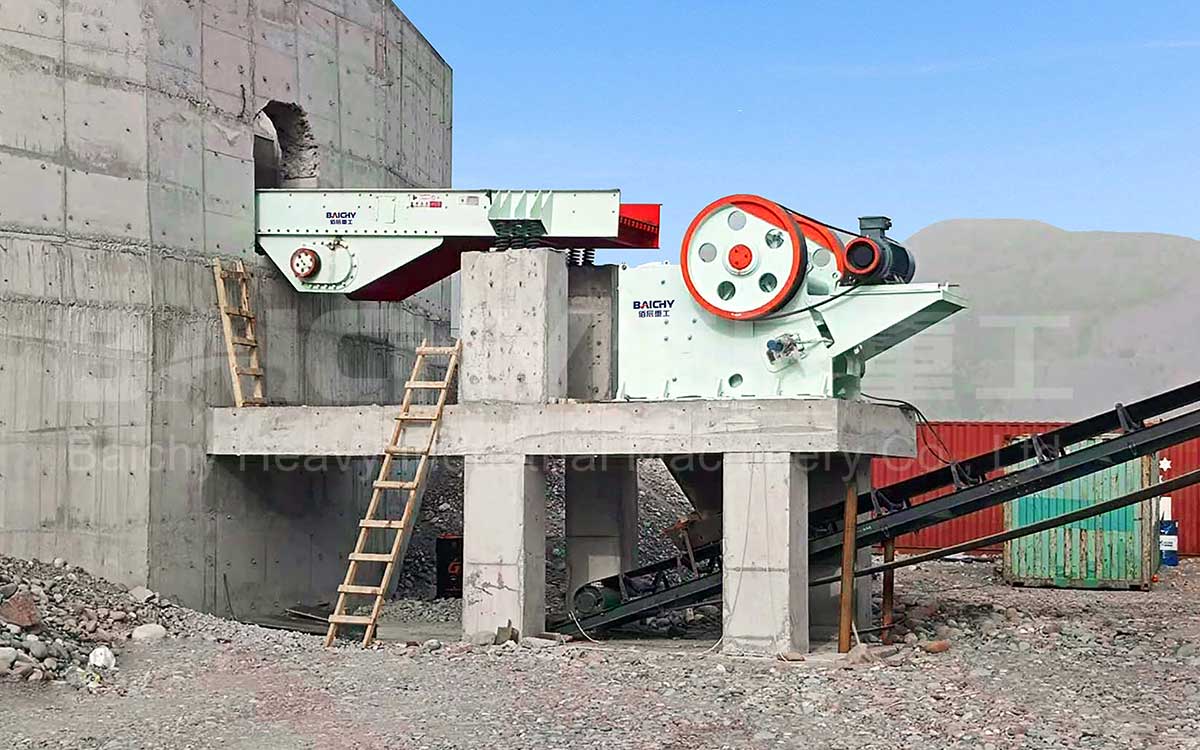
• Feed particle size: YGM160 ≤35 mm, YGM190 ≤40 mm. Pre-crushing using a PE jaw crusher or double-roll crusher is required upstream, as oversized particles can impact the grinding rollers and reduce grinding efficiency;
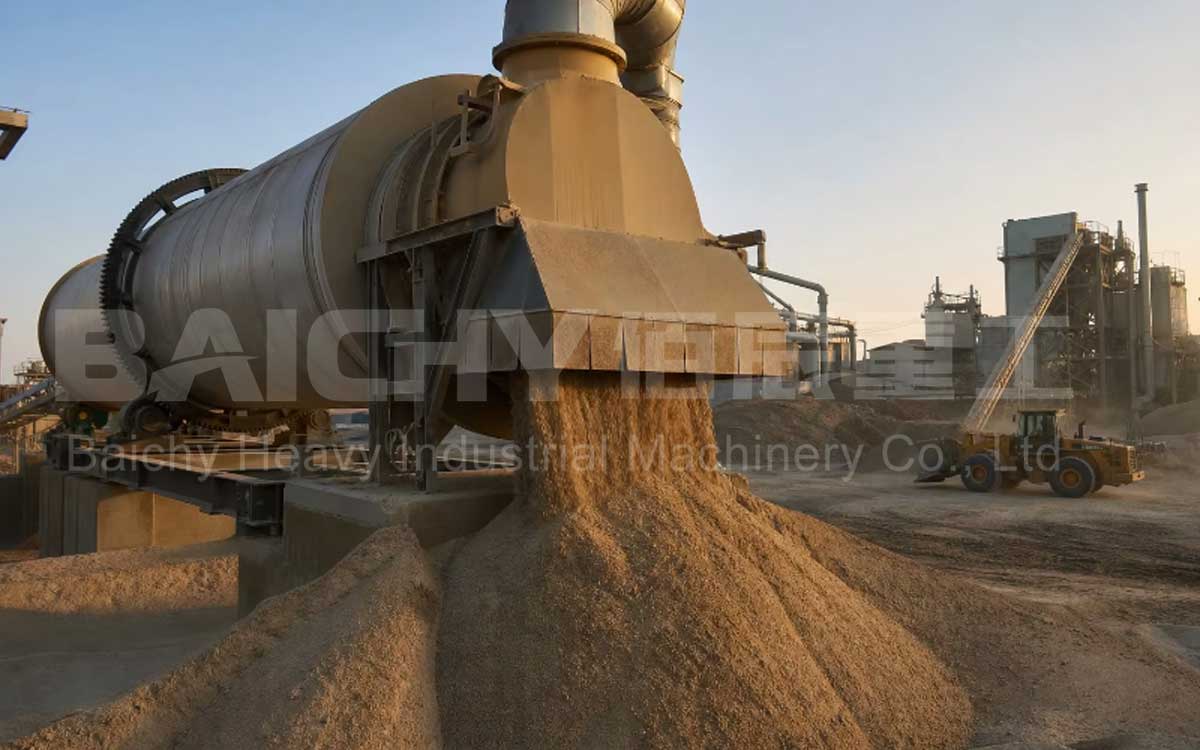
• Feed moisture content ≤6%: Moisture levels in outdoor stockpiles often exceed this limit during the rainy season. Excess moisture causes material to cake onto the grinding rollers and clog the classifier and air ducts; solutions include installing an upstream rotary dryer or blending in dry material;
• Hard impurities: A 90% calcium carbonate content does not guarantee the absence of flint nodules. Installing an iron remover and screening equipment upstream is the most cost-effective investment for protecting the grinding rollers and rings.
VII. Line Configuration: Converting Single-Unit Capacity to Daily Output
| Process Stage | Configuration Recommendation | Key Function |
|---|---|---|
| Crushing Stage | PE Jaw Crusher + Vibrating Screen | Crush raw ore to ≤35/40 mm; fix feed size for the mill |
| Feeding Stage | Hopper + Electromagnetic Vibrating Feeder + Bucket Elevator | Uniform, metered feeding; stabilize mill load |
| Main Grinding Stage | Raymond Mill Main Unit + VFD Classifier | Powder production at 80–425 mesh (YGMX model reaches 600 mesh) |
| Collection & Dust Removal Stage | Cyclone Collector + Pulse Bag Dust Collector | Negative-pressure closed-loop operation; 99% classification efficiency; compliant emissions |
| Conveying & Packaging Stage | Screw Conveyor + Finished Product Silo + Packaging Machine | Segregated storage and dispatch based on product grade |
* The Main Grinding Stage is the focal stage of the line; the remaining stages are sized to match its rated throughput. Auxiliary equipment must be quoted as an itemized list — a missing dust collector or feeder is the most common cause of commissioning-day downtime.
VIII. Selection Boundaries: When Not to Choose a Raymond Mill
There is no single "best" mill—only the one best suited to the specific operating conditions:
• Single-line capacity exceeds 22–25 t/h: Vertical Roller Mills (VRM) are more economical and offer integrated in-mill drying;
• Target fineness >600 mesh or high-value-added requirements: Switch to HGM Three-Ring Medium-Speed Ultrafine Mill;
• Wet grinding or ultra-hard materials (quartz, corundum): Ball mills are a safer, more reliable choice.
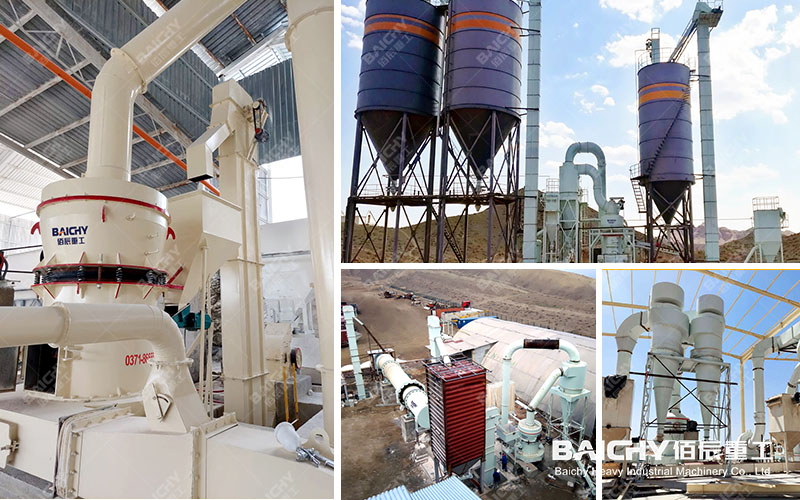
Limestone Raymond Mill
IX. FAQ
Q1: For 90% calcium carbonate limestone with a required hourly output of 20 tons, which Raymond mill should be selected, and what fineness can be achieved?
A1: Based on a 200-mesh benchmark, the YGM190 (official rating: 18–36 t/h, 250 kW) is sufficient as a single unit, with spare capacity to spare; if you require stepless grade switching between 80 and 600 mesh, choose the YGMX190 (5–23 t/h, featuring cage classification + VFD). If the target fineness is 325 mesh, production capacity decreases by approximately 25%–35% compared to 200 mesh; for a 20-ton target, calculations should be based directly on the 325-mesh specification. Before signing a contract, please provide a full material analysis (CaCO₃, SiO₂, Fe₂O₃, moisture content, and feed particle size) so the manufacturer can conduct grinding tests and issue a production capacity guarantee.
Q2: For a capacity of 9–22 t/h, is it better to use one large machine or two smaller machines in parallel?
A2: One machine. Using two machines in parallel doubles the costs for auxiliary equipment, electrical controls, dust collection systems, civil engineering, and staffing. It also makes balancing loads and ensuring consistent fineness more difficult, while doubling the daily maintenance workload. A single YGMX190 unit is the most hassle-free choice for the 9–22 t/h range; however, if production is consistently in the 9–16 t/h range and limited to coarse powder (200 mesh or coarser), the YGM160 offers a single-machine solution with lower CAPEX.
Q3: How exactly does a 90% calcium carbonate content influence the selection of a Raymond mill?
A3: It matters on three levels. Regarding capacity: good grindability allows actual output to reach the upper end of the nominal range. Regarding consumables: low free-quartz content extends the lifespan of grinding rollers and rings, reducing consumable costs per ton. Regarding product grade: CaCO₃ content determines suitability for use; Fe₂O₃ content determines whiteness and marketability as a filler; and acid-insoluble content determines whether the product passes desulfurization acceptance standards. Therefore, when selecting equipment, you should provide the full material analysis report to the manufacturer alongside capacity and fineness requirements, ensuring the selection is based on compositional data rather than empirical judgment.
Baichy Heavy Industry
Baichy Heavy Industry is a high-tech mining equipment company integrating R&D, manufacturing, sales, and after-sales service. Focusing on crushing, grinding, and mineral processing equipment, we provide professional solutions to our customers. We are ISO9001:2015 、certified, and our products include mobile crushing palnts, crawler crushing plant, construction waste crushing plants, jaw crushers, sand making machines, cone crushers, fine crushers, grinding mills, ball mills, etc., all with reliable performance to meet diverse project needs.
Baichy Heavy Industry – Your Trusted Partner
To ensure optimal performance of your equipment, Baichy Heavy Industry offers:
- Professional on-site installation guidance
- Comprehensive operator training
- 24/7 technical support & maintenance services
Our complete after-sales service system guarantees long-term, stable operation of your machinery with minimal downtime.
Protect Your Rights – Only Use Official Channels
To avoid scams and ensure authentic support, contact us exclusively through:
• Official Website: www.baichychina.com
• WhatsApp: +8615093222637
• Email: [email protected]
Your satisfaction is our priority – expect prompt, professional service every time.
(Note: Beware of unauthorized third parties claiming to represent Baichy. Always verify through official contacts.)