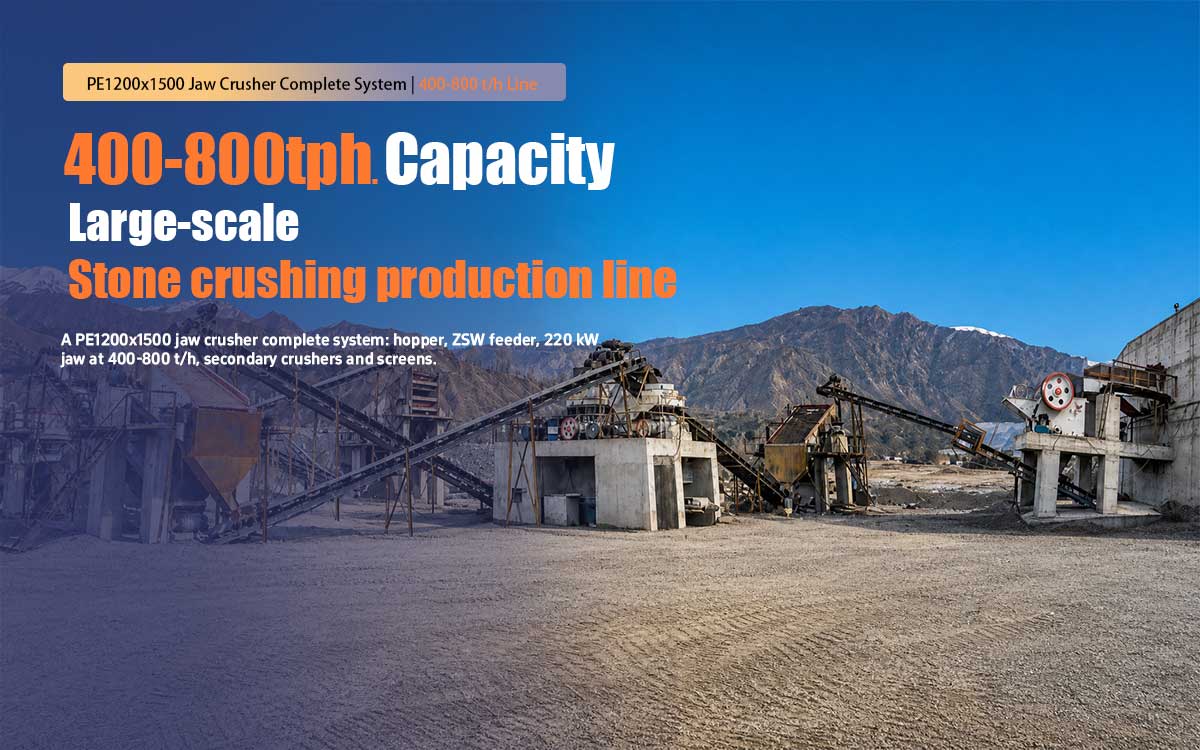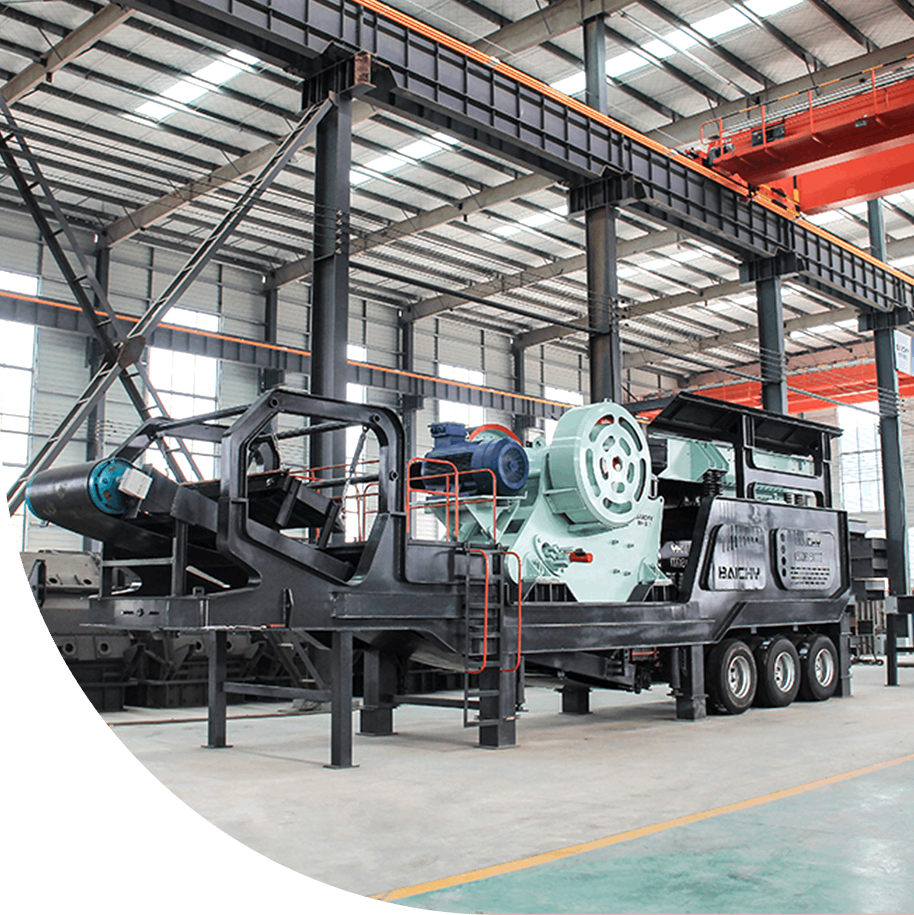

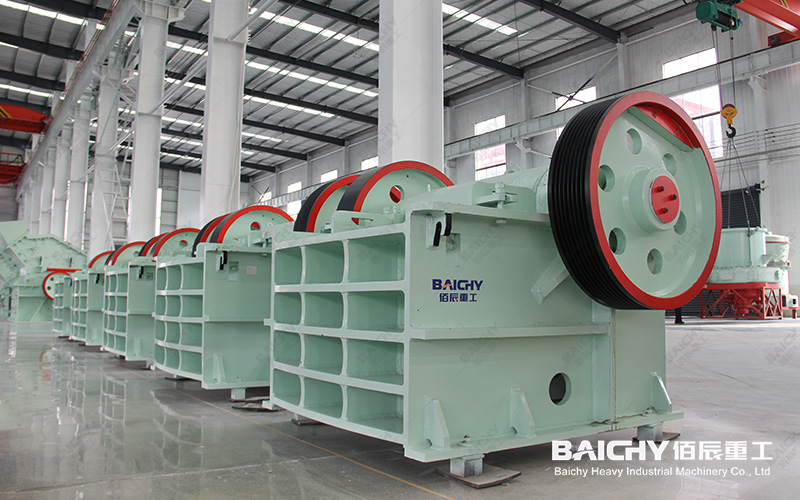
250x1200 fine-crushing jaw crusher
When selecting equipment for the secondary crushing stage, the rule of thumb is simple: for operations with low throughput, medium-hard material, and limited budgets, the 250x1200 fine-crushing jaw crusher is a more rational choice than a cone crusher. For a processing line with a capacity of 20–50 t/h, the initial investment for a fine-crushing jaw crusher is roughly 40–55% of that for a cone crusher setup. Maintenance involves simply replacing jaw plates, whereas cone crushers require assembly replacements and lubrication station servicing; furthermore, jaw crushers do not rely on complex hydraulic lubrication systems, allowing for independent operation and maintenance even in remote mining areas. This article presents a comprehensive decision-making framework—using parameter comparisons, four decision rules, and real-world case studies—to determine exactly when a cone crusher is essential and when a fine-crushing jaw crusher offers better value.
I. Overview: Three approaches to secondary crushing—determine the strategy before selecting the machine
In a crushing production line, the secondary fine-crushing stage is the "cost-per-ton pivot point": it is where wear-part consumption is most concentrated and the final product gradation is determined. Currently, there are three mainstream approaches for this stage: cone crushers (inter-particle crushing, high capacity, high investment), impact crushers (impact-based, excellent particle shape, unsuitable for hard materials), and fine-crushing jaw crushers (inter-particle crushing, simple and reliable, low barrier to entry). A common misconception among industry practitioners is that "secondary crushing requires a cone crusher," overlooking the fact that throughput volume and material characteristics are the primary variables in the decision-making process.
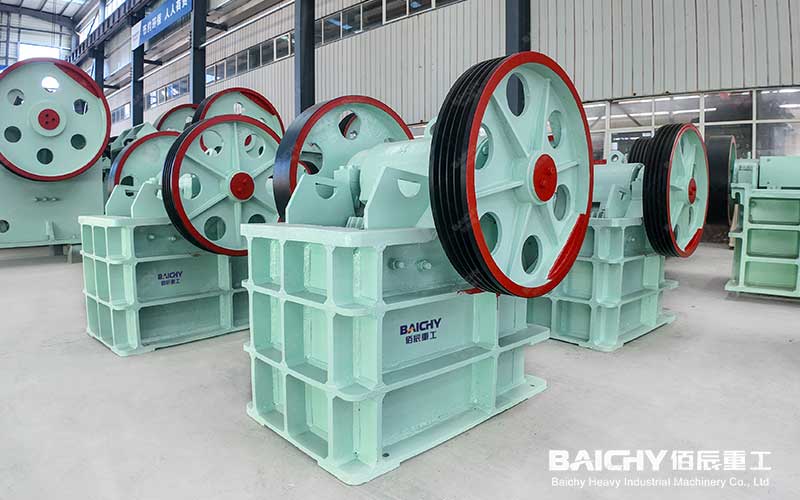
The specifications for the 250x1200 fine-crushing jaw crusher (PEX-250×1200)—featuring a capacity of 20–61 t/h, a maximum feed size of 210 mm, and a discharge size of 25–60 mm—perfectly suit three common application scenarios: small-scale aggregate plants, pre-crushing for mineral processing plants, and aggregate lines supporting concrete mixing stations. The primary principle of equipment selection is to calculate the cost per ton before considering the equipment tier; the option that yields the lowest combined investment and operating/maintenance cost per ton of finished product is the correct choice.
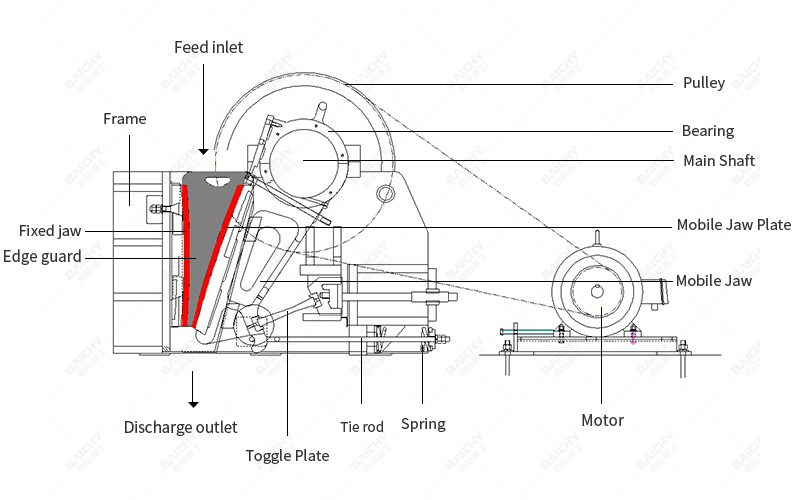
PEX-jaw-crusher-structure-diagram
II. Key Selection Parameters
| Parameter Item | PEX-250×1200 Fine Jaw Crusher |
| Feed Opening Size | 250×1200 mm |
| Max. Feed Size | ≤210 mm |
| Discharge Opening Adjustment Range | 25–60 mm |
| Processing Capacity | 20–61 t/h |
| Motor Power | 37 kW (6P) |
| Applicable Material Compressive Strength | ≤320 MPa |
| Machine Structure | No hydraulics, no oil station; purely mechanical drive |
| Positioning | Secondary fine crushing / Pre-crushing stage before cone crusher |
Note: Capacity rated based on limestone (1.6 t/m³); adjust by factor of 0.8–0.9 for granite and 0.7–0.8 for iron ore.
III. Comparative Analysis: Fine Jaw Crusher vs. Cone Crusher vs. Impact Crusher
| Comparison Dimension | 250x1200 Fine Jaw Crusher | Cone Crusher (CS/PYB) | Impact Crusher (PF) |
| Crushing Principle | Inter-particle compression (lamination) | Inter-particle compression (lamination) | Impact crushing |
| Product Shape | Average (tends to be flaky) | Excellent (cubical) | Excellent (cubical) |
| Hard Rock | Suitability (>250 MPa) | Average (≤320 MPa) | Excellent Poor |
| Wet/Sticky/Impure/Iron-bearing | Materials Good | Poor (prone to chamber clogging) | Poor (prone to material jamming) |
| Investment Cost (Same Capacity) | Baseline 1.0 | Approx. 1.8–2.5x | Approx. 1.2–1.5x |
| Maintenance Complexity | Low | High (oil station + assemblies) | Medium (blow bar replacement) |
| Wear Cost per Ton (Medium-hard Material) | Low | Low | High (short blow bar lifespan) |
| Suitable Capacity | Range 20–60 t/h | Above 50 t/h | Above 30 t/h |
Comparative Conclusion: None of the three equipment types is absolutely superior or inferior; there is only the "cost of mismatch." Impact crushers yield the best particle shape for medium-hard materials, but the cost per ton associated with blow bar wear rises sharply with material hardness; cone crushers are the standard choice for high-volume hard rock processing, yet high investment and maintenance requirements often make them unsuitable for small-scale production lines. Fine-crushing jaw crushers sacrifice some particle shape quality in exchange for superior performance across three key areas—investment cost, maintenance, and tolerance for impurities—making them the ideal choice for small-scale operations.
IV. Decision Criteria: When to Choose the 250x1200 Fine-Crushing Jaw Crusher
Rule 1: Throughput ≤ 60 t/h. A single fine-crushing jaw crusher can handle hourly requirements of 20–60 tons; consider a cone crusher only if capacity exceeds this range to avoid mismatched equipment sizing (i.e., underpowered or overpowered setups).
Rule 2: Material Compressive Strength ≤ 320 MPa. Moderately weathered granite, limestone, dolomite, river pebbles (medium-to-fine grain), and shale fall within its optimal operating range; for high-volume crushing of fresh granite or basalt, opt directly for a cone crusher.
Rule 3: Budget and Site Constraints. The investment cost for a fine-crushing jaw crusher is roughly half that of a cone crusher setup with equivalent capacity. Furthermore, it eliminates the need for heavy-duty foundations and hydraulic power stations, thereby reducing civil engineering costs—a decisive advantage for startup quarries and concrete batching plants producing their own aggregates.
Rule 4: "Impure" Materials. For construction waste containing rebar, gravel with high moisture or clay content, or waste materials with debris, the jaw crusher's structural design offers far greater tolerance than cone or impact crushers, minimizing the risk of downtime.
Conversely, a cone crusher becomes the mandatory choice if—and only if—three conditions are met simultaneously: high-volume production, hard rock material, and a strict requirement for particle shape.
V. Advantage Breakdown: Evaluating the Fine-Crushing Jaw Crusher via ROI
CAPEX Advantage: Total investment for a line of equivalent capacity is 40–55% lower; combined with simplified civil works and auxiliary systems, this leads to a faster return on investment.
OPEX Advantage: Uses a 37 kW motor compared to the 55–75 kW motors required for cone crushers of similar capacity, resulting in significant annual electricity savings; jaw plates are made of high-manganese steel and can be replaced in pairs, making annual wear-part costs transparent and controllable. Advantages regarding downtime: Simple structure and standardized spare parts mean inpidual maintenance tasks take only hours; the absence of an oil lubrication station eliminates a potential failure point, making independent operation and maintenance feasible in remote mining areas.
Return on Investment (ROI) analysis: Taking a limestone processing line with an hourly output of 40 tons as an example—and valuing the finished aggregate at local market rates—the equipment investment is typically recouped within 6 to 10 months; this is a payback speed difficult for cone crusher-based solutions to match.
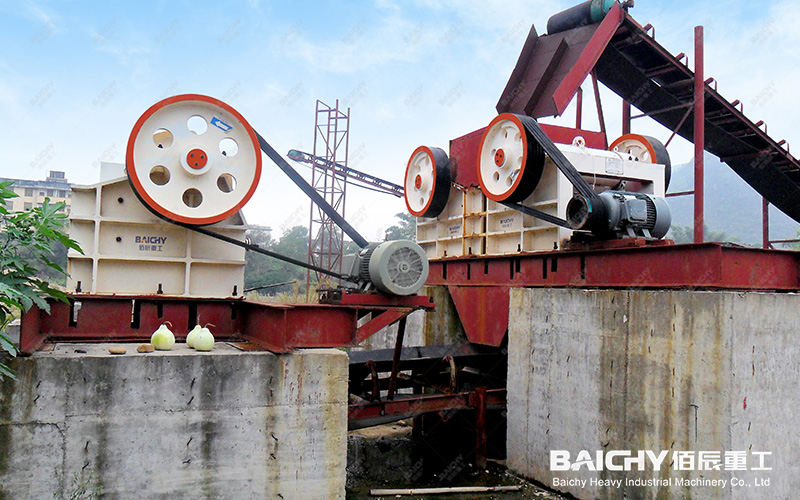
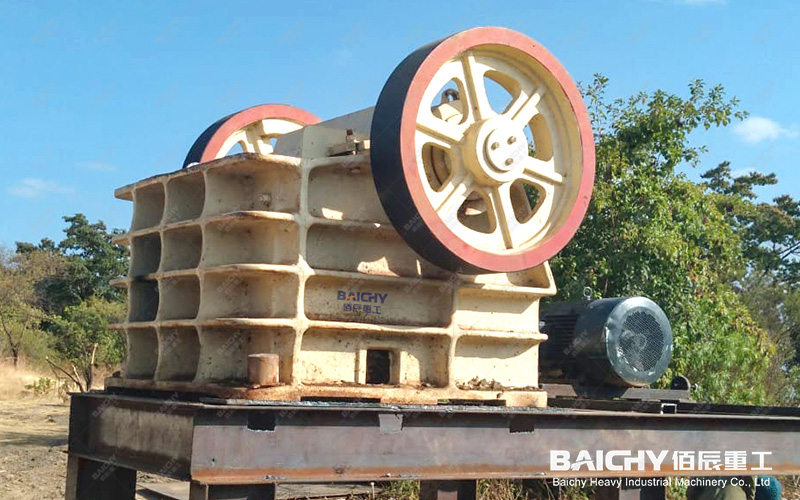
secondary crushing equipment
VI. Real-world Case Studies
Case 1: Small-scale aggregate plant in Central Asia—Replacing an impact crusher with a fine-crushing jaw crusher. The original impact crusher processed gravel-rich material, requiring blow bar replacements twice a month and resulting in out-of-control wear costs per ton. After switching to a 250x1200 fine-crushing jaw crusher, monthly maintenance costs dropped by approximately 60%, production stabilized at 40 t/h, and the screened output was supplied directly to local infrastructure projects.
Case 2: Aggregate production line for a South American concrete batching plant. The plant established its own in-house aggregate line featuring a PE primary jaw crusher, a PEX-250×1200 fine-crushing jaw crusher, and a vibrating screen. The investment remained within the budget for a small-scale line; by producing and using their own aggregate, they recouped equipment costs within six months and eliminated exposure to external aggregate price fluctuations.
Case 3: Pre-crushing system upgrade for a mineral processing project in East Africa. A fine-crushing jaw crusher combined with a closed-circuit screen provided a uniform feed (≤60mm) to the ball mill, increasing the mill's hourly output and reducing power consumption in the crushing stage by approximately 12%. The equipment operated stably despite the lack of local professional technicians, validating the value of selecting machinery with low maintenance requirements.
VII. Recommended Auxiliary Equipment
| Stage | Recommended Equipment | Selection Key Points |
| Feeding | ZSW-380×96 Vibrating Feeder | Includes pre-screening to remove soil and fines |
| Primary Crushing | PE-400×600 Jaw Crusher | Output ≤210mm; matches the fine jaw crusher |
| Fine Crushing (This Unit) | PEX-250×1200 Fine Jaw Crusher | Main secondary crusher; output 25–60mm |
| Screening | YA Series Vibrating Screen | Closed-circuit material return; stable gradation |
| Sand Making Extension (Optional) | VSI-7611 Sand Making Machine | Produces manufactured sand alongside aggregate |
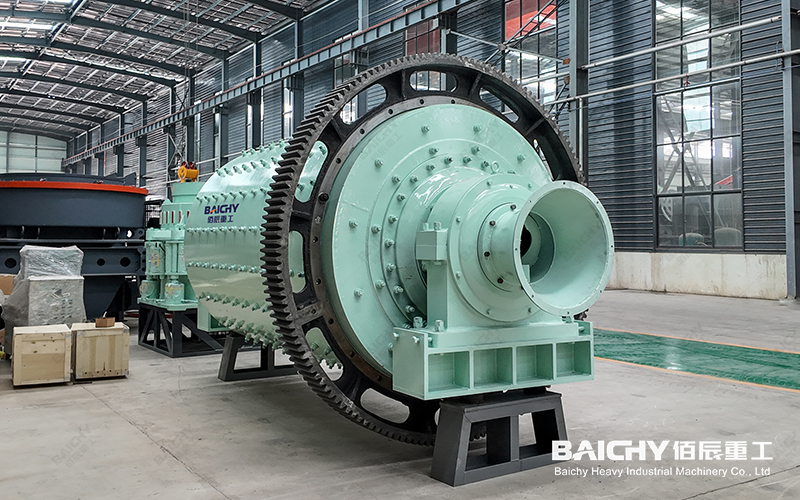
| Grinding Extension (Optional) | Ball Mill / Raymond Mill | Pre-crushed feed; reduced wear and tear |
VIII. FAQ
Q1: What is the difference between the PEX-250×1200 fine jaw crusher and the PE jaw crusher?
The PE series is for primary crushing, featuring a large feed opening (up to 500–1000mm) and a low reduction ratio; the PEX fine crushing series features a wide, elongated feed opening and a high reduction ratio, designed specifically for secondary fine crushing. The "250×1200mm" in the model name refers to the feed opening dimensions; the suffix "1200" indicates the length of the opening—a longer opening ensures more uniform material intake.
Q2: Can the PEX-250×1200 fine jaw crusher crush granite?
It is suitable for granite with a compressive strength of ≤320MPa; however, actual capacity should be calculated at 80–90% of the rated value, and jaw plate lifespan will be reduced. For fresh, dense granite with a throughput exceeding 60t/h, a cone crusher is recommended to avoid excessive wear costs.
Q3: How fine is the output from the fine jaw crusher? Can it produce sand directly?
The minimum discharge opening is approximately 25mm; the output can be used directly as aggregate or as feed for a grinding mill. To produce 0–5mm manufactured sand, a VSI sand maker or double-roll crusher must be installed downstream for final shaping and sand production.
Baichy Heavy Industry
Baichy Heavy Industry is a high-tech mining equipment company integrating R&D, manufacturing, sales, and after-sales service. Focusing on crushing, grinding, and mineral processing equipment, we provide professional solutions to our customers. We are ISO9001:2015 、certified, and our products include mobile crushing palnts, crawler crushing plant, construction waste crushing plants, jaw crushers, sand making machines, cone crushers, fine crushers, grinding mills, ball mills, etc., all with reliable performance to meet diverse project needs.
Baichy Heavy Industry – Your Trusted Partner
To ensure optimal performance of your equipment, Baichy Heavy Industry offers:
- Professional on-site installation guidance
- Comprehensive operator training
- 24/7 technical support & maintenance services
Our complete after-sales service system guarantees long-term, stable operation of your machinery with minimal downtime.
Protect Your Rights – Only Use Official Channels
To avoid scams and ensure authentic support, contact us exclusively through:
• Official Website: www.baichychina.com
• WhatsApp: +8615093222637
• Email: [email protected]
Your satisfaction is our priority – expect prompt, professional service every time.
(Note: Beware of unauthorized third parties claiming to represent Baichy. Always verify through official contacts.)