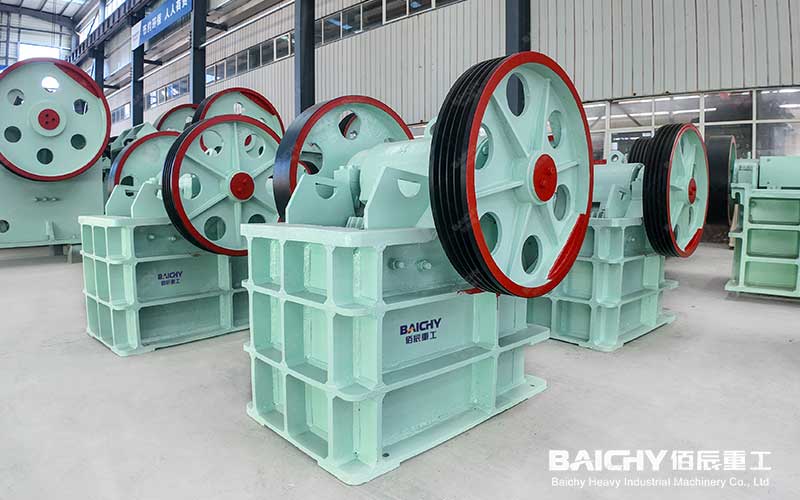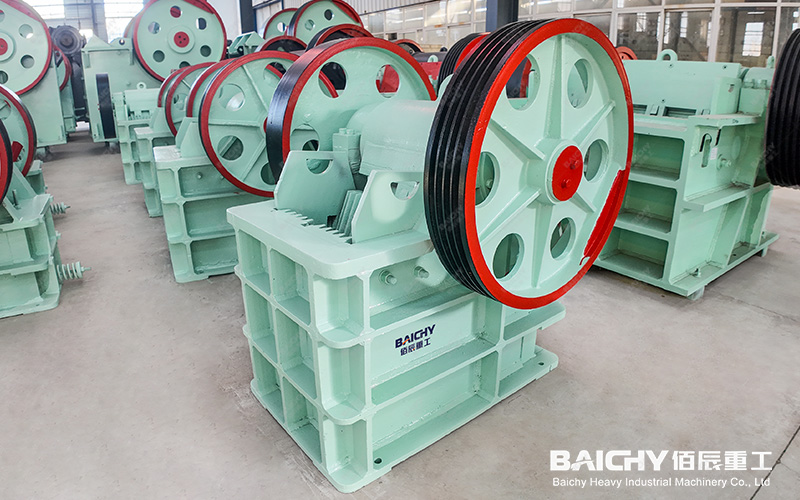
Complete Analysis of the 10-inch x 16-inch Jaw Crusher
As a manufacturer of mining crushing equipment with 20 years of experience, we understand that choosing the right crushing equipment is crucial for production efficiency, operating costs, and project success. Among the many specifications, the 10-inch x 16-inch (approximately 250mm x 400mm) jaw crusher stands out as a star product in small and medium-sized crushing production lines and medium-hard material processing due to its excellent balance and wide applicability. This article will provide an in-depth analysis of this equipment from multiple perspectives and offer professional guidance for your investment decisions.
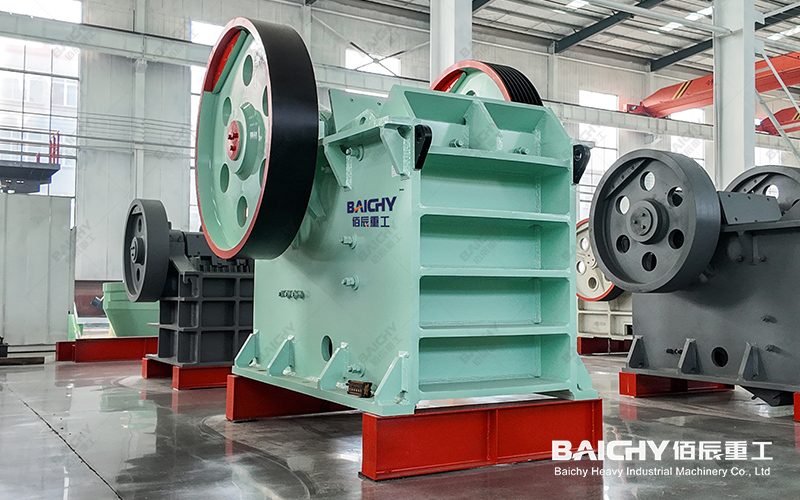
The 10-inch x 16-inch jaw crusher has a feed opening size precisely corresponding to 250 mm wide and 400 mm long. This specification cleverly balances processing capacity with equipment footprint, energy consumption, and investment costs. It is typically suitable for coarse or medium crushing of various ores, rocks, construction waste, and other materials with a compressive strength not exceeding 320 MPa. Its design philosophy is to provide users with a sufficient, easy-to-use, and durable core crushing equipment that meets certain production requirements without over-configuration and resource waste. It is an ideal choice for small and medium-sized stone quarries, construction sites, primary crushing in mines, and laboratory samples.
Core Advantages and Features
With twenty years of technological accumulation and process improvement, modern high-performance 10x16 jaw crushers possess the following core advantages:
1. Robust Structure, Durable: Utilizing high-quality, high-strength steel plate welded frame and reinforced design in key areas, the movable jaw assembly has a strong load-bearing capacity, ensuring long-term stable operation under heavy impact loads.
2. High Crushing Efficiency, Uniform Product Granularity: The optimized cavity design allows for more thorough layered crushing of materials within the crushing chamber, not only increasing single-machine output but also effectively controlling the output particle size, resulting in better particle shape and creating favorable conditions for the next stage of crushing.
3. Simple Maintenance, Low Operating Costs: Wear parts such as the toggle plate are reasonably designed and easy to replace. The centralized lubrication system requires fewer daily maintenance points, significantly reducing long-term maintenance time and labor costs.
4. Flexible Power Matching, Strong Adaptability: It can be matched with 30-50kW motors or diesel engines, adapting to perse operating environments with or without electricity. The discharge opening range is typically between 20-80mm, and can be flexibly adjusted to meet different finished product specifications.
5. High Return on Investment: As an entry-level main equipment of medium size, its purchase cost is relatively moderate, but thanks to its reliability and high efficiency, it can quickly generate stable profits for users.
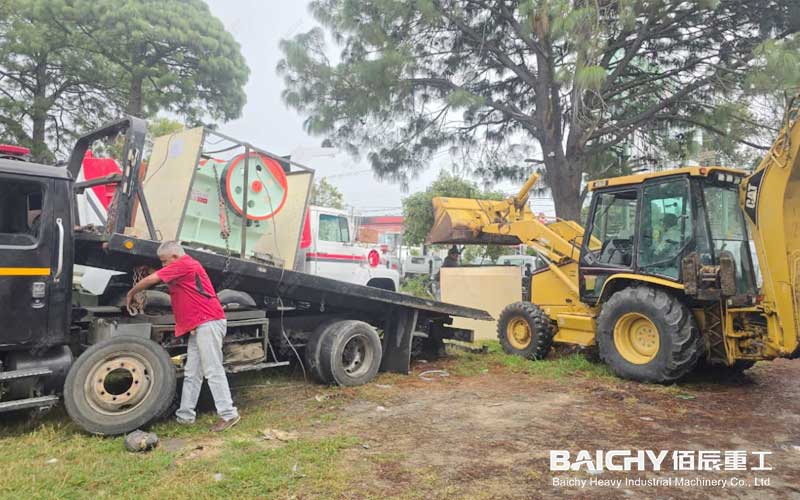
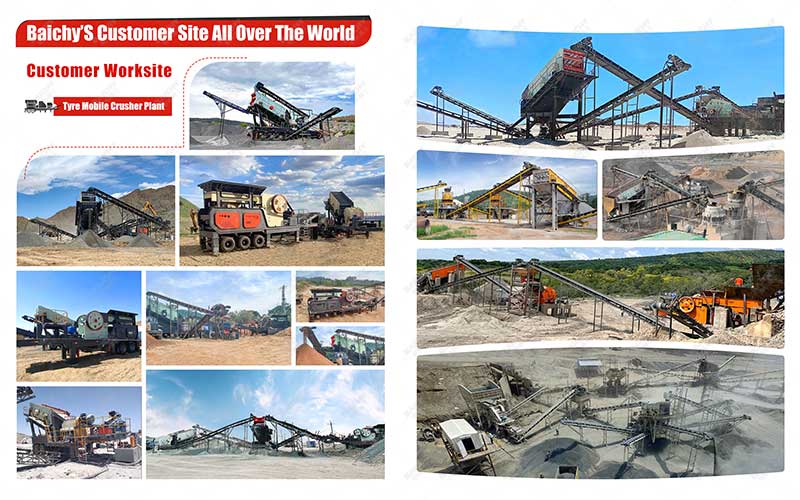
PE250x400 Jaw Crusher - Customer Site
Application Case Scenarios
Case Study 1: Small Granite Quarry:
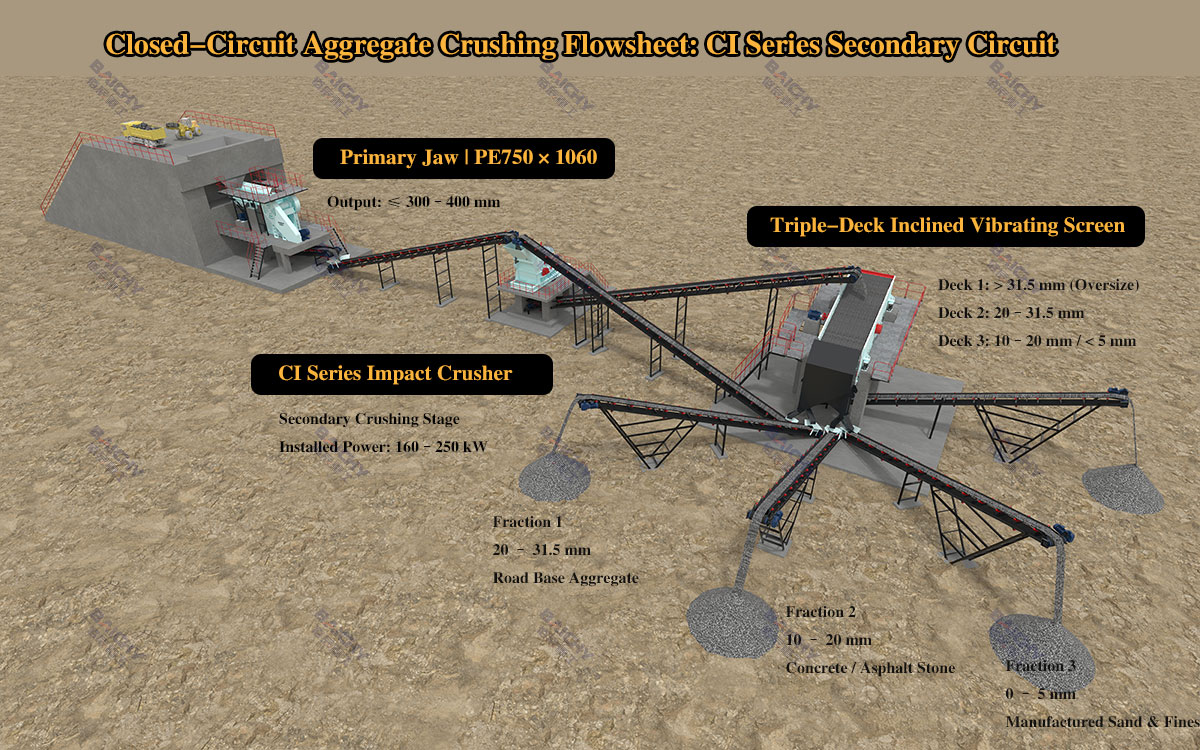
A customer selected a 10x16 jaw crusher as the primary crusher to process granite raw materials with a particle size of ≤210mm. Combined with a cone crusher and a vibrating screen, it formed a crushing production line with a capacity of 30-50 tons per hour. The equipment has been running stably for three years, with no major failures in core components, providing the customer with a stable supply of sand and aggregate.
Case Study 2: Construction Waste Recycling Project:
In urban construction waste processing lines, this size jaw crusher is used for the initial crushing of demolished concrete blocks and bricks. Its powerful crushing force and impact resistance effectively cope with the challenges of complex material composition and pre-mixed rebar, achieving effective resource recovery.
Related Equipment Recommendations
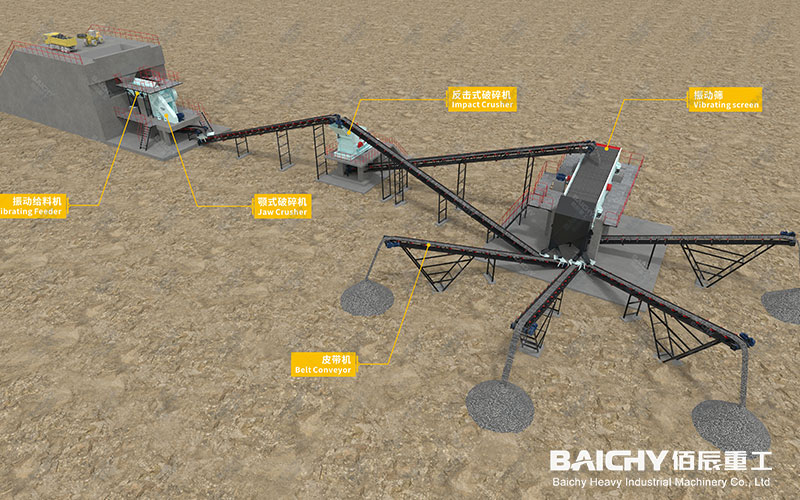
To build a more efficient and complete production line, we recommend combining the 10x16 jaw crusher with the following equipment:
Feeding Equipment: ZG series vibrating feeder, ensuring uniform and continuous feeding to maximize the jaw crusher's capacity.
Medium and Fine Crushing Equipment: A medium-sized cone crusher or impact crusher to perform medium and fine crushing of the semi-finished products from the jaw crusher, obtaining various specifications of finished materials.
Screening Equipment: Multi-layer circular vibrating screen or linear vibrating screen to achieve material classification and ensure finished product quality.
Conveying System: Belt conveyors connect each process step, forming an automated assembly line.
Frequently Asked Questions (FAQ)
Q1: What is the approximate hourly processing capacity of the 10x16 jaw crusher?
A1: The processing capacity is affected by multiple factors such as material hardness, humidity, feed particle size, and discharge opening settings. Typically, when processing medium-hard materials (such as limestone) under standard operating conditions, the output range is approximately 20 to 50 tons per hour. Specific data needs to be determined through testing with actual material samples.
Q2: Can this equipment be used to crush very hard basalt or granite?
A2: Absolutely. The 10x16 jaw crusher is designed to handle materials with a compressive strength of up to 320 MPa, and the strength of granite and basalt usually falls within this range. The key is to use jaw plates made of high-quality materials such as high-manganese steel, and to control the presence of extremely hard impurities in the feed material. For exceptionally hard rocks, it is recommended to conduct material testing beforehand.
Q3: What are the main aspects to pay attention to in the daily maintenance of the equipment?
A3: Daily maintenance is crucial for ensuring the equipment's lifespan. This mainly includes: 1) Regularly checking the wear of wear parts such as jaw plates and side plates, and adjusting or replacing them promptly; 2) Applying the specified grade of grease to lubrication points such as bearings on time to ensure proper lubrication; 3) Checking the tension of the drive belt to prevent slippage or excessive wear; 4) Tightening bolts in critical areas to prevent loosening due to vibration.