
Rock Crushers - Jaw Crushers
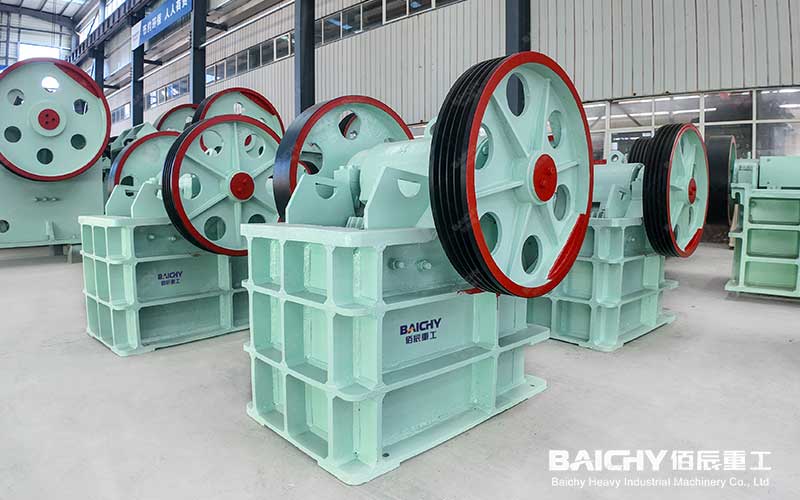
Rock crushers are key equipment used in mining, building materials, metallurgy, and other industries to crush large rocks to the required size. Jaw crushers, as the oldest and most widely used type of primary crushing equipment, have become the first line of defense in mining crushing production lines due to their simple structure, reliable operation, and strong adaptability.
Jaw Crusher Working Principle

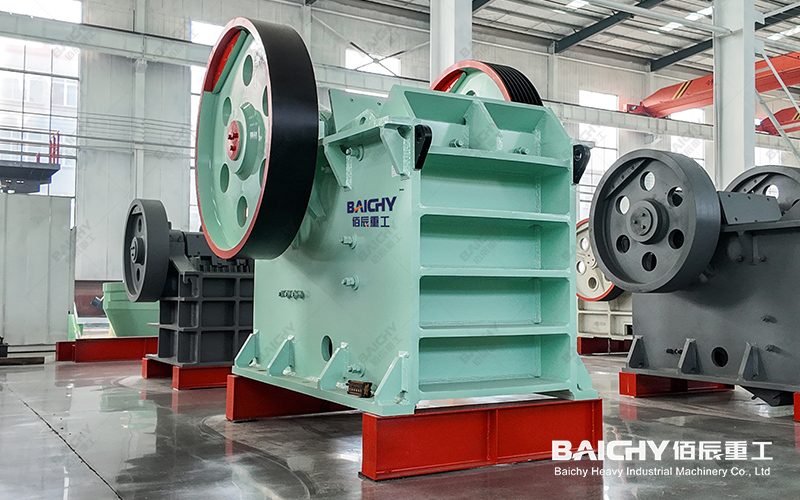
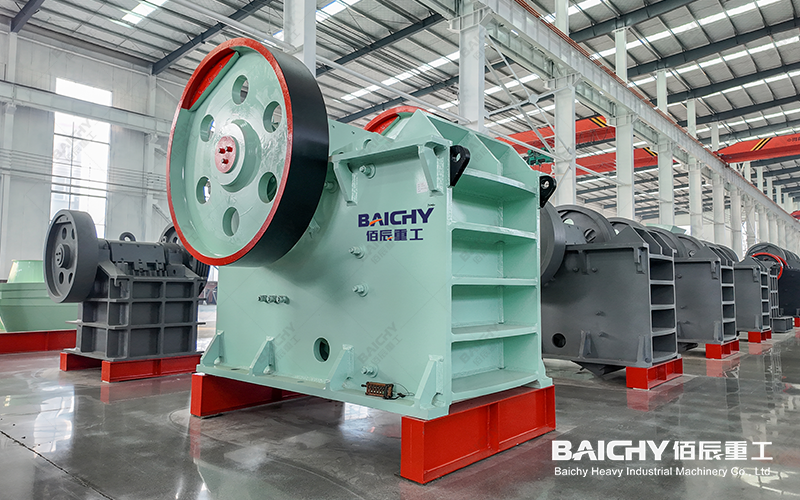
The structure of the PE jaw crusher.
The jaw crusher simulates the movement of an animal's jaws to crush materials through a crushing chamber formed by a movable jaw and a fixed jaw. Its working cycle includes a crushing stroke where the movable jaw moves towards the fixed jaw and a discharge stroke where the movable jaw moves away from the fixed jaw. This cycle repeats, compressing, splitting, and breaking the rocks in the chamber, ultimately achieving the crushing objective. Modern jaw crushers have widely adopted technologies such as hydraulic adjustment, overload protection, and automatic lubrication, significantly improving the automation level and safety factor of the equipment.
Classification and Application of Rock Crushers
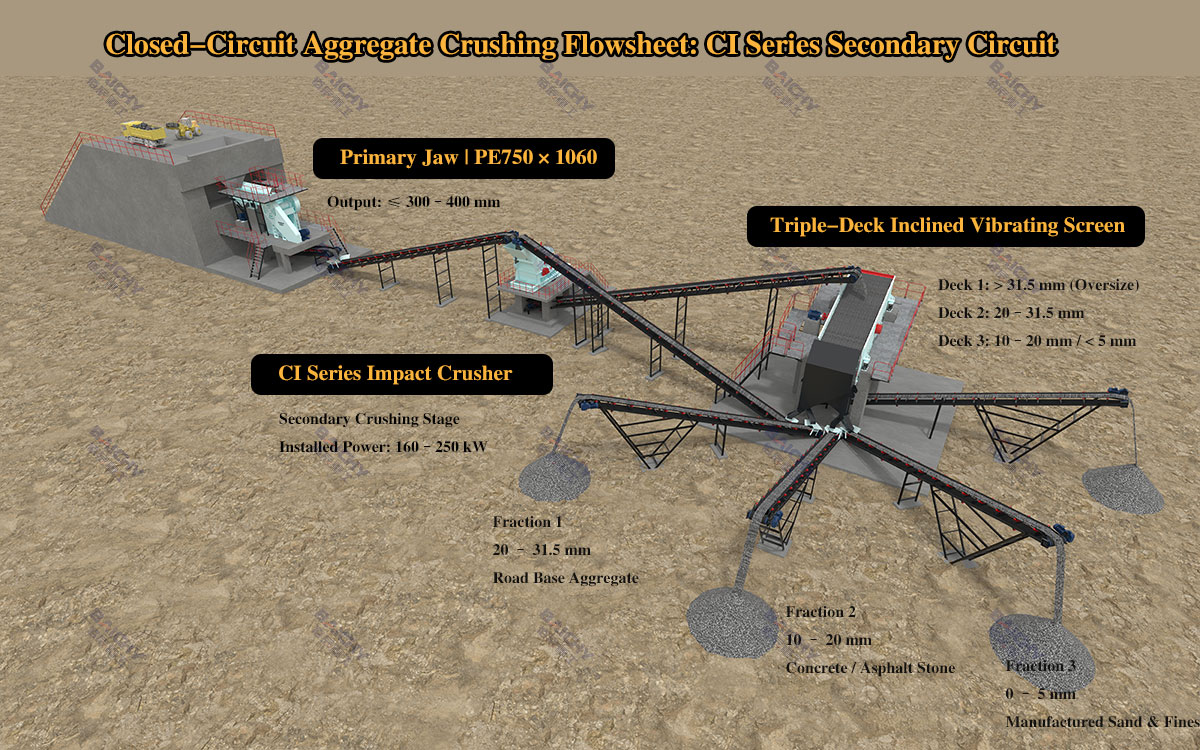
In addition to jaw crushers, a complete rock crushing production line usually also includes cone crushers (medium and fine crushing), impact crushers (medium crushing and shaping), and sand making machines. Different types of rock crushers work together to form a multi-stage crushing process to meet the different particle size requirements from coarse aggregate to manufactured sand.
Jaw Crusher Core Advantages
Based on 20 years of manufacturing and field experience, our jaw crushers and complete crushing solutions offer the following outstanding advantages:
1. Excellent Durability and Reliability: Key components such as jaw plates, bearings, and frames are made of high-strength materials and optimized designs, having withstood long-term, high-load operation. The equipment has a low failure rate and a long service life.
2. High-Efficiency Crushing Performance: The deep cavity design, optimized tooth angle, and larger feed opening ensure higher processing capacity and a better crushing ratio, directly improving the output efficiency of the entire production line.
3. Lower Operating Costs: Energy-saving motors and efficient crushing chamber design reduce unit energy consumption; the modular design makes the replacement of wear parts more convenient, shortening downtime, and resulting in more competitive overall maintenance costs.
4. Wide Material Adaptability: Easily handles various hard and medium-hard rocks such as granite, basalt, river pebbles, and limestone, with a compressive strength of up to 350MPa.
5. Intelligent Control and Maintenance: Optional intelligent monitoring devices can be configured to monitor key parameters such as bearing temperature, vibration, and output in real time, enabling predictive maintenance and ensuring safe and stable production.
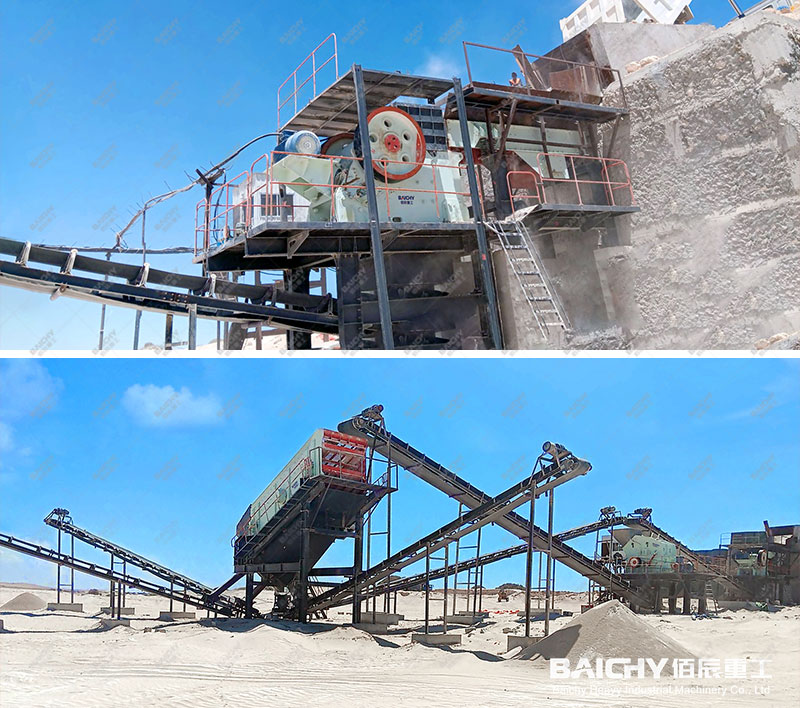
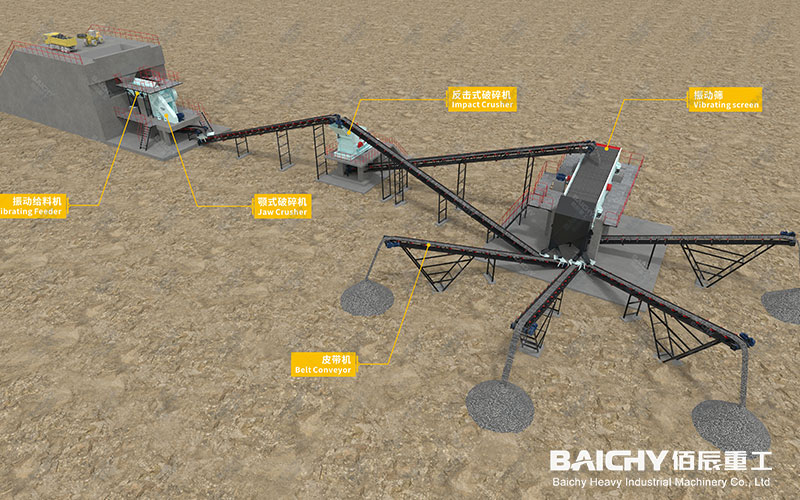
Stationary crushing production line
Success Stories
Case Study 1: Large Granite Quarry Project in Southeast Asia
Customer Requirement: A granite aggregate production line with a capacity of 800 tons per hour.
Solution: We configured a large PE-1200×1500 jaw crusher as the primary crusher, combined with multiple cone crushers for secondary and tertiary crushing. This jaw crusher operates stably with high crushing efficiency, successfully overcoming the challenge of high-hardness granite. The entire line has been running stably for over 5 years, creating significant economic benefits for the customer.
Case Study 2: Construction Waste Recycling Project in Central China
Customer Requirement: Processing construction waste concrete to produce recycled aggregate.
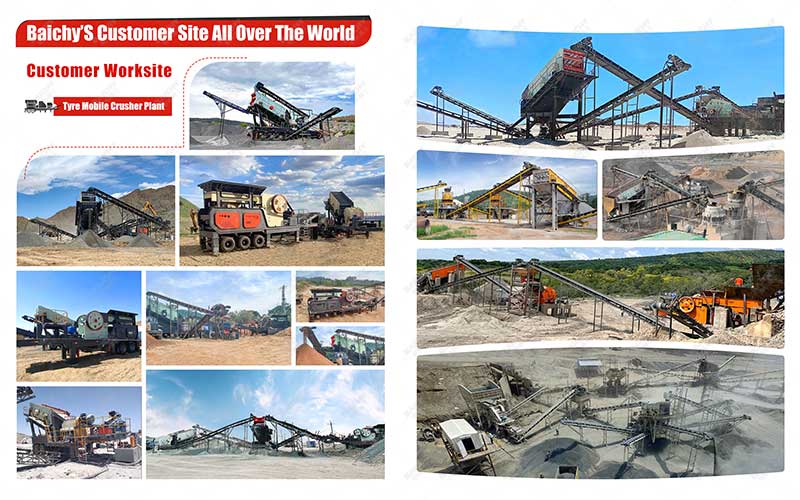
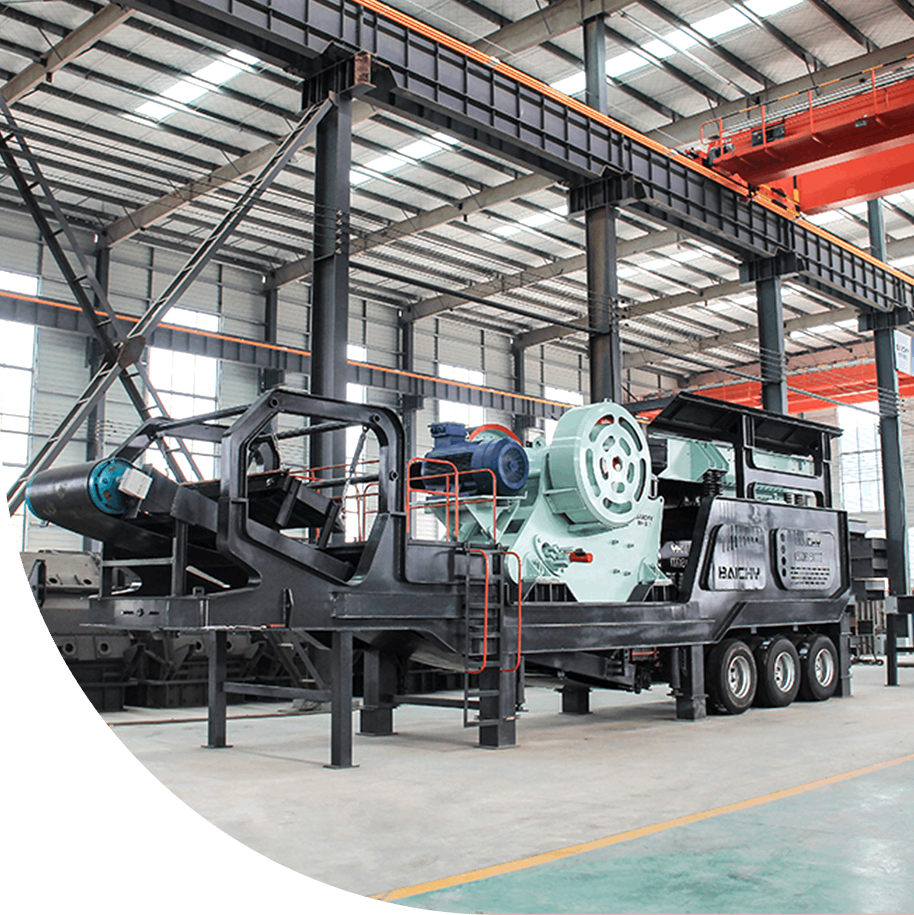
Solution: A specially designed mobile jaw crusher unit was used, which can be directly deployed to demolition sites. The equipment demonstrated excellent adaptability and iron protection capabilities for concrete blocks containing rebar, realizing the waste-to-resource transformation of construction waste and reflecting the environmental and social value of the equipment.
Related Equipment Recommendations
To build an efficient crushing production line, in addition to the core jaw crusher, we recommend the following equipment combination:
Feeding Equipment: Vibrating feeder, which provides uniform and continuous feeding to the jaw crusher, is a prerequisite for ensuring efficient production.
Secondary and Tertiary Crushing Equipment: Single-cylinder or multi-cylinder hydraulic cone crushers are used to process the material after primary crushing, producing uniform medium and small-sized aggregates.
Screening and Conveying Equipment: Circular vibrating screens and multi-layer belt conveyors form a closed-loop or open-loop system, accurately classifying materials and ensuring the qualification rate of the final product.
Frequently Asked Questions (FAQ)
Q1: What are the main differences between a jaw crusher and a cone crusher?
A1: Jaw crushers are mainly used for primary crushing in production lines, handling large-sized, high-hardness raw ore, and producing relatively coarse output; cone crushers are typically used for secondary and tertiary crushing, producing finer and more uniform output, but requiring smaller feed size. They differ in crushing principle, applicable stages, and product particle shape.
Q2: How do I choose the right jaw crusher model based on my rock characteristics?
A2: Model selection is primarily based on three core parameters:
1. Material properties: rock type, hardness, moisture content, and clay content;
2. Feed size: the size of the largest rock;
3. Required output: the tonnage to be processed per hour. Our engineering team can provide free technical consultation and model selection support to tailor a solution for you.
Q3: What is the wear cycle of the jaw plates? Is replacement complicated?
A3: The wear cycle of the jaw plates varies depending on the hardness of the crushed material and the output. Typically, when processing medium-hardness rocks, they can last for hundreds of hours. Our equipment uses a modular design and hydraulic adjustment system, making jaw plate replacement safer and simpler, significantly reducing maintenance difficulty and downtime.