
1-3 t/h Small Mobile Hammer Crushing Station
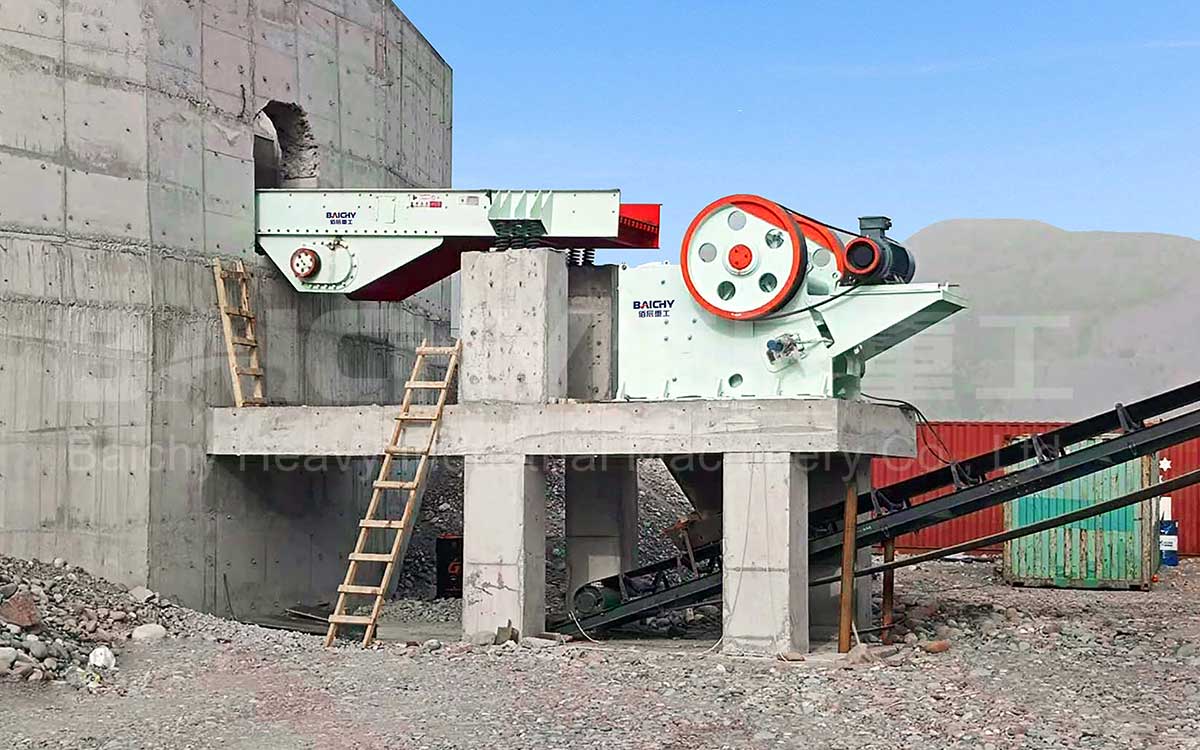
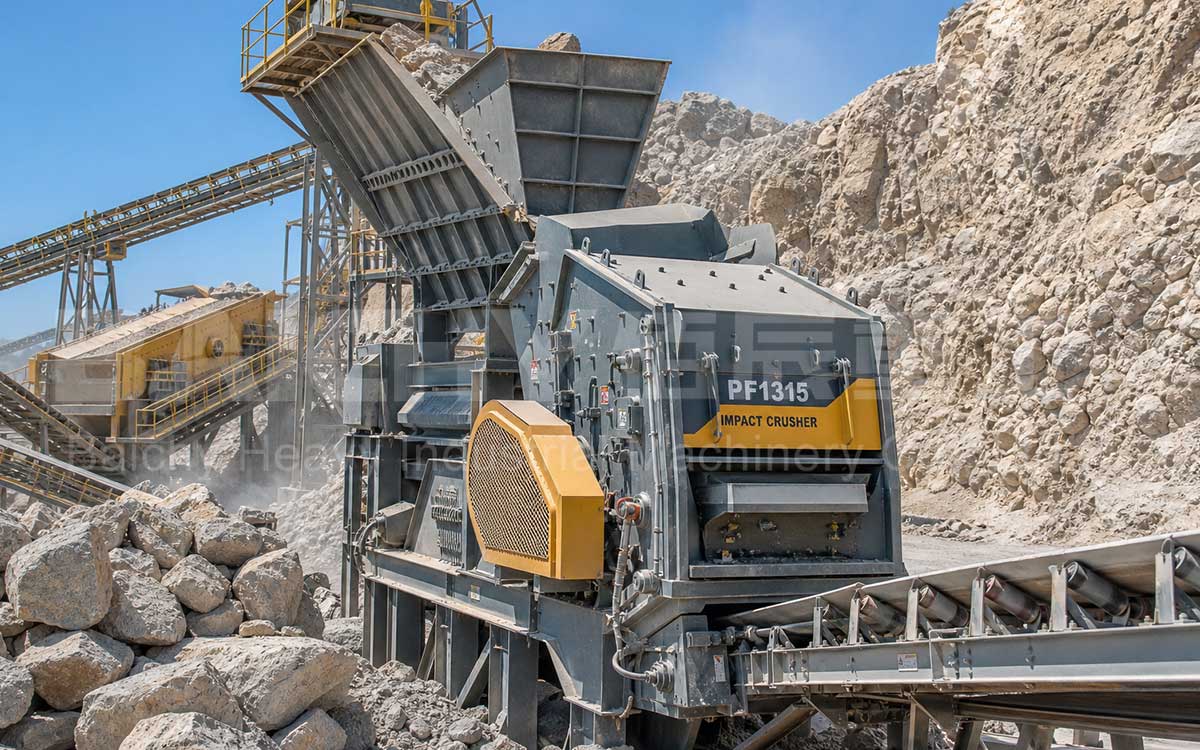
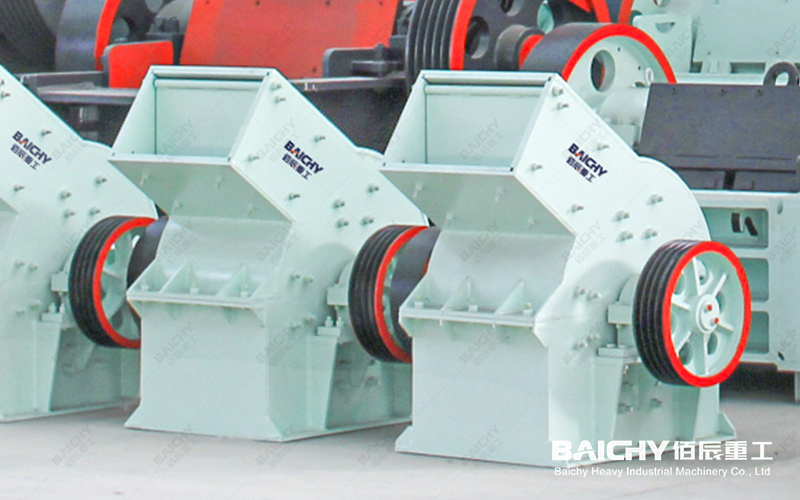
Addressing the needs of small-scale production lines, Baichy has introduced a compact hammer crusher (equipped with a conveyor belt) capable of performing single-stage crushing—transforming large stones of up to 15 cm into uniform finished products ranging from 2 to 5 mm. This solution is perfectly tailored for the lightweight processing of pumice, the fine sand-making of marble, and the challenges posed by the high abrasiveness of volcanic rock.
1. Why Choose the "Single-Unit Production Line" Configuration?
In low-capacity scenarios (1–3 tons per hour), many clients often face dilemmas such as "inefficient manual feeding" or "uncontrollable finished product ratios." Our solution—combining a hammer crusher with a belt conveyor—effectively resolves three major pain points:
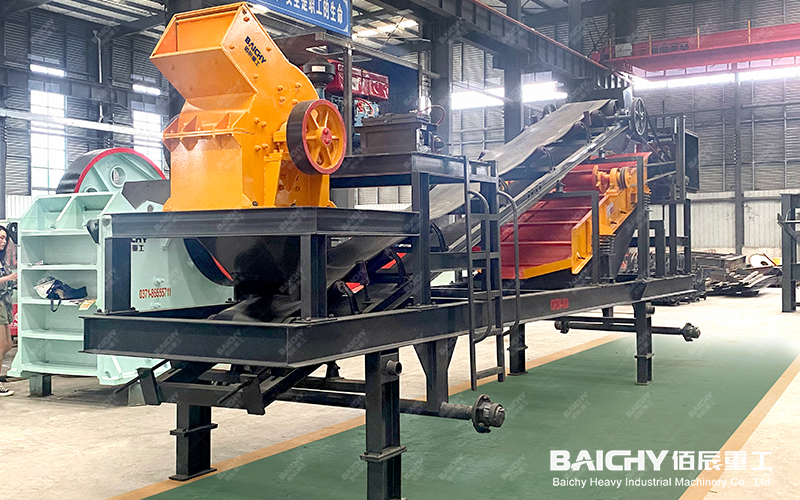
hammer crusher with a belt conveyor
• High Crushing Ratio, Single-Stage Forming: With an input size of 5–15 cm, the output is precisely locked within the 2–5 mm range, thereby eliminating the investment costs associated with secondary crushing.
• Closed-Loop Workflow: Equipped with a heavy-duty conveyor belt (3–5 meters in length), the system ensures the automatic stacking or loading of finished products, significantly reducing the need for manual labor.
• Multi-Material Compatibility: To address the three distinct rock types you mentioned, we have specifically reinforced the material composition of our hammer heads.
2. Material Testing Report: Spanning the Spectrum from Soft to Hard Rock
This equipment is not a generic "toy," but rather a professional tool engineered to handle various lithologies:
• Pumice: To accommodate its porous, brittle, and low-density characteristics, we have designed adjustable sieve plates. By fine-tuning the plate gaps, we prevent over-crushing (reducing the rate of fines generation by 15%), thereby ensuring the structural integrity of the 2–5 mm granules.
• Marble: Marble exhibits the typical characteristics of metamorphic rock. Our high-manganese steel hammer heads effectively manage its brittle fracture properties, producing stone powder with a rounded grain shape—an ideal raw material for high-grade architectural coatings or artificial stone.
• Volcanic Rock: Volcanic rock is characterized by its high hardness and abrasiveness. Baichy employs composite hammer heads made from high-chromium alloy; these offer a wear resistance lifespan more than three times longer than that of standard carbon steel, ensuring that the hammer heads do not require frequent replacement when crushing hard rocks in the 5–15 cm range.
3. Technical Specifications
| Parameter | Technical Indicators |
| Processing Capacity | 1 - 3 Tons per Hour (tph) |
| Feed Size | 50mm - 150mm (Max ≤ 200mm) |
| Discharge Granularity | 2mm - 5mm (Adjustable Sieve Plate) |
| Core Configuration | Hammer Crusher + Mobile Belt Conveyor |
| Drive Power | 5.5kW - 7.5kW (Diesel Engine / Electric Motor Options Available) |
| Wear Parts Material | Cr26 High-Chrome Alloy Hammer Heads / High-Manganese Steel Liners |
4. Why Does Baichy’s Solution Feel More "Industrially Robust"?
• We don't promise a one-size-fits-all miracle, but in the 1–3 ton small-scale sector, we can achieve a discharge particle size control tolerance of ±0.5mm.
• Stop falling for the hype about so-called "fully automated, unmanned" operations. In small-scale production lines, "ease of maintenance" and "low downtime" are the true keys to profitability. Our side-opening door design allows you to complete a hammer head replacement in just 10 minutes.
5. Frequently Asked Questions (FAQ)
Q: Will feeding 15cm stones into a small 1–3 t/h machine cause it to jam?
A: This is the most common risk associated with small-scale crushers. Baichy employs a large-diameter rotor design, which increases rotational inertia. As long as a stable power input of 5.5kW or higher is maintained, medium-hardness materials ranging from 5cm to 15cm can be processed smoothly.
Q: How can you guarantee that the output will be specifically 2–5mm, rather than just a pile of dust?
A: The key lies in the combination of "pre-set sieve plates" and "optimized rotational speed matching." Depending on whether you are processing volcanic rock or pumice, we will pre-install sieve plates of specific specifications and recommend a precise spindle speed to keep the proportion of fine dust within 10%.
Q: Is a belt conveyor really necessary?
A: It is absolutely essential. While a capacity of 1–3 tons may seem small, the actual volume of 2–5mm crushed stone produced in a single hour is substantial. Without a conveyor belt, the finished products would quickly clog the discharge port, leading to motor burnout.