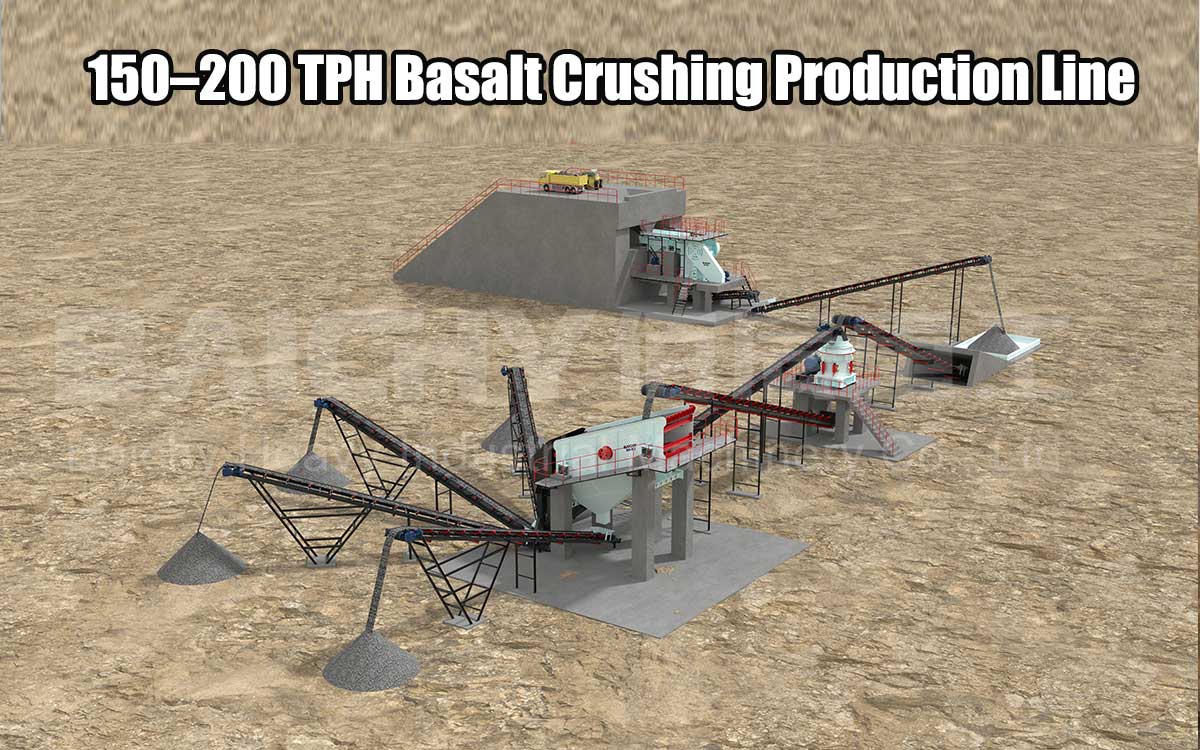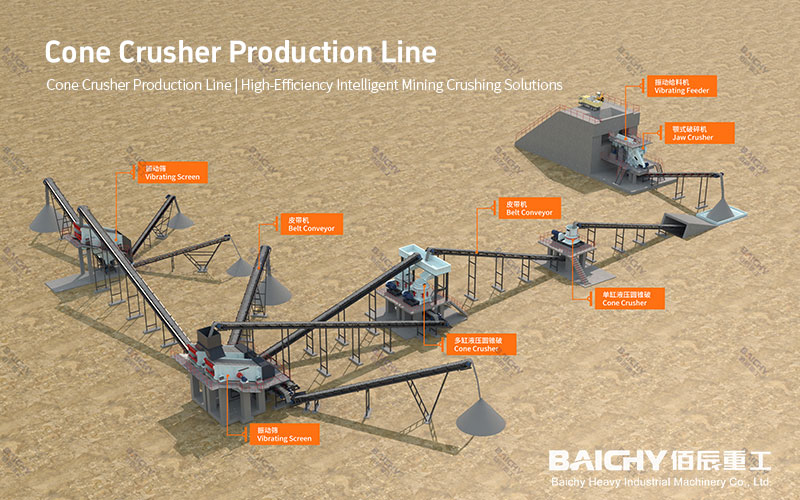
Cone Crusher Production Line — Three-Stage Crushing Production Line
Why Are Tertiary Crushing Stages Essential for Sand, Gravel, and Mining Production Lines?
Without a properly designed tertiary crushing stage, the vast majority of sand and gravel yards—as well as mining production lines—would struggle to produce aggregates that meet current market standards. The tertiary crusher is responsible not only for fine crushing but also for fulfilling critical functions such as optimizing particle shape, adjusting gradation, and minimizing the generation of stone dust; it is, therefore, an indispensable component of any modern, high-standard production line. This article details the irreplaceable role that tertiary crushing plays within the production process.
I. What Is Tertiary Crushing? Its Core Positioning Within the Production Line
In a complete sand and gravel or mining production line, the crushing process is typically Pided into three distinct stages:
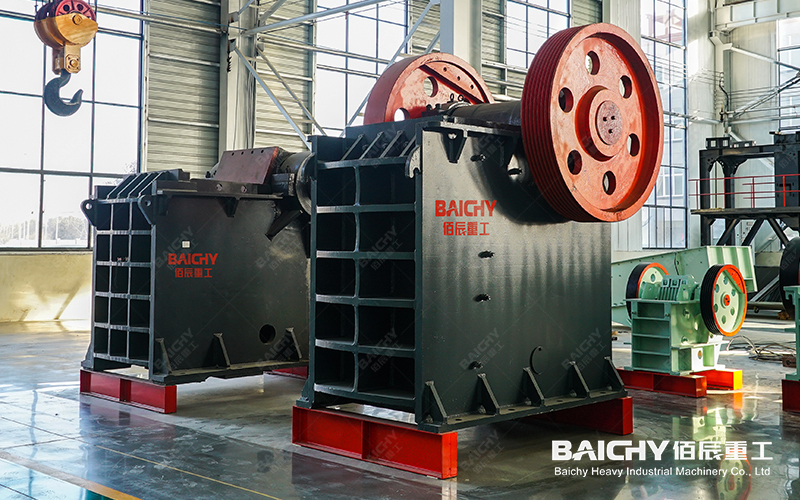
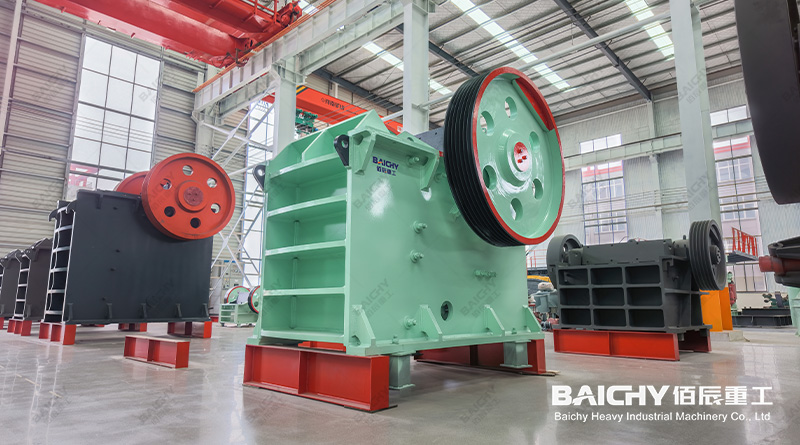
Primary Jaw Crusher
• Primary Crushing (Coarse Crushing): Performed by equipment such as jaw crushers, this stage reduces large raw materials to a size of less than 300 mm.
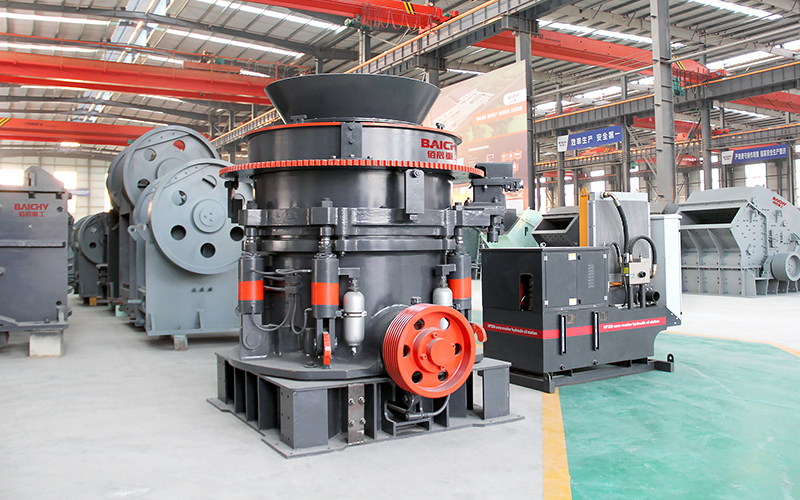
Hydraulic Cone Crusher
• Secondary Crushing (Medium Crushing): Performed by cone crushers or impact crushers, this stage further reduces the material to approximately 60 mm, preparing it for subsequent processing steps.
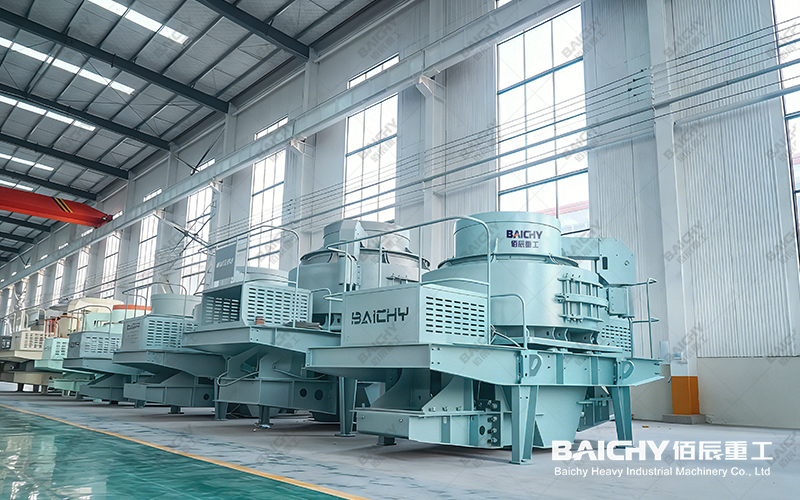
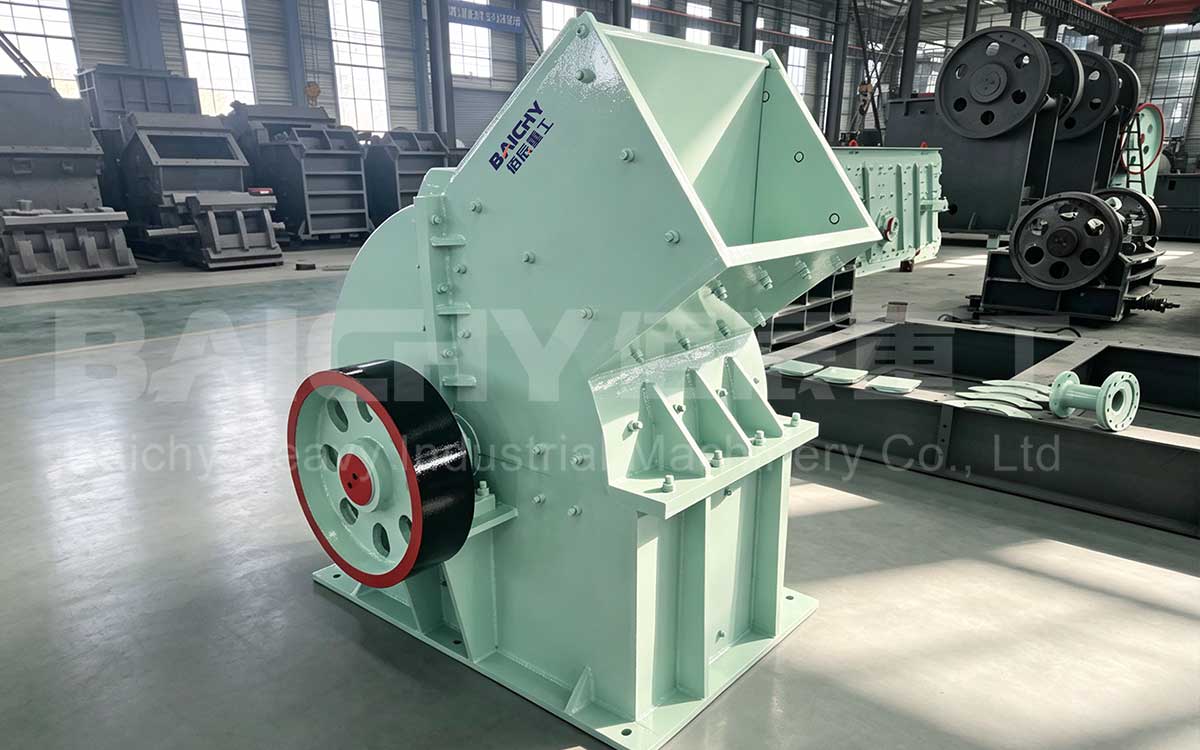
Sand Makingv Machine
• Tertiary Crushing (Fine Crushing/Shaping): This is the critical stage that determines the quality of the final product. Tertiary crushers (such as impact crushers, high-efficiency fine crushers, and vertical shaft impact crushers) are responsible for processing the output from the secondary stage into finished aggregates that meet specific specifications (e.g., 0–5 mm, 5–10 mm, 10–20 mm), while simultaneously optimizing their particle shape.
Core Positioning: Tertiary crushing is not merely a simple process of "size reduction"; rather, it acts as the product's "quality controller" and "value enhancer." Its primary objective shifts from simple "crushing" to "shaping" and "sand making," directly determining the product's market competitiveness and selling price.
II. The Three Irreplaceable Core Functions of Tertiary Crushing
1. Particle Shape Optimization: Enhancing Product Added Value
Aggregates that have undergone only primary and secondary crushing often exhibit a high content of needle-like and flaky particles, characterized by sharp, angular edges. Such aggregates possess poor flowability when mixed into concrete; they require a greater amount of cement paste to fully encapsulate them, which ultimately compromises the strength of the resulting concrete. Utilizing the impact crushing principles of "stone-on-stone" or "stone-on-iron," tertiary crushers effectively fracture, collide with, and abrade particles into shapes closely resembling spheres or cubes. This process significantly reduces the content of needle-like and flaky particles, yielding high-quality, premium aggregates—a product that commands a unit price premium of 20% to 30%.
2. Precise Gradation Adjustment to Meet High-Standard Demands
Modern engineering projects impose extremely stringent requirements on the gradation (the proportional distribution of particles of different sizes) of concrete aggregates. The tertiary crushing stage allows for flexible control over the output particle size distribution by adjusting parameters such as equipment rotational speed, feed rate, and crushing chamber geometry. This enables the effortless production of aggregates with continuous gradation or single-size gradation that comply with national standards (GB/T 14685-2022) or even stricter specifications—a level of precision that is difficult to achieve in the preceding primary and secondary crushing stages.
3. Efficient Sand Making and Stone Dust Control
In the production of manufactured sand, the tertiary crusher (particularly the Vertical Shaft Impact crusher) serves as a core piece of equipment. It not only efficiently produces manufactured sand with an optimal fineness modulus and excellent particle shape but also utilizes airflow or screening systems to effectively control the stone dust content in the finished sand (typically stabilizing it within the ideal range of 5% to 10%). This prevents excessive stone dust from compromising concrete performance, while also avoiding the issue of insufficient stone dust leading to poor gradation.
III. Application Scenarios: Beyond Sand and Gravel—Serving the Mining Industry Extensively
The application of tertiary crushing technology has expanded beyond the traditional sand and gravel aggregate industry to encompass various production lines for both metallic and non-metallic mines.
• Sand and Aggregate Production Lines: A critical stage in the production of aggregates for high-grade concrete, high-speed railway construction, and asphalt mixtures.
• Pre-Beneficiation Preparation for Metal Mines: Prior to the beneficiation (ore dressing) of minerals such as iron ore and copper ore, the ore is crushed to a finer particle size (e.g., -10mm or smaller). This achieves thorough "liberation" of the mineral components, thereby significantly boosting beneficiation recovery rates and concentrate grades, while simultaneously reducing energy consumption during the grinding process.
• Building Materials & Industrial Mineral Processing: Used for the fine crushing of materials such as quartz, limestone, and dolomite, meeting the stringent raw material particle size requirements of industries including glass, ceramics, and chemicals.
IV. Advantages and Technical Parameters of Our Three-Stage Crushing Equipment
Taking our flagship product—the VSI-1140 Vertical Shaft Impact Crusher—as an example: it is specifically designed for highly efficient three-stage crushing and sand making, integrating the functions of crushing, shaping, sand production, and stone powder control into a single unit.
Core Advantages:
• Superior Particle Shape: Features a deep-cavity rotor design; the finished product contains over 95% cubical particles, with acicular and flaky particles accounting for less than 5%.
• Versatile Functionality: By simply replacing the peripheral guard plates and adjusting the rotor speed, the machine can switch between "stone-on-stone" and "stone-on-iron" crushing modes, catering respectively to aggregate shaping and manufactured sand production.
• Eco-friendly & Energy-Efficient: The fully enclosed vortex chamber features internal airflow self-circulation and is equipped with high-efficiency pulse dust removal interfaces, minimizing dust spillage; energy consumption is reduced by approximately 30% compared to traditional equipment.
• Convenient Maintenance: Core components feature a modular design; the peripheral guard plates are reversible for extended service life, and a hydraulic lid-opening mechanism makes inspection and maintenance quick and effortless.
VSI-1140 Key Technical Parameters Table
| Parameter Item | Unit | Value/Specification |
| Max. Feed Size | mm | 50 |
| Processing Capacity | t/h | 180–380 |
| Motor Power | kW | 2 × 250 |
| Rotor Speed | r/min | 1200–1700 (Adjustable) |
| Finished Sand Fineness Modulus | - | 2.4–3.0 (Adjustable) |
| Overall Dimensions (L×W×H) | mm | 4100 × 2600 × 3300 |
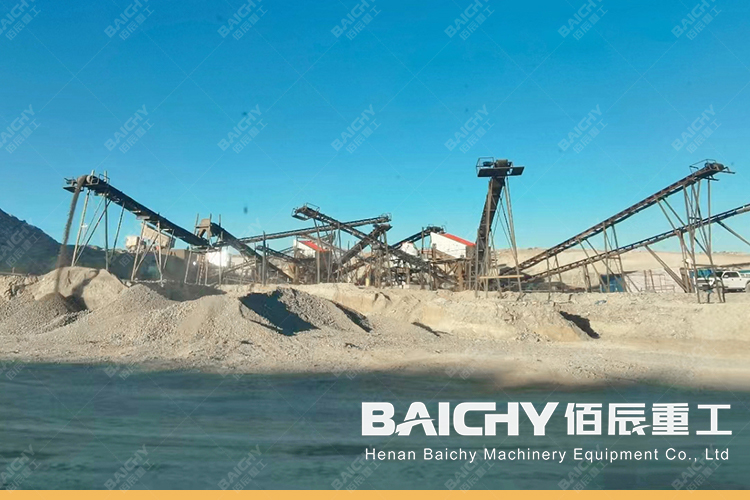
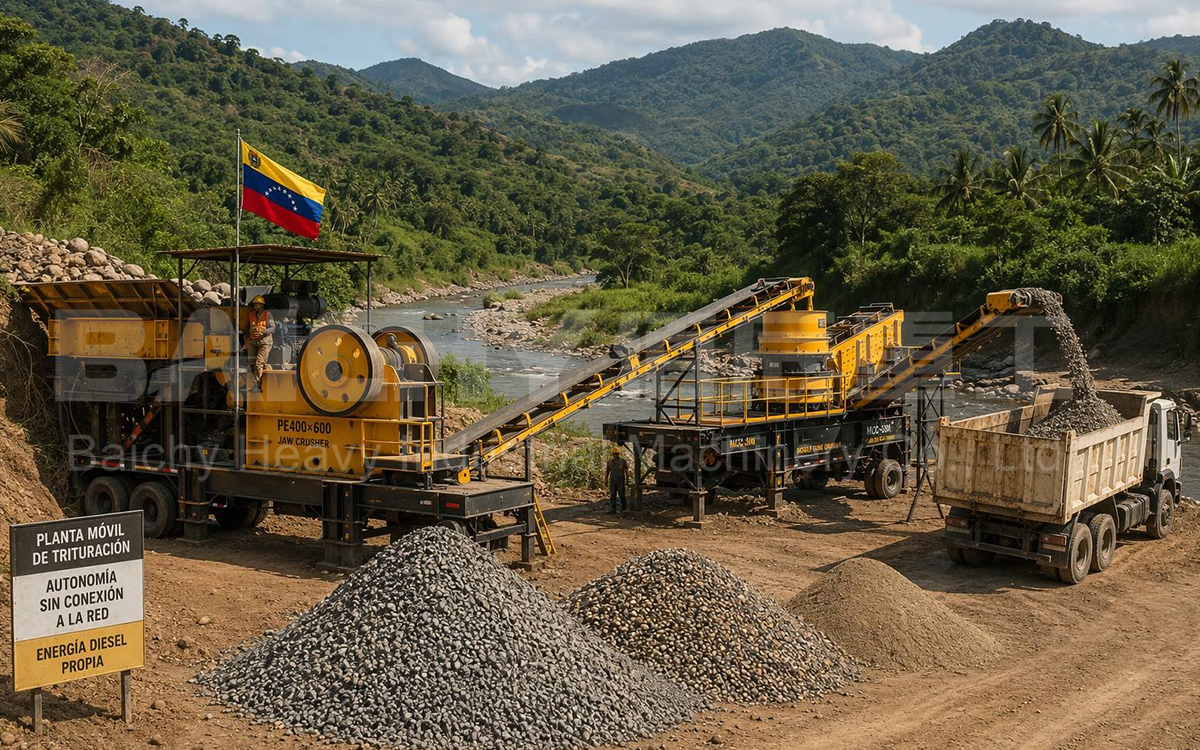
stone crushing plant
V. Case Studies
Case Study 1: A granite aggregate production project in East China with an annual output of 5 million tons.
◦ Pain Point: The aggregate produced after two-stage crushing exhibited poor particle shape, resulting in low market selling prices. ◦ Solution: Following the existing two-stage crushing process, two of our VSI-1140 units were added to perform third-stage crushing and shaping.
◦ Results: The particle shape of the finished aggregates was comprehensively improved, meeting Class I aggregate standards. The unit price of the product increased by 25%, and the project's investment payback period was less than one year.
Case Study 2: Renovation Project at an Iron Ore Beneficiation Plant in North China
◦ Pain Points: The feed size entering the grinding mill was relatively coarse (-20mm), resulting in high energy consumption for the ball mill and suboptimal mineral recovery rates.
◦ Solution: Following the primary and secondary crushing stages, one of our HPY multi-cylinder hydraulic cone crushers was introduced for third-stage fine crushing, reducing the mill feed size to -10mm.
◦ Results: The ball mill's hourly throughput increased by approximately 18%, overall energy consumption decreased by 15%, and the recovery rate of iron concentrate improved by 2.1 percentage points.
VI. Recommended Third-Stage Crushing Equipment
Based on your specific raw materials and product requirements, we recommend the following:
1. VSI Series Vertical Shaft Impact Crusher: Suitable for the third-stage crushing, sand making, and shaping of medium-to-high hardness materials (e.g., granite, river pebbles), offering exceptional control over particle shape.
2. HP Series Multi-Cylinder Hydraulic Cone Crusher: Suitable for the third-stage fine crushing of high-hardness, highly abrasive materials (e.g., iron ore, basalt), offering high stability and uniform product particle size.
3. PLS Series Vertical Impact Crusher: Specifically optimized for manufactured sand production, combining an ultra-high sand-making ratio with excellent control over stone powder content; an indispensable tool for producing high-quality manufactured sand.
VII. Frequently Asked Questions (FAQ)
Q1: Our production line is relatively small in scale; is it absolutely necessary to install a third-stage crushing system?
A: If your target market has specific requirements regarding aggregate particle shape and gradation (e.g., for commercial concrete batching plants or key infrastructure projects), or if you plan to produce high-value manufactured sand, then installing a third-stage crushing system is indeed necessary. While it increases the initial capital investment, it can significantly enhance your product's value and market competitiveness. For projects with lower quality standards, a simplified configuration may suffice, though this may limit your future growth potential.
Q2: How can the stone dust content in the tertiary crushing stage be effectively controlled?
A: Our company's Vertical Shaft Impact (VSI) crushers typically integrate an air circulation system or are equipped with fine screening equipment (such as high-frequency screens). By adjusting the equipment's operating parameters and airflow volume, we can effectively separate the finished sand—which meets specifications—from excess stone dust, thereby stabilizing the stone dust content within the optimal range.
Q3: What is the service life of the wear parts in the tertiary crusher? Are the costs high?
A: The service life of wear parts (such as thrower heads, peripheral guard plates, and flow channel plates) is directly correlated with the hardness of the processed material and the throughput volume. Our equipment utilizes advanced composite wear-resistant materials—such as high-chromium alloys and tungsten carbide—ensuring that when crushing granite, the wear parts typically last for over 80 to 120 hours. We provide rapid spare parts supply services as well as optimized wear-part solutions, effectively assisting our clients in controlling their cost per ton.
Summary
In the increasingly competitive aggregates and mining market, product quality serves as the cornerstone for market success. Tertiary crushing is by no means merely an "optional accessory" for a production line; rather, it acts as the "core engine" for optimizing particle shape, achieving precise gradation, controlling stone dust levels, and enhancing the added value of the final product. Investing in an efficient and reliable tertiary crusher represents a strategic step forward—transforming your operation from merely producing "qualified products" to delivering "premium-grade materials."