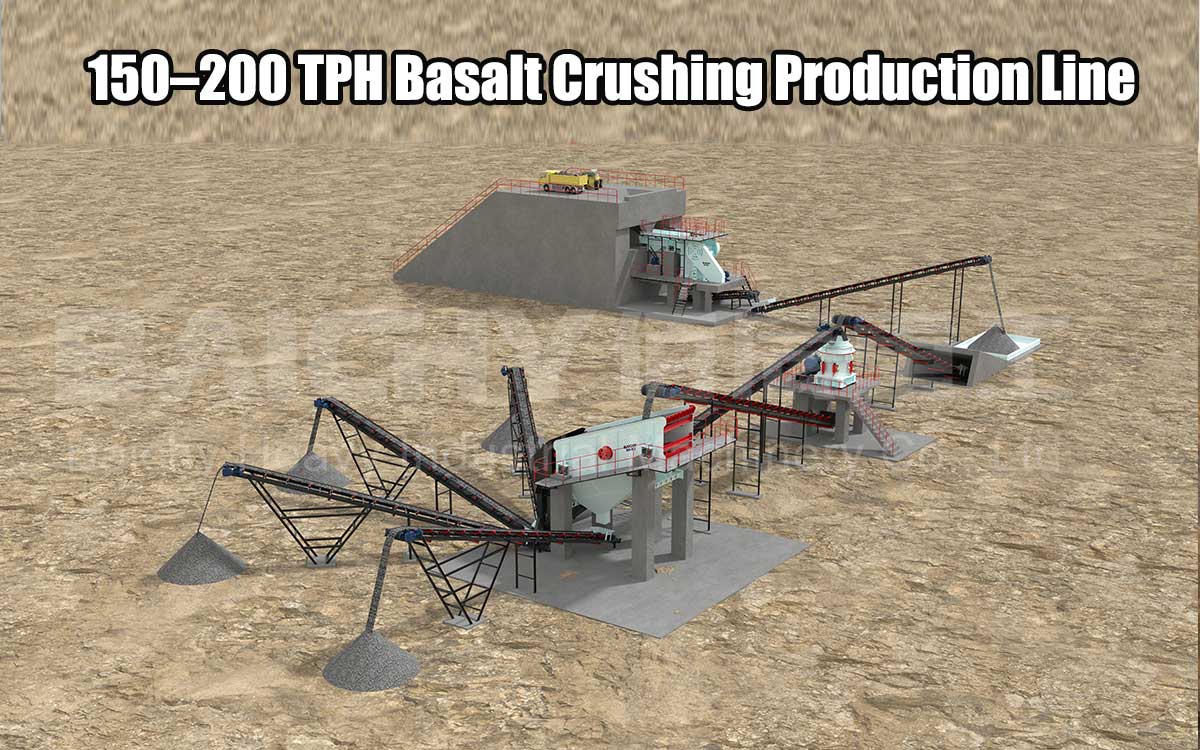

In the mining machinery trade, the "Crusher Capacity (TPH)" cited by many manufacturers often represents merely a "nominal capacity" achieved under laboratory conditions. However, for mine operators, the true determinant of Return on Investment (ROI) is the "effective operational capacity"—the actual throughput achieved when processing hard rock or high-moisture materials during continuous operation.
Baichy Heavy Industry adheres to a design philosophy of "no inflated ratings" and "high performance margins." We provide more than just a TPH figure; we deliver a robust system engineered to guarantee that hourly output targets are consistently met.
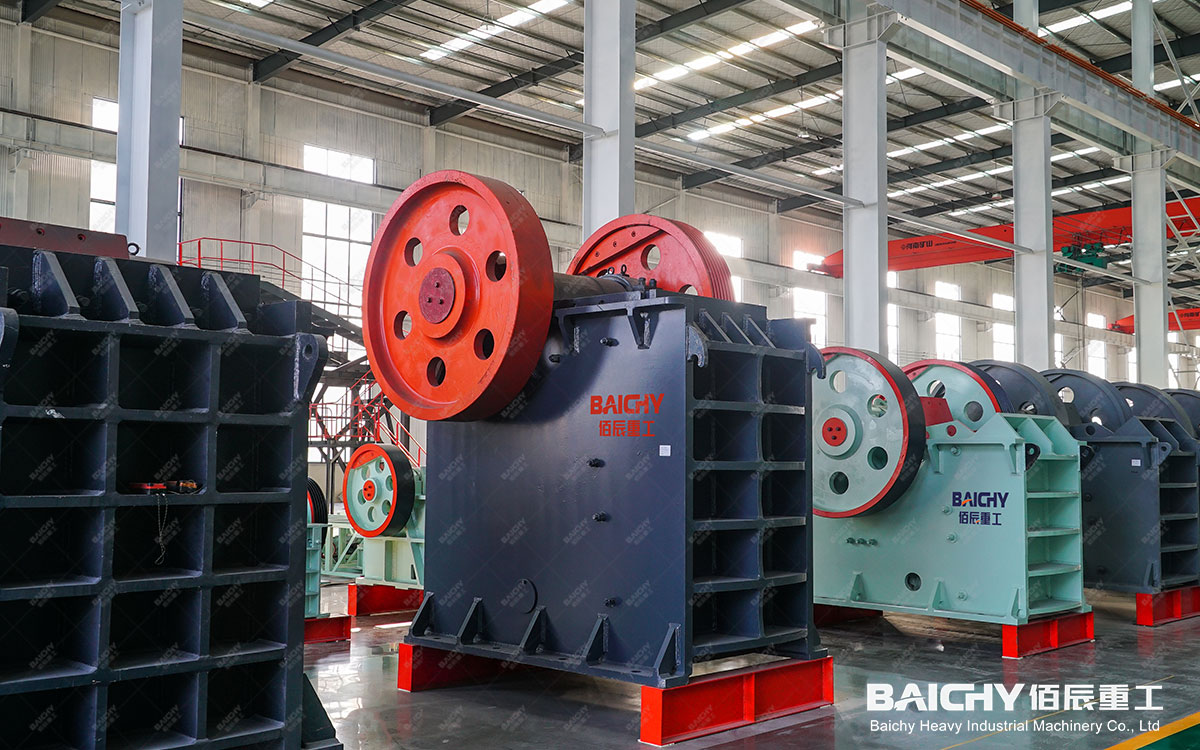
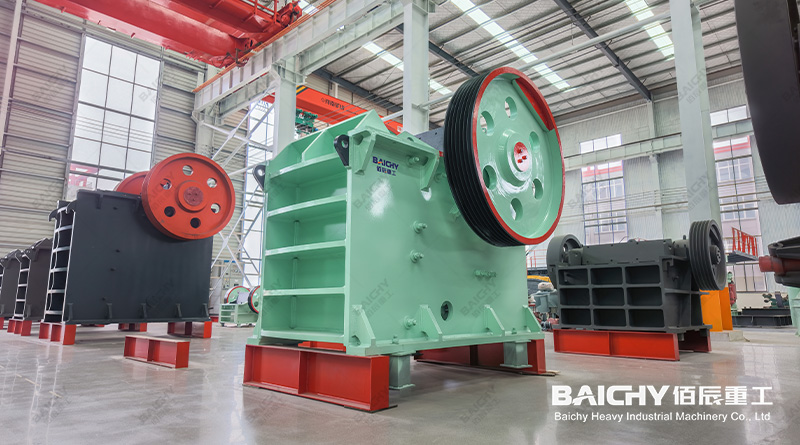
PE series Jaw Crusher
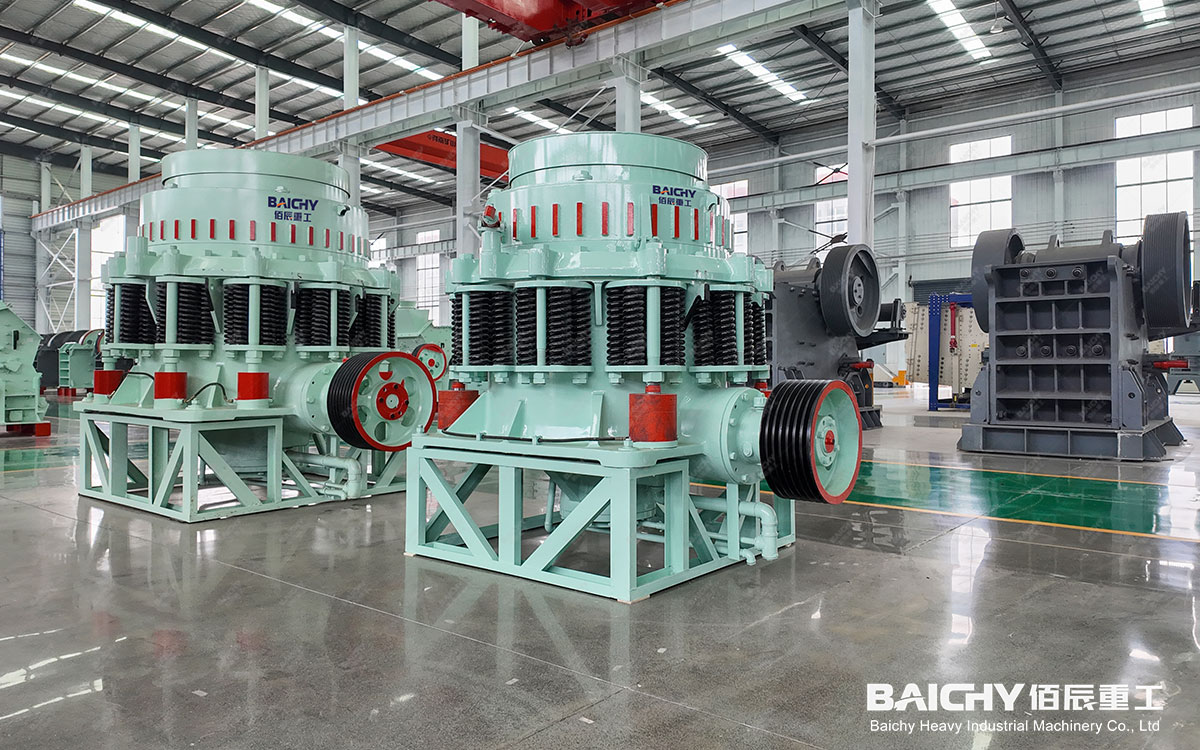
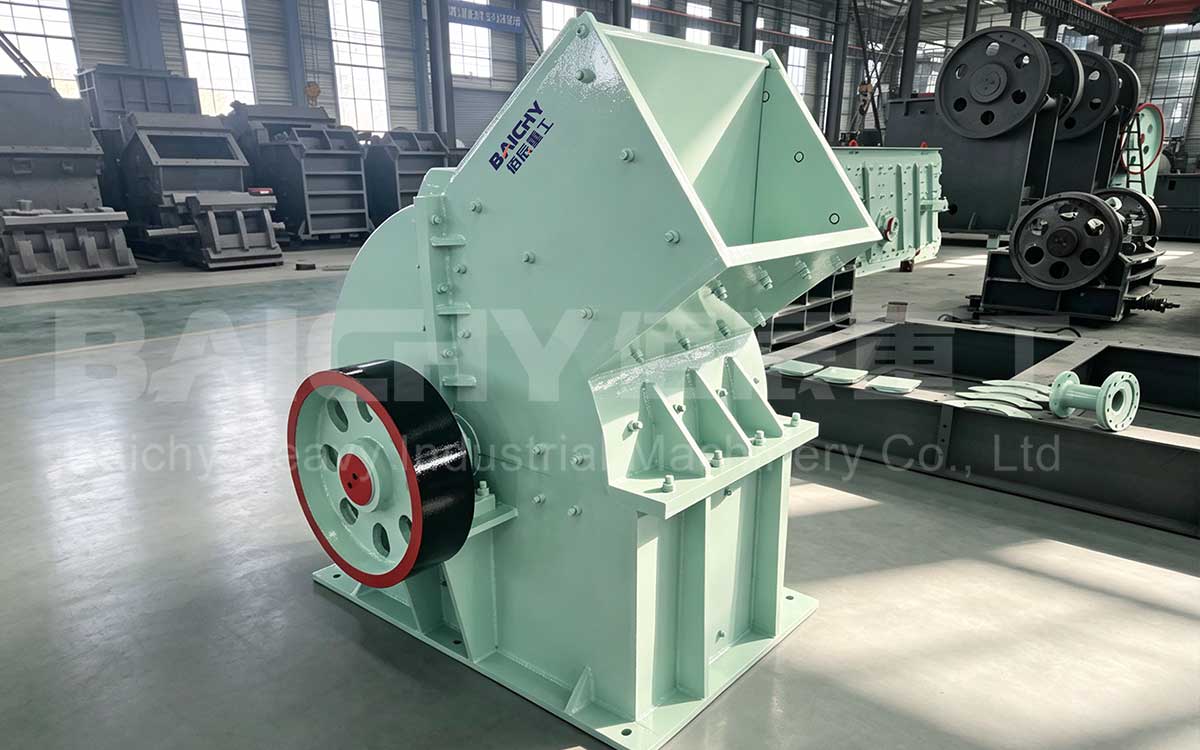
Symons Cone Crusher
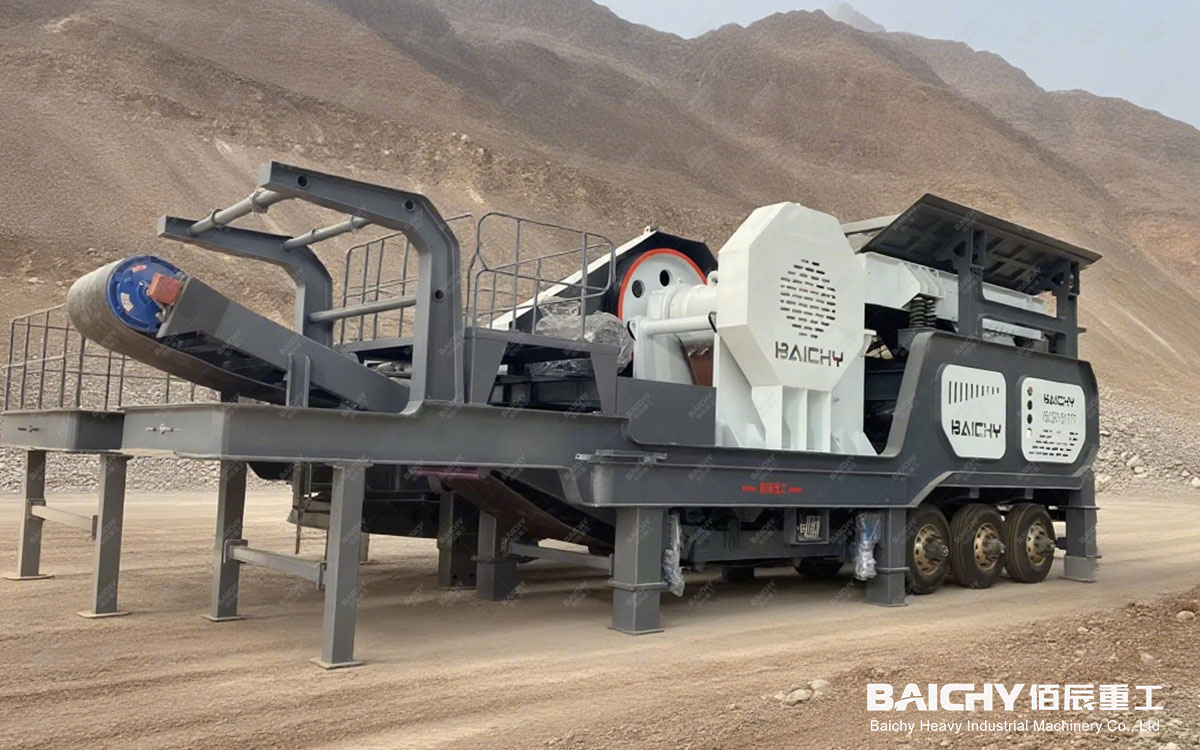
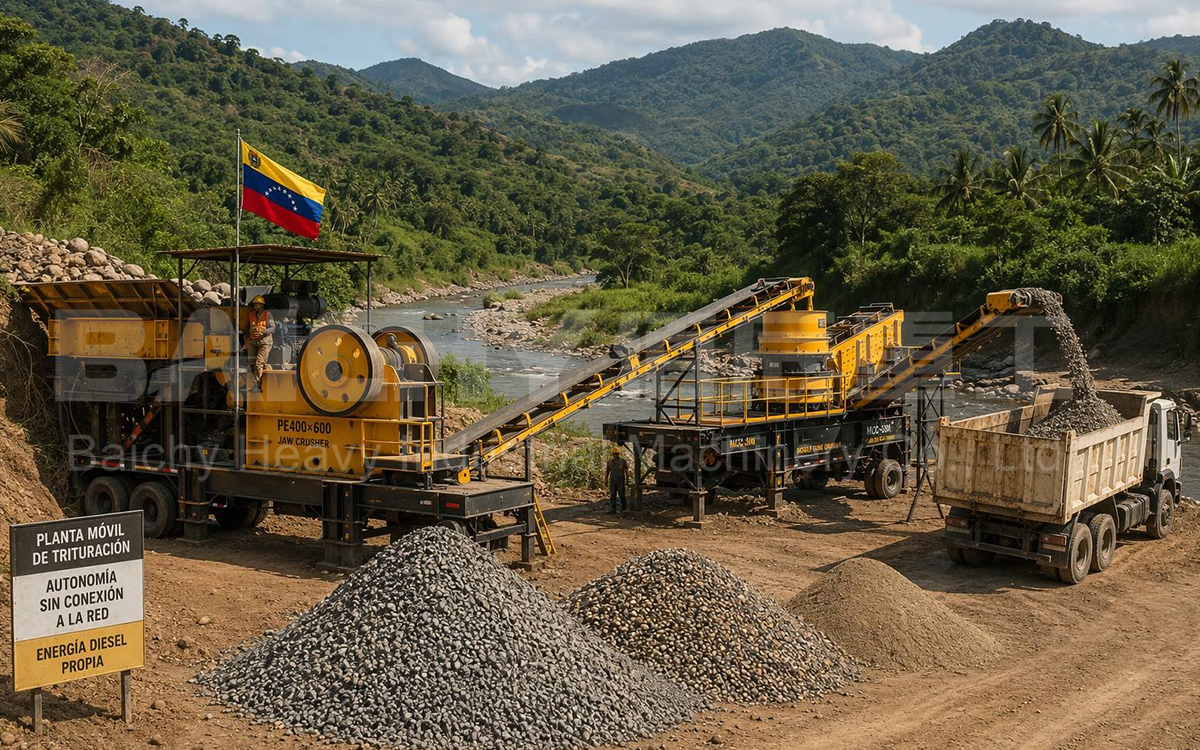
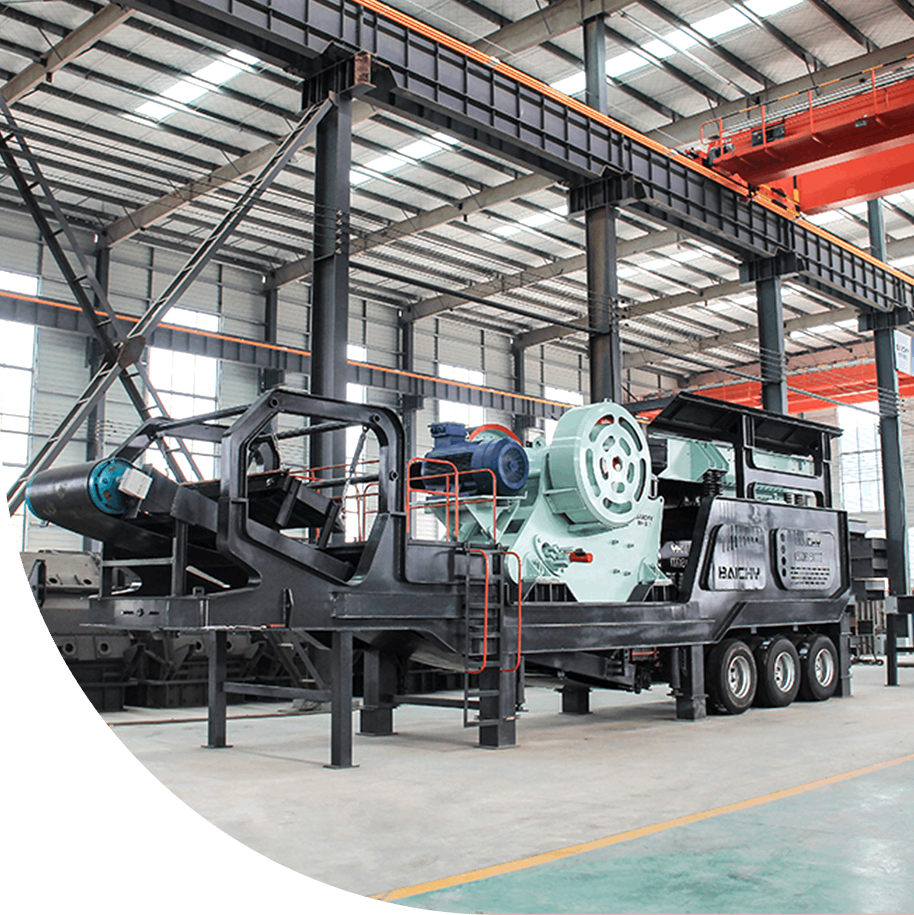
PYDZ SERIES Mobile Jaw Crusher
I. Core Analysis: What Factors Are Quietly "Devouring" Your TPH?
If your crusher is failing to meet expected TPH targets, it is often because the following three variables have been overlooked:
• Material Characteristics (Mohs Hardness & Feed Gradation): When using the same jaw crusher, the difference in TPH between processing basalt and limestone can be as high as 40%.
• Closed Side Setting (CSS): Pursuing a finer product requires a narrower CSS, which directly results in reduced TPH. Through optimized crushing chamber design, Baichy Heavy Industry achieves a 15% higher throughput than comparable products at the same discharge size.
• Transmission Efficiency: Low-quality motors or belt slippage cause fluctuations in rotational speed, leading to a "shrinkage" in capacity. Our entire product line is equipped with high-torque motors (Siemens/ABB class) to ensure "zero-loss" power transmission.
II. Baichy Heavy Industry Crusher Series: TPH Performance Matrix
We have optimized production capacities across different tiers to suit various project scales:
| Product Series | Capacity Range (TPH) | Core Applications | Technical Highlights |
| PE Series Jaw Crusher | 10 – 800 TPH | Primary crushing, hard rock processing | Deep crushing chamber, high reduction ratio, Mn18Cr2 wear-resistant parts |
| PEX Series Fine Jaw Crusher | 5 – 100 TPH | Secondary crushing, pre-processing for manufactured sand | High-speed eccentric shaft, increased crushing frequency per unit of time |
| PYB/CS Cone Crusher | 50 – 500 TPH | High-hardness materials (basalt/river stone) | Hydraulic chamber clearing, ensuring stable TPH under extreme loads |
| YDPZ Mobile Crushing Station | 50 – 300 TPH | Construction waste, multi-site mining operations | Ship-shaped chassis reduces vibration loss; ready for immediate operation |
III. Practical Insights: How to Choose the Right TPH for Your Project?
• 50–100 TPH (Small-scale/Startup projects): Focus on equipment flexibility and low maintenance costs. Recommended: Baichy 400x600 or 600x900 Jaw Crusher.
• 200–300 TPH (Recommended configuration: PE600x900 Jaw Crusher [primary crushing] + PF1315 Impact Crusher [secondary/fine crushing]).
Baichy Advantage: Our impact crusher rotors undergo precise dynamic and static balancing tests. Even under a full load of 300 TPH, machine vibration remains minimal, preventing unplanned downtime caused by mechanical fatigue.
• 500 TPH+ (Large-scale mines/national infrastructure projects): Focuses on "maximum single-unit capacity" and "digital management."
Recommended configuration: Fully hydraulic cone crusher + large-scale vibrating feeder system.
Baichy Advantage: Equipped with a Siemens PLC automation control system for real-time feed rate monitoring. If the crushing chamber draws excessive current, the system automatically adjusts the feeding frequency to stabilize the TPH curve, preventing production stoppages due to blockages—which could otherwise result in losses amounting to millions.
IV. Core Technology: How Baichy Heavy Industry Maximizes Every Ton of Capacity
We don't just stack specifications; we optimize structures. To ensure tangible TPH performance, Baichy Heavy Industry has implemented the following design improvements:
• Deep V-Shaped Cavity Design (Deep Cavity Technology): The jaw crusher cavity angle has been refined through tens of thousands of simulations to ensure material flows without "dead zones." This means that at the same operating speed, our throughput is 15%–20% higher than that of traditional models.
• Mn18Cr2 High-Manganese Steel Wear Parts: A drop in TPH often stems from increased clearances caused by jaw plate wear. Baichy Heavy Industry utilizes a specialized high-chromium-manganese alloy that extends the wear life by 30%, allowing the equipment to remain in its "high-efficiency zone" for longer periods.
• Dual-Power System (Electric/Diesel): For mining areas with unstable power supplies, our mobile crushing stations support switching between the external grid and diesel generators. Uninterrupted power means continuous TPH output.
V. FAQ
Q: Why is my crusher rated for 100 TPH, but the actual output is only... 70 TPH?
A: This is usually caused by uneven feed particle size or excessive moisture content. Baichy Heavy Industry recommends installing a pre-screening feeder at the feed end to remove fines beforehand; this ensures the crusher performs only "productive work," thereby instantly recovering the lost 30% of production capacity.
Q: How do I calculate the ideal TPH capacity for my needs?
A: We recommend applying the "1.2x safety margin rule." If your target is a daily output of 2,000 tons based on an 8-hour workday, you require a capacity of 250 TPH. To account for fluctuations, you should select a model with a rated capacity of 300 TPH.