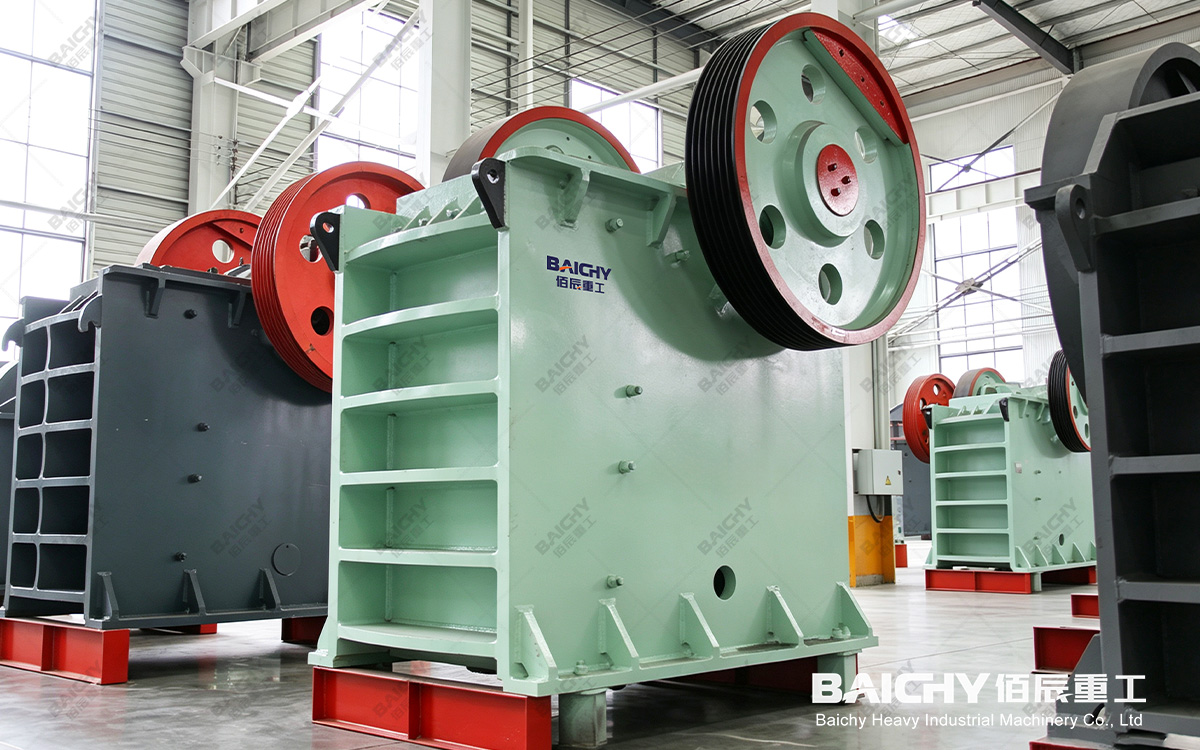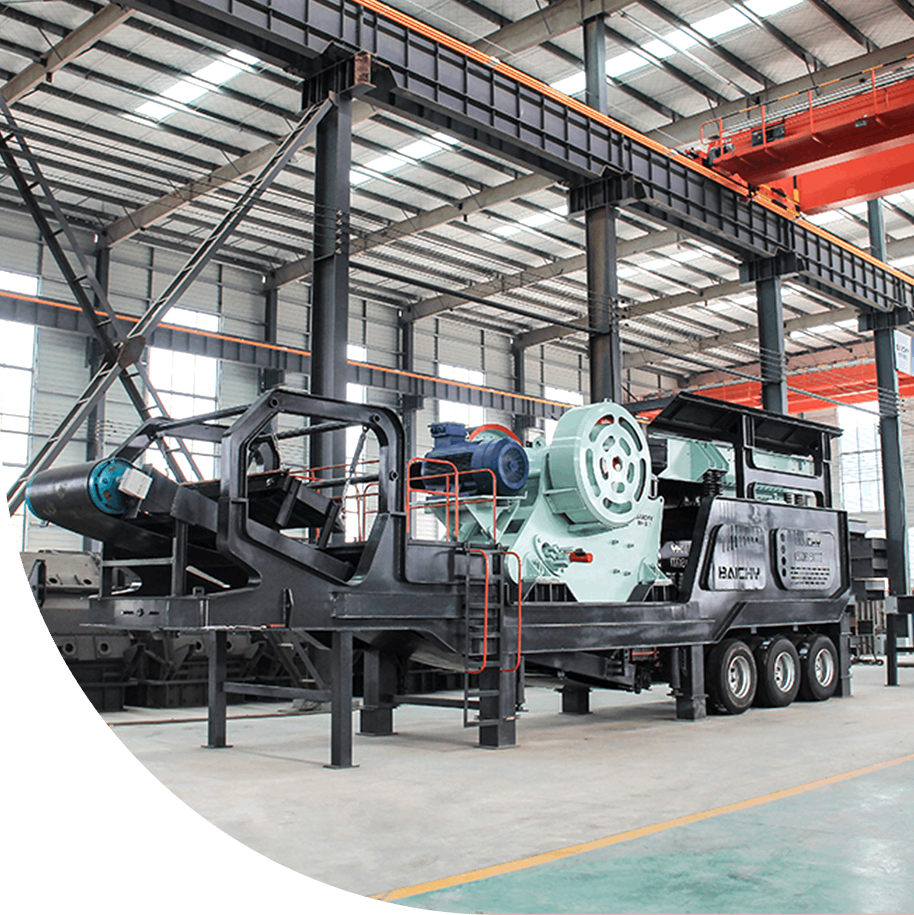

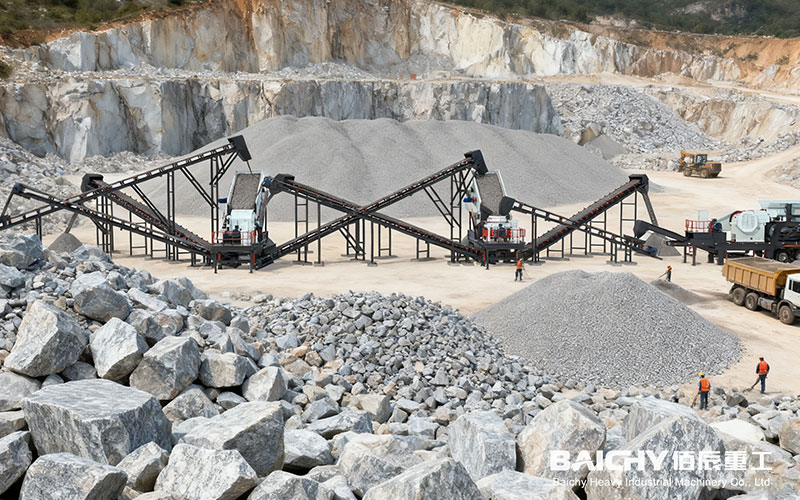
Limestone Mobile Crushing Site
Mobile Limestone Crushing Station: A Flexible and Efficient "Mobile Crushing Plant" Solution
A Mobile Limestone Crushing Station is a vehicle-mounted crushing unit that integrates feeding, crushing, screening, and conveying systems into a single machine. It is specifically designed for the efficient and flexible processing of medium-to-low hardness materials, such as limestone. Breaking away from the reliance of traditional fixed production lines on specific sites and infrastructure, this unit effectively brings the "crushing plant" directly to the raw material source. This enables an operational mode where "the crushing station goes wherever the raw materials are," making it particularly well-suited for quarries, infrastructure projects, and resource recycling initiatives.

Baichy E-Catalog PDF,Download ↓↓↓
I. Equipment Overview: What is a Mobile Limestone Crushing Station?
The core design philosophy behind the Mobile Limestone Crushing Station centers on integration and mobility. It consolidates the various modules typically found in traditional fixed production lines—such as jaw crushers, impact crushers (or cone crushers), vibrating screens, and belt conveyors—onto a single wheeled or crawler chassis, thereby creating a complete, self-contained mobile crushing and screening unit.
1. Core Configuration and Working Principles
Depending on the specific crushing process requirements, mobile stations are typically categorized into primary crushing stations (featuring jaw crushers), secondary/tertiary crushing stations (featuring impact or cone crushers), and screening stations. Given the characteristics of limestone—specifically its moderate hardness and low abrasiveness—the industry generally recommends a combined solution utilizing a "Mobile Jaw Crusher + Mobile Impact Crusher" configuration.
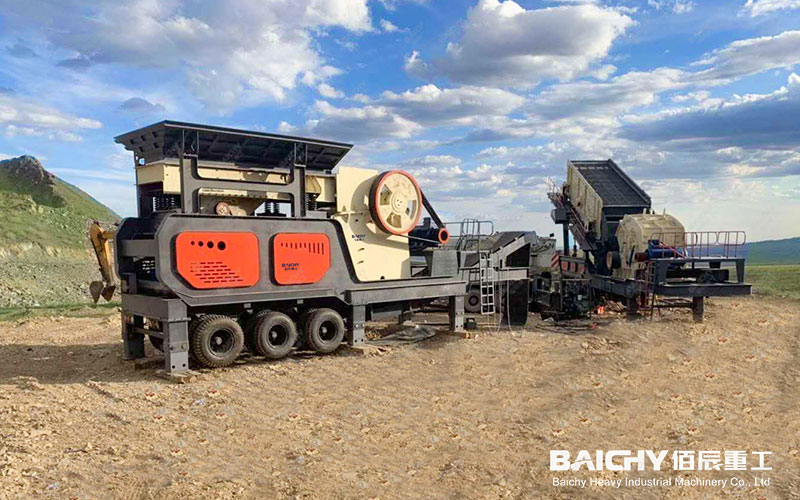
Mobile Jaw Crusher + Mobile Impact Crusher
- Primary Crushing Unit: Employs a deep-cavity jaw crusher to process large blocks of raw ore (with feed sizes reaching up to 800 mm), providing appropriately sized raw materials for subsequent processing stages.
- Secondary/Tertiary Crushing Unit: Utilizes an impact crusher to crush materials through the application of impact energy. This process yields finished products with a cubic shape and low needle-and-flaky content, making them ideal for the production of high-quality aggregates.
- Power System: Supports a dual-power drive system—capable of operating via either a diesel generator set or an external mains power supply—to ensure adaptability within the complex power supply environments often encountered in mining areas.
2. Equipment Type Selection
| Chassis Type | Applicable Scenarios | Advantages | Recommended Model Examples |
| Crawler-type Mobile Station | Mining operations, complex terrain, frequent site transfers | Features self-contained crawler tracks; strong climbing capability; remote-controllable; requires no towing vehicle | Crawler-type Impact Crushing Station (e.g., I-13DS Series) |
| Wheel-type Mobile Station | Relatively flat sites, road-based transfers, temporary projects | Low transport height; requires a towing vehicle for site transfers; relatively lower cost | Wheel-type Mobile Jaw Crushing Station (e.g., YDPZ Series) |
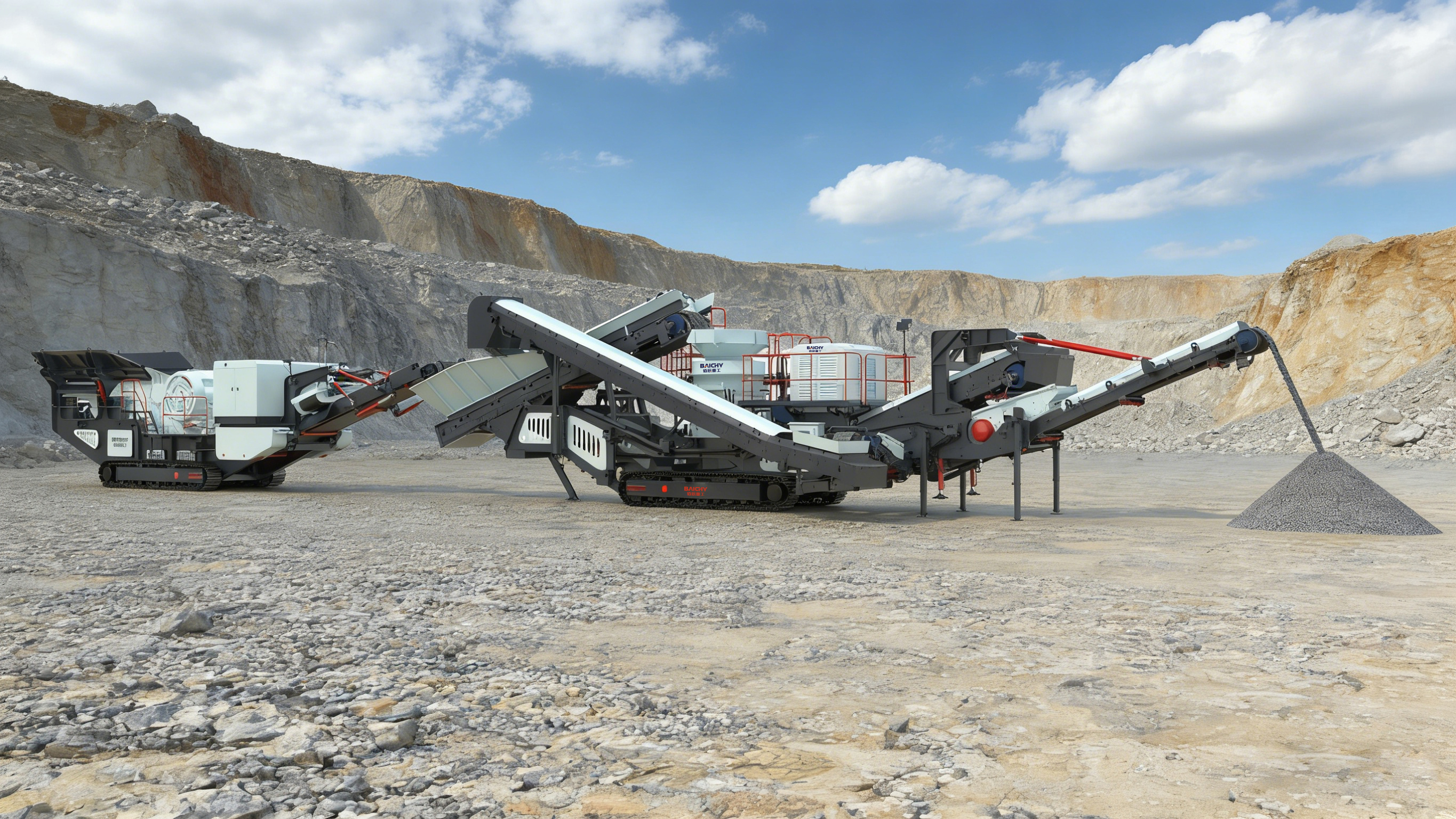
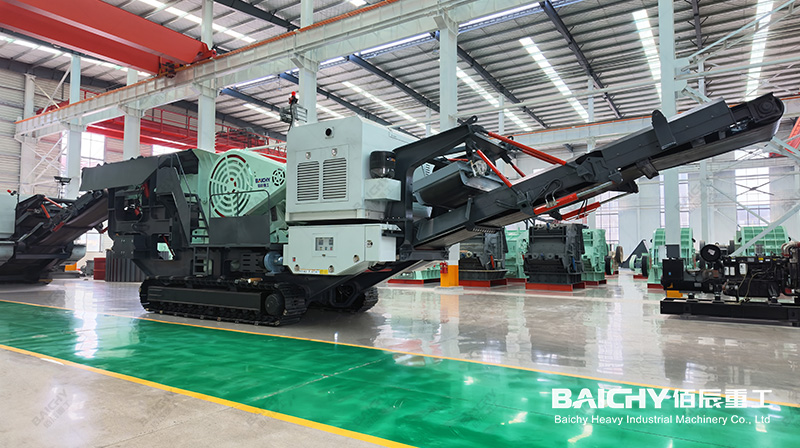
Crawler Limestone Crushing Plant
II. Application Scenarios: Where are Mobile Limestone Crushing Stations Needed?
The inherent flexibility of mobile crushing stations has enabled them to replace fixed production lines in numerous fields, establishing them as the preferred solution for limestone processing.
1. Limestone Mines and Quarries
In open-pit limestone mines, the active mining face is constantly advancing. Mobile stations can be deployed directly to the excavation face, enabling "crushing-as-you-mine" operations. This significantly reduces the haulage distance for mining trucks as well as fuel costs. For instance, a large limestone mine in Mexico utilized a customized NKT-series mobile station, achieving an hourly output of 150 tons; requiring no complex infrastructure, the unit was fully operational within 24 hours.
2. Infrastructure Construction (Highways, Railways, Bridges)
Highway and railway sub-bases require vast quantities of limestone aggregates. Mobile stations can be deployed directly along the construction route to process tunnel spoil or nearby mountain rock sources *in situ*. This allows for the direct supply of project requirements, thereby avoiding the skyrocketing costs and traffic congestion associated with long-distance transportation.
3. Construction Waste and Tailings Recycling
Solid waste generated by urban demolition—such as concrete blocks and masonry—possesses physical properties similar to those of limestone. Mobile stations can access demolition sites to crush this construction waste into recycled aggregates, which can then be used for brick manufacturing or road sub-base backfilling, effectively "turning waste into valuable resources."
4. Raw Material Preparation for Cement Plants and Batching Plants
Cement production requires substantial quantities of limestone raw materials. Mobile stations offer the flexibility to adjust output particle sizes (e.g., 0–5 mm, 5–15 mm), allowing them to feed directly into cement mills or concrete batching plants, thereby enabling self-sufficiency in raw material supply.
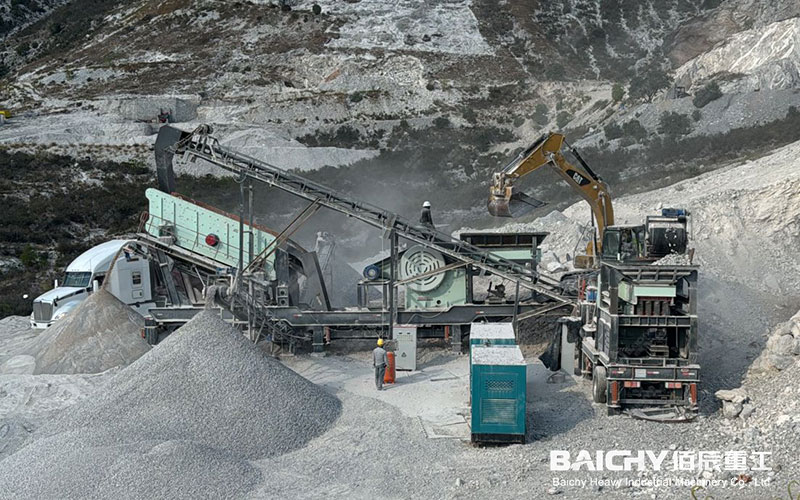
III. Core Advantages: Why Choose a Mobile Crushing Station for Limestone Processing?
Compared to fixed production lines, mobile limestone crushing stations offer the following distinct advantages:
1. Unparalleled Mobility
◦ Rapid Relocation: Track-mounted mobile stations can move freely within the mining area, while wheel-mounted stations can be towed by trucks for relocation, effectively resolving the challenges associated with fixed production lines—specifically, the difficulty of "establishing a plant" and "relocating facilities."
◦ Shortened Project Duration: Upon arrival at the site, the equipment requires no foundation work or plant construction; typically, commissioning can be completed and production can commence within 24 hours, significantly shortening the return-on-investment cycle.
2. Significant Comprehensive Cost Advantages
◦ Reduced Transport Costs: By crushing raw materials directly at the source—transforming large blocks of stone into smaller aggregate particles—the number of outbound transport trips and associated costs are drastically reduced (overall costs can be lowered by 20%–30%).
◦ Reduced Infrastructure Investment: Eliminates the need for civil engineering expenses, such as steel structural frameworks and concrete foundations.
3. Efficient Crushing Optimized for Limestone Characteristics
◦ Superior Particle Shape: Utilizing the principle of impact crushing, the impact crusher is particularly well-suited for processing limestone of medium-to-low hardness; the resulting aggregate features a rounded particle shape and optimal gradation, commanding high market value.
◦ Flexible Configuration: Depending on specific limestone characteristics—such as clay content and moisture levels—the system can be flexibly configured with pre-screening or dust removal devices to ensure the stable and reliable operation of the production line.
4. Environmental Friendliness and Intelligent Operation
◦ Green Production: The equipment can be fitted with enclosed covers and pulse dust removal systems to effectively control dust emissions, thereby meeting strict environmental discharge standards.
◦ Intelligent Control: Incorporates a PLC control system that enables one-touch start/stop functionality, remote monitoring, and fault diagnostics, thereby lowering the technical skill requirements for operating personnel.
IV. Technical Parameters and Selection Reference
The table below lists typical configuration parameters—exemplified by a mobile limestone crushing station with an hourly output of 150–200 tons—to serve as a reference for equipment selection:
| Parameter Item | Coarse Crushing Unit (Wheel-mounted Jaw Crusher) | Medium & Fine Crushing Unit (Track-mounted Impact Crusher) |
| Main Machine Model | PE600×900 Jaw Crusher | PF1214 / PFW1214 Impact Crusher |
| Feed Size | ≤500mm | ≤300mm (After coarse crushing) |
| Processing Capacity | 80–150 t/h | 120–200 t/h |
| Discharge Size | 75–200mm (Adjustable) | 0–31.5mm (Multi-grade finished products) |
| Power Configuration | Diesel Engine / Electric Motor: 110–132kW | Diesel Engine / Electric Motor: 132–160kW |
| Chassis Type | Wheel-mounted (Requires towing) | Track-mounted (Self-propelled) |
| Core Advantages | Large feed opening, high crushing ratio, robust structure | Excellent finished product shape, supports integration with a return system for closed-circuit operation |
Note: Specific parameters require customized adjustment based on material hardness, moisture content, and finished product specifications.
V. Practical Application Cases
Case 1: Guatemala — Highway Aggregate Project (Hourly Output: 180–250 tons)
• Background: The client is a building materials company in Guatemala, primarily supplying surface course aggregates for highway construction projects.
• Solution: A combined solution utilizing a "Wheel-mounted Jaw Crushing Mobile Station + Track-mounted Impact Crushing Mobile Station" was adopted.
• Results: Upon arrival at the site, the equipment was quickly commissioned and put into production. The system produced three aggregate specifications—0–5mm, 5–16mm, and 16–31.5mm—which were supplied directly to the concrete mixing plant. By eliminating intermediate raw material transport stages, production costs were significantly reduced, establishing the facility as a model production line in the region.
Case Study 2: Russia—2,800–3,500 TPD Limestone Crushing Line
• Background: A European client required a solution to process raw limestone and tailings to produce high-quality construction aggregates.
• Solution: We configured a system utilizing MPEX series track-mounted mobile impact crushers and cone crushers, establishing a closed-circuit, two-stage crushing process.
• Results: The equipment demonstrated high mobility, moving in tandem with the mining face. Additionally, it was equipped with an advanced dust suppression system, enabling eco-friendly and highly efficient production, while the quality of the finished aggregates met stringent European standards.
Case Study 3: Mexico—Customized Mobile Crushing Station for a Quarry
• Background: A quarry in Mexico needed to address the challenges of multi-zone mining operations and the requirement for rapid site-to-site relocation.
• Solution: We provided a customized four-unit mobile crushing station configuration (integrating feeding, primary crushing, secondary crushing, and screening into a single cohesive system).
• Results: The integrated design significantly reduced transportation costs. The equipment was commissioned and operational within 24 hours of arriving on-site, maintaining a stable hourly output of 150 tons—thereby successfully meeting the client's dual requirements for both efficiency and operational flexibility.
VI. Recommended Equipment (From the Manufacturer's Perspective)
As a professional manufacturer of mining equipment, we recommend the following core equipment series specifically for limestone processing applications:
1. YDPZ Series Wheel-Mounted Mobile Crushing Stations
◦ Features: Modular design; a comprehensive range of models covering primary, secondary, and tertiary crushing stages; easy site-to-site relocation; and high cost-effectiveness. Ideal for road-based transfers and temporary project sites.
◦ Applications: Small to medium-sized quarries; construction waste processing.
2. YDPZ Series Track-Mounted Mobile Impact Crushing Stations
◦ Features: Heavy-duty track chassis with superior climbing capabilities; equipped with high-performance impact crushers (e.g., the PFW European-style series) that produce aggregates with excellent particle shape; features intelligent remote control operation.
◦ Applications: Large-scale mining operations; complex terrain environments; projects with strict requirements for aggregate quality.
3. YDPZ Series Track-Mounted Mobile Cone Crushing Stations
◦ Features: Recommended for limestone deposits with high silica content or elevated hardness levels. These units utilize hydraulic cone crushers, offering extended service life for wear parts and resulting in lower operating costs.
◦ Applications: Processing highly abrasive limestone; secondary crushing of high-hardness materials.
VII. Frequently Asked Questions (FAQ)
Q1: When processing limestone with a mobile crushing station, should I choose an impact crusher or a cone crusher?
A1: An impact crusher is the preferred choice. Limestone is a material of medium-to-low hardness; impact crushers utilize impact energy for crushing and offer advantages such as a high crushing ratio, excellent product shape (producing a high proportion of cubical particles), and convenient maintenance. A cone crusher should only be considered if the limestone is highly abrasive (e.g., due to high silica content) or if production volume requirements are extremely high and a slightly less ideal particle shape is acceptable.
Q2: Approximately how much does a mobile limestone crushing station with a capacity of 100 tons per hour cost?
A2: The price of a mobile station is heavily influenced by its configuration (wheel-mounted vs. crawler-mounted, single-unit vs. combined-unit setup, and power source). Generally speaking, the reference price range for a single-unit, crawler-mounted impact crushing station with a capacity of around 100 tons per hour falls between $700,000 and $1.2 million USD (or the equivalent in RMB). A specific quotation must be determined based on a detailed configuration list.
Q3: How much manual labor is required to operate a mobile station? Is the maintenance complex?
A3: Modern mobile stations feature a high degree of automation. Typically, only 1–2 operators are needed to manage the entire production line (via remote control or a central control console). Regarding maintenance, the primary focus is on the periodic replacement of wear parts (such as impact crusher blow bars and screen meshes); since the equipment is usually equipped with a centralized lubrication system, the workload for routine daily maintenance is relatively light.
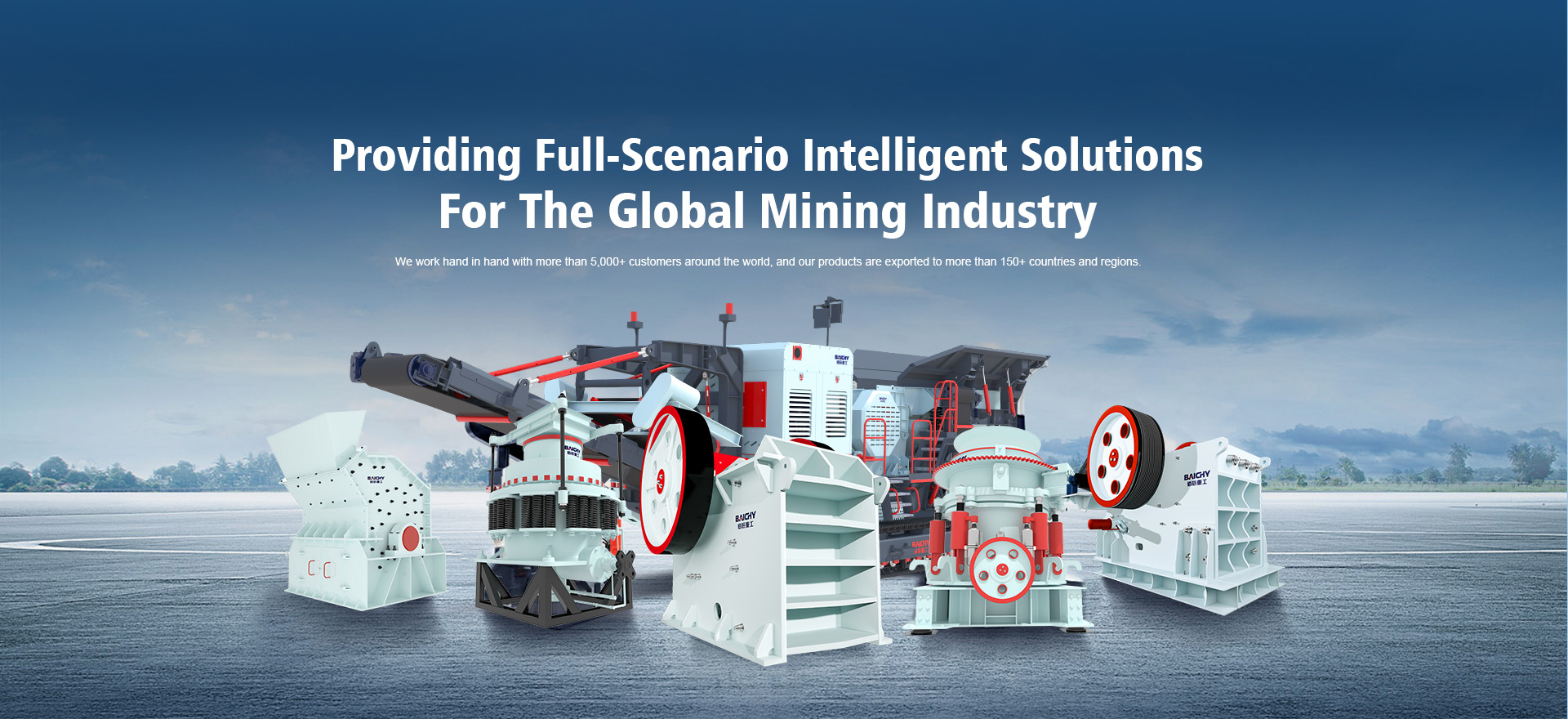
About of Baichy Heavy Industry
Baichy Heavy Industry is a high-tech mining equipment company integrating R&D, manufacturing, sales, and after-sales service. Focusing on crushing, grinding, and mineral processing equipment, we provide professional solutions to our customers. We are ISO9001:2015 、certified, and our products include mobile crushing palnts, crawler crushing plant, construction waste crushing plants, jaw crushers, sand making machines, cone crushers, fine crushers, grinding mills, ball mills, etc., all with reliable performance to meet diverse project needs.
Our advantages:
• Professional pre-sales support: Free project design and comprehensive solutions to help you accurately select the right equipment;
• Comprehensive on-site service: Providing installation guidance and worker training to ensure smooth equipment commissioning;
• Reliable after-sales guarantee: A complete after-sales system, timely response to technical inquiries and equipment maintenance, ensuring long-term stable operation.
To protect your rights, please contact us through the following official channels for professional service:
Official Website Customer Service
https://wa.me/+8615093222637
Email: [email protected]
We are committed to providing high-quality equipment and full-cycle services to deliver comprehensive intelligent solutions for the global mining industry!