
A Comprehensive Guide to Impact Crusher Blow Bars
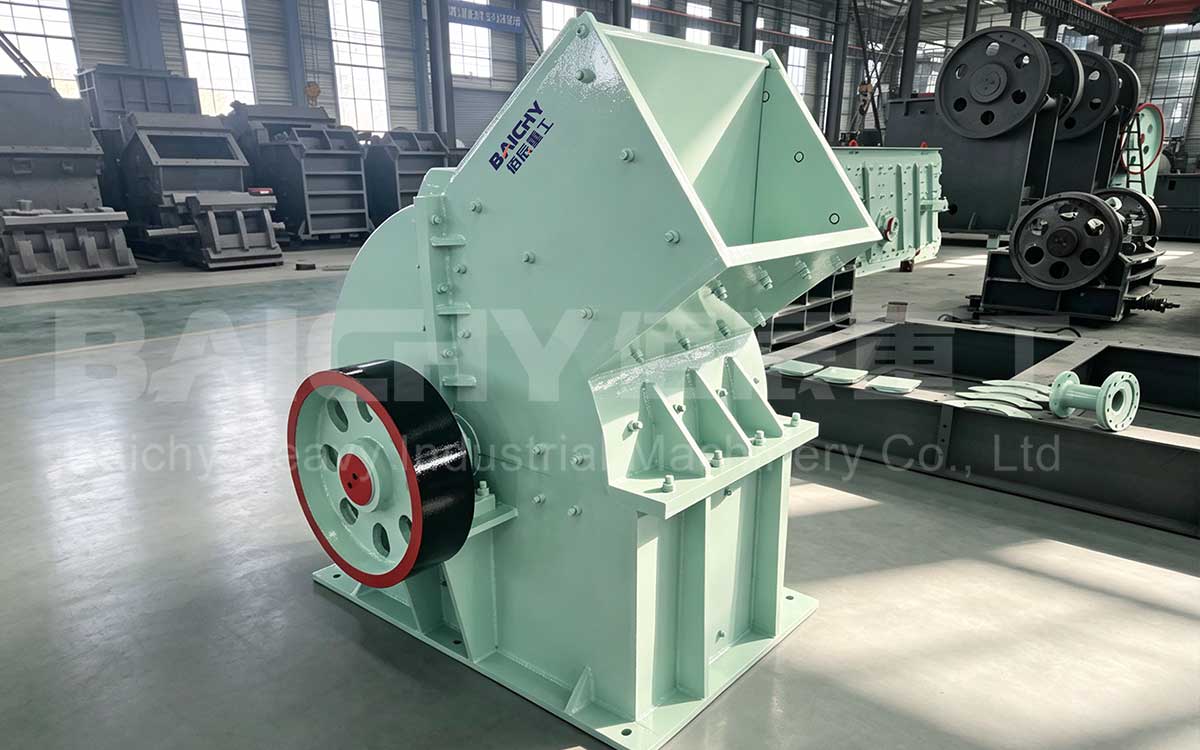
The impact crusher is a widely utilized piece of medium-to-fine crushing equipment in industries such as mining, construction materials, and metallurgy. It is highly favored for its advantages, including a large crushing ratio, excellent product particle shape, and relatively low energy consumption. Within this highly efficient machine, the blow bar—or impact hammer—undoubtedly serves as the most critical wear part and the operational "heart" of the unit. The quality, material composition, and service life of the blow bars directly determine the impact crusher's production efficiency, operating costs, and the quality of the final product. This article will provide an in-depth analysis of key aspects regarding impact crusher blow bars to help you make more informed decisions.
I. Blow Bars: Definition and Analysis of Core Functions
The operating principle of an impact crusher involves a high-speed rotating rotor that drives the blow bars to strike the material fed into the machine; this process causes the material to fracture under the repeated combined forces of impact and the crusher's impact plates. As the components that make direct contact with the material and apply the crushing force, the performance of the blow bars is of paramount importance.
1.1 What Are Impact Crusher Blow Bars?
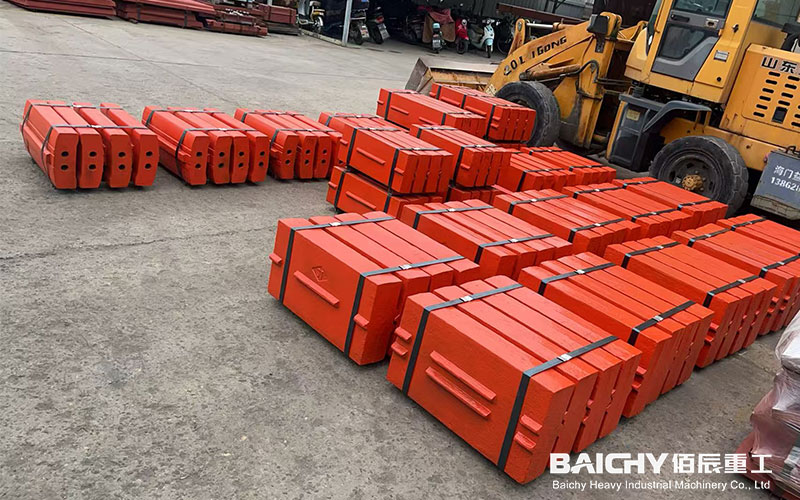
Blow bars—also referred to as striker bars or impact hammers—are critical wear-resistant components mounted onto the rotor of an impact crusher. Typically cast or forged from highly wear-resistant alloy materials, they are secured to the rotor's hammer mounts using bolts or wedges. During operation, the blow bars strike the material at extremely high linear speeds, subjecting them to immense impact forces, abrasive wear, and thermal stress.
1.2 The Core Functions of Blow Bars
• Executing the Crushing Function: They directly strike and split the material, acting as the primary agents responsible for the actual crushing action.
• Influencing Product Particle Shape: The wear status and linear speed of the blow bars directly affect the uniformity of the discharge particle size and the overall particle shape (specifically, the cubic content).
• Determining Equipment Efficiency: Blow bars with high wear resistance maintain their effective working dimensions for longer periods, thereby ensuring sustained crushing capacity and throughput.
• Impacting Operating Costs: As a primary wear part, the service life of the blow bars dictates their replacement frequency, making them a major component of the equipment's overall maintenance costs.
II. The Four Core Advantages of High-Quality Blow Bars
Selecting high-quality blow bars can deliver immediate and tangible improvements to the efficiency of your production line.
1. Exceptional Wear Resistance, Doubled Service Life: By utilizing high-end alloy materials (such as high-chromium cast iron and multi-element alloy steel) combined with advanced heat treatment processes, the working surfaces of the blow bars achieve exceptional hardness and toughness. This results in a wear resistance improvement of over 50% compared to standard materials, significantly extending the replacement cycle.
2. Stable and Efficient Operation, Guaranteed Output: Superior wear resistance ensures that the working dimensions of the blow bars remain stable over extended periods. This guarantees consistent discharge opening sizes and crushing efficiency in the impact crusher, thereby preventing the decline in output often caused by material wear.
3. Reduced Overall Costs: Although the initial purchase price of a single premium blow bar may be higher, its exceptionally long service life significantly lowers the blow bar consumption cost per ton of crushed material. Furthermore, it reduces the frequency of downtime required for replacements, offering overall economic benefits that far outweigh those of cheaper alternatives.
4. Safe, Reliable, and Consistent Quality: A rigorous quality control system—spanning from casting and heat treatment to precision machining—eliminates internal defects such as cracks and shrinkage cavities. This guarantees the operational safety of the blow bars under high-speed impact conditions, mitigates the risk of fragmentation, and ensures consistent performance across every batch of products.
III. How to Select the Appropriate Blow Bar Material Based on the Crushed Material?
Different types of materials (such as granite, basalt, limestone, construction waste, etc.) induce varying wear mechanisms on blow bars. Selecting the appropriate material is the key to maximizing service life. The table below provides a clear reference guide for material selection:
| Material Type | Characteristics | Recommended Blow Bar Material | Advantages |
| High-Hardness, Abrasive Materials | Granite, Basalt, River Pebbles | Ultra-High Chromium Cast Iron (Cr26) | Extremely high hardness (HRC ≥ 58) and excellent wear resistance; capable of withstanding strong impacts and severe abrasion. |
| Medium-Hardness, Corrosive Materials | Limestone, Dolomite, Slag | High Chromium Cast Iron (Cr20) or Multi-Element Alloy Steel | A combination of good wear resistance and moderate toughness; offers excellent cost-effectiveness and strong resistance to corrosive abrasion. |
| Low-Hardness, Viscous Materials | Coal Gangue, Mudstone, Clay-rich Materials | Medium-Chrome Cast Iron Alloy or High-Toughness Alloy Steel | Focuses on toughness to prevent material adhesion and fracture caused by insufficient toughness, while simultaneously ensuring wear resistance. |
| Construction Waste / Concrete | Complex composition; contains foreign objects such as steel rebar | High-Toughness Alloy Steel or Composite Blow Bars | The core requirement is extremely high impact toughness and fracture resistance to withstand the instantaneous impact of uncrushable objects (e.g., iron blocks). |
Note: Composite blow bars typically refer to those manufactured using a composite process featuring a "tough material for the hammer body + ultra-high-hardness material for the hammer tip," thereby combining both toughness and wear resistance.
IV. Success Story: A Large-Scale Sand and Aggregate Production Line
Project Background: A project located in East China with an annual output of 5 million tons of high-quality sand and aggregates; the primary raw material is high-hardness granite.
Original Challenges: The use of standard-material blow bars resulted in a service life of only 120–150 hours per set. Frequent replacements severely hindered continuous production efficiency, increased labor intensity for workers, and led to high blow bar consumption costs per ton of crushed ore.
Our Solution: Following an on-site inspection by our engineers and a comprehensive material analysis, we recommended the use of our proprietary ultra-high-chrome cast iron (Cr28) blow bars, alongside an optimized design for the impact angle.
Results:
• Blow bar service life increased to over 380 hours—an extension of more than 150%.
• The production line's capacity for continuous operation was significantly enhanced, resulting in an increase of approximately 40 hours in effective monthly production time.
• Blow bar consumption costs per ton of crushed ore were reduced by approximately 35%, leaving the client highly satisfied with their return on investment.
V. Recommended Products and Services
• OEM-Matched Rotor Assemblies: We provide custom-engineered rotors that perfectly match our high-quality blow bars, ensuring precise dynamic balance and enabling the blow bars to achieve their maximum operational efficiency.
• Impact Plates / Side Liners: Also manufactured using high-chrome materials, these components form an optimal wear-resistant system in conjunction with the blow bars; replacing them simultaneously ensures maximum economic efficiency. • Professional Hardfacing Repair Services: For used blow bars where wear has not yet exceeded permissible limits, we offer on-site or factory-based hardfacing repair services. These services can restore over 85% of the original performance at a cost of only 30%–50% of a new part, making it an eco-friendly choice for reducing costs and boosting efficiency.
VI. Frequently Asked Questions (FAQ)
Q1: How many blow bars are typically in a set? How can I determine if they need to be replaced?
A1: The number of blow bars in a set depends on the specific model of the impact crusher and the size of its rotor; common configurations include 3, 4, 6, or 8 bars. You should consider flipping the bars to use the reverse side—or replacing the entire set—when the wear on the working surface reaches two-thirds of its original height, or when the discharge particle size becomes noticeably coarser and production output declines. We recommend performing regular inspections during scheduled downtime to prevent excessive wear from damaging the rotor body itself.
Q2: What precautions should be taken when installing new blow bars?
A2: First, the entire set of blow bars must be replaced simultaneously. Ensure that the weight difference between any two bars in the set remains within the specified tolerance (typically ±0.5 kg) to maintain the rotor's dynamic balance. Second, the fastening bolts must be tightened using a torque wrench in a diagonal sequence to the specified torque value; a thread-locking agent should also be applied. During the initial startup phase, run the crusher under a no-load condition for a period of time to check for any abnormal noises.
Q3: How should spare blow bars be stored to maintain their optimal condition?
A3: Blow bars should be stored in a dry, well-ventilated indoor environment to protect them from rain and moisture, thereby preventing rust. When stacking, avoid piling them too high; ideally, they should be placed on wooden pallets to prevent deformation or damage caused by gravity or physical impact. For long-term storage, consider applying a layer of anti-rust grease to the non-working surfaces of the blow bars.