
Aggregate Crushing and Processing Plant
An aggregate crushing plant is the heart of any quarry, mining site, or construction project that needs high-quality stone, gravel, or manufactured sand. For Baichy Heavy Industry, building a reliable aggregate processing plant is not just about crushing rocks — it is about engineering a complete system that turns raw boulders into profitable, specification-ready aggregates.
In this guide, we break down how an aggregate crushing plant works, the essential crushing plant equipment, typical capacity parameters, and the key factors that determine the success of your investment.
What Is an Aggregate Crushing Plant?
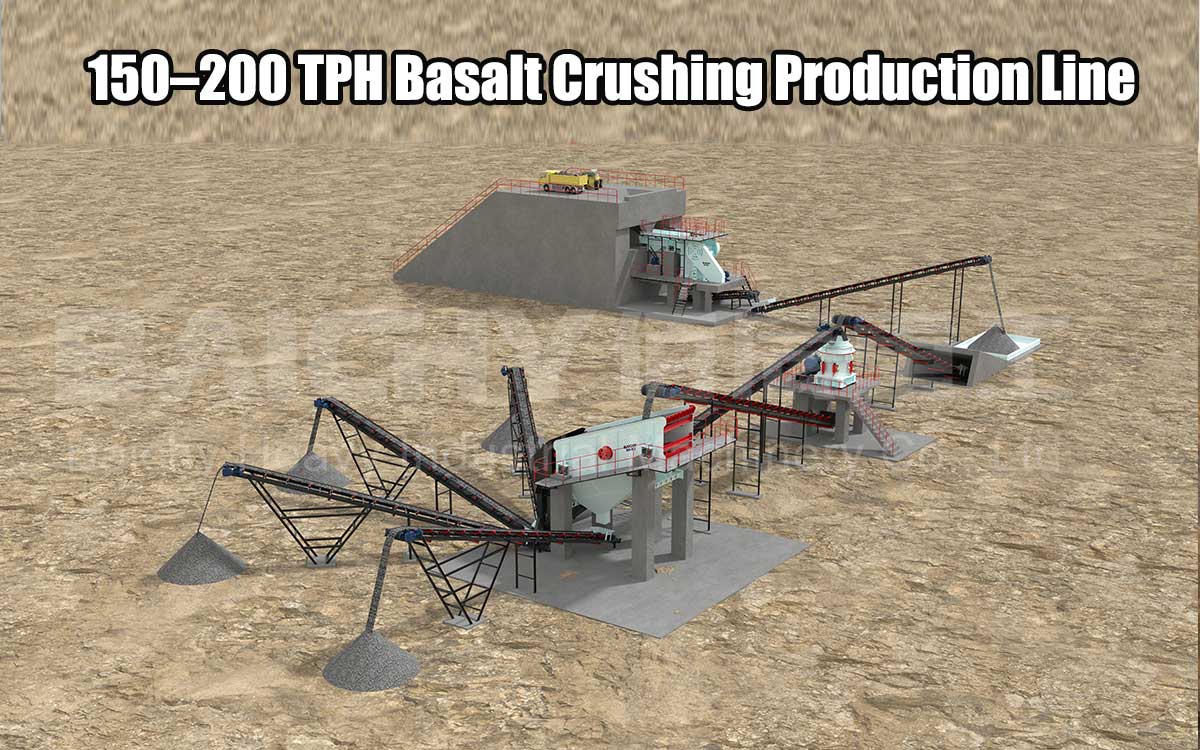
An aggregate crushing plant is a complete production line that reduces large stones, limestone, granite, basalt, and other rocks into graded aggregates used in concrete, road base, and asphalt. A modern aggregate processing plant combines feeding, crushing, screening, washing, and conveying into one efficient flow.
The main purpose is simple: produce consistent particle size, correct gradation, and clean final products that meet construction standards. Without a properly designed stone crushing plant, output quality drops and operating costs rise quickly.
Aggregate Crushing Plant
Key Stages in an Aggregate Processing Plant
Every aggregate crushing plant follows a similar core flow, though the exact configuration depends on the material hardness and the required final product.
1. Feeding and Grizzly Screening
Raw material is dumped into a vibrating feeder, which removes dirt and oversized rock before the material enters the crusher. A grizzly screen sorts out fines and protects the crusher from excessive wear.
2. Primary Crushing
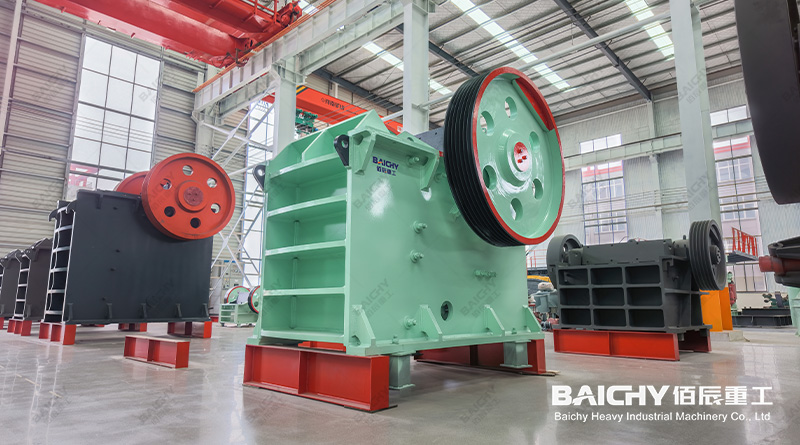
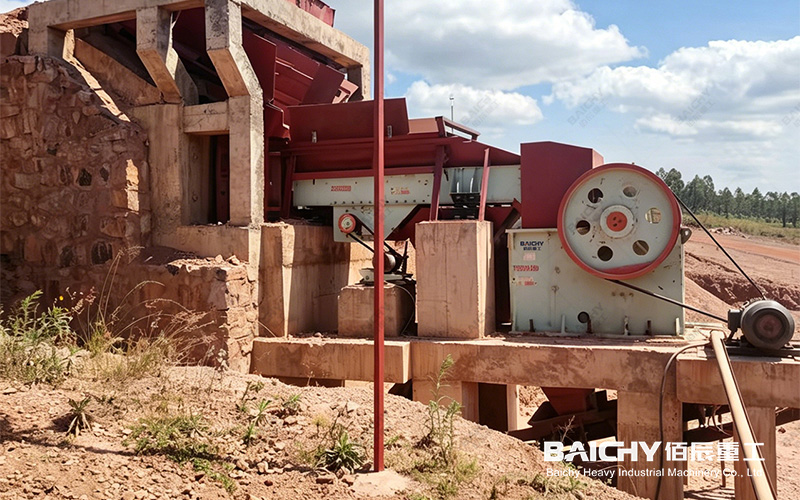
A jaw crusher is the most common primary crusher in a stone crushing plant. It handles large feed sizes (up to 1,200 mm) and produces the first reduction, typically down to 150–300 mm. Jaw crushers are favored for their reliability and low operating cost.
3. Secondary Crushing
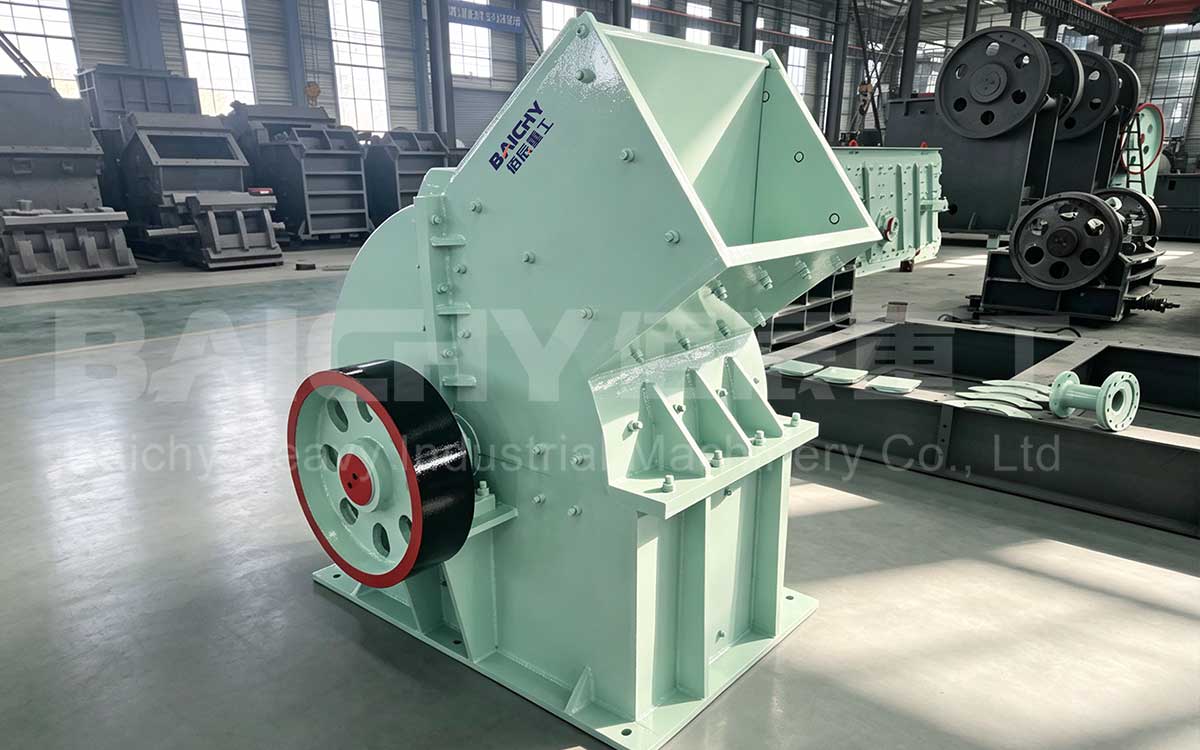
Depending on the hardness, an aggregate crushing plant then uses a cone crusher (for hard rock like granite and basalt) or an impact crusher (for softer, less abrasive material) to further reduce the rock to 0–50 mm.
4. Screening
Vibrating screens separate the crushed material into different size fractions such as 0–5 mm, 5–10 mm, 10–20 mm, and 20–40 mm. Accurate screening is essential to produce graded aggregates that meet customer specifications.
5. Washing and Stockpiling
Where cleanliness matters, a washing system removes clay and dust. Finished aggregates are then conveyed to stockpiles or directly loaded into trucks. A well-run aggregate processing plant keeps these stages balanced so no single bottleneck slows the whole line.
Aggregate Crushing Plant Parameter Table
Below is a typical parameter table for a stationary aggregate crushing plant built by Baichy:
| Parameter | Typical Value |
|---|---|
| Feed Material | Granite, limestone, basalt, river pebble, diabase |
| Max Feed Size | 300 – 1,200 mm |
| Production Capacity | 30 – 1,000 t/h |
| Final Product Size | 0–5 / 5–10 / 10–20 / 20–40 mm |
| Crushing Stage | 2 – 4 stages (primary, secondary, tertiary) |
| Core Equipment | Feeder, jaw crusher, cone/impact crusher, vibrating screen |
| Power Consumption | 150 – 1,500 kW depending on capacity |
| Control Mode | PLC automatic control / manual |
| Installation | Stationary, semi-mobile, or fully mobile |
Stationary vs. Mobile Crushing Plant
Choosing between a fixed and a mobile stone crushing plant is one of the first decisions you will make.
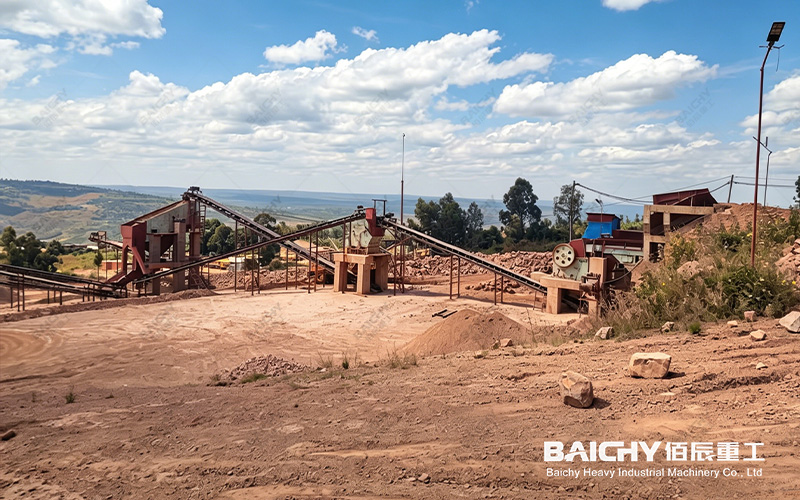
- Stationary aggregate crushing plant: Ideal for long-term operations with a stable ore body. It offers higher capacity, lower per-ton cost, and easier maintenance. Best for large quarries that operate for decades.
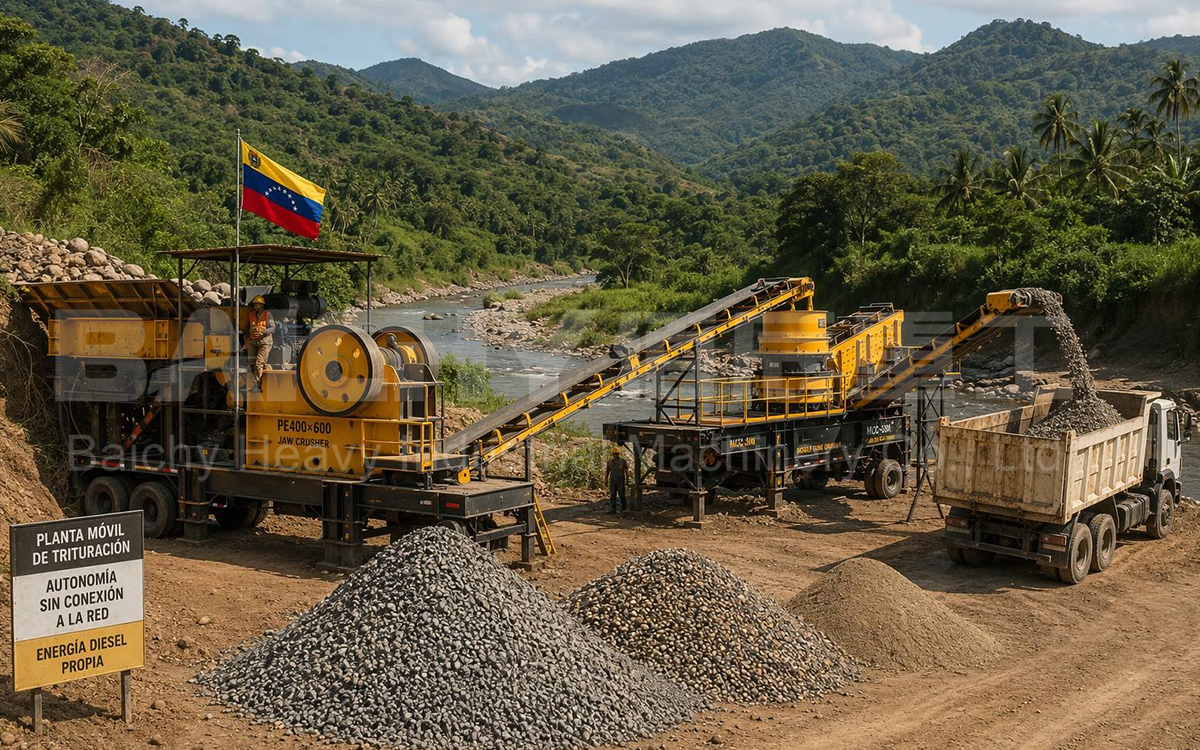
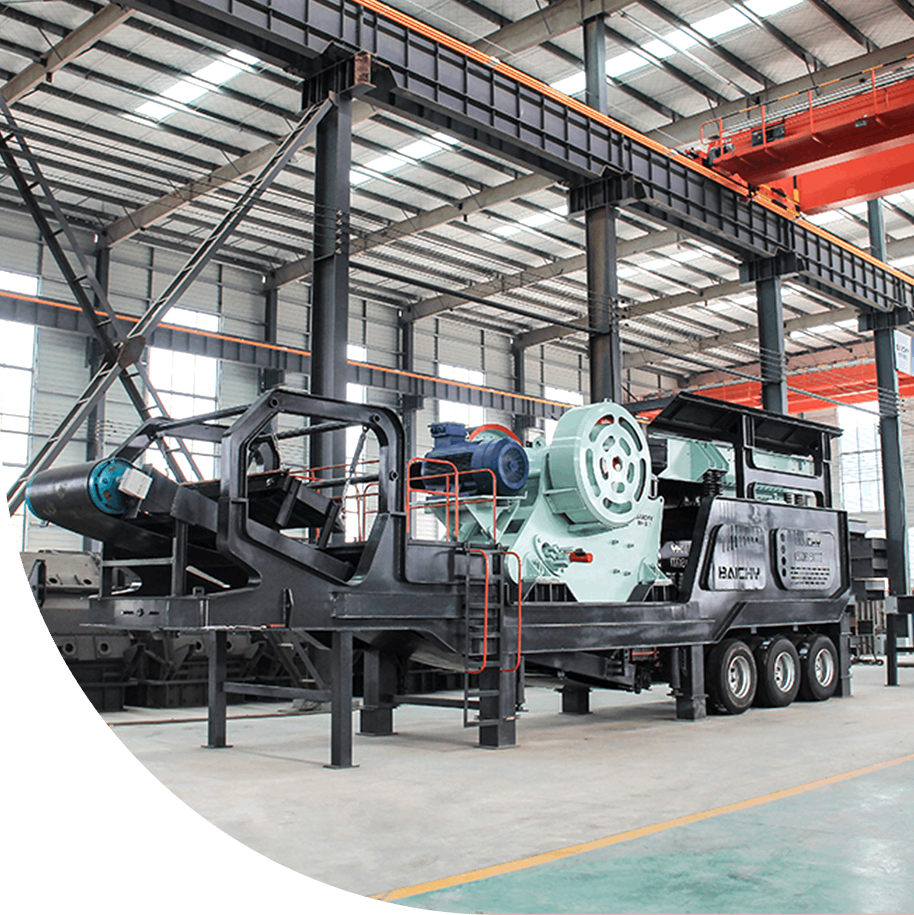
- Mobile crushing plant: Mounted on wheels or tracks, it moves easily between sites. It is perfect for temporary projects, contractors, and locations where rock is spread across multiple pits. Setup is fast, and relocation is simple.
Baichy offers both configurations, so you can match the plant to your site layout and budget.
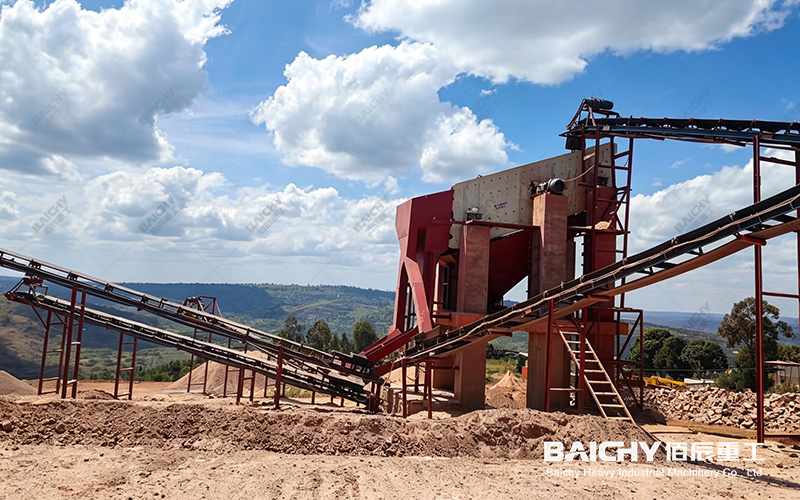
Aggregate Crushing Plant: Complete Guide & Equipment
Key Factors That Affect Your Crushing Plant Cost
The cost of an aggregate crushing plant varies widely because several variables drive the price:
1. Capacity: Higher tonnage means larger crushers and more equipment, raising total cost.
2. Hardness of material: Hard rock (basalt, granite) requires cone crushers and more wear parts, increasing both capex and operating cost.
3. Number of stages: A three-stage aggregate processing plant costs more than a simple two-stage line but produces finer, higher-value products.
4. Automation level: PLC-controlled plants cost more upfront but reduce labor and improve consistency.
5. Localization and installation: Foundation, civil works, and transportation all affect the final price.
A rough rule: a small 50–100 t/h plant starts at a moderate budget, while a large 500 t/h stationary line is a multi-million-dollar investment. For an accurate quote, send Baichy your raw material properties, required capacity, and final product sizes.
Why Choose Baichy Heavy Industry
As a professional manufacturer of mining crushers, grinding mills, and mineral processing equipment, Baichy designs each aggregate crushing plant to match your specific rock type and production target. Our advantages include:
- Customized design based on your feed size, capacity, and product spec
- Reliable core equipment — jaw crushers, cone crushers, impact crushers, and screens
- Full process support from flow design to installation and after-sales service
- Competitive pricing and fast delivery for global projects
Conclusion
A well-designed aggregate crushing plant is a long-term, high-return investment when it is matched to your material and market. By understanding the process flow, equipment, capacity parameters, and cost drivers, you can choose the right stone crushing plant with confidence. Contact Baichy Heavy Industry today to get a tailored aggregate processing plant proposal for your project.
FAQ(5 Q&A)
Q1. What is an aggregate crushing plant?
An aggregate crushing plant is a complete production line that feeds, crushes, screens, and sometimes washes raw rocks into graded aggregates for construction, concrete, and road base. Baichy builds these lines for capacities from 30 t/h to 1,000 t/h.
Q2. How much does an aggregate crushing plant cost?
The cost depends on capacity, material hardness, number of crushing stages, automation, and installation. A small 50–100 t/h plant is a moderate investment, while large stationary lines run into millions. Request a custom quote from Baichy for exact pricing.
Q3. What is the typical capacity of a stone crushing plant?
Typical aggregate crushing plant capacities range from 30 t/h to 1,000 t/h. Small projects use 30–100 t/h lines, medium projects use 100–300 t/h, and large quarries use 300 t/h and above.
Q4. What equipment is included in a crushing plant?
Core crushing plant equipment includes a vibrating feeder, jaw crusher (primary), cone or impact crusher (secondary/tertiary), vibrating screens, belt conveyors, and optional washing systems. The exact lineup depends on the rock type and final product.
Q5. What is the difference between stationary and mobile crushing plants?
A stationary aggregate crushing plant offers higher capacity and lower per-ton cost, ideal for long-term quarries. A mobile plant is mounted on wheels or tracks for fast relocation, best for temporary or multi-site projects.
Baichy Heavy Industry
Baichy Heavy Industry is a high-tech mining equipment company integrating R&D, manufacturing, sales, and after-sales service. Focusing on crushing, grinding, and mineral processing equipment, we provide professional solutions to our customers. We are ISO9001:2015 、certified, and our products include mobile crushing palnts, crawler crushing plant, construction waste crushing plants, jaw crushers, sand making machines, cone crushers, fine crushers, grinding mills, ball mills, etc., all with reliable performance to meet diverse project needs.
Baichy Heavy Industry – Your Trusted Partner
To ensure optimal performance of your equipment, Baichy Heavy Industry offers:
- Professional on-site installation guidance
- Comprehensive operator training
- 24/7 technical support & maintenance services
Our complete after-sales service system guarantees long-term, stable operation of your machinery with minimal downtime.
Protect Your Rights – Only Use Official Channels
To avoid scams and ensure authentic support, contact us exclusively through:
• Official Website: www.baichychina.com
• WhatsApp: +8615093222637
• Email: [email protected]
Your satisfaction is our priority – expect prompt, professional service every time.
(Note: Beware of unauthorized third parties claiming to represent Baichy. Always verify through official contacts.)