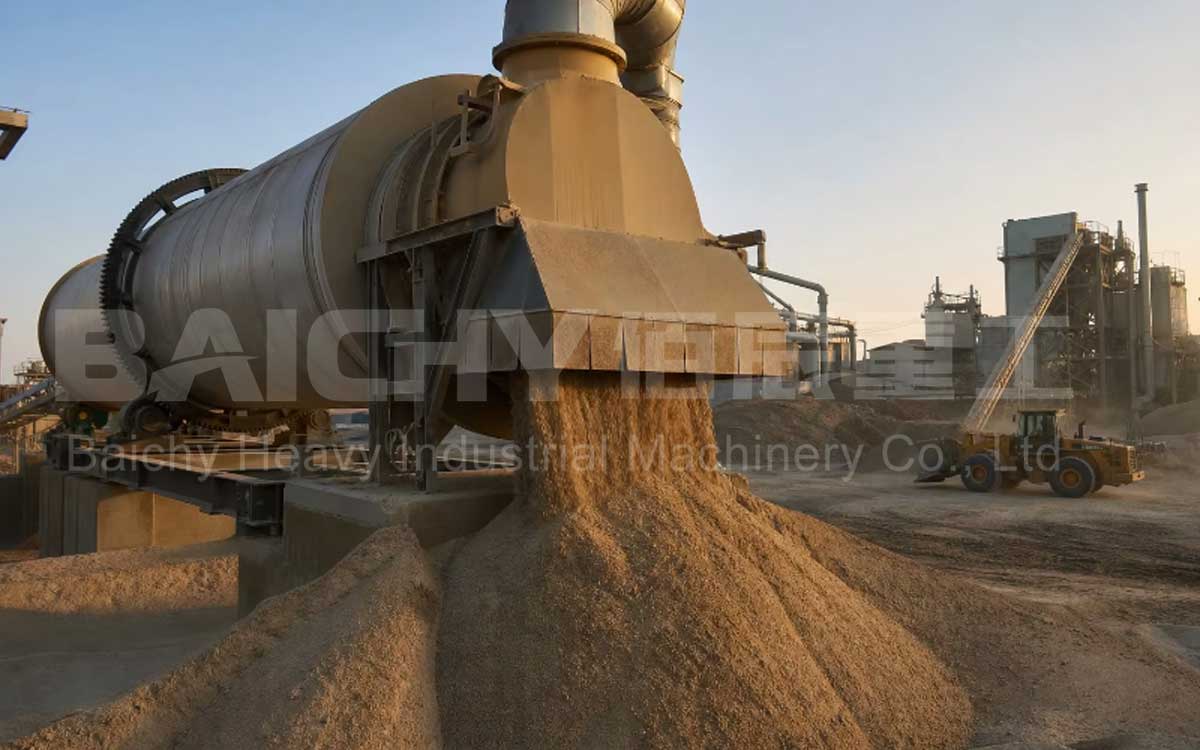
Project Overview — Custom Engineered for Tajikistan's River Stone
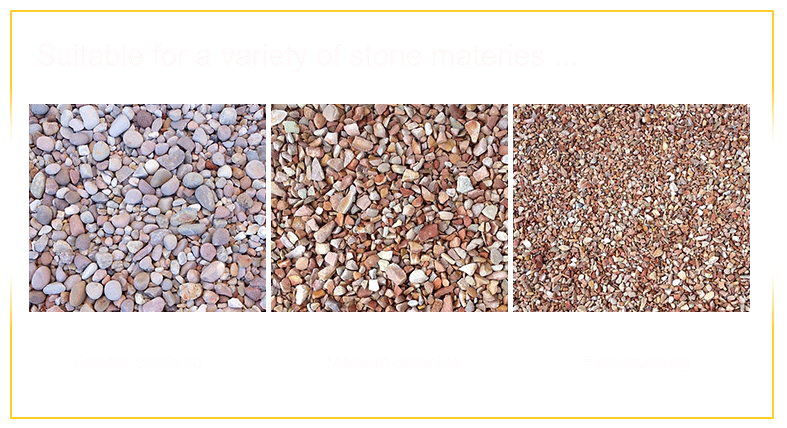
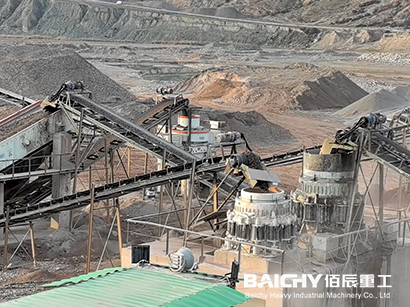
Located in Tajikistan's mountainous terrain, this 300tph stationary crushing and sand-making plant processes locally sourced river stone into high-quality aggregates and manufactured sand. The client required a solution that could handle the material's high silica content and hardness (Mohs 7-8) while delivering consistently graded output for construction and infrastructure projects across Central Asia.
Three-Stage Closed-Circuit Crushing & Shaping Process
The production line employs a proven three-stage configuration with closed-circuit screening to maximize yield and minimize oversized returns.
Stage 1 — Jaw Crusher Primary Crushing
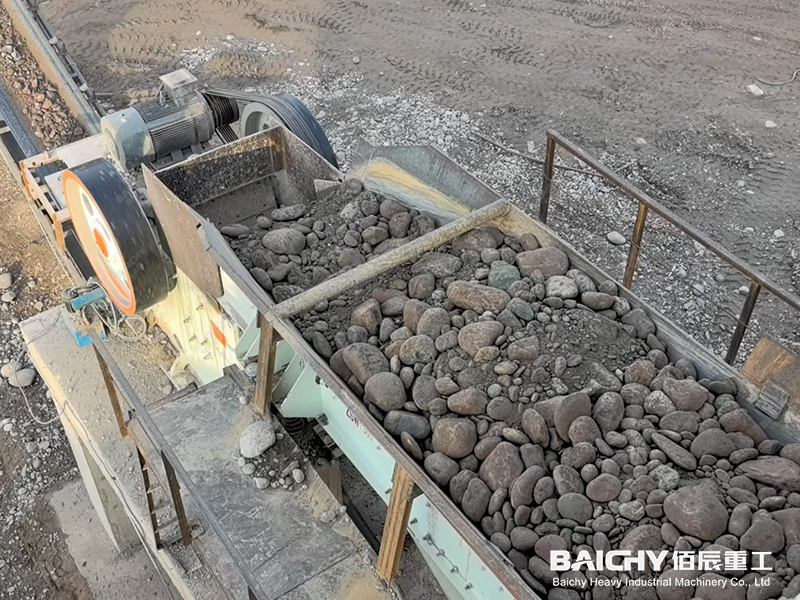
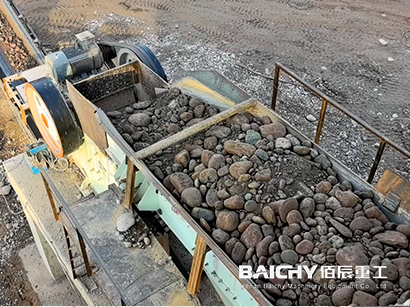
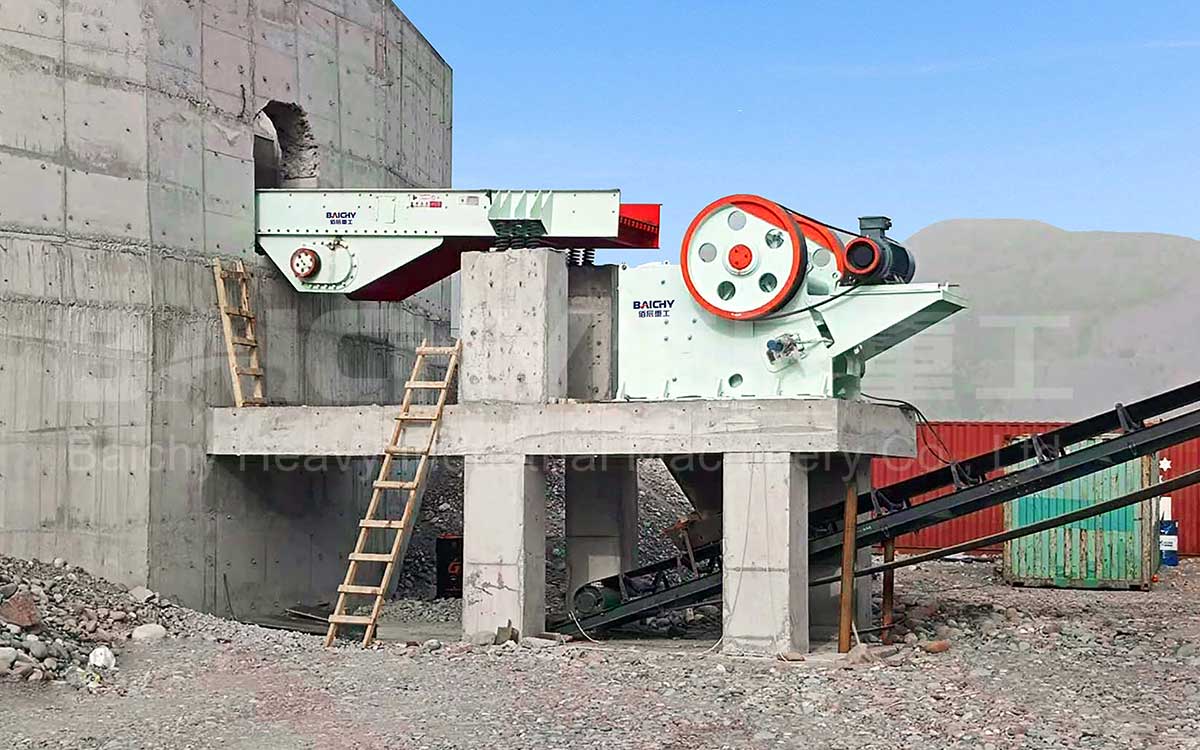
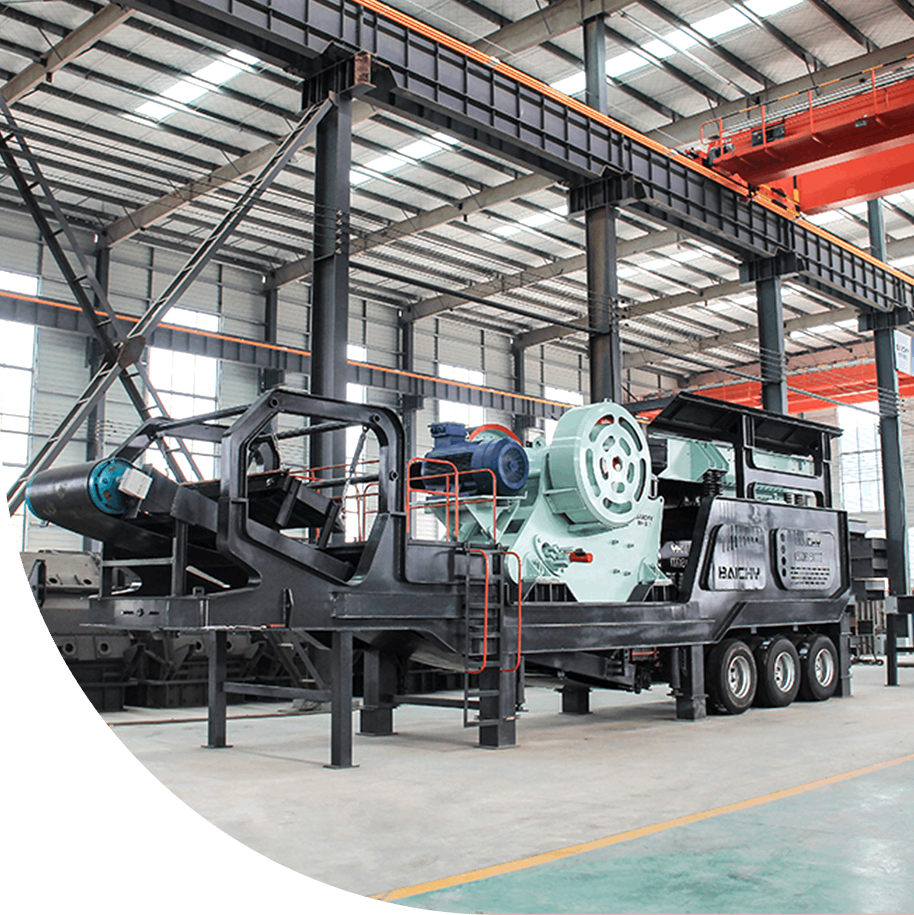
River stone boulders up to 700mm are fed into a heavy-duty jaw crusher via a vibrating grizzly feeder. The deep-V crushing chamber handles the material's high abrasiveness, reducing it to 150-200mm feed for the secondary stage.
Stage 2 — Cone Crusher Closed-Circuit Secondary Crushing
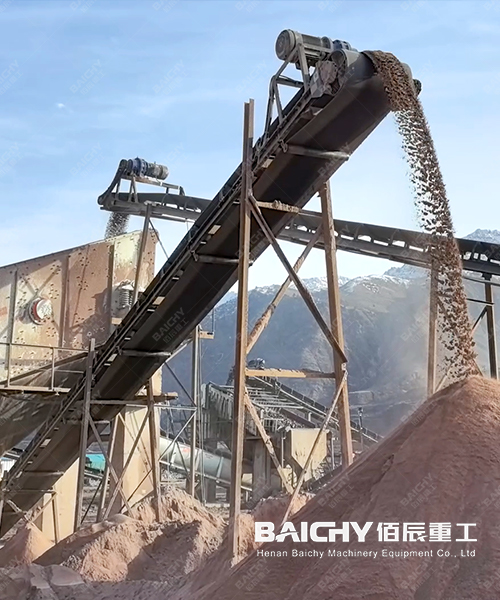
Pre-crushed material enters a Simons short-head cone crusher, chosen specifically for its superior performance on hard, abrasive river stone. A closed-circuit screening loop returns oversized material to the cone crusher, achieving tight size control:
Vibrating Screen 1: 20mm / 10mm / 5mm three-layer classification
Oversized (>20mm) returns to cone crusher for re-crushing
10-20mm fraction proceeds to finished product stockpile or tertiary shaping
Stage 3 — VSI Sand Making & Shaping
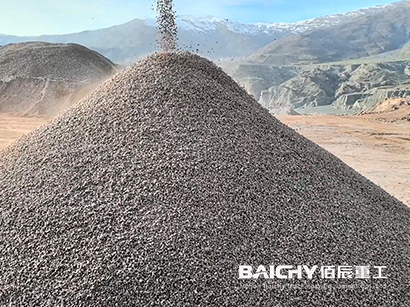
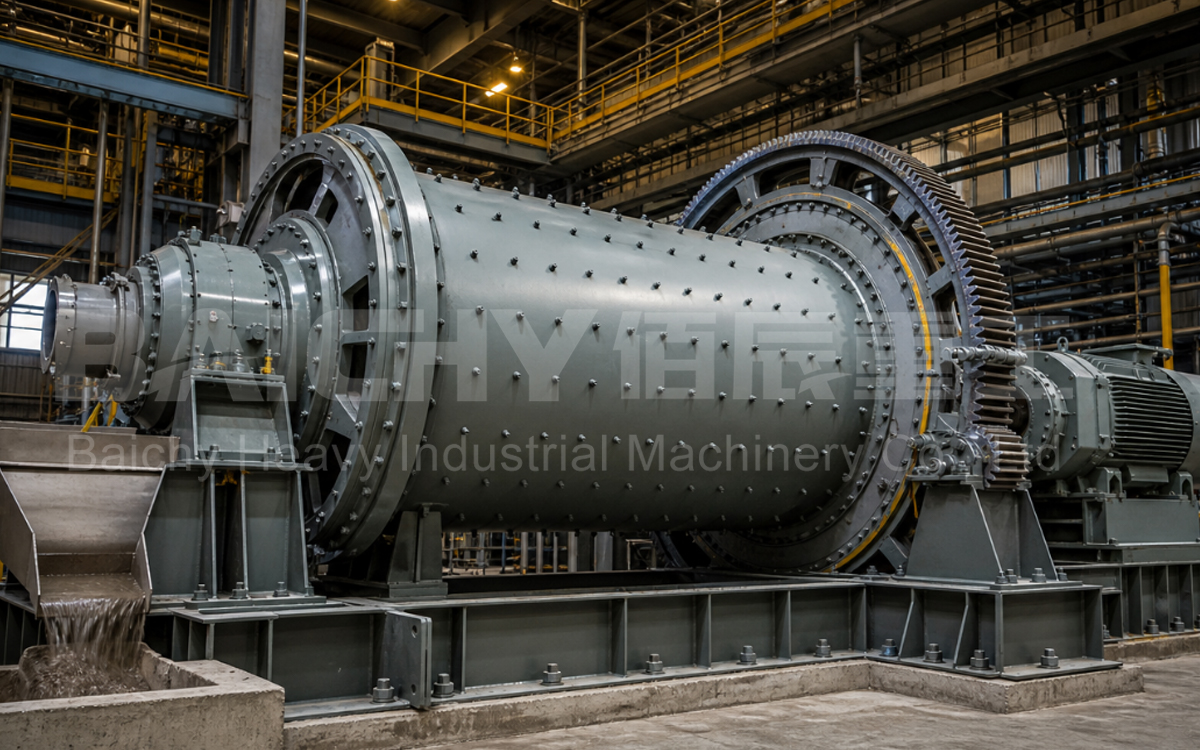
Material passing through the 10mm mesh enters a vertical shaft impact (VSI) sand maker for particle shape optimization. The rock-on-rock crushing principle produces cubical manufactured sand (0-5mm) with low flakiness index — ideal for high-grade concrete and asphalt applications.
Auxiliary — Sand Washing & Dewatering
A wheel sand washer removes fines and clay from the manufactured sand, followed by a dewatering screen that reduces moisture content to below 12%, producing sale-ready sand directly from the line.
Core Equipment Lineup:
| Equipment Name |
Model |
Quantity |
Functional Positioning |
| Jaw Crusher |
C Series (Heavy-duty) |
1 unit |
Primary crusher, wide feed opening |
| Symons Cone Crusher |
Standard/Short-head type |
2 units |
Mainstay for medium and fine crushing, layered crushing |
| Sand Making Machine |
Vertical Shaft Impact Crusher |
1 unit |
Particle shape shaping, producing 0-5mm manufactured sand
|
| Circular Vibrating Screen |
High-efficiency Heavy-duty |
2 units |
Multi-layer grading, screening efficiency >90% |
| Belt Conveyor |
B1000/B800 |
Several |
Fully sealed idlers, low-energy conveying |
Customer Results
The plant has been running at 290-310 t/h consistently since commissioning, even through two Tajik winters. The sand quality has opened new markets for us — we now supply three ready-mix concrete plants in Dushanbe."
Frequently Asked Questions
Q1. What is the best crusher for high-silica river stone?
For high-silica river stone (Mohs 7-8), a three-stage configuration is recommended: a heavy-duty jaw crusher for primary reduction (up to 700mm feed), a Simons short-head cone crusher for secondary closed-circuit crushing, and a VSI sand maker for tertiary shaping. The cone crusher's manganese wear parts should be specified with 18% manganese alloy to withstand the material's extreme abrasiveness, extending liner life by approximately 35% compared to conventional alloys.
Q2. How does a three-stage closed-circuit crushing plant work?
A three-stage closed-circuit plant operates as follows: Stage 1 -- River stone boulders (up to 700mm) enter a jaw crusher for primary crushing to 150-200mm. Stage 2 -- Pre-crushed material enters a cone crusher; a vibrating screen classifies output at 20mm / 10mm / 5mm and returns oversized material back to the cone crusher in a closed loop. Stage 3 -- Material passing 10mm enters a VSI sand maker for final shaping into cubical manufactured sand (0-5mm). A wheel sand washer and dewatering screen complete the process, reducing moisture to below 12% for sale-ready output.
Q3. How to operate a crusher plant in -25°C cold climate?
Cold climate crusher plant operation requires four key adaptations:
(1) Low-temperature hydraulic oil with -40°C pour point in all crushers.
(2) Heated lubrication systems that pre-warm bearing oil before startup.
(3) Cold-rated conveyor belting (EP400/3, rated for -30°C to +80°C).
(4) Enclosed electrical cabinets with thermostatic heating to prevent condensation and component failure. These measures enable reliable year-round operation even through Central Asian winters.
Q4. What sand quality can a VSI sand maker produce from river stone?
A VSI sand maker using rock-on-rock crushing can produce manufactured sand with a fineness modulus of 2.4-2.8 and stone powder content below 5%, meeting ASTM C33 and EN 12620 standards for concrete aggregate. The cubical particle shape with low flakiness index is ideal for high-grade concrete and asphalt applications. At this Tajikistan plant, the VSI consistently delivers sand at fineness modulus 2.6, qualifying for premium ready-mix concrete production.
Q5. What is the cost per ton for a 300tph river stone crushing plant?
The operating cost for a 300tph river stone crushing and sand making plant varies by location, energy rates, and wear part consumption. At Baichy's Tajikistan installation, the plant achieved 98% of design capacity (295 t/h average) and extended wear part life by 35%. The estimated payback period is approximately 22 months at typical utilization rates. Key cost drivers include manganese liner replacement intervals, VSI rotor wear parts, and electricity consumption. Contact Baichy for a site-specific cost analysis tailored to your raw material and location.