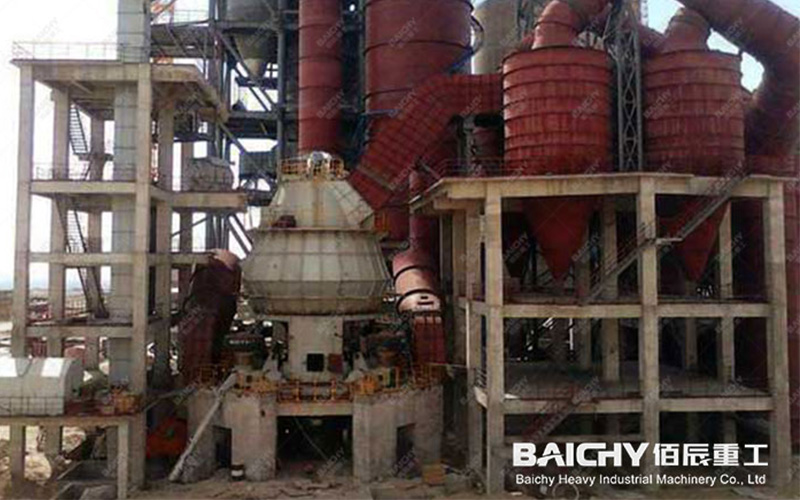
Vertical grinding mill customer site
I. Core Overview: The Pivotal Hub Connecting Crushing and Calcination
The Vertical Roller Mill (VRM) is a critical piece of equipment in modern cement production lines, serving as the core mechanism for the "material grinding" process. It undertakes the vital task of final pre-treatment—bridging the gap between materials processed by mine-site crushing operations and their subsequent entry into the kiln for calcination. Within the cement manufacturing workflow, raw materials such as limestone and clay—having undergone initial processing by mobile crushing equipment—must pass through the vertical roller mill for intensive grinding and drying, thereby transforming them into a fine powder characterized by high chemical reactivity. This equipment is widely deployed in two major stages: raw meal preparation (raw mill) and finished cement grinding (cement mill); it serves as the indispensable link connecting the upstream crushing system with the downstream preheater and rotary kiln systems.
II. In-Depth Analysis of Working Principles: The Innovation of "Material Bed Grinding" Technology
By leveraging the principles of "material bed grinding" and a "wind-swept classification" mechanism, the vertical roller mill achieves highly efficient, simultaneous grinding, drying, and classification in a single operation. In contrast to the chaotic, random collisions characteristic of traditional ball mills, the operational logic of the vertical roller mill is far more precise and systematic:
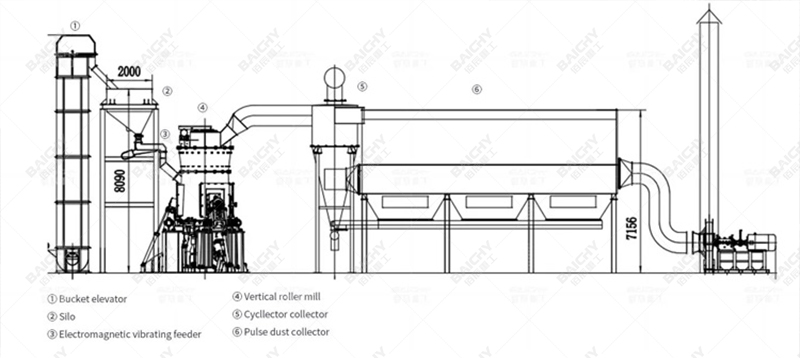
Vertical mill coal grinding process diagram
1. Feeding and Centrifugal Dispersion: Crushed lump materials (typically sized 0–38 mm) are introduced via a sealed feeding device into the center of the rotating grinding table. Under the influence of centrifugal force, these materials are flung outward toward the periphery of the grinding table.
2. High-Pressure Material Bed Crushing: Grinding rollers, positioned above the table, exert immense pressure—generated by a hydraulic system—to continuously roll over and compress the material bed. Within this bed, material particles crush one another through inter-particle compression, resulting in exceptionally high energy utilization efficiency.
3. Hot Air Drying and Conveyance: High-temperature hot air (reaching temperatures of 400°C or higher), injected from the base of the mill, penetrates the material layer. This airflow instantly evaporates the moisture contained within the materials and simultaneously carries the pulverized fine powder upward.
4. Dynamic Classification and Screening: The material-laden airflow enters the classifier (separator) located at the top of the mill. Coarse particles are separated out and returned to the grinding table for further processing, while the qualified fine powder is carried away by the airflow and directed into a dust collector for final collection.
III. Core Competitive Advantages: Why is the Vertical Roller Mill the Preferred Choice for Modern Cement Plants?
Compared to traditional tube mill (ball mill) systems, vertical roller mills possess overwhelming advantages in terms of energy consumption, process integration, and environmental performance indicators, achieving overall energy savings of 30% to 50%.
1. Exceptional Energy Efficiency and Economic Viability
• Energy Consumption Comparison: Vertical roller mills utilize the principle of material bed compression, directing energy directly between material particles; this avoids the energy losses associated with the ineffective collisions between steel balls and liners that occur in ball mills.
• Economic Benefits: Taking a cement clinker production line with a daily output of 5,000 tons as an example, simply by adopting a vertical roller mill for the raw material grinding stage, millions of kilowatt-hours of electricity can be saved annually, thereby directly reducing production costs.
2. Integrated Drying and Grinding
• Processing of High-Moisture Materials: Vertical roller mills can directly process wet clay or slag with moisture content levels reaching as high as 15% to 20%.
• Process Simplification: The need for a separate upstream raw material dryer is eliminated, enabling a "crushing-drying-grinding-classifying" one-stop operation. This is particularly advantageous for sites directly interfacing with our company's mobile crushing equipment, allowing for the immediate pre-processing of raw materials.
3. Footprint and Infrastructure Investment
• High System Integration: A single main unit integrates grinding, classifying, and drying functions, eliminating the need for external classifying systems or independent drying towers.
• Space Savings: The process flow is compact, requiring a plant footprint of only about 70% of that required by a ball mill system, thereby significantly reducing civil engineering and infrastructure investment costs.
4. Green and Eco-Friendly Performance
• Low Noise: Operation is smooth and stable; the primary source of noise comes from the fans, while the noise generated by the mill body itself typically remains below 85 decibels.
• Ultra-Low Emissions: The entire system operates under a negative-pressure, closed-loop environment. When paired with high-efficiency bag filters, dust emission concentrations can be easily controlled below 20 mg/Nm³, far exceeding national environmental protection standards.
IV. Equipment Technical Parameters (Reference Standard: GB/T 15391)
| Key Indicators | Technical Parameters | Remarks |
| Product Name | Vertical Roller Mill | Also known as Vertical Mill |
| Applicable Materials | Limestone, clay, slag, dolomite, coal, etc. | Widely used in the preparation of cement raw meal, cement clinker, and pulverized coal |
| Feed Size | 0 – 38 mm | Must be matched with the discharge size of upstream mobile crushing equipment |
| Production Capacity | 10 – 120 t/h | Varies depending on the model and the grindability of the material |
| Product Fineness | Residue on 80μm square-hole sieve | 12%–15% (Meets the calcination requirements for rotary kilns) |
| Core Functions | Roller grinding & crushing, hot air drying, dynamic classification | A "three-in-one" integrated system |
| Drive Power | To be determined (based on model) |
Note: The data in the table above is for reference only; specific equipment selection must be determined based on material characteristics and the scale of the production line.
V. Case Study: Southeast Asia Raw Material Preparation Base Project
Project Name: EPC Project for a Raw Material Grinding System for a Major Cement Group in Southeast Asia
Implementation Year: 2025
Project Highlight: Achieved seamless integration of the entire process, from "mobile crushing" to "vertical grinding."
Process Flow Description:
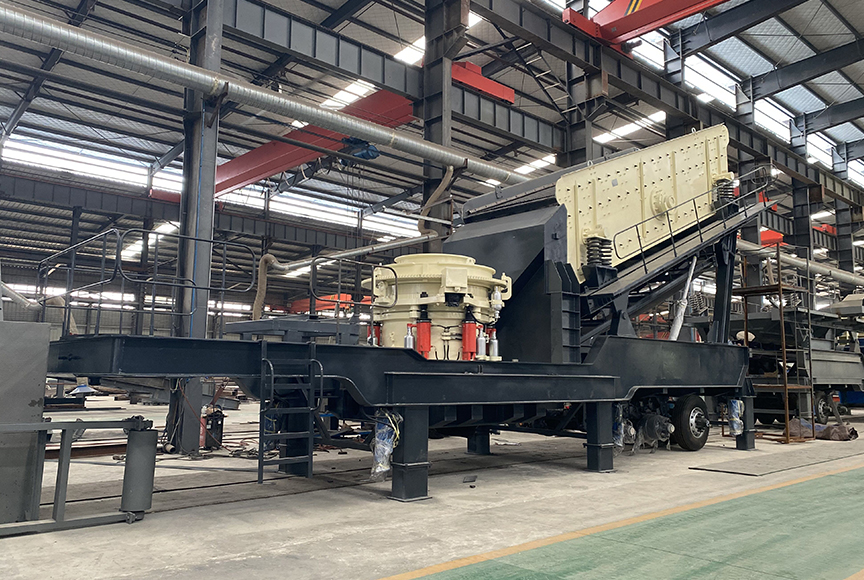
Mobile Cone Crusher
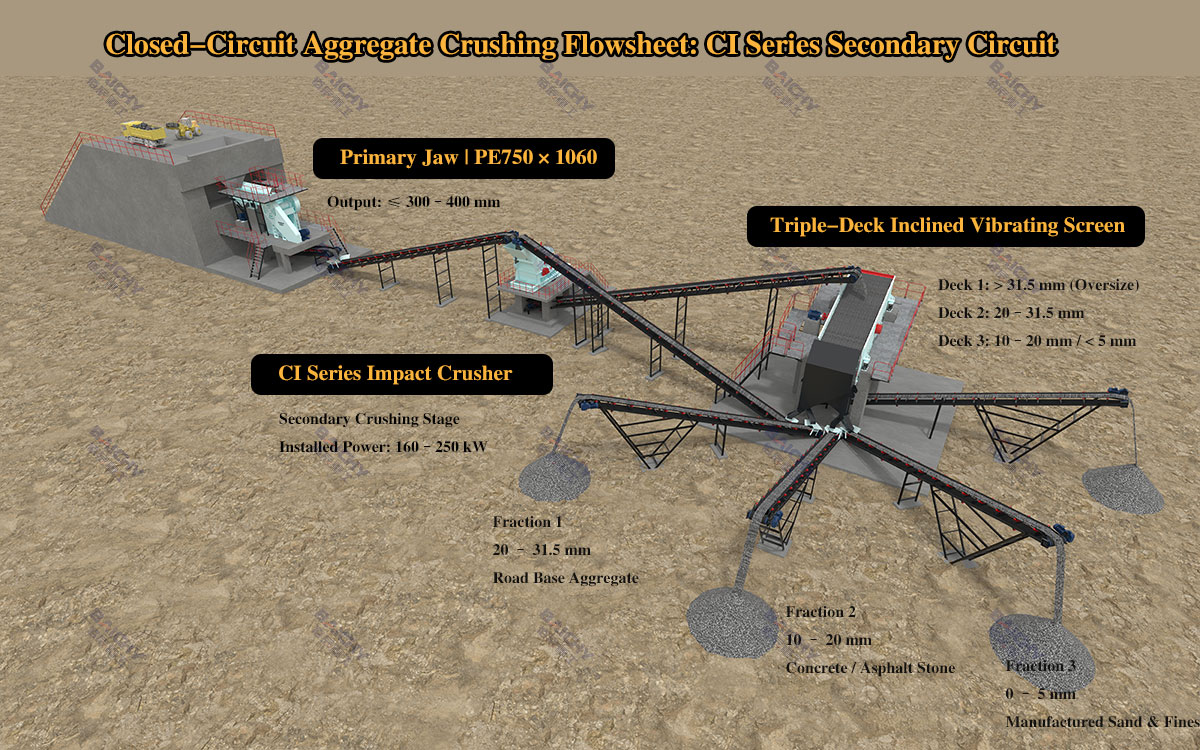
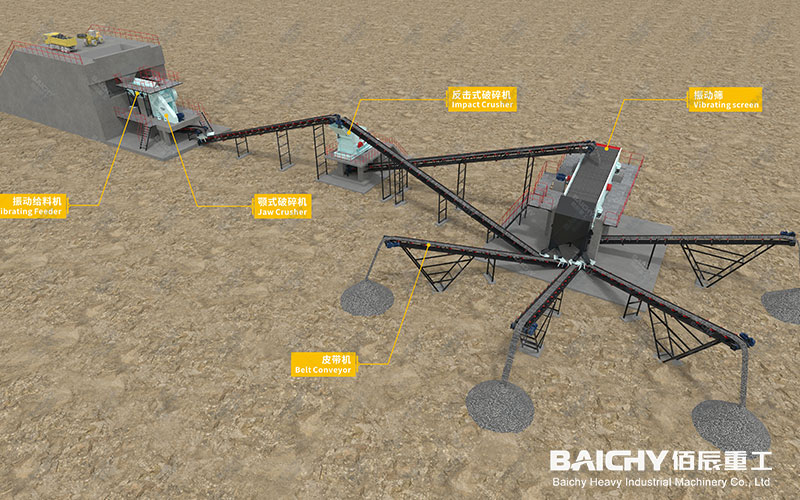
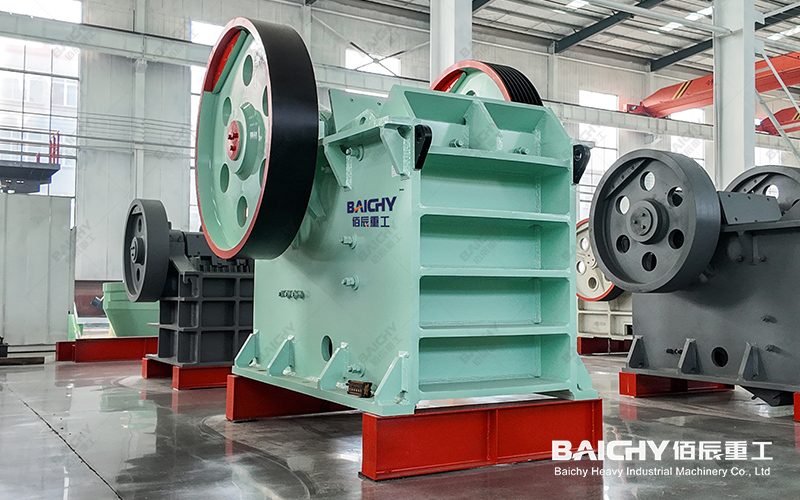
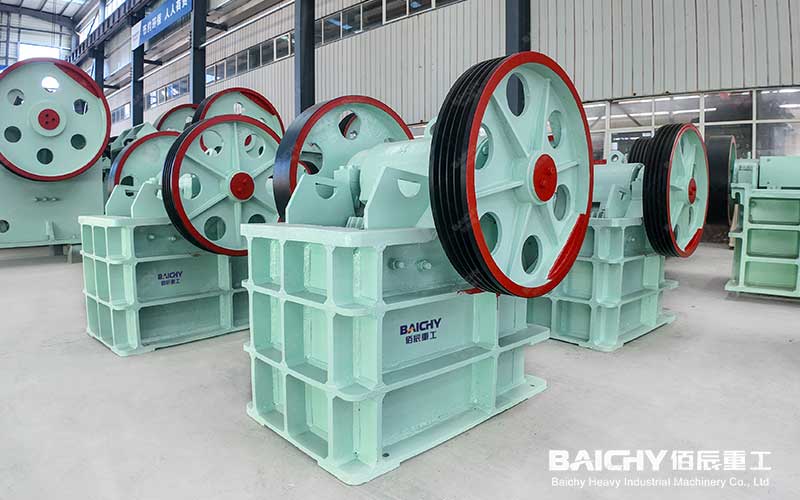
1. Upstream Crushing: At the quarry, a combination of our large-scale mobile jaw crusher and mobile cone crusher was deployed to perform secondary crushing of limestone, maintaining a stable discharge size of 0–40 mm.
2. Conveying & Storage: The crushed material is transported via long-distance belt conveyors to the pre-homogenization stockpile at the raw material mixing station.
3. Grinding & Drying: The homogenized raw material mixture is fed into a large-scale, domestically manufactured vertical roller mill for raw materials.
4. Operational Results:
◦ System Output: Consistently reached 480 tons/hour.
◦ Unit Energy Consumption: Measured at only 12.8 kWh/ton.
◦ Product Quality: Both fineness and moisture content fully meet the rigorous requirements of modern new-dry-process rotary kilns.
This project successfully validated the high degree of automation and efficiency achieved through the combined operation of mobile crushing equipment and vertical roller mills.
VI. Frequently Asked Questions (FAQs) from Customers
Q1: Can the vertical roller mill process wet materials? Is an additional dryer required?
A: Yes, it can. The vertical roller mill features a built-in hot air inlet, allowing it to perform both drying and grinding simultaneously. As long as the material's moisture content does not exceed 20% (e.g., wet clay), a separate, independent dryer is typically unnecessary; this significantly simplifies the overall process flow.
Q2: Does the specified feed size of 38mm refer to the maximum lump size or the average particle size?
A: It refers to the maximum permissible feed size. To ensure the long-term stable operation of the vertical mill and to minimize energy consumption, we recommend installing a mobile crushing station equipped with high-precision screening capabilities upstream. This ensures uniform particle sizing of the material entering the mill and prevents oversized particles from damaging the grinding table.
Q3: How do the maintenance costs of your vertical mills compare to those of ball mills?
A: The primary wear parts in a vertical mill are the grinding rollers and the grinding table liners. Although the unit cost of these parts is relatively high, the vertical mill's superior operational efficiency, lower energy consumption, and wear part lifespan—typically exceeding 8,000 hours—result in a comprehensive energy consumption cost per ton that is significantly lower than that of a ball mill system.
Q4: When exporting equipment to regions such as Southeast Asia and Africa, how do you guarantee installation and after-sales support?
A: We offer flexible shipping options, utilizing either standard containers or bare-bulk cargo transport. Furthermore, we dispatch experienced installation engineers to the project site to provide on-site guidance. We possess extensive export experience and maintain a comprehensive service network across Southeast Asia, Central Asia, South America, North America, and Africa.
Q5: In addition to cement raw meal, can this machine also be used to grind coal?
A: Yes, it can. By adjusting the classifier speed and the hot air temperature, the same series of vertical mills can be specifically configured for coal pulverization (as a vertical coal mill) to meet the fuel requirements of cement kiln precalciners or power plant boilers.