

On-Site Mobile Crushing
In the mining equipment sector, mobile crushingtechnology is transforming traditional production models at an unprecedented pace. As a manufacturer deeply involved in mining equipment, I have witnessed this technology's transformation from an auxiliary tool to a core productive force.
Mobile crushing not only solves the pain points of fixed production lines—site limitations and high relocation costs—but also, with its flexibility, efficiency, and environmental friendliness, has become a key driver of sustainable development in modern mines.
I. Core Advantages of Mobile Crushing
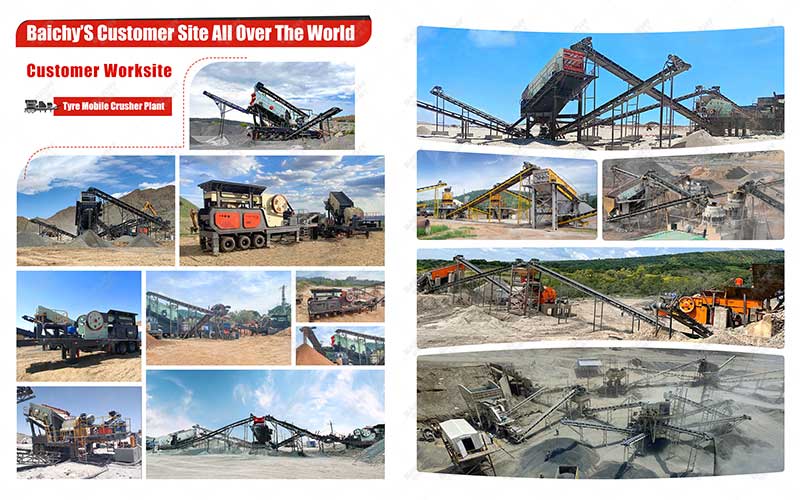
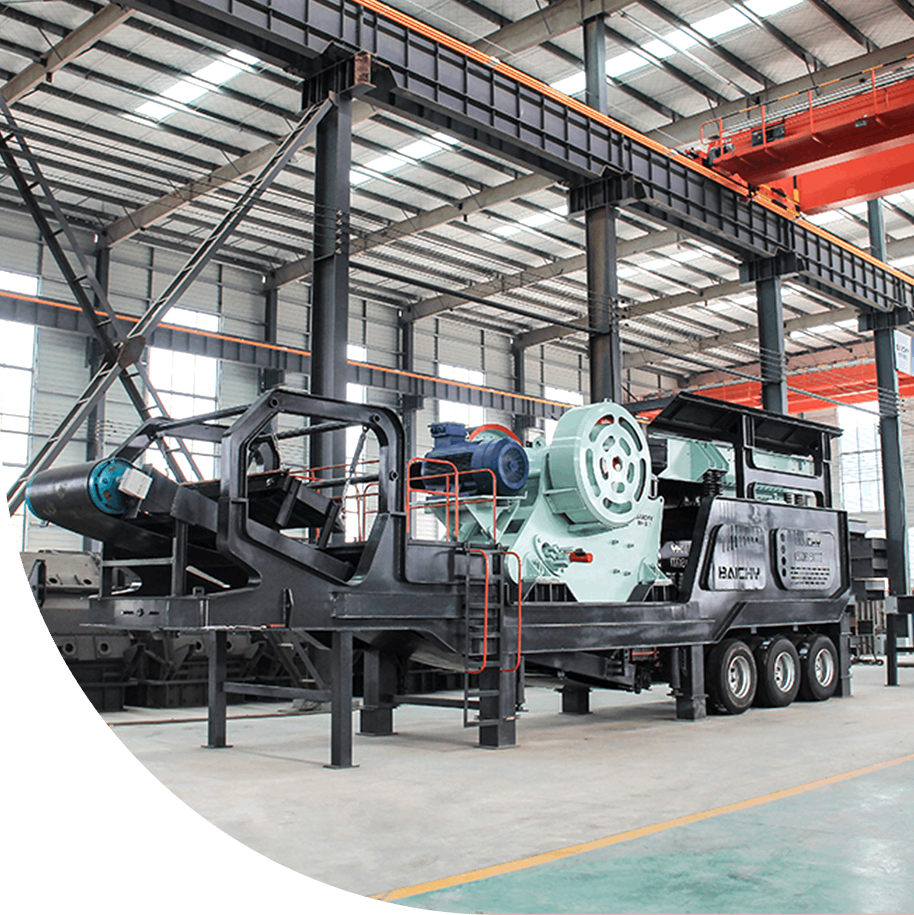
Compared to traditional fixed crushing lines, mobile crushing equipment can be directly installed in the mine, enabling "on-site processing" of raw materials. This significantly reduces material transportation distances, lowers fuel consumption and carbon emissions, and avoids the need for land for transfer stations. For mines with complex terrain and scattered mining sites, mobile units can be quickly relocated, achieving "multi-purpose use" and significantly improving asset utilization. From a marketing perspective, this is the core of the customer value proposition: achieving a higher return on investment with lower operating costs.
II. Key Technology Selection Guide
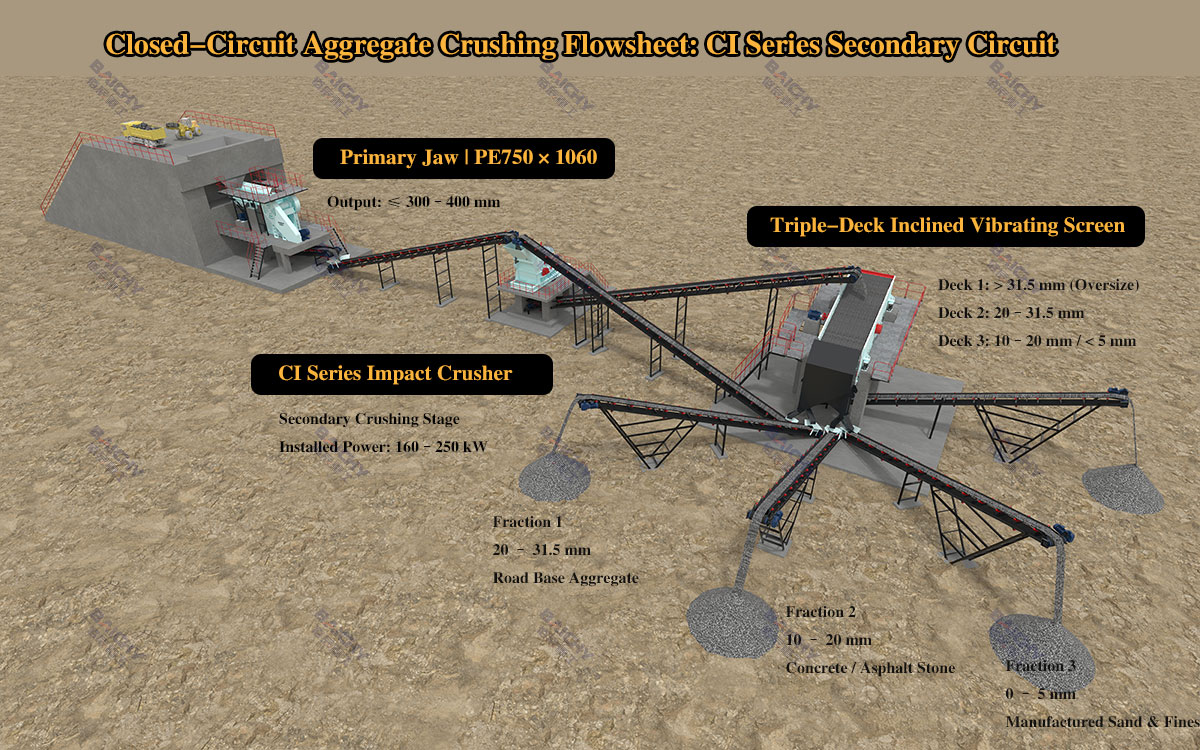
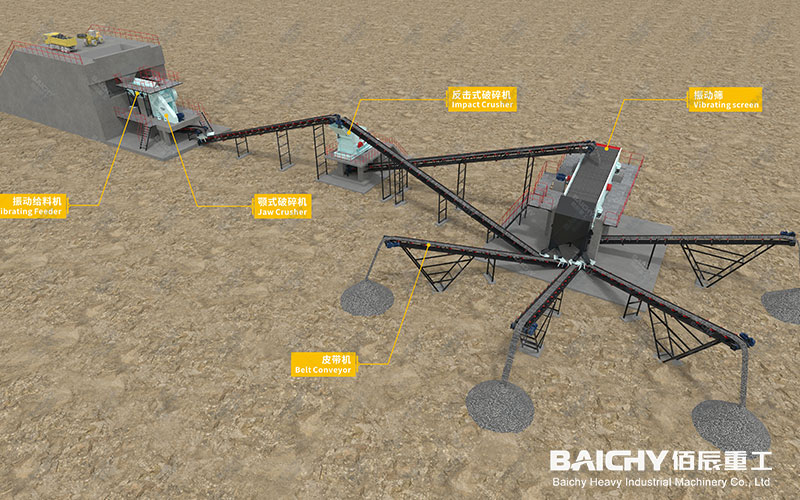
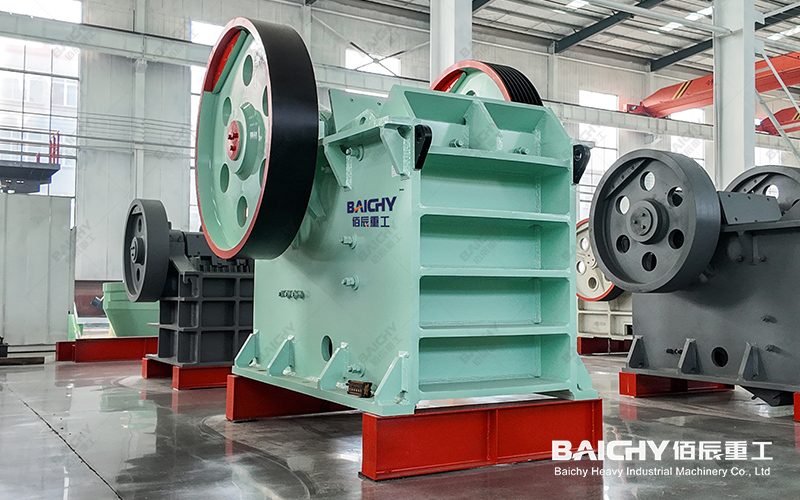
Improper equipment selection is a major reason for investment failures for many mining companies. Equipment selection must be based on a comprehensive consideration of ore hardness, capacity requirements, output specifications, and the site environment. For example, hard rock mines such as granite require jaw crushers, while impact or cone crushers can be used for construction waste recycling. The following table summarizes the applicable scenarios for mainstream mobile crushing equipment models for reference:
| Equipment Type | Applicable Material Hardness | Recommended Capacity Range (tons/hour) | Typical Application Scenarios | Core Advantages |
| Jaw Mobile Crusher | High Hardness Ore | 100-500 | Granite, Basalt Mining | Large Crushing Ratio, Robust Structure |
| Cone Mobile Crusher | Medium-High Hardness Ore | 150-600 | Iron Ore, River Pebble Processing | Excellent Product Particle Shape, Good Wear Resistance |
| Impact Mobile Crusher | | Medium-Low Hardness Materials | 200-800 | Limestone, Construction Waste Recycling | Fine Output, High Mobility |
| Mobile Screening Station | Various Materials | 300-1000 | Aggregate Grading, Soil Screening | Multi-stage Screening, Integrated Operation |
III. Industry Trend Outlook: Intelligentization and Greening Go Hand in Hand
In the future, mobile crushing technology will be deeply integrated with the Internet of Things and automated control. Remote monitoring and intelligent diagnostic systems can provide real-time fault warnings, reducing downtime; hybrid and electric motor models are becoming increasingly common, helping mines achieve "zero emissions" goals. As equipment suppliers, we need to shift from simply selling hardware to providing end-to-end value in "equipment + service + solutions," such as supporting financial leasing and operational training, to build a competitive barrier through ecological services.
IV. Marketing Insights: How to Deliver Irreplaceable Value to Customers
When promoting mobile crushing equipment, marketing strategies should focus on "visible benefits." Through customer case studies, demonstrate the investment payback period (typically shortened by more than 30%), labor cost savings, and improved environmental compliance. Short videos and 3D animations demonstrating equipment relocation processes can intuitively alleviate customer concerns about operational complexity. Furthermore, collaborating with industry associations to hold on-site observation meetings allows potential customers to experience the equipment's performance firsthand, which is often more persuasive than traditional advertising.
In short, mobile crushing is not only a technological innovation but also a paradigm shift in mining production models. For mining companies, embracing change early means a certainty of cost reduction and efficiency improvement in the future; for equipment manufacturers, cultivating this sector represents a strategic opportunity to unlock new growth curves. Only by deeply cultivating technology and accurately aligning it with customer value can one achieve steady and sustainable development amidst the tides of the times.