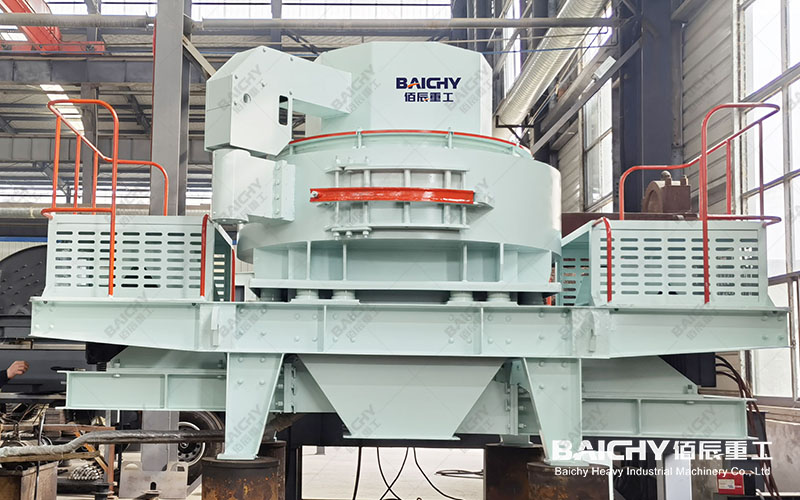
In the fields of mining crushing and artificial sand making, VSI (Vertical Shaft Impact Crusher) sand making machines have become core equipment for high-quality manufactured sand production due to their excellent particle shape shaping ability and efficient medium and fine crushing performance. The investment in a VSI sand making machine is substantial, and its long-term stable operation and excellent sand output quality directly affect the project's profitability. However, superior performance depends not only on the quality of the equipment itself but also on the standardization of daily operation and maintenance. Correct operation maximizes its advantages, while meticulous maintenance is key to extending its service life and controlling overall costs. This article will provide an in-depth analysis from the perspective of a professional manufacturer, focusing on the key points that must be considered in the operation and maintenance of VSI sand making machines.
I. In-depth Understanding: Why is Operation and Maintenance So Important?
The working principle of a VSI sand making machine is to use a high-speed rotating impeller to propel material out, where it collides with the circumferential guard plate or the material itself for crushing. This process involves high-speed operation, intense impact, and continuous wear. Any improper operation (such as improper feeding or incorrect parameter settings) or maintenance negligence (such as poor lubrication or untimely replacement of wearing parts) will trigger a domino effect, causing a series of chain reactions: increased equipment vibration, bearing damage, impeller imbalance, decreased output, and deterioration of product particle shape, ultimately leading to unplanned downtime and costly repairs. Therefore, establishing scientific and standardized operation and maintenance procedures is the fundamental guarantee for maximizing equipment value.
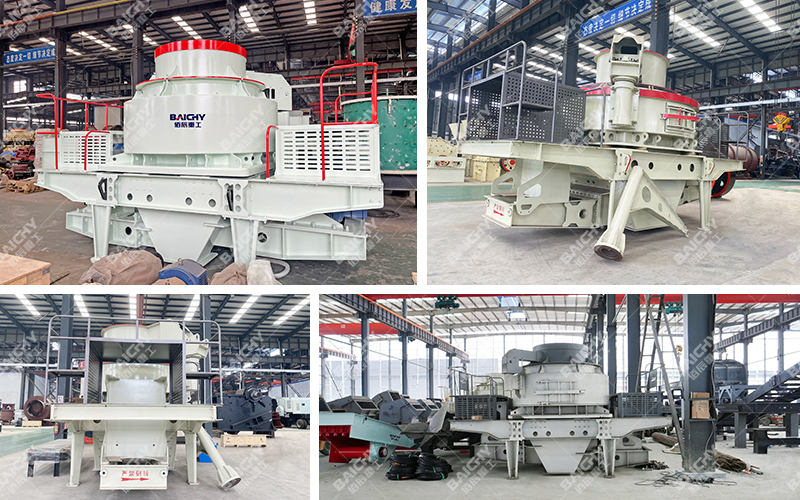
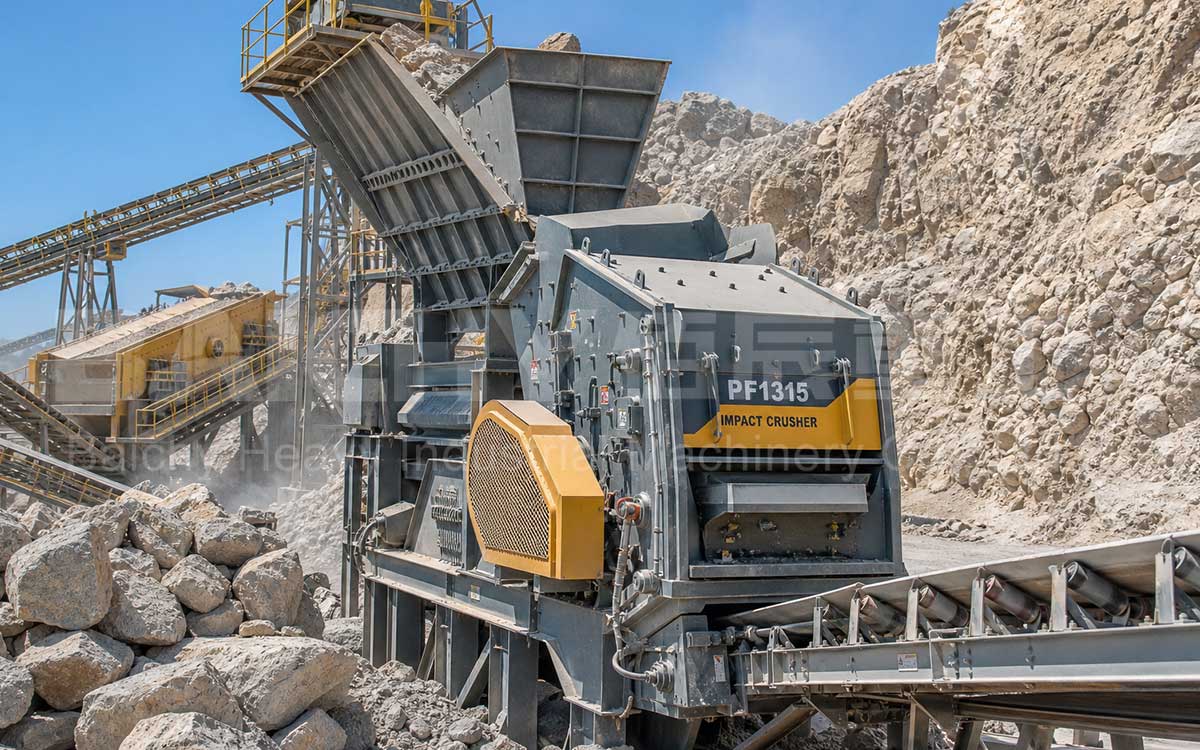
VSI sand crusher
II. Key Points of Daily Operation: Standardization is the Prerequisite for Efficiency
Standardized operation is the cornerstone of stable equipment operation. Operators must undergo professional training and strictly adhere to the following procedures.
2.1 Start-up and Shutdown Sequence and No-Load Operation
Before starting, a comprehensive inspection must be conducted to confirm that there is no material remaining in the machine, all inspection doors are closed, belt tension is appropriate, and lubricating oil level is normal. During startup, the ironclad rule of "no-load start-up and no-load shutdown" must be followed. That is, start the equipment first, and after the impeller reaches full speed, then feed material evenly and continuously through the feeder. When shutting down, feeding must be stopped first, and the main motor should only be turned off after the material in the crushing chamber has been completely emptied. This effectively avoids the huge impact on the motor and bearings caused by starting under load, as well as the difficulty of starting the next operation due to accumulated material.
2.2 Feed Control and Parameter Matching
Feed control is the core of operation. It is essential to ensure continuous and uniform feeding, meeting the maximum feed particle size and moisture requirements designed for the equipment. Avoid inconsistent feeding methods, such as "squeezing toothpaste," which leads to output fluctuations, uneven product gradation, and increased equipment vibration. Simultaneously, the impeller speed and the ratio of cascade feed to center feed should be adjusted reasonably according to the target finished product particle size requirements. Generally, increasing the speed helps obtain finer materials and better particle shape, but it also accelerates the wear of vulnerable parts; an optimal balance must be found.
III. Systematic Maintenance: Prevention is Better than Cure
A systematic preventative maintenance plan can eliminate most faults in their early stages, ensuring long-term trouble-free operation of the equipment.
3.1 Lubrication System Maintenance
Bearings are the "heart" of the VSI sand making machine, and lubricating oil is its "blood." Only the lubricating oil specified in the equipment manual should be used, and the oil level, temperature, and quality should be checked regularly. Generally, the oil quality should be checked every 400 hours of operation, and the bearing housing should be thoroughly cleaned and all lubricating oil replaced every 2000 hours of operation or 6 months (whichever comes first). In low-temperature winter or high-temperature summer environments, special attention should be paid to the lubricating oil's freezing point and oxidation resistance. Keeping the lubrication system clean and preventing dust, moisture, and impurities from entering is the most effective way to protect bearings and extend their lifespan.
3.2 Inspection and Replacement of Wear Parts
The daily maintenance of the VSI sand making machine focuses on monitoring wear parts. These mainly include peripheral guard plates, impact blocks (throwing heads), flow channel plates, and wear-resistant liners. A regular inspection system should be established, checking their wear condition through observation holes or by stopping the machine. When vulnerable parts wear down to a certain extent (usually marked with replacement lines), they must be replaced or their working surfaces swapped (e.g., the upper and lower guard plates are interchanged). Avoid the "use it until it's completely worn out" mentality, as excessively worn vulnerable parts will reduce crushing efficiency, increase energy consumption, and may even damage more expensive core components such as the impeller, causing greater losses. When replacing parts, ensure the weight balance of the wear-resistant parts to prevent severe vibration of the impeller due to uneven weight distribution.
3.3 Monitoring Vibration and Abnormal Noise
Vibration values and noise levels during equipment operation are the most direct indicators of its health. Operators should be familiar with the sound and vibration patterns of the equipment during normal operation. If abnormally increased vibration or irregular metallic clanging sounds are detected, the machine must be stopped immediately for inspection. Common causes include: uncrushable materials (such as iron blocks) in the feed, uneven wear of vulnerable parts leading to impeller imbalance, loose fastening bolts, and damaged bearings. Timely detection and handling can prevent small problems from escalating into major malfunctions.
IV. Our Advantages: Ensuring Stable Operation
As a professional manufacturer of mining crushing equipment, we offer more than just inpidual machines; we provide complete solutions. Our VSI sand making machines are designed and manufactured with operability and maintainability in mind:
• Modular wear parts design: Faster replacement, reducing downtime.
• Multi-sealed lubrication system: Effectively prevents dust intrusion, extending bearing life.
• Convenient inspection and observation doors: Facilitates daily inspection and maintenance.
• Comprehensive technical training: Providing hands-on training for our customers' operation and maintenance teams to ensure procedures are implemented effectively.
• Rapid spare parts supply: Ample inventory of wear parts ensures customers do not experience prolonged production stoppages due to waiting for spare parts.
V. Success Stories: The Long-Term Value of Standardized Maintenance
A large building materials group adopted two of our VSI-1145 sand making machines in its 5 million-ton-per-year manufactured sand production line. The customer strictly followed our operation and maintenance manual, establishing detailed inspection checklists and preventative maintenance plans. As a result, the equipment has operated stably for over three years, with an average annual effective operating rate exceeding 95%. The particle size and gradation of the produced manufactured sand have remained consistently stable, fully meeting the standards for high-performance concrete sand. Compared to another production line using the same equipment but with less robust maintenance, its overall cost of wear parts has decreased by approximately 15%, and the overall efficiency of the equipment has significantly improved. This fully demonstrates the long-term value of scientific maintenance.
VI. Recommended Related Equipment
To achieve optimal sand production results and production line balance, the VSI sand making machine typically needs to be paired with the following equipment to form a production line:
• Feeding equipment: Vibrating feeder, ensuring uniform and continuous feeding.
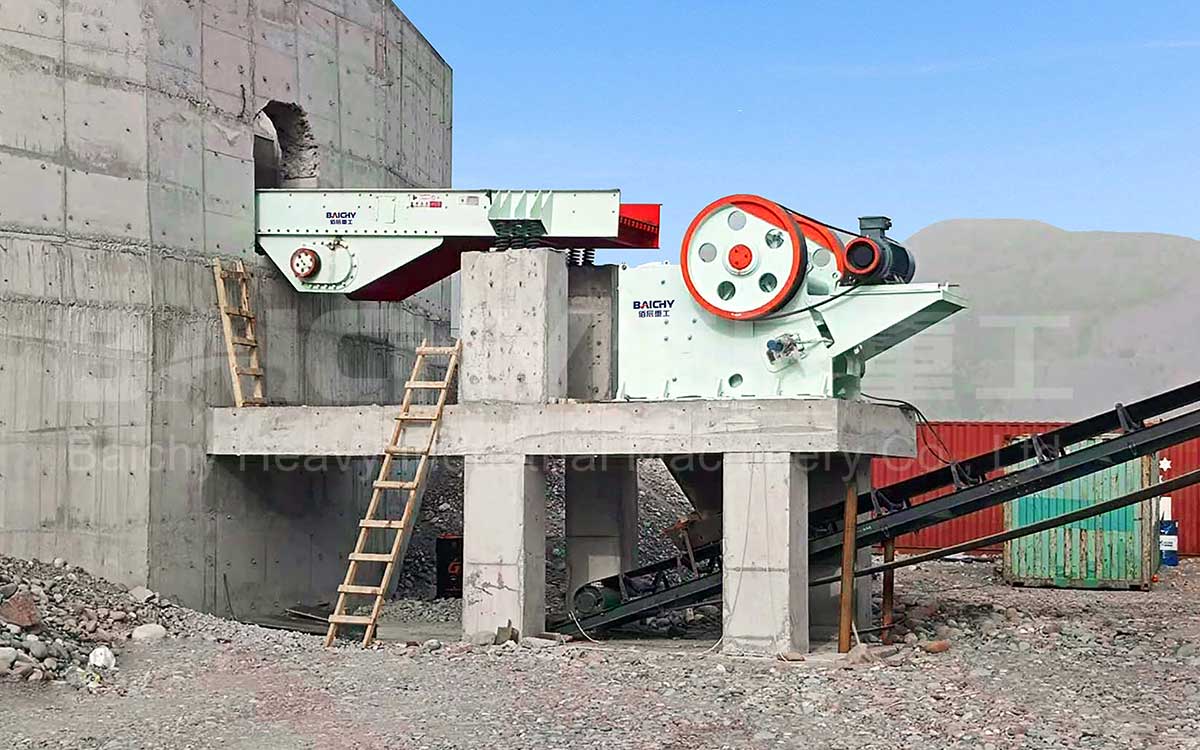
• Pre-crushing equipment: Jaw crusher, cone crusher, used for coarse and medium crushing of raw materials, controlling the particle size of the material entering the sand making machine.
• Screening equipment: Circular vibrating screen, used to classify the output of the sand making machine; qualified finished products are stored, while substandard materials are returned or sent to the next crushing stage.
• Dust removal and wastewater treatment system: Protecting the environment and achieving green production.
VII. Frequently Asked Questions (FAQ)
Q1: What could be the cause of a sudden increase in vibration during VSI sand making machine operation?
A1: The most common causes are fourfold: 1) Unbreakable metal or other hard objects are mixed into the feed; 2) Uneven wear of vulnerable parts (such as impact blocks) leads to impeller dynamic imbalance; 3) Loose bolts (especially those on the impeller and wear-resistant parts); 4) Damaged main shaft bearings. The machine should be stopped immediately, and each component should be checked sequentially.
Q2: How to determine if the bearing needs lubricating oil replacement?
A2: In addition to following a fixed time cycle (e.g., 2000 hours), you can use visual inspection, smell, and touch to help determine the cause: Observe if the lubricating oil is noticeably darkened, emulsified (milky white), or contains a large amount of metal shavings; smell for a burnt odor; feel (after shutdown) if the bearing temperature is abnormally high. If any of these situations occur, consider replacing the lubricating oil and checking the bearing condition.
Q3: To reduce operating costs, can wear parts be left to wear out completely before replacement?
A3: This is strongly discouraged. Wear parts have an optimal economic replacement point. Excessive wear will directly lead to: 1) decreased crushing efficiency and increased energy consumption; 2) worsened product particle shape and unstable gradation, affecting selling price; 3) potential damage to non-wear parts such as impellers and cylinders, causing maintenance costs to rise exponentially. It's simply not worth it. Regular inspections are necessary, and parts should be replaced promptly when they reach the wear line.
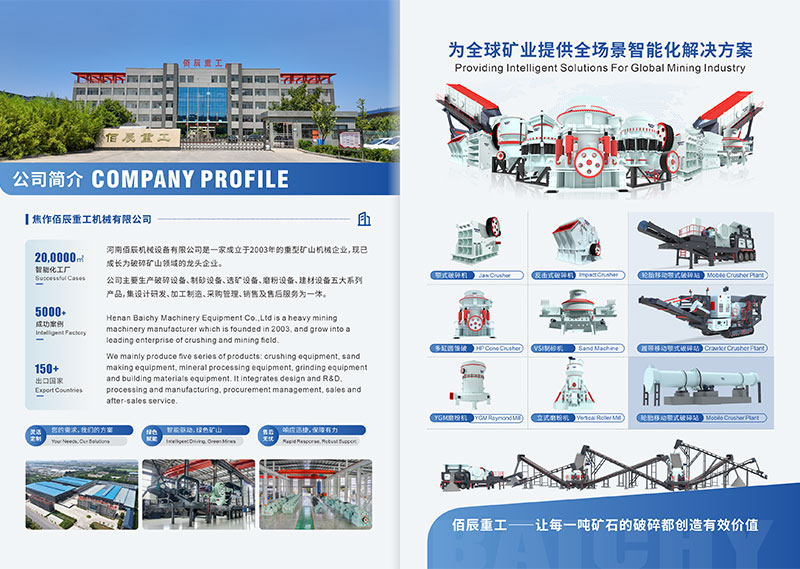
About of Baichy Heavy Industry
Baichy Heavy Industry is a high-tech mining equipment company integrating R&D, manufacturing, sales, and after-sales service. Focusing on crushing, grinding, and mineral processing equipment, we provide professional solutions to our customers. We are ISO9001:2015 、certified, and our products include mobile crushing palnts, crawler crushing plant, construction waste crushing plants, jaw crushers, sand making machines, cone crushers, fine crushers, grinding mills, ball mills, etc., all with reliable performance to meet diverse project needs.
Our advantages:
• Professional pre-sales support: Free project design and comprehensive solutions to help you accurately select the right equipment;
• Comprehensive on-site service: Providing installation guidance and worker training to ensure smooth equipment commissioning;
• Reliable after-sales guarantee: A complete after-sales system, timely response to technical inquiries and equipment maintenance, ensuring long-term stable operation.
To protect your rights, please contact us through the following official channels for professional service:
Official Website Customer Service
WhatsApp: 0086-15093222637
Email: [email protected]
We are committed to providing high-quality equipment and full-cycle services to deliver comprehensive intelligent solutions for the global mining industry!