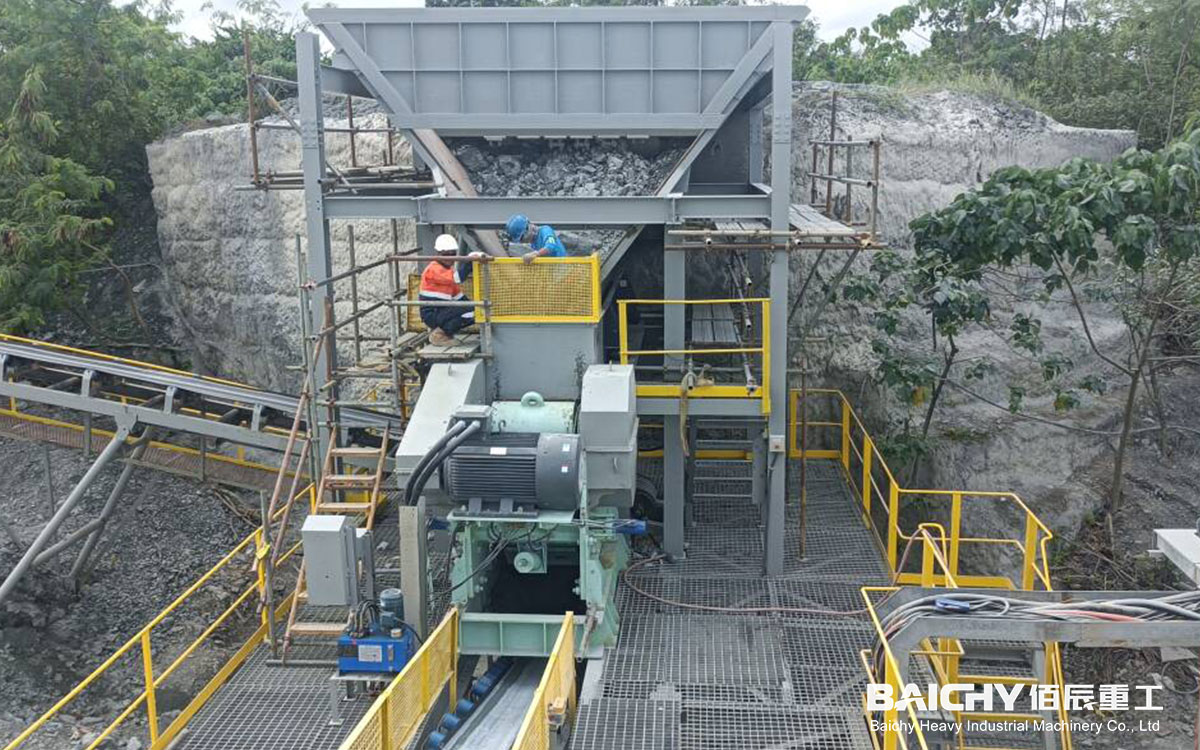
24x36 Jaw Crusher with Double-Deck Screen
A 24"x36" jaw crusher paired with a double-deck vibrating screen and three conveyor belts appears complete — but the absence of a secondary cone crusher in closed-circuit creates a hidden efficiency loss of 15-25%. Oversized material (+2.5"/63mm) returned directly to the jaw crusher generates excessive recirculating loads, accelerates liner wear, and increases energy cost per ton. The fix is straightforward: insert a cone crusher between the screen's oversize return belt and the screen itself, forming a true closed loop. The investment typically pays back in 6-8 months through reduced wear parts and 20-30% higher net throughput.
Client Scenario
A recent inquiry from a medium-scale aggregate producer outlined this configuration:
"Jaw crusher 24 x 36, criba vibratoria de 2 camas — primer cama 2-1/2" de abertura, segunda cama 1" abertura en la malla, 1 banda de retorno para gruesos, 2 bandas para producto terminado y otra para los finos."
In plain terms: a 24x36 primary jaw crusher feeding a double-deck screen (2.5" top deck / 1" bottom deck), with one oversize return belt, two finished product belts, and one fines belt. On the surface, a functional setup. But a closer look reveals a critical gap.
Core Equipment Configuration Analysis
1. Primary Crushing: 24 x 36 Jaw Crusher
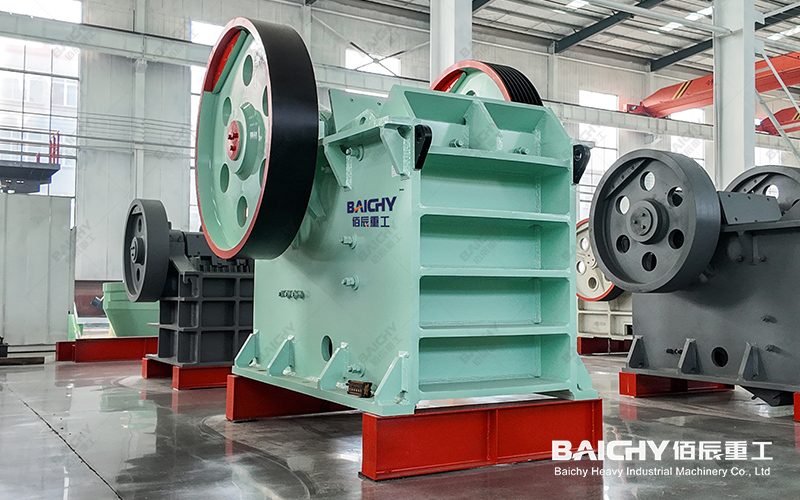
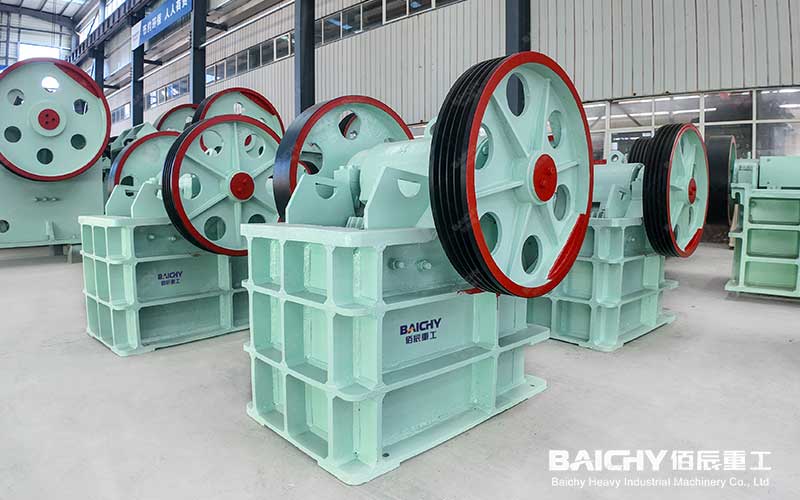
The 24"x36" (PE-600x900) jaw crusher is a workhorse in the 50-120 TPH class, widely used in quarry and mining primary crushing applications. Its feed opening accepts raw blasted rock up to 500mm, delivering a discharge setting adjustable from 65-160mm.
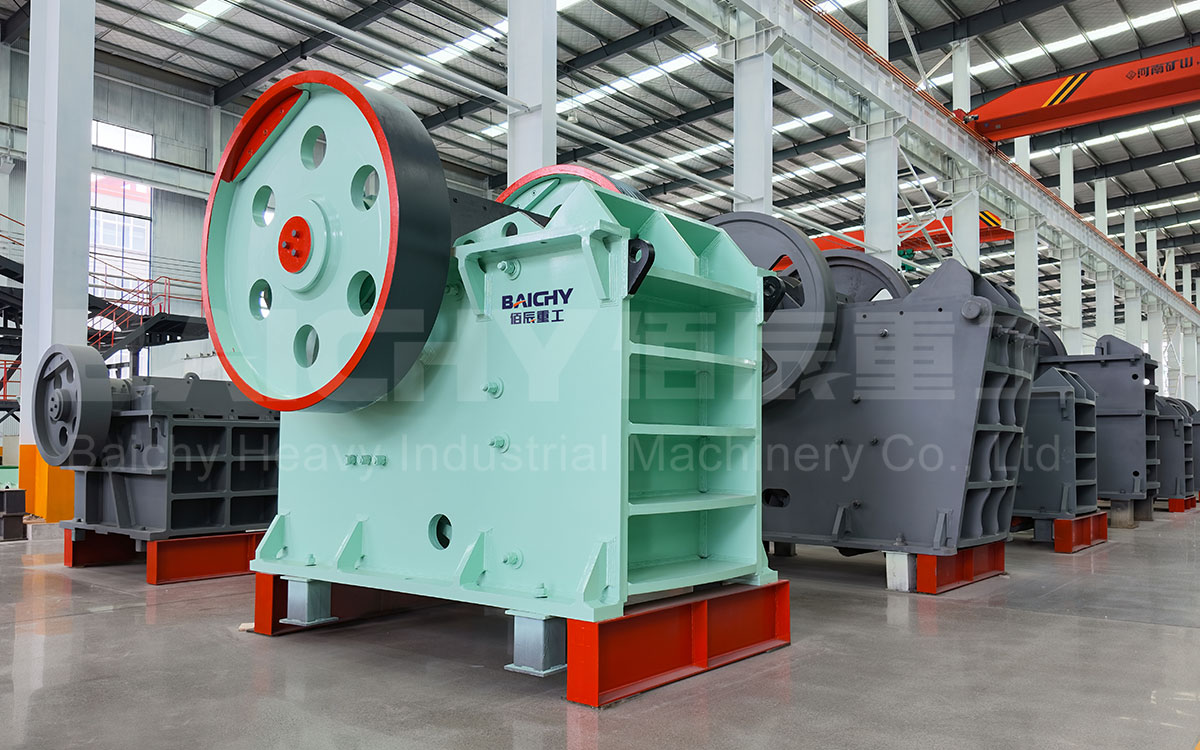
24x36-Jaw-Crusher---PE600x900-Jaw-Crusher
| Parameter | PE-600x900 (24"x36") |
| Feed Opening | 600 x 900 mm (24" x 36") |
| Max Feed Size | 500 mm (~20") |
| Discharge Range | 65-160 mm |
| Capacity | 50-120 TPH |
| Motor Power | 55-75 kW |
| Eccentric Shaft Speed | 250 rpm |
| Weight | ~15.5 tons |
This crusher excels at primary reduction but is not designed for closed-circuit recirculation — its reduction ratio (typically 4:1 to 6:1) means oversized returns are processed inefficiently compared to a dedicated secondary unit.
2. Screening: Double-Deck Vibrating Screen (2.5" upper / 1" lower)
The 2YK-series double-deck screen performs three-way classification:
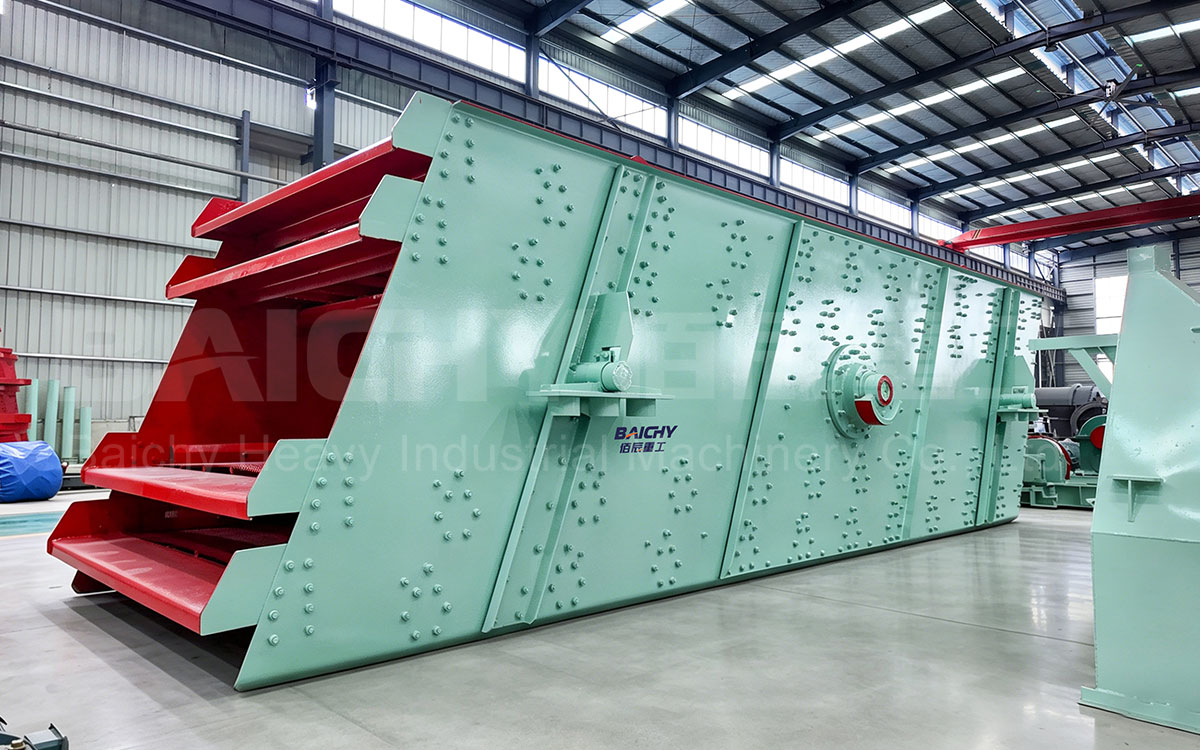
Double-Deck Screen Solution
| Deck | Aperture | Material Destination |
| Upper (1st Deck) | 2.5" (63mm) | Oversize → Currently returns to jaw crusher |
| Lower (2nd Deck) | 1" (25mm) | 1-2.5" → Finished Product #1 (road base, railway ballast) |
| Through-Deck | <1" | Fines → Further processing or final sale |
The 1-2.5" fraction typically meets specifications for sub-base aggregates (ASTM D2940 / EN 13242), while the <1" fraction can be screened further into concrete sand (0-5mm) and chip stone (5-25mm) depending on market demand.
3. Material Conveying System
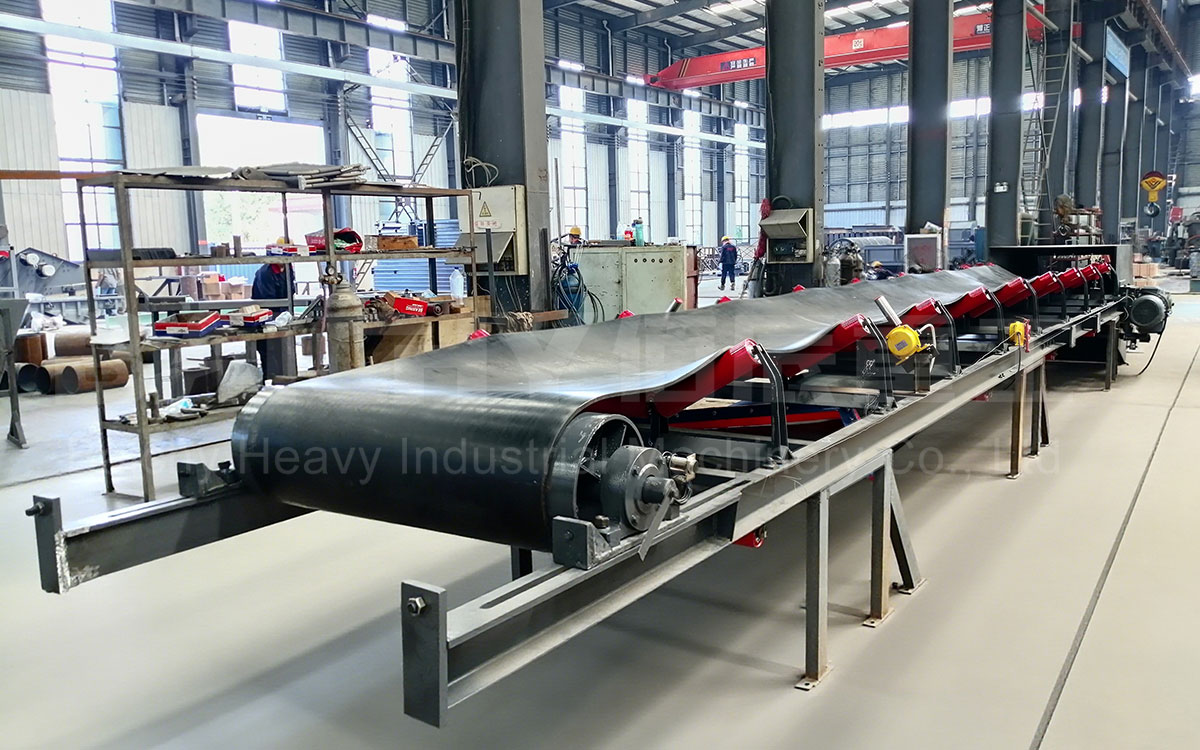
Material Conveying System
| Belt | Function | Current Destination |
| Belt 1 | Oversize return (+2.5") | → Jaw crusher (inefficient) |
| Belt 2 & 3 | Finished products (1-2.5") | → Stockpile |
| Belt 4 | Fines (<1") | → Next processing or stockpile |
Customer Needs and Production Goal Analysis
1. Multi-Product Output
The client requires at least two, and likely three, finished aggregate sizes — indicating a commercial quarry or contract crushing operation serving construction and infrastructure markets.
2. Product Quality Requirements
The specification of a double-deck screen with tight aperture control (2.5" and 1") suggests strict gradation requirements, common in government road projects and ready-mix concrete supply chains.
3. Flexibility & Expandability
The modular belt arrangement implies the client anticipates future upgrades — which makes the current missing secondary crusher an even more urgent priority.
The Critical Missing Piece: Secondary Cone Crusher
Why Direct Recirculation to the Jaw Crusher Fails
Returning +2.5" material directly to the jaw crusher creates a recirculating load problem:
| Factor | Direct Return to Jaw | With Secondary Cone |
| Recirculating Load Ratio | 25-40% | 10-15% |
| Energy per Ton (oversize fraction) | ~1.8-2.2 kWh/t | ~0.9-1.2 kWh/t |
| Liner Wear Rate | 1.5x-2x baseline | 1.0x baseline |
| Product Flakiness Index | 25-35% | 10-15% |
| Net Throughput (usable product) | 70-80% of feed | 90-95% of feed |
The economics are clear: every ton of recirculated oversize costs approximately $0.35-$0.50 in extra wear parts, energy, and lost production time. For a 50,000-ton-per-year operation, that is $17,500-$25,000 in avoidable costs annually.
The Closed-Circuit Solution
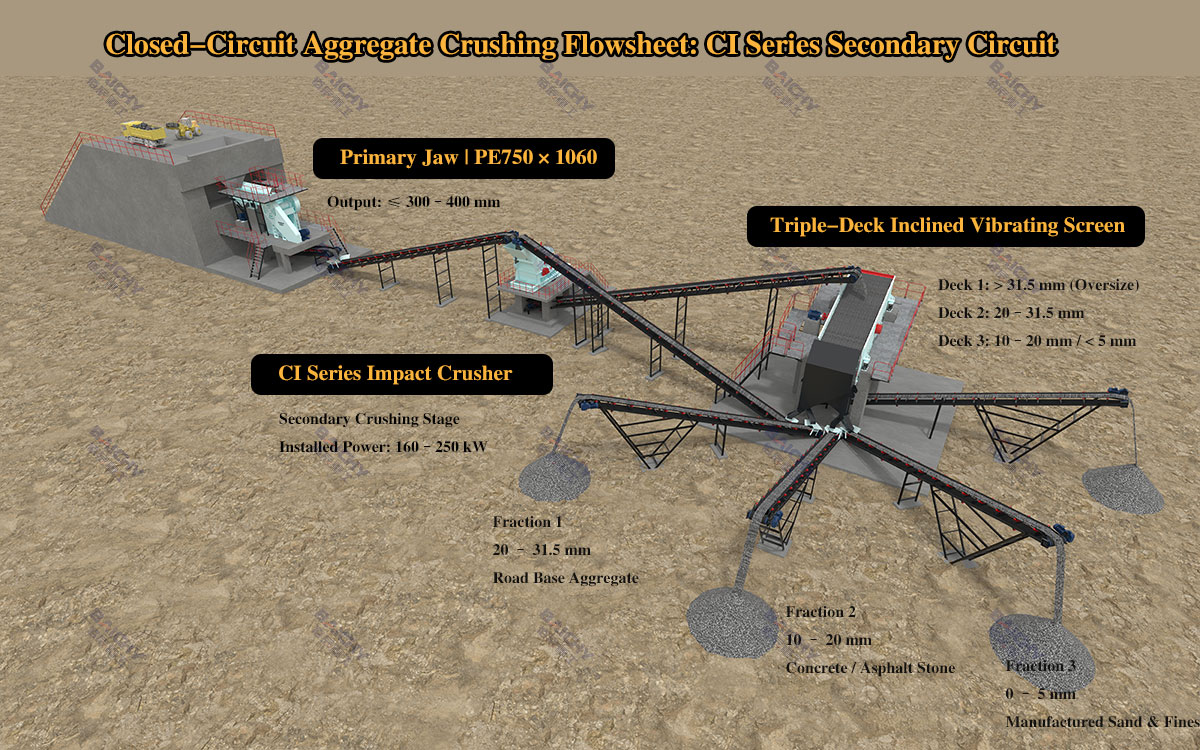
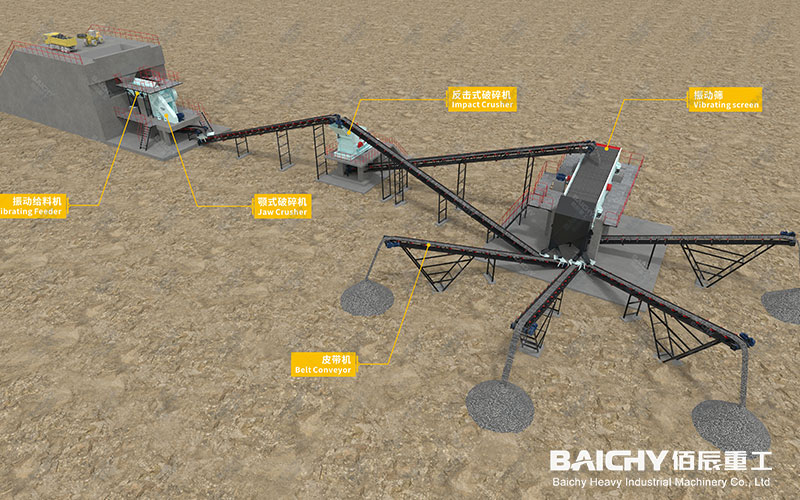
Raw Feed → [24x36 Jaw Crusher] → [Hydraulic Cone Crusher] → [2-Deck Screen]
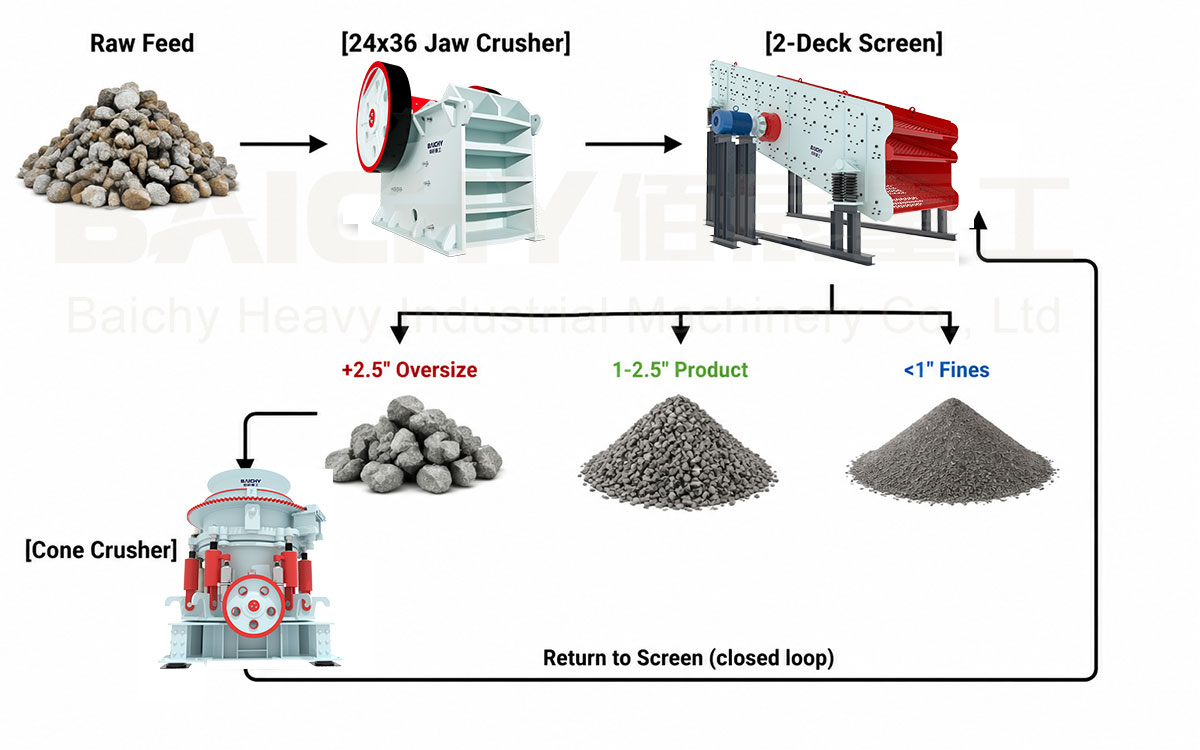
69-Jaw-Crusher-Production-Line-Flowchart
A cone crusher (e.g., PYB-900 or PYB-1200) in secondary position provides:
• Higher reduction ratio (6:1 to 8:1): Processes oversize in a single pass
• Cubical particle shape: Lower flakiness index commands higher selling price per ton
• Lower wear cost: Cone liners are designed for secondary crushing duty
• Interchangeable concave profiles: Adapt to different rock hardness without equipment change
Investment vs. Payback
| Item | Estimate |
| Cone Crusher (PYB-900 installed) | $22,000-$28,000 |
| Foundation & Conveyor Modifications | $5,000-$8,000 |
| Total CAPEX | $27,000-$36,000 |
| Annual Savings (wear + energy) | $17,500-$25,000 |
| Additional Revenue (improved shape, +8-12% price premium) | $15,000-$30,000 |
| Payback Period | 6-8 months |
FAQ: Common Questions About 24x36 Jaw Crusher Setup
Q: Why is returning oversized material directly to a jaw crusher inefficient?
Returning +2.5" material to the jaw crusher creates high recirculating loads (25-40%) because the jaw's reduction ratio is not optimized for mid-sized feed. Each re-crush cycle consumes nearly the same energy as primary crushing but produces diminishing returns. A dedicated cone crusher achieves the same size reduction in one pass at half the energy cost.
Q: What is the optimal secondary crusher for a 24x36 jaw crusher line?
For hard rock (granite, basalt) producing construction aggregates, a PYB-900 or PYB-1200 spring cone crusher is the standard recommendation. For softer materials (limestone), a PF-1010 or PF-1210 impact crusher may offer better particle shape at lower wear cost. Baichy engineers can recommend based on your specific material hardness and output target.
Q: How do I reduce dust emissions at screen and conveyor transfer points?
Install water spray systems at each transfer point (screen discharge, belt-to-belt transitions) and enclose the screen deck with rubber curtains. For high-regulation markets, a baghouse dust collector (pulse-jet type) on the screen enclosure achieves <20 mg/Nm³ emission levels. Total dust suppression investment typically ranges from $8,000-$15,000.
Q: Can I produce manufactured sand from the <1" fines fraction?
Yes. The <1" (25mm) undersize from the 2-deck screen is ideal feed for a vertical shaft impact (VSI) crusher configured for sand making. Adding a VSI stage transforms the fines belt into a high-value manufactured sand line (0-5mm), with product selling at 2x-3x the price of unscreened crusher dust.
Inferred Application Scenarios
Based on the configuration, the most likely end-use scenarios are:
1. Highway & Road Construction: 1-2.5" sub-base aggregate + <1" base course material — consistent with national highway specifications across Latin America, Africa, and Southeast Asia
2. Commercial Concrete Batching: Multiple aggregate fractions for custom concrete mix designs
3. Railway Ballast + Sub-ballast: The 1-2.5" fraction matches standard ballast specifications (AREMA No. 4 / EN 13450 Class B)
Baichy Heavy Industry's Advantage
At Baichy, we do not just sell crushers — we design complete crushing circuits. Our engineering team provides:
• Free process flow design based on your raw material, capacity target, and final product specification
• 3D plant layout drawings showing equipment placement, conveyor routing, and foundation requirements
• On-site commissioning support through our global service network spanning 30+ countries
• Wear parts lifecycle analysis to optimize liner change intervals and reduce downtime
With 50+ complete aggregate plants deployed across Africa, South America, and Southeast Asia, we understand the real-world economics of every ton crushed.