
In heavy industries such as power generation, cement, and steel, the efficient and stable combustion of coal is the cornerstone of ensuring production operations and energy efficiency. The key process of converting raw coal into qualified pulverized coal is accomplished by coal mills. As a leading manufacturer of mining crushing and grinding equipment, we not only provide crushing and sand-making equipment but also deeply participate in the front-end grinding process of coal processing. This article will systematically answer "What is a Coal Mill?" and "How does it work?", giving you an in-depth understanding of this "heart" equipment in industrial power systems.
I. What is a Coal Mill?
A coal mill is an industrial grinding equipment specifically used to grind lump raw coal into uniformly fine pulverized coal. Its core task is not only "grinding," but also includes integrated operations of drying, grinding, classifying, and conveying. Raw coal usually contains a certain amount of moisture and has varying particle sizes, resulting in low combustion efficiency. Coal mills, through physical grinding, greatly increase the specific surface area of the coal, allowing it to fully mix with air in boilers or kilns, achieving efficient and vigorous suspension combustion, thereby significantly improving thermal efficiency and combustion stability.
II. Main Types of Coal Mills
According to different structures and working principles, mainstream coal mills are mainly divided into two categories:
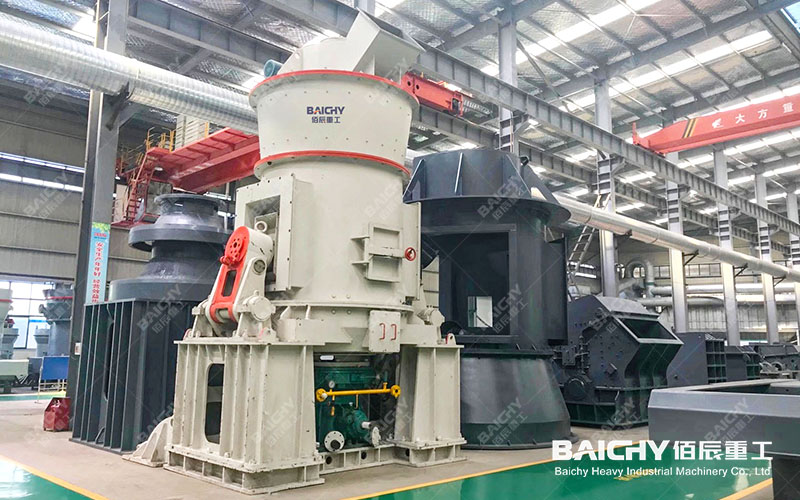
Vertical Roller Mill: The current mainstream and highly efficient technical solution. Its working principle is similar to a vertical slag mill, using hydraulically pressurized grinding rollers to crush coal on a rotating grinding disc. Hot air is blown in from the bottom of the grinding disc, powerfully drying the wet coal while grinding. The ground pulverized coal is blown upwards by the hot air to a dynamic classifier above; qualified fine powder is carried away, and coarse powder falls back for regrinding. Its characteristics include high efficiency, low energy consumption, strong drying capacity, and small footprint, making it particularly suitable for large-scale, high-moisture pulverized coal preparation.
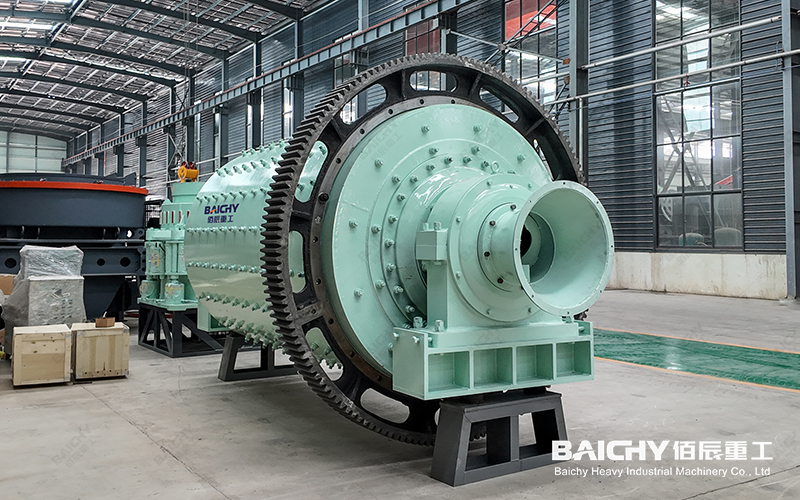
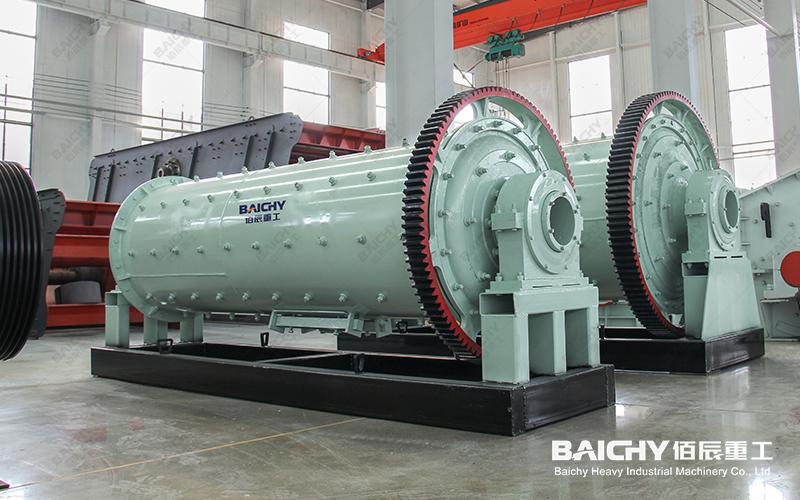
Ball Mill: A traditional but reliable piece of equipment. It is a horizontally placed drum containing a certain proportion of steel balls. As the drum rotates, the steel balls are carried to a certain height and then dropped, crushing the coal lumps through impact and grinding. Hot air is introduced from both ends, completing grinding and drying within the drum. Its characteristics include reliable operation, simple maintenance, and insensitivity to foreign objects, but it suffers from drawbacks such as high energy consumption, high noise levels, and a complex system, and is gradually being replaced by vertical mills.
III. How does a coal mill work? – Taking a mainstream vertical coal mill as an example
A complete coal mill system is an automated, continuously operating closed-loop process. Its working process is as follows:
Feeding and Pre-drying: Raw coal (particle size usually ≤25mm), after initial crushing by a crusher, is fed into the vertical mill by an airlock feeder and falls onto the center of the rotating grinding disc. At the same time, hot air (approximately 300°C) from the kiln head or hot air furnace is blown in at high speed from the air ring at the bottom of the mill. The material comes into contact with the rising hot air during its descent, beginning the initial drying process.
Grinding and Simultaneous Drying: The grinding disc rotates driven by a reducer, and the material is thrown towards the edge of the grinding disc by centrifugal force. As it passes between the grinding disc and grinding rollers, which are equipped with wear-resistant liners, it is crushed by the immense pressure applied by the hydraulic system. This "material bed grinding" process has extremely high energy utilization efficiency. Throughout the entire grinding area, the high-temperature airflow continuously penetrates the material layer, allowing for simultaneous crushing and deep drying.
Classification and Collection: The crushed and dried coal powder-air mixture is carried by the high-speed rising airflow to the dynamic classifier above. The classifier rotates at high speed, and by adjusting the rotation speed, the desired coal powder fineness can be precisely controlled (for example, the percentage passing through an 80μm sieve). The qualified fine powder enters the next dust collection equipment (usually an explosion-proof bag filter) with the airflow, is captured to become finished coal powder, and is transported to the coal powder silo for storage. Unqualified coarse particles are separated by the classifier blades and fall back onto the grinding disc for re-grinding, forming a closed loop.
Exhaust Gas Treatment and Safety Control: The entire system operates under negative pressure to prevent dust leakage. Due to the flammable and explosive nature of pulverized coal, modern coal grinding systems integrate a series of strict safety measures, such as explosion-proof valves, inert gas protection (e.g., N₂, CO₂), online monitoring of gas temperature and oxygen content, and explosion suppression systems, to ensure safe operation.
IV. Technical Insights and Selection Recommendations from the Original Equipment Manufacturer
Choosing a suitable coal mill is crucial for balancing efficiency, safety, and investment. We recommend that customers consider the following points:
Coal quality characteristics are fundamental: The grindability index, volatile matter, moisture content, and ash content of the raw coal are the primary basis for selection and design. High-moisture, difficult-to-grind coal types require vertical mills with strong drying capabilities and high grinding power, and higher power configurations.
Safety design is paramount: It is essential to choose a supplier with a mature explosion-proof design and safety interlock control system. Avoiding coal accumulation points inside the mill, controlling grinding temperature, and monitoring key parameters are core elements in preventing combustion and explosion.
Wear resistance and reliability: The material of the grinding rollers and grinding disc liners (such as high-chromium cast iron, ceramic composite materials) directly determines the maintenance cycle and operating costs. A reliable hydraulic pressurization system and gearbox are guarantees for long-term stable operation.
System energy efficiency is a competitive advantage: Vertical coal mills have significant power-saving advantages. The unit power consumption for integrated drying and pulverizing is far lower than traditional ball mill systems, making them the preferred choice for cost reduction and efficiency improvement.
Supplier's full-chain service capabilities: From coal quality testing, solution design, core component casting to installation and commissioning and spare parts supply, the original equipment manufacturer can provide more integrated solutions and faster response support.
A coal mill is far more than a simple "coal grinding machine"; it is a highly integrated, automated, and precise system with built-in rigorous safety logic. Against the backdrop of "dual carbon" goals, an efficient, low-consumption, and safe modern coal mill not only provides stable and high-quality "industrial fuel" for downstream combustion systems but is also one of the core pieces of equipment for enterprises to achieve energy saving and consumption reduction, safe production, and improved overall efficiency. Understanding its working principles and making scientific selections are important steps in building a modern and intelligent industrial production line.
Q: Why does pulverized coal need to be dried inside the mill? What are the requirements for the hot air temperature?
A: The moisture content in raw coal reduces its calorific value, leading to difficult ignition and unstable combustion. Drying the coal simultaneously inside the mill removes moisture and improves combustion efficiency. The hot air temperature needs to be strictly controlled (inlet typically ≤300°C, outlet ≤70-90°C) to ensure drying effectiveness while preventing spontaneous combustion and explosion of the pulverized coal due to excessive temperature.
Q: How to choose between vertical coal mills and traditional ball mills for coal pulverization?
A: Vertical coal mills are the mainstream trend due to their low energy consumption (20-30% energy saving), strong drying capacity, small footprint, and low noise, making them especially suitable for large and medium-sized operations and raw coal with high moisture content. Traditional ball mill systems are complex and have high power consumption, but they are extremely reliable and insensitive to metal foreign objects. They are still used in some specific retrofitting or special coal type scenarios.
Q: What are the explosion-proof safety measures for coal mill systems?
A: Modern coal mill systems employ multiple explosion-proof designs: 1) Avoiding coal accumulation dead zones inside the equipment; 2) Installing multiple explosion-proof pressure relief valves for directional pressure relief during sudden pressure increases; 3) Real-time monitoring of mill inlet and outlet temperature, oxygen, and CO concentration; 4) Equipped with an inert gas (such as N₂) injection system for automatic inerting in case of abnormalities; 5) Using explosion-proof motors and electrical equipment for critical components.
Q: How is the fineness of pulverized coal controlled and measured? How does fineness affect combustion?
A: Fineness is mainly adjusted online by the speed of the dynamic classifier at the top of the mill; the higher the speed, the finer the selected pulverized coal. Fineness is usually measured using a laser particle size analyzer or sieve analysis (such as R90 or R200 values). Pulverized coal that is too coarse results in incomplete combustion and large heat loss; while coal that is too fine increases mill energy consumption and is prone to spontaneous combustion. The optimal economic fineness needs to be determined based on the coal type and burner requirements.
Q: As a manufacturer, how do you determine the appropriate coal mill model and solution for your customers?
A: We follow a strict "experiment first, data-driven" process. First, the client needs to provide representative raw coal samples for a full range of physical and chemical analyses (including grindability, moisture content, volatile matter, etc.) and small-scale grinding experiments in our laboratory. Based on the experimental results, combined with the client's required parameters such as production capacity, fineness, and moisture content, we perform precise model calculations and equipment selection, and recommend a matching drying heat source and safety system solution to ensure reliable design.