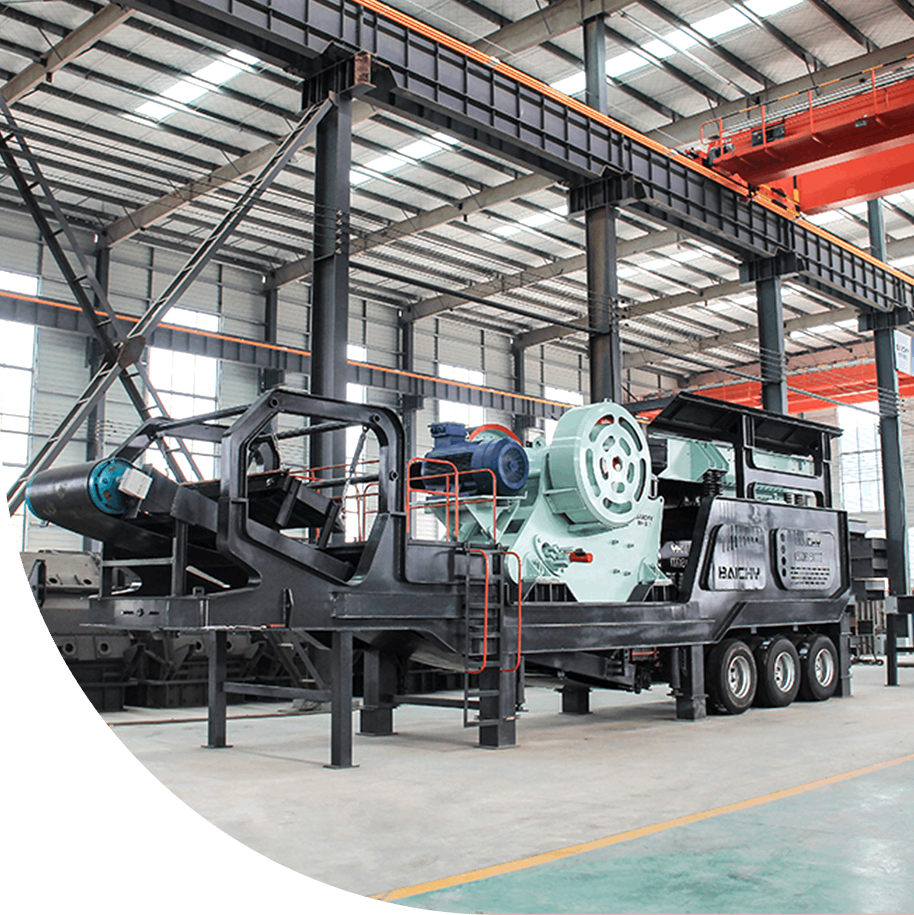

In crushing production lines across industries such as mining, building materials, and metallurgy, the first crushing stage is crucial, directly determining the efficiency of the entire production system and the quality of subsequent products. The equipment undertaking this core task is the primary crusher, also known as a coarse crusher or first-stage crusher. It is the "vanguard" of material crushing and an indispensable cornerstone of modern production processes.
I. What is a Primary Crusher?
A primary crusher is specifically designed to process large chunks of ore or stone extracted from mines. These raw materials are enormous, potentially reaching a meter or more in size, making them unsuitable for direct feeding into medium or fine crushing equipment. The primary crusher's task is to use its powerful force to crush these massive materials into smaller particles (typically around 100-250mm) suitable for subsequent processing.
II. Mainstream Primary Crusher Types and Their Working Principles
Based on different crushing principles and structures, common primary crushers mainly include the following:
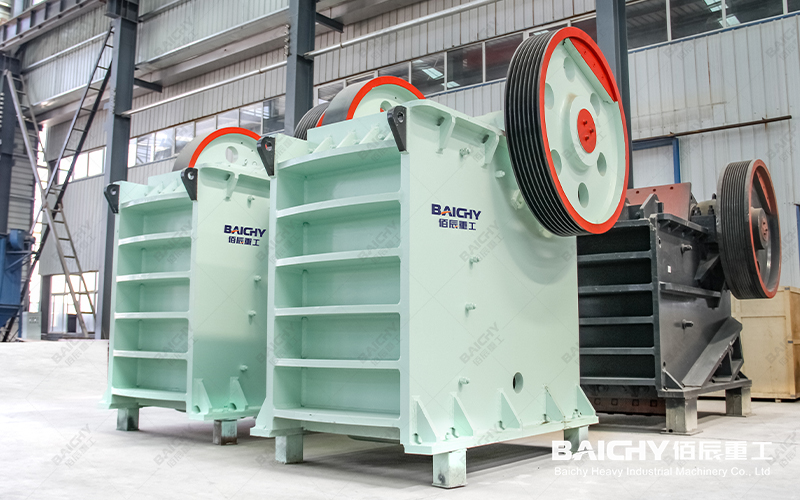
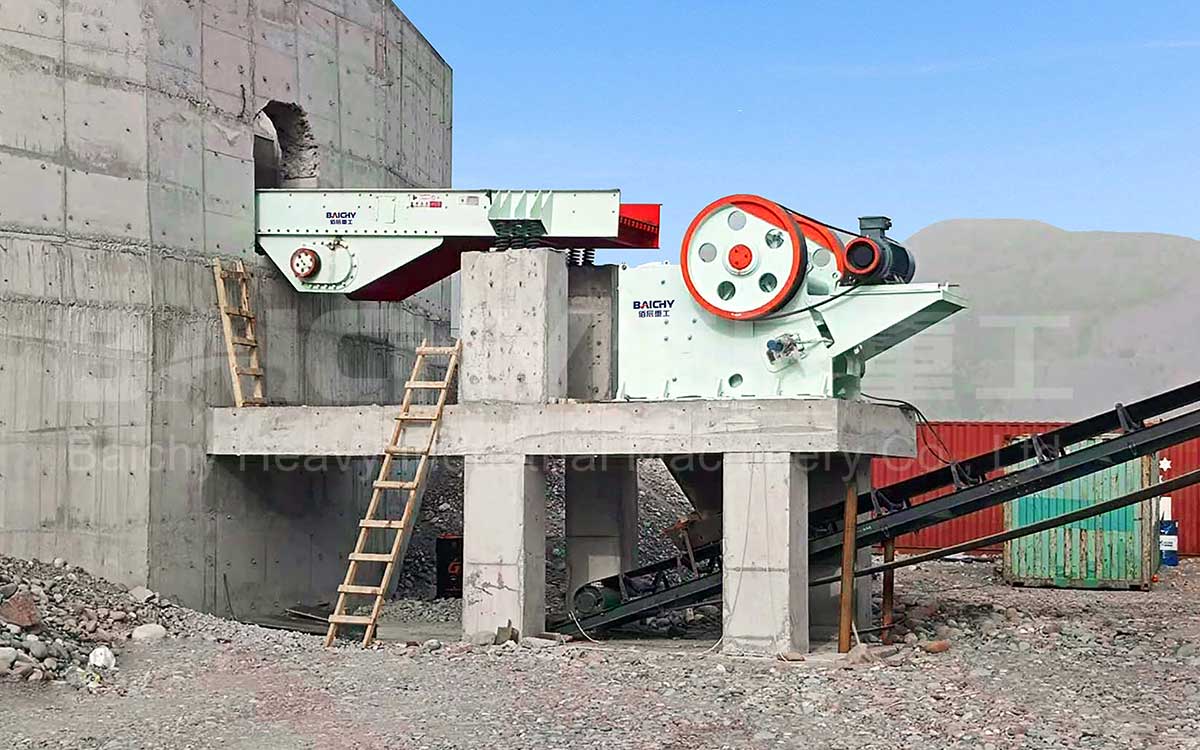
1. Jaw Crusher:
◦ Working Principle: Mimicking the movement of an animal's jaws, the moving jaw plate periodically approaches and moves away from the fixed jaw plate, squeezing, splitting, and bending the material sandwiched between the two jaw plates to achieve crushing.
◦ Features: Simple structure, reliable operation, strong adaptability, capable of handling materials of almost all hardness, it is the most widely used primary crushing equipment.
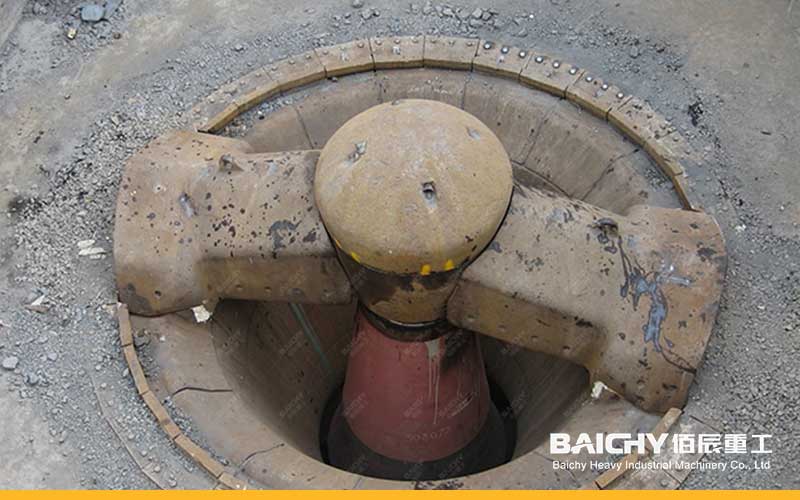
2. Gyratory Crusher:
◦ Working Principle: The crushing component is a moving cone mounted on a vertical shaft. Driven by an eccentric sleeve, the moving cone gyrates, constantly approaching and moving away from the fixed cone, squeezing and bending the material to crush it.
◦ Features: Huge processing capacity, continuous feeding and discharging, high production efficiency, particularly suitable for large-scale mines and large-scale production lines.
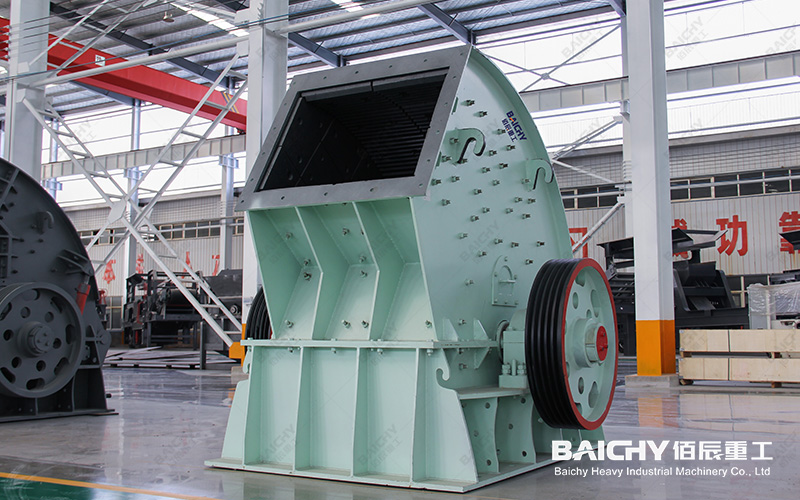
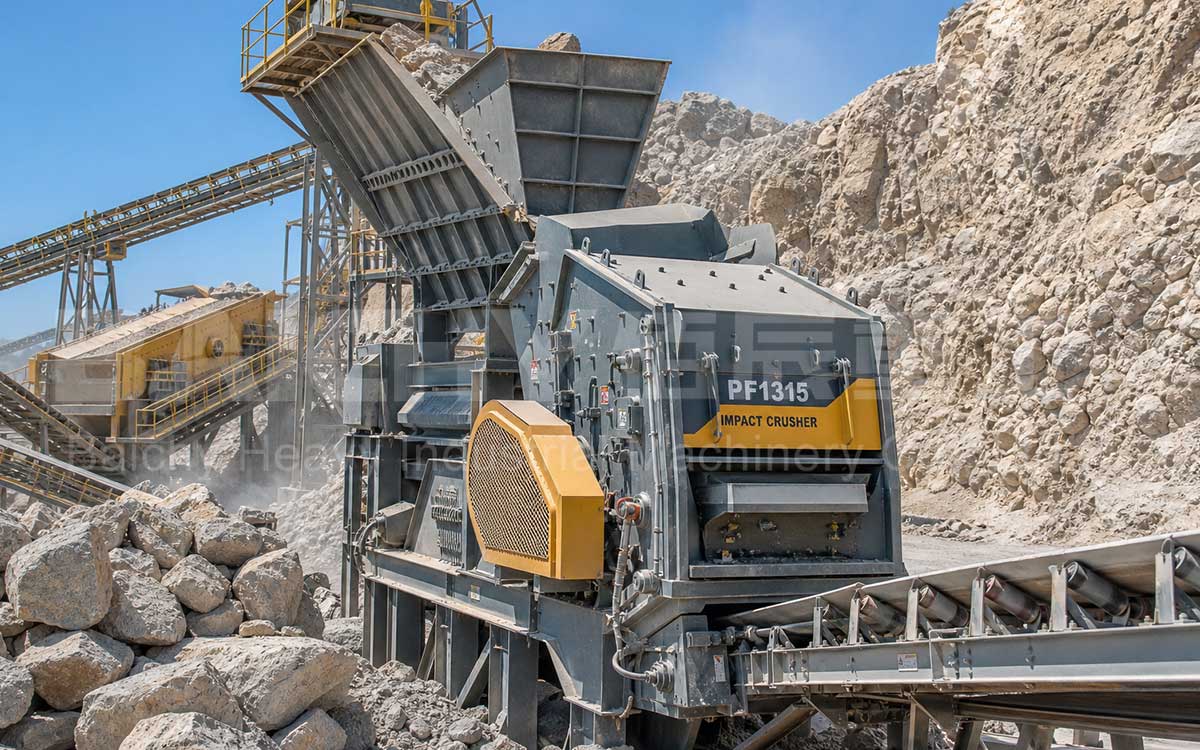
3. Heavy-Duty Hammer Crusher:
◦ Working Principle: Utilizes hammers on a high-speed rotating rotor to impact and crush materials, breaking large pieces into smaller particles in a single pass, achieving "one-time molding."
◦ Features: High crushing ratio, high output, relatively low energy consumption, suitable for materials with medium to low hardness.
III. How to Choose a Suitable Primary Crusher?
Choosing a suitable primary crusher is crucial for ensuring the efficient operation of the production line. You need to consider the following core factors:
• Material Characteristics: Material hardness, moisture content, viscosity, maximum feed size, etc.
• Capacity Requirements: How many tons of material need to be processed per hour?
• Output Particle Size: What size of product do you expect after crushing?
• Investment and Operating Costs: Including equipment purchase cost, installation cost, energy consumption, and maintenance cost.
An excellent primary crusher is the "heart" of the entire aggregate or mineral processing production line. It is not only a guarantee of efficiency but also the cornerstone of stability and reliability. Choosing a suitable primary crusher means laying a solid foundation for the success of your project.