
Mobile crushing plant
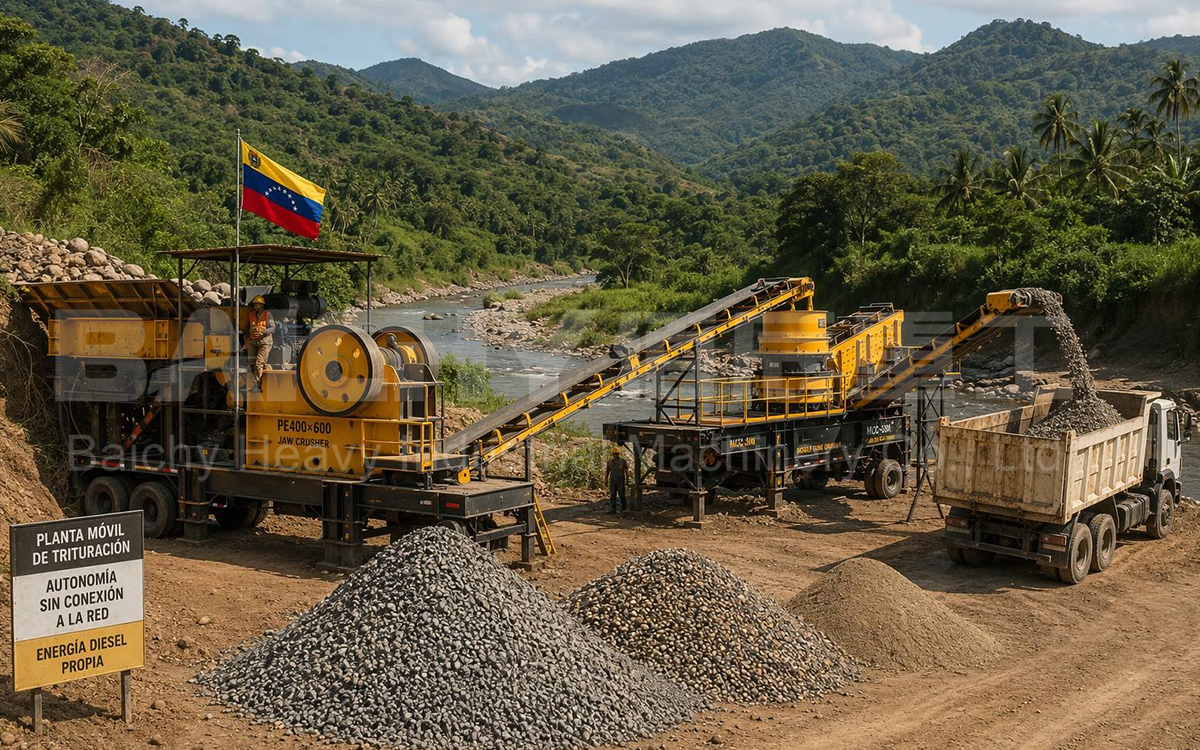
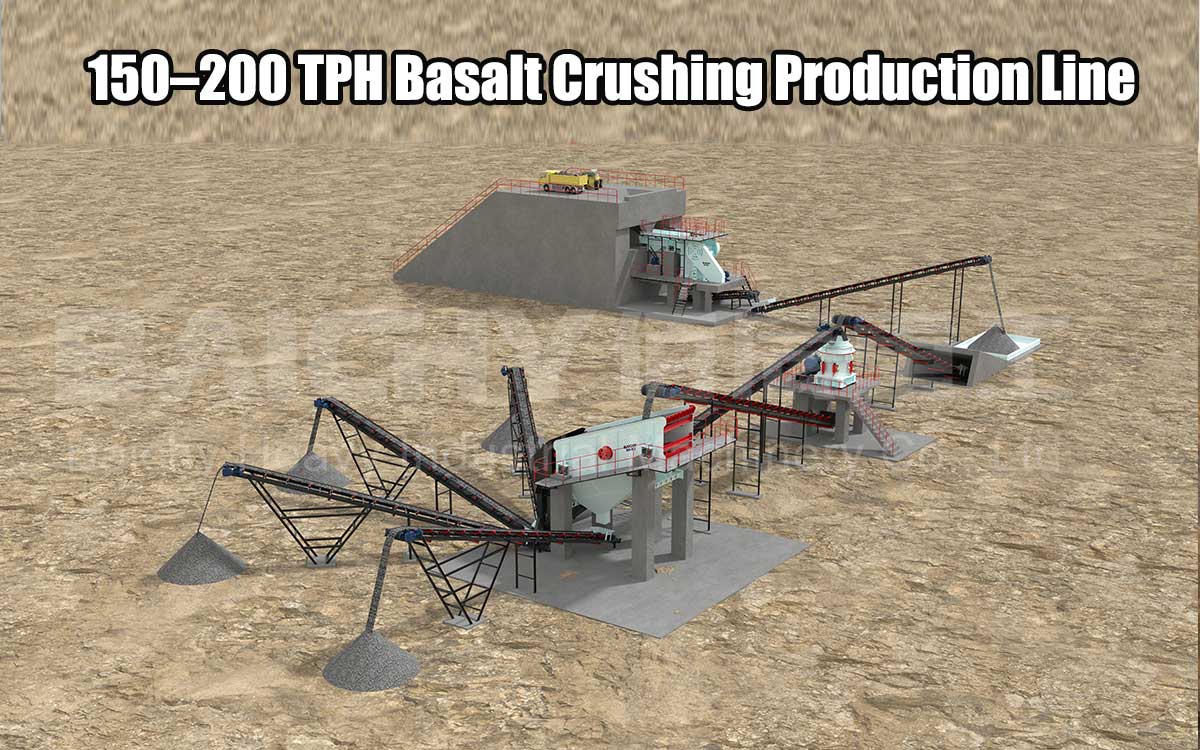
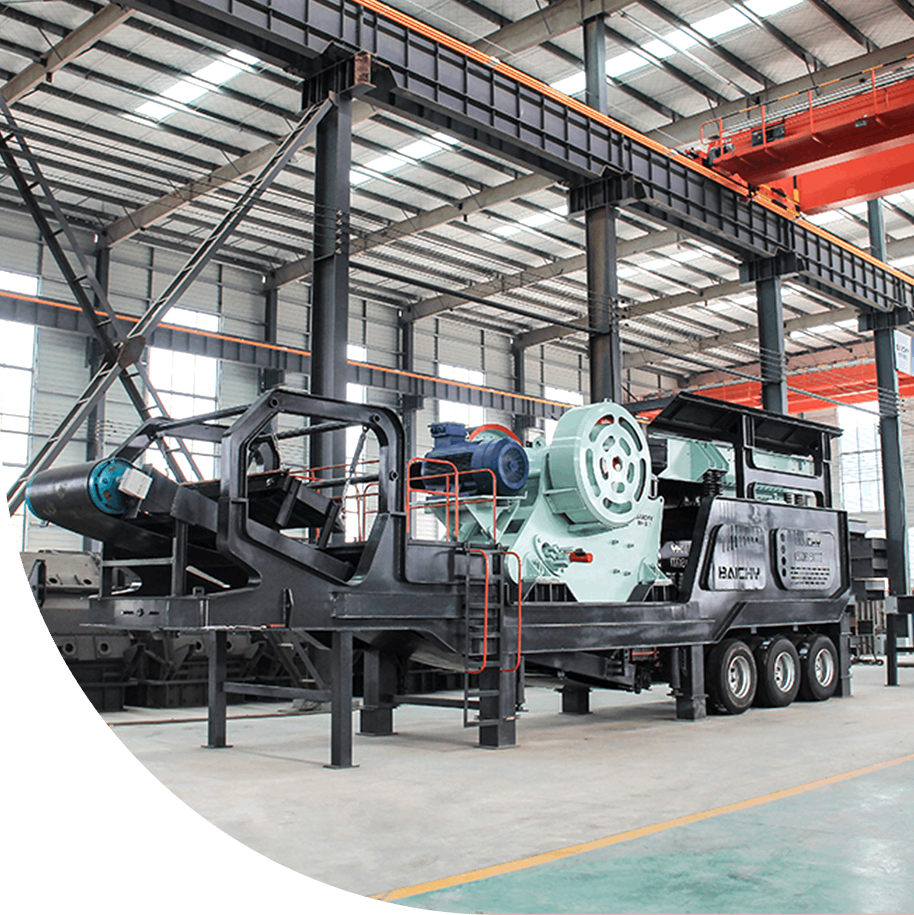
A Mobile Crushing Plant is, in essence, a "walking stone processing factory." It integrates modules for feeding, crushing, screening, and conveying onto a wheeled or tracked chassis; requiring no fixed foundation, it can be driven directly onto a job site—powered either by an external electrical supply or its onboard diesel engine—and immediately commence operations. This technology fundamentally overturns the traditional logic of "transporting raw materials to the equipment," realizing instead the paradigm of "the equipment chasing the raw materials."

Mobile Jaw Crusher PDF, Download ↓↓↓
I. The Top 10 Core Advantages of Mobile Crushing Plants
1. Rapid Deployment: Featuring an integrated unit design, the plant requires no complex concrete foundation construction upon arrival at the site; once the ground is leveled, it can be quickly put into production, thereby shortening project timelines by over 50%.
2. Exceptional Mobility: Utilizing wheeled or tracked locomotion systems with a small turning radius, the plant can rapidly relocate between complex terrains—such as mining pits and construction sites—making it particularly well-suited for operations involving multiple shifting work points.
3. Significant Cost Reduction: By operating directly adjacent to the raw material stockpiles, the plant eliminates the substantial short-haul transportation costs associated with trucking large volumes of raw ore or construction waste to a fixed facility, resulting in a significant reduction in overall operating costs.
4. Flexible Configuration: The system supports various process combinations—such as "crushing before screening" or "screening before crushing"—and allows for the flexible interchange of core crushing units based on the hardness of the material being processed (e.g., granite or limestone).
5. High Integration: A single unit constitutes a complete production line; its compact structure and minimal footprint resolve the challenge of deploying production lines in confined or narrow work areas.
6. Selectable Power Sources: The system supports a "dual-power" mode (diesel and electric); tracked models are typically equipped with diesel engines, while wheeled models can connect to an external mains power supply, enabling adaptability to remote field environments lacking grid electricity.
7. Intelligent Control: Equipped with wireless remote controls or centralized control systems, a single operator can manage the entire workflow—including movement, adjustments, and crushing operations—thereby reducing labor costs.
8. Resource Reutilization: Once a mining resource is depleted or a project concludes, the entire plant can be transported to a new job site for continued use, resulting in a low asset depreciation rate and a high return on investment.
9. Environmental Friendliness: In the context of construction waste processing, the system enables "on-site crushing and in-situ recycling," thereby preventing the secondary pollution and traffic congestion typically caused by the long-distance transport of waste materials.
10. Convenient Maintenance: Key components (such as jaw plates) feature a modular design, while the hydraulic adjustment mechanism reduces maintenance time by approximately 60% compared to fixed-type systems.
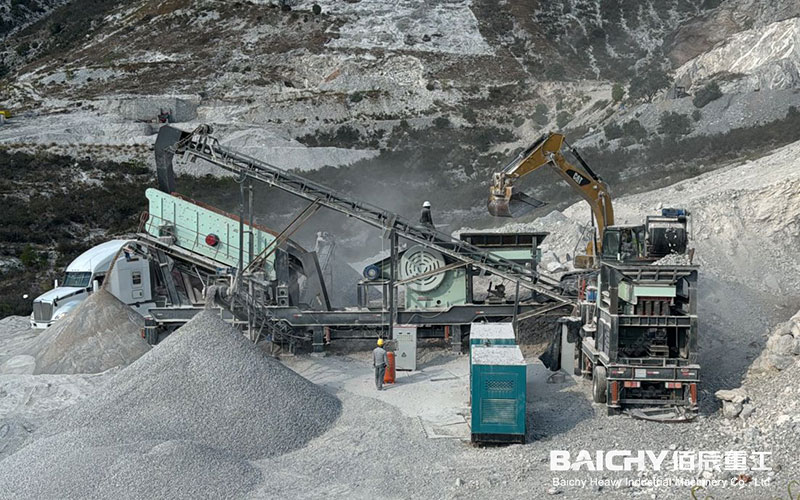
Crushing Site in Mexico Four-Unit Mobile Crushing Station
II. Fixed vs. Mobile: A Comprehensive Comparison
| Dimension | Mobile Crushing Station | Fixed Crushing Station |
| Core Feature | A mobile plant: the equipment goes to the material source | A fixed plant: the material source comes to the equipment |
| Applicable Scenarios | Construction waste processing, short-term mining operations, urban demolition, road construction | Large-scale long-term mines, major sand & aggregate plants, cement factories |
| Infrastructure Requirements | Extremely low: requires only simple site leveling; no civil engineering work needed | High: requires concrete foundations, plant buildings, and conveyor galleries |
| Relocation Capability | Strong: towable by trailer or self-propelled; allows for rapid relocation | None: once constructed, it cannot be moved |
| Single-Unit Capacity | Small to medium scale (limited by chassis load-bearing capacity) | Large to ultra-large scale (capable of accommodating massive primary crushing units) |
| Investment Structure | High unit cost for equipment, but zero civil engineering costs; total investment is often lower | Equipment costs plus substantial civil engineering costs; heavy upfront asset investment |
| Operational Costs | Extremely low transport costs (on-site processing) | High transport costs (requires truck haulage to transport raw materials) |
| Automation | Integrated control system; requires only 1–2 operators | Longer process chain; typically requires 4–5 operators |
| Project Lifecycle | Short-term, rapid-deployment projects (1–3 years) | Long-term projects (10+ years) |
III. Decision-Making Advice: How to Choose?
• Choose Mobile: If your project involves construction waste recycling, urban renewal and demolition, small-to-medium-scale short-term mining, or requires frequent changes in operating locations. The core priorities here are "speed" and "transport cost savings."
• Choose Fixed: If you operate an ultra-large-scale mine, have extremely high annual output requirements (e.g., tens of millions of tons), and the site is designated for fixed-location use for over 10 years. The core priorities here are "stability" and "large-scale, low-cost production."
• Rule of Thumb: Provided that capacity requirements are met, if the transport distance exceeds 5–10 kilometers, a mobile crushing station is typically more economically viable than a fixed crushing station. IV. Common Configuration Types
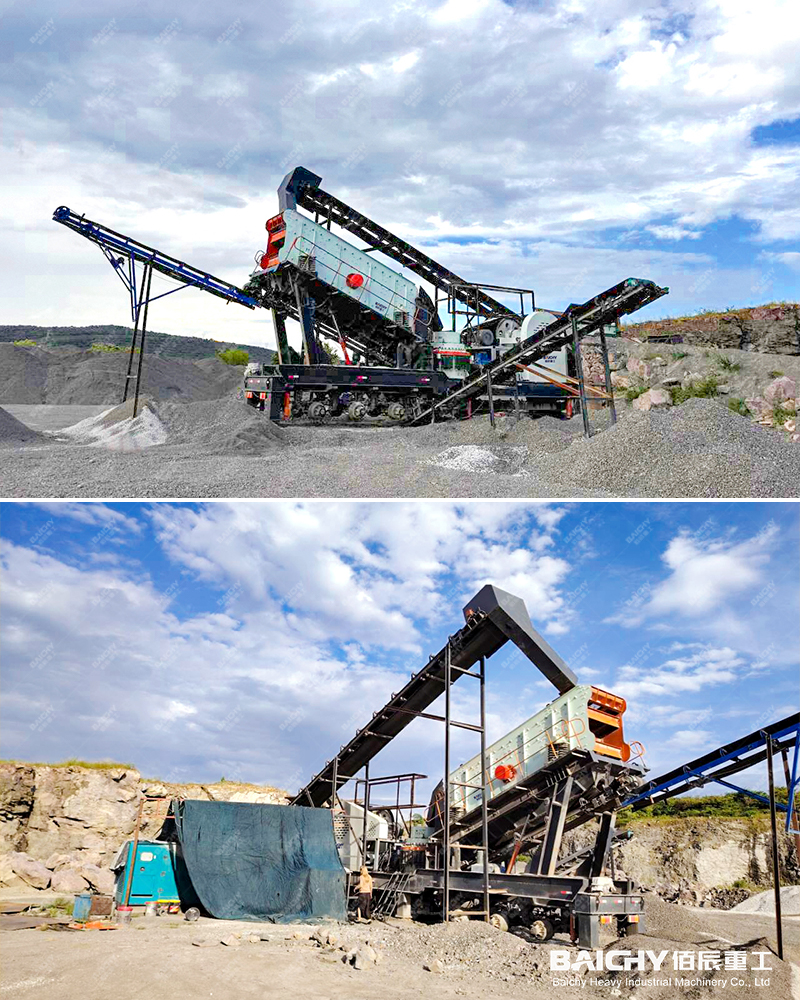
• Crawler-mounted: Features full hydraulic drive and strong climbing capabilities; suitable for muddy and rugged mining environments, though the price point is higher.
• Wheel-mounted: Requires towing by a tractor unit; suitable for road-based site transfers and transitions, though it places higher demands on road surface conditions; however, the cost is relatively lower.
• Main Unit Types: Can be equipped with various primary units, such as jaw crushers (for coarse crushing), cone crushers (for medium-hard rock), impact crushers (for soft rock/construction waste), screening stations, etc.
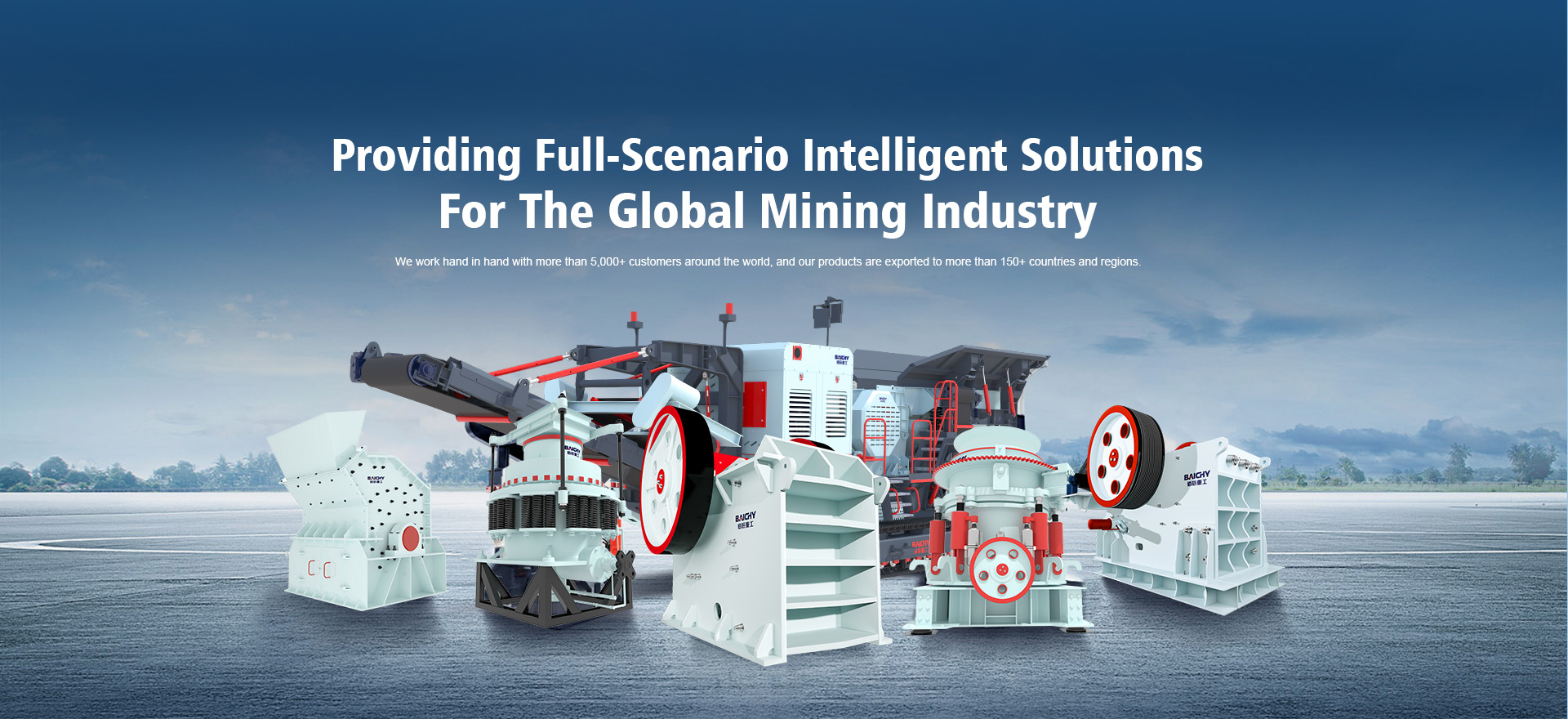
About of Baichy Heavy Industry
Baichy Heavy Industry is a high-tech mining equipment company integrating R&D, manufacturing, sales, and after-sales service. Focusing on crushing, grinding, and mineral processing equipment, we provide professional solutions to our customers. We are ISO9001:2015 、certified, and our products include mobile crushing palnts, crawler crushing plant, construction waste crushing plants, jaw crushers, sand making machines, cone crushers, fine crushers, grinding mills, ball mills, etc., all with reliable performance to meet diverse project needs.
Our advantages:
• Professional pre-sales support: Free project design and comprehensive solutions to help you accurately select the right equipment;
• Comprehensive on-site service: Providing installation guidance and worker training to ensure smooth equipment commissioning;
• Reliable after-sales guarantee: A complete after-sales system, timely response to technical inquiries and equipment maintenance, ensuring long-term stable operation.
To protect your rights, please contact us through the following official channels for professional service:
Official Website Customer Service
https://wa.me/+8615093222637
Email: [email protected]
We are committed to providing high-quality equipment and full-cycle services to deliver comprehensive intelligent solutions for the global mining industry!
Frequently Asked Questions (FAQ)
Q: Are mobile crushing stations expensive? Is the initial investment significantly higher than that of a stationary plant?
A: In terms of the unit price of the equipment itself, mobile units are typically more expensive than stationary equipment of the same class. However, when viewed from the perspective of total investment, the conclusion is often the opposite. Stationary production lines require substantial investment in civil engineering works, plant buildings, conveyor galleries, transformers, and other infrastructure, whereas mobile stations merely require a leveled site. When calculated comprehensively—particularly for small-to-medium scale or short-term projects—the total investment for mobile units is often lower, and the return on investment is achieved more quickly.
Q: Can mobile crushing stations process the steel rebar found in construction waste?
A: Absolutely; this is one of their core applications. The typical process configuration involves an "impact crusher + iron separator + screening" setup. The main crushing unit breaks down concrete blocks, while a suspended iron separator positioned above the conveyor belt—or a magnetic separation drum located at the discharge end—automatically extracts the steel rebar, thereby achieving a clean separation of concrete and steel for subsequent resource utilization.
Q: Can the production capacity of mobile stations meet the demands of large-scale projects?
A: The capacity of a single unit (typically ranging from 50 to 500 tons per hour) is indeed limited by the load-bearing capacity and dimensions of its chassis, and thus falls short of that of a large-scale stationary production line. However, for large-scale projects, a "multi-unit parallel operation" mode can be employed to form a mobile crushing and screening cluster, thereby effectively multiplying the overall production capacity. This approach has already been successfully and maturely implemented in large-scale construction waste processing sites and in certain mines utilizing phased mining operations.