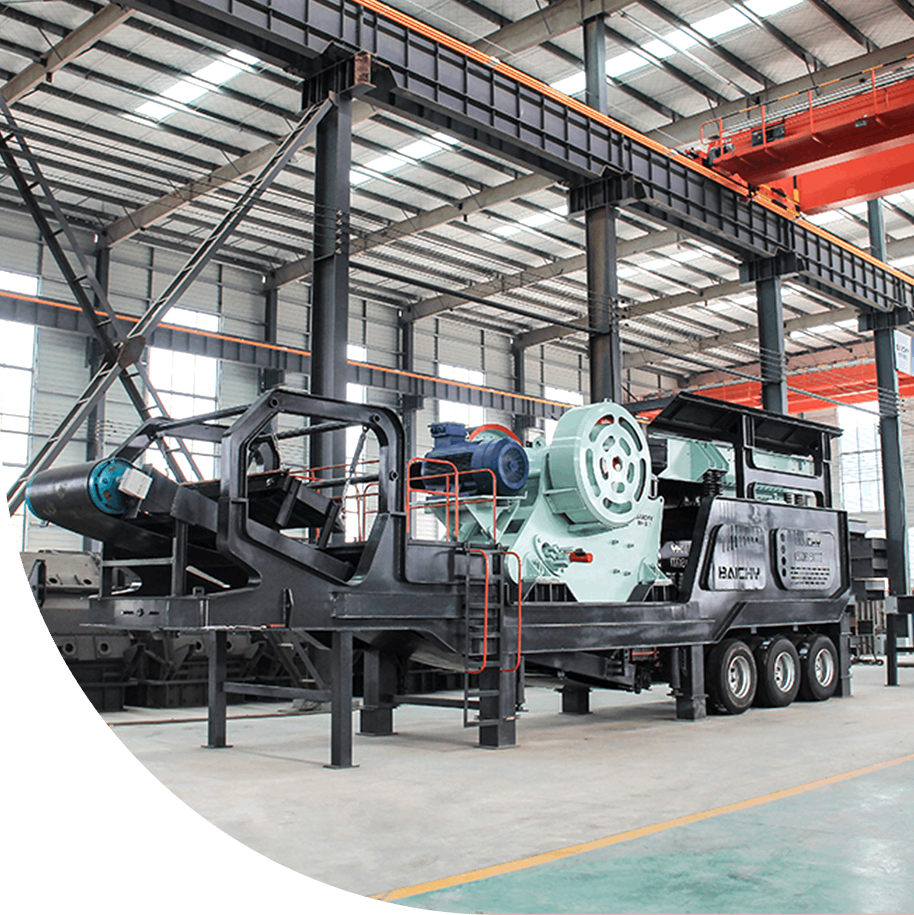

For mining enterprises dedicated to maximizing both gold recovery value and operational efficiency, a well-designed and stably operating hard rock gold beneficiation plant lies at the very heart of success. In particular, medium-scale beneficiation plants—with a processing capacity ranging from 60 to 100 tons per hour—strike an optimal balance between return on investment and production flexibility. This article will delve into the construction of a modern hard rock gold beneficiation plant capable of achieving high gold recovery rates, while revealing the key equipment and technologies essential for realizing exceptional economic benefits.
I. Overview of Hard Rock Gold Beneficiation: The Transformative Journey from Ore to Gold
Hard rock gold deposits—primarily referring to primary gold deposits—typically feature gold disseminated in microscopic or fine-grained forms within quartz veins or other sulfide minerals. Unlike alluvial gold deposits, the beneficiation process for hard rock gold is significantly more complex, with the core objective being the achievement of a high gold recovery rate. A standard hard rock gold beneficiation plant typically comprises several key stages: crushing, grinding, classification, beneficiation (such as flotation, gravity separation, cyanide leaching, etc.), and dewatering. A processing capacity of 60 to 100 tons per hour is ideally suited for small-to-medium-sized mines, or for the independent development of a specific ore vein within a larger mining operation, enabling economically efficient extraction.
II. Core Process Flow and Equipment Configuration
To ensure that a hard rock gold beneficiation plant achieves high gold recovery rates, the selection of equipment for each stage of the process is absolutely critical.
2.1 Crushing Stage: Laying the Foundation for Efficient Grinding
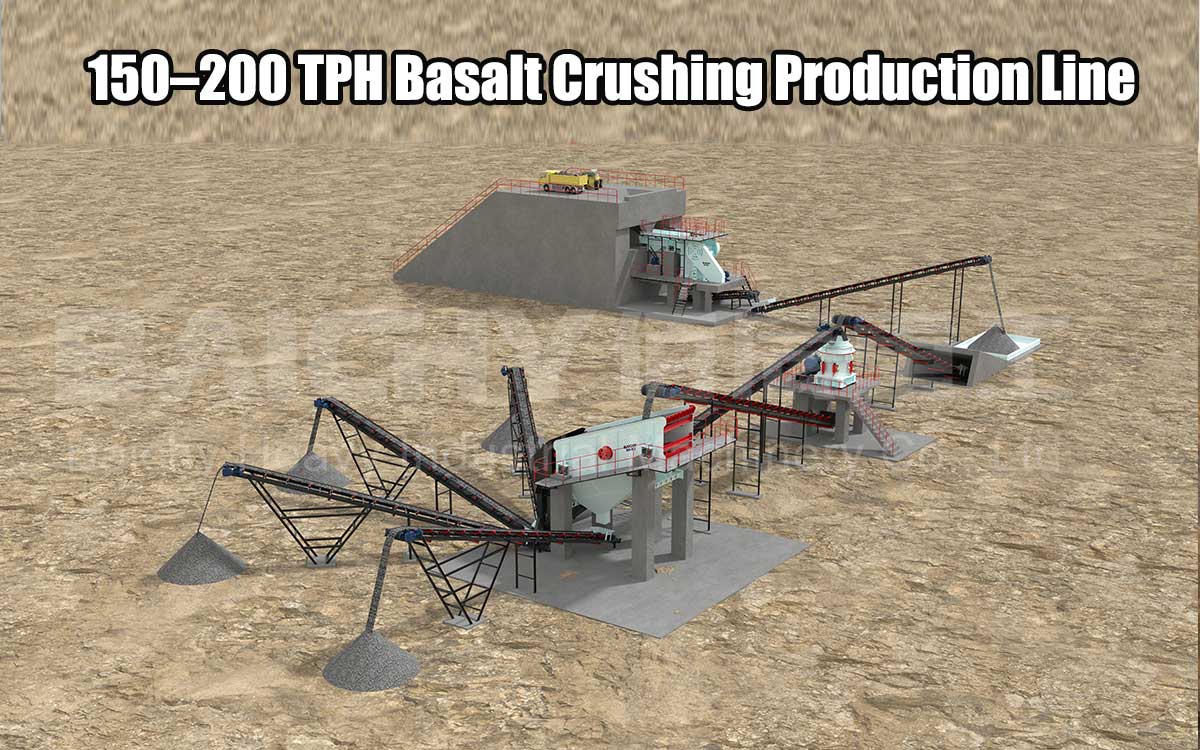
Crushing serves as the first critical gateway in the beneficiation process; its objective is to reduce large blocks of raw ore to a particle size suitable for grinding (typically 10–15 mm). Multi-stage crushing—involving coarse, medium, and fine crushing—is a prerequisite for ensuring high gold recovery rates in subsequent stages, as it facilitates a "more crushing, less grinding" approach, thereby significantly reducing energy consumption during the grinding process.
Recommended Equipment:
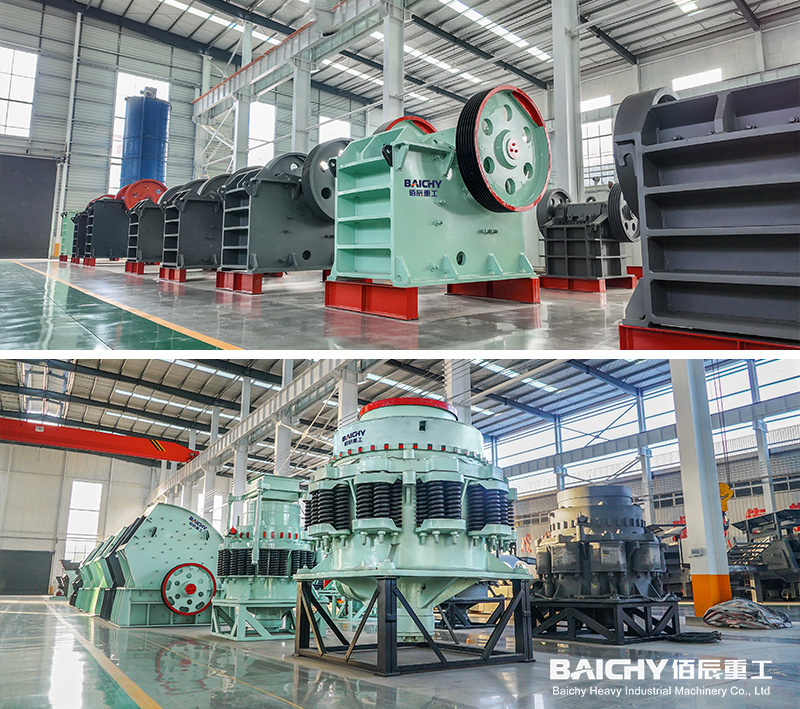
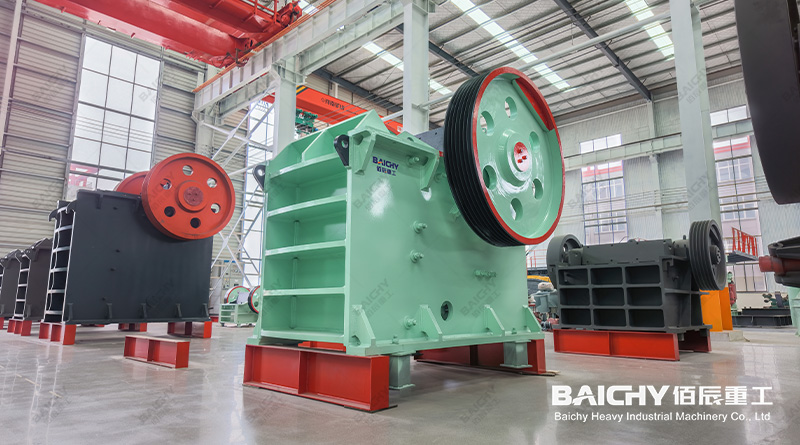
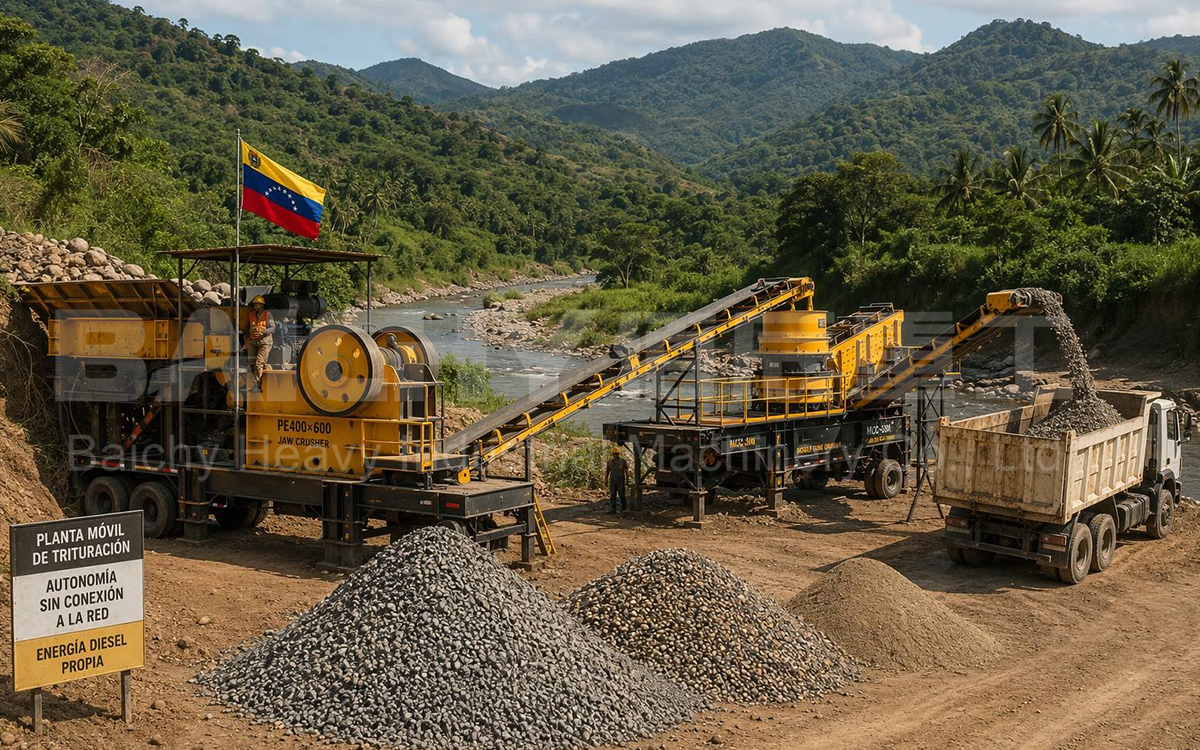
jaw crusher and cone crusher
• Jaw Crusher: Used for coarse crushing; capable of processing large blocks of raw ore, it is robust and reliable.
• Cone Crusher: Used for medium and fine crushing; it offers high production efficiency and produces a product with excellent particle shape, making it the core component for constructing a crushing line with a capacity of 60 to 100 tons per hour.
2.2 Grinding and Classification Section: Achieving Complete Liberation of Gold Minerals
This constitutes the most critical stage in determining a high gold recovery rate. The objective of grinding is to reduce the ore to a sufficient fineness, thereby ensuring the complete liberation of gold minerals from the gangue. Classification equipment, conversely, controls the fineness of the grind, preventing over-grinding.
Recommended Equipment:
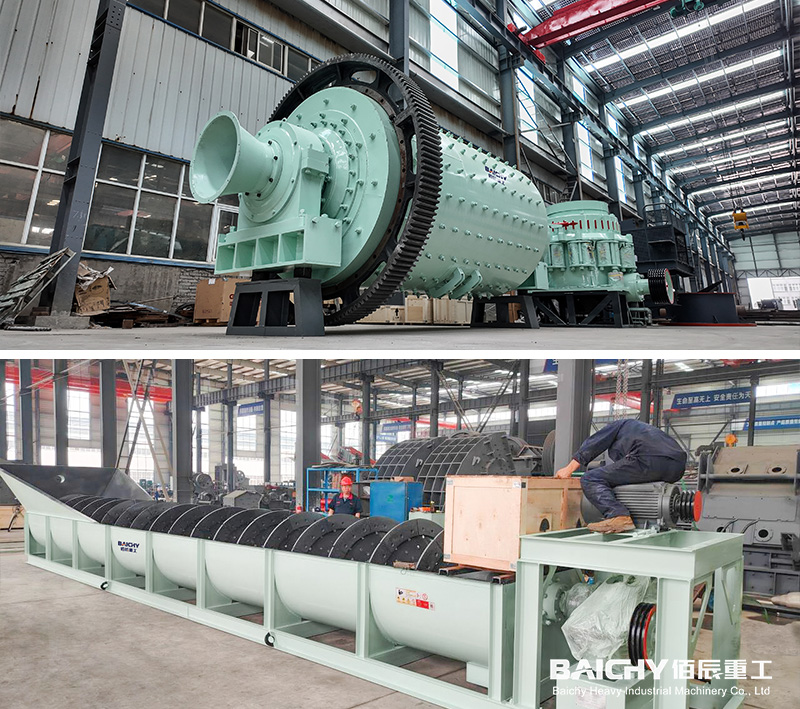
Ball Mill and Spiral Classifier
• Ball Mills / Rod Mills: These serve as the primary workhorses of the grinding operation. For hard-rock gold deposits, a two-stage grinding circuit—typically comprising "rod milling followed by ball milling" or "ball milling followed by ball milling"—is commonly adopted to achieve superior grinding efficiency and particle size control.
• Spiral Classifiers or Hydrocyclones: Used in conjunction with grinding mills to establish a closed-circuit loop, ensuring that particles of the appropriate size fraction proceed to the beneficiation stage.
2.3 Beneficiation Section: The Core of Gold Recovery
Beneficiation methods vary depending on the mode of occurrence of the gold ore. Common process combinations include "flotation followed by cyanidation" or "whole-ore cyanidation."
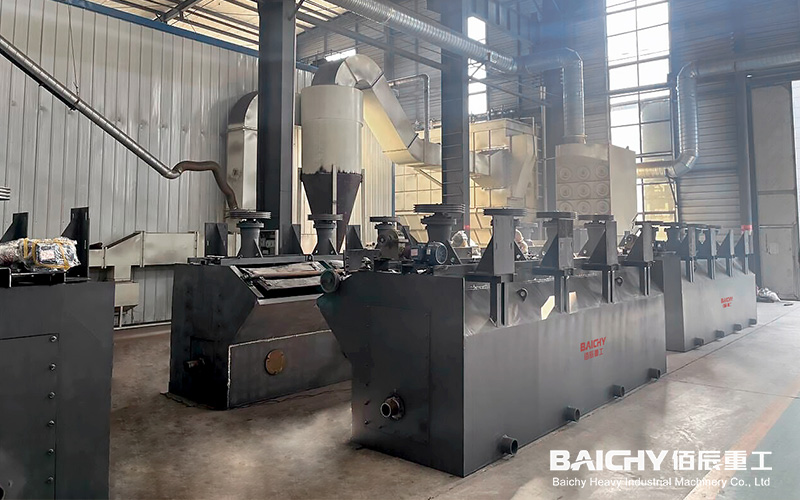
Flotation Machine
• Flotation Machines: Suitable for recovering gold associated with sulfides, enabling the preliminary enrichment of gold into a concentrate.
• Leaching Agitation Tanks: Employed in the cyanidation leaching process to dissolve gold into a cyanide solution.
• Carbon-in-Pulp (CIP) Adsorption Tanks / Resin-in-Pulp (RIP) Equipment: Used to adsorb and recover gold from the gold-bearing pregnant solution.
2.4 Dewatering Section: The Final Stage for Product Handling and Environmental Compliance
This stage involves dewatering the concentrate or tailings to facilitate water recycling and enable dry stacking of tailings, thereby ensuring compliance with environmental regulations.
Recommended Equipment: High-Efficiency Thickeners; Chamber Filter Presses (specifically for dry discharge of tailings).
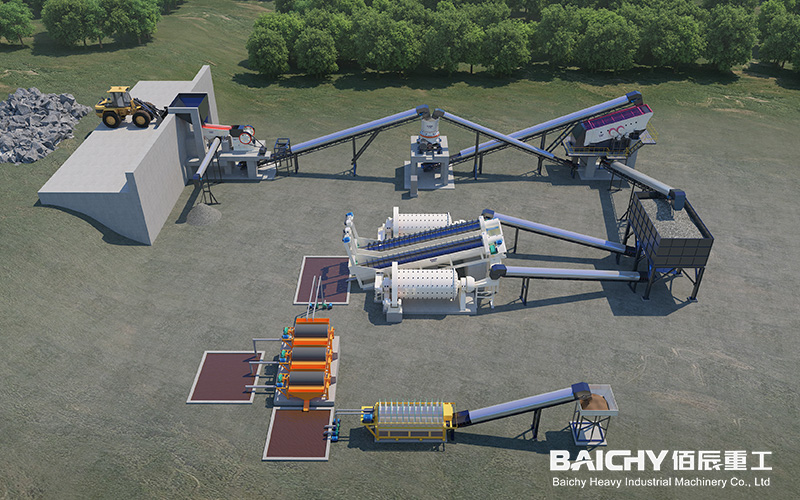
Hard Rock Gold Ore Beneficiation
III. Key Advantages for Achieving High Recovery Rates and Operational Efficiency
An exemplary hard-rock gold beneficiation plant should possess the following advantages to ensure the consistent achievement of high gold recovery rates at a processing capacity ranging from 60 to 100 tons per hour:
1. Customized Process Design: The process flow is meticulously tailored based on the ore's process mineralogy analysis report (including characteristics such as dissemination, particle size distribution, and mineral associations), thereby safeguarding the recovery rate right from the source.
2. High-Efficiency and Wear-Resistant Equipment: Key equipment—such as crusher liners, mill liners, and grinding balls—is constructed from highly wear-resistant materials. This extends service life, minimizes downtime for maintenance, and ensures continuous, stable production.
3. Automation and Intelligent Control: The system utilizes PLC/DCS control systems to monitor critical parameters in real time—including equipment operating status, pulp density, pH levels, and reagent dosages—thereby ensuring optimal process conditions. This serves as a modern safeguard for achieving consistently high gold recovery rates.
4. Energy Conservation and Environmental Protection: The facility employs high-efficiency, energy-saving motors and optimizes crushing and grinding processes to reduce power consumption. Furthermore, it is equipped with comprehensive systems for dust collection, water recycling, and tailings treatment.
Example of Core Process Equipment Parameters (Reference Scale: 80 tons/hour):
| Process Stage | Recommended Equipment | Model Reference | Key Parameters & Function |
| Coarse Crushing | Jaw Crusher | PE600×900 | Feed Opening: 600×900mm; Max. Feed Size: 500mm; Processing Capacity: 60–130 t/h |
| Medium & Fine Crushing | Single-Cylinder Hydraulic Cone Crusher | CH200 | Processing Capacity: 70–200 t/h; Discharge Opening Range: 10–51mm; Superior Product Particle Shape |
| Primary Grinding | Overflow-Type Ball Mill | MQG2736 | Shell Dimensions: Φ2700×3600mm; Processing Capacity: ~50–80 t/h (depending on ore hardness) |
| Classification | Hydrocyclone Cluster | FX350×4 | High classification efficiency; forms a closed circuit with the ball mill to control grinding fineness |
| Beneficiation | Flotation Machine (Combined Unit) | KYF-Ⅱ-16 | Single-Cell Volume: 16 m³; High aeration capacity; Low energy consumption; Suitable for gold ore flotation |
| Dewatering | Chamber Filter Press | XAZ200/1250-U |
IV. Successful Case Study
Project Background: A hard-rock gold mining project in West Africa. The gold is primarily hosted within pyrite, with an uneven grain size distribution. The project involved the design and construction of a beneficiation plant with a processing capacity of 80 tons of raw ore per hour.
Solution: We provided a complete process flow and equipment package featuring: "Three-stage, one-closed-circuit crushing" + "Two-stage closed-circuit grinding (rod mill + ball mill)" + "Flotation (to produce gold-sulfur concentrate)" + "Cyanide leaching of concentrate" + "Tailings filtration and dry stacking." Achieved Results: Following its commissioning, the beneficiation plant has operated smoothly. Through the optimization of grinding fineness and the flotation reagent regime, the overall gold recovery rate ultimately reached 92.5%—far exceeding the client's expectations—and the investment payback period was significantly shortened.
V. Recommended Core Equipment
Based on the analysis above, the following combination of core equipment is recommended for your hard rock gold beneficiation plant with a processing capacity of 60 to 100 tons per hour:
1. Crushing and Screening System:
◦ PE Series Deep-Cavity Jaw Crusher (Coarse Crushing)
◦ HP Series Hydraulic Cone Crusher (Medium and Fine Crushing)
◦ Heavy-Duty Circular Vibrating Screen (Screening)
2. Grinding and Classification System:
◦ MBS Model Rod Mill (Stage I Coarse Grinding)
◦ MQY Model Overflow Ball Mill (Stage II Fine Grinding)
◦ FX Series High-Efficiency Hydrocyclone Cluster (Classification)
3. Separation and Recovery System:
◦ KYF/XCF Model Combined Aerated Mechanical Agitation Flotation Machine Unit (Flotation)
◦ BST Model Leaching and Adsorption Agitation Tank (Cyanidation Carbon-in-Pulp Process)
◦ JD Model High-Efficiency, Energy-Saving Thickener (Dewatering and Thickening)
4. Auxiliary and Control Systems:
◦ XAZ Model Automatic Chamber Filter Press (Tailings Dry Stacking)
◦ Plant-wide Intelligent PLC Control System and Automatic Reagent Dosing System.
FAQ: Frequently Asked Questions
Q1: For a hard rock gold beneficiation plant with a processing capacity of 60–100 tons per hour, what are the approximate construction timeline and investment costs?
A1: From design, equipment manufacturing, and shipment to installation and commissioning, the total project duration typically ranges from 6 to 10 months. The investment range is heavily influenced by factors such as process complexity, selected equipment brands, automation levels, and local infrastructure conditions; it generally falls within the range of several million to tens of millions of US dollars. A detailed feasibility study and a customized solution are key to obtaining an accurate budget estimate.
Q2: How can I ensure that my gold beneficiation plant achieves a high recovery rate?
A2: First and foremost, a detailed ore beneficiability test must be conducted to determine the optimal process flow. Secondly, it is crucial to select an experienced EPC service provider to ensure that the process design is sound and the equipment selection is precise. Finally, during operation, one must rely on automated systems to maintain stable control over process parameters, while also conducting periodic process mineralogy analyses to optimize operations. These three elements constitute the cornerstone for achieving and sustaining a high gold recovery rate.
Q3: How are the tailings and wastewater generated by a beneficiation plant treated? What environmental protection solutions are available?
A3: Modern beneficiation plants place a high priority on environmental protection. For tailings treatment, we recommend employing "dry stacking" technology—specifically, a combination of high-efficiency thickening and chamber filter pressing—which significantly reduces the safety risks associated with tailings ponds as well as their land footprint. Production wastewater undergoes treatment processes such as sedimentation and neutralization, after which the majority can be recycled, thereby achieving zero discharge or minimizing effluent release. We integrate the most appropriate solutions based on the specific environmental regulations and requirements of the project's location.