
Mineral Grinding Equipment - Ball Mill
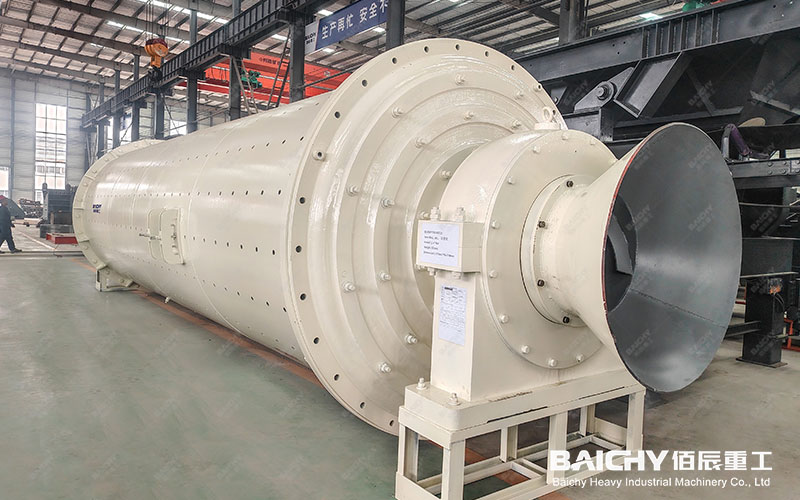
In modern mining and many industrial sectors, the refined processing of mineral raw materials is a key link in enhancing product added value. As the final "gatekeeper" in the crushing process, the selection of grinding equipment directly determines the fineness, particle shape, and production capacity of the final powder. Among numerous mineral grinding equipment, the ball mill, with its excellent adaptability, stability, and mature technology, has always maintained an unshakable core position. This article will delve into this classic mining crushing and grinding equipment, providing you with a comprehensive understanding of its working principle, key advantages, and application scenarios.
I. Ball Mill: Working Principle and System Overview
1.1 Core Grinding Principle
The grinding process of a ball mill is based on a combination of impact and friction. Its main body is a horizontally placed cylinder that can rotate around a hollow shaft, containing grinding media of different sizes (such as steel balls, ceramic balls, etc.). When the cylinder rotates under the drive of a motor, the grinding media are lifted to a certain height under the action of centrifugal force and friction, and then fall in a parabolic trajectory, generating a strong impact and grinding effect on the mineral material inside the cylinder. After repeated impact, compression, and friction, the material is gradually crushed to the required particle size.
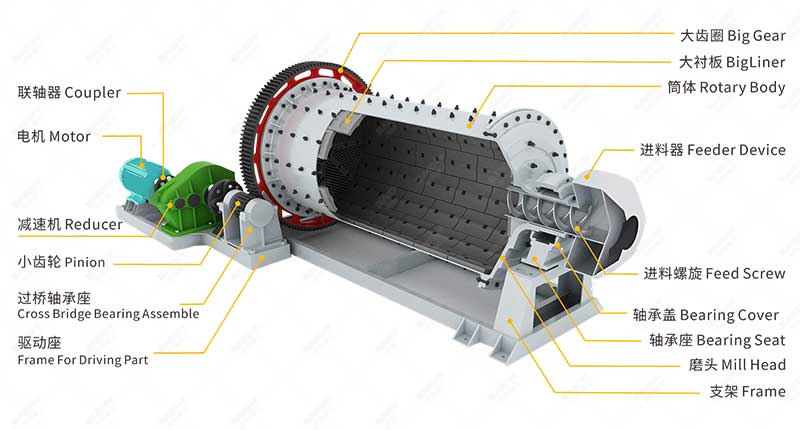
Structural diagram of a ball mill
1.2 Main Structural Components
A standard ball mill mainly consists of the following key components:
• Cylinder: The main body of the equipment, made of rolled and welded steel plates, lined with wear-resistant liners to protect the cylinder and improve grinding efficiency.
• Feeding and Discharging Sections: Located at opposite ends of the cylinder, responsible for the uniform feeding of material and the discharge of qualified finished products.
• Transmission System: Includes a motor, reducer, and large and small gears, providing smooth power for the cylinder's rotation.
• Bearings: Support the entire rotating body, ensuring smooth operation.
• Grinding Media: The "consumables" that directly perform the work; their material, size, and ratio directly affect the grinding effect.
II. Why Choose a Ball Mill? Analysis of its core advantages
Compared to other mineral grinding equipment such as vertical mills and Raymond mills, ball mills exhibit unique advantages in several aspects:
1. Strong adaptability: They can process ores of almost any hardness, from brittle to tough materials, from metallic to non-metallic minerals, offering a very wide range of applications.
2. Wide fineness range: By adjusting parameters such as grinding time and media ratio, finished particle sizes ranging from tens to hundreds of meshes, or even finer, can be obtained, making product fineness easy to control.
3. Stable and reliable operation: The mechanical structure is relatively simple, the technology is mature, and the failure rate is low, meeting the needs of large-scale, continuous industrial production.
4. Easy to form a closed-loop system with classification equipment: They are easily integrated with spiral classifiers, hydrocyclones, etc., to form a closed-loop grinding system, enabling the return of coarse particles for regrinding, improving system efficiency, and controlling product particle size distribution.
5. Significant advantages in large-scale applications: In large-scale mineral processing plants, the development of large-scale ball mills has been very successful, with large single-unit processing capacity and significant economies of scale.
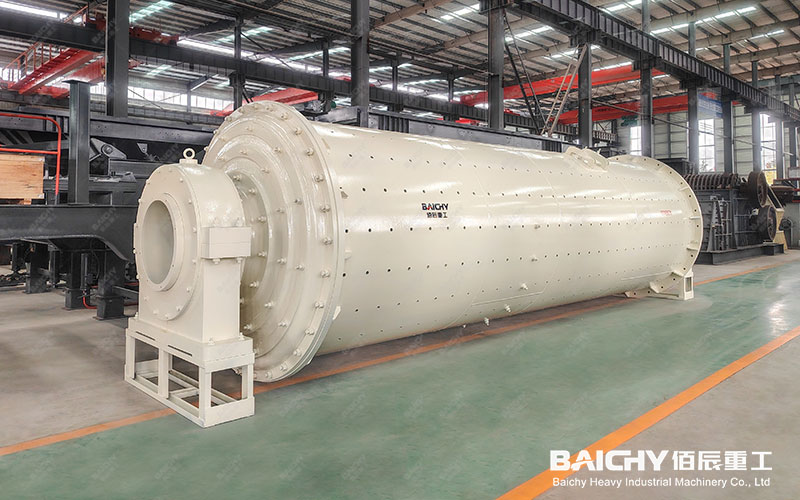
Mining Crushing and Grinding Equipment
III. Comparison and Selection Reference of Mainstream Ball Mill Types
Ball mills can be classified into various types based on their discharge method and cylinder length-to-diameter ratio to meet different process requirements. The table below shows a comparison of three common types:
| Type | Working Principle/Structural Features | Main Applicable Scenarios | Discharge Particle Size Characteristics |
| Overflow Ball Mill | The material level is higher than the lower edge of the hollow shaft at the discharge port, overflowing due to the pressure of the slurry itself. | Suitable for fine grinding or the second stage of fine grinding in two-stage grinding. | The product particle size is relatively fine, but over-grinding is prone to occur. |
| Grate Ball Mill | A grate plate is installed at the discharge end for forced discharge, resulting in a lower slurry level. | Suitable for coarse grinding or single-stage grinding, with a large throughput. | It has a fast discharge speed, light over-grinding, and relatively uniform product particle size. |
| Conical Ball Mill | The cylinder consists of two cones of different diameters and one cylinder. | Suitable for grinding operations with strict product particle size requirements. | Material particles of different sizes are ground separately within the cylinder, resulting in high efficiency and uniform particle size. |
IV. Application Cases: A Broad Stage from Mining to Industry
As a fundamental mining crushing and grinding equipment, ball mills are used across various fields:
• Metal Ore Processing: In iron, copper, and gold ore processing plants, they are used to grind crushed ore to a particle size that allows for the liberation of mineral monomers, a prerequisite for subsequent operations such as flotation and magnetic separation.
• Non-Metallic Mineral Processing: Used for grinding limestone, quartz, feldspar, kaolin, etc., providing qualified powder raw materials for the ceramics, glass, coatings, and filler industries.
• Cement Industry: A core piece of equipment for grinding cement raw materials and clinker; its energy consumption and efficiency directly impact the economic benefits of the entire cement plant.
• Power and Chemical Industries: Used for coal powder preparation (power plants) or fine grinding of chemical raw materials.
V. Related Equipment Recommendations: Building an Efficient Crushing Production Line
In a complete mineral processing production line, the ball mill typically does not operate independently. As a professional manufacturer of mining crushing and grinding equipment, we recommend scientifically matching it with the following equipment to maximize efficiency:
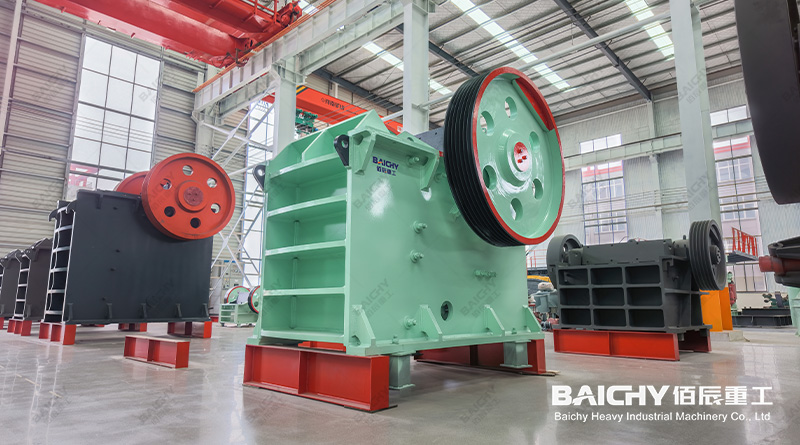
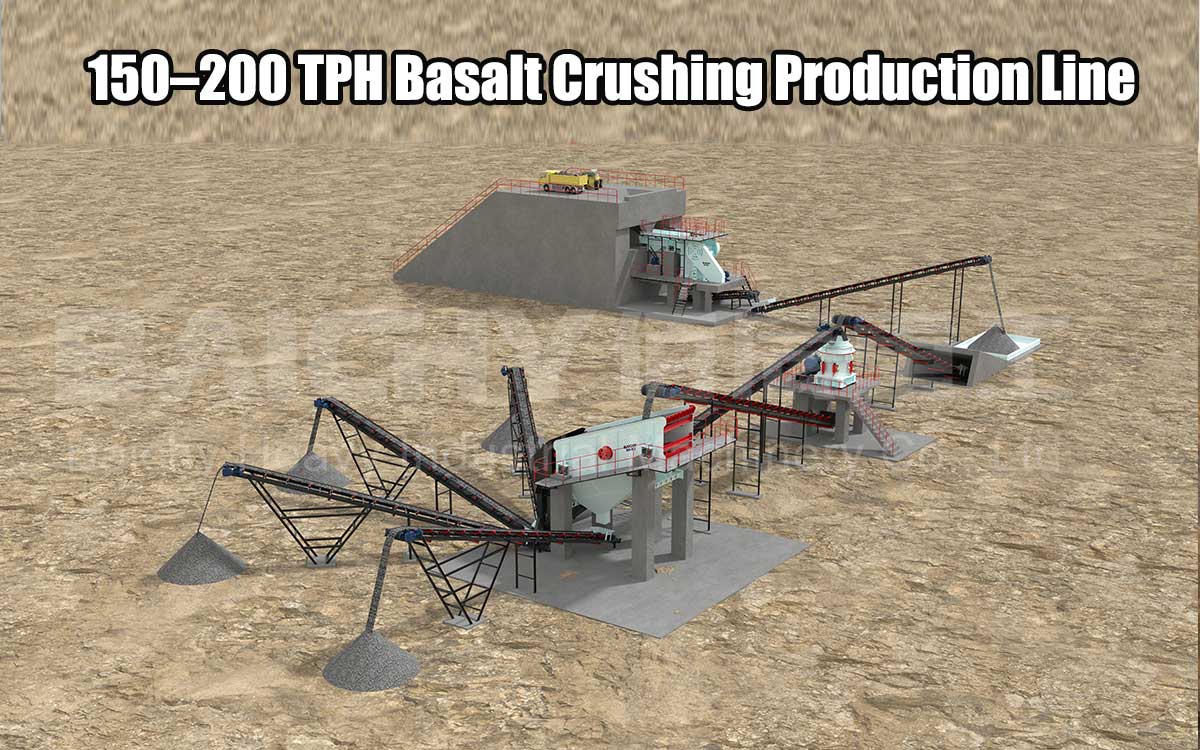
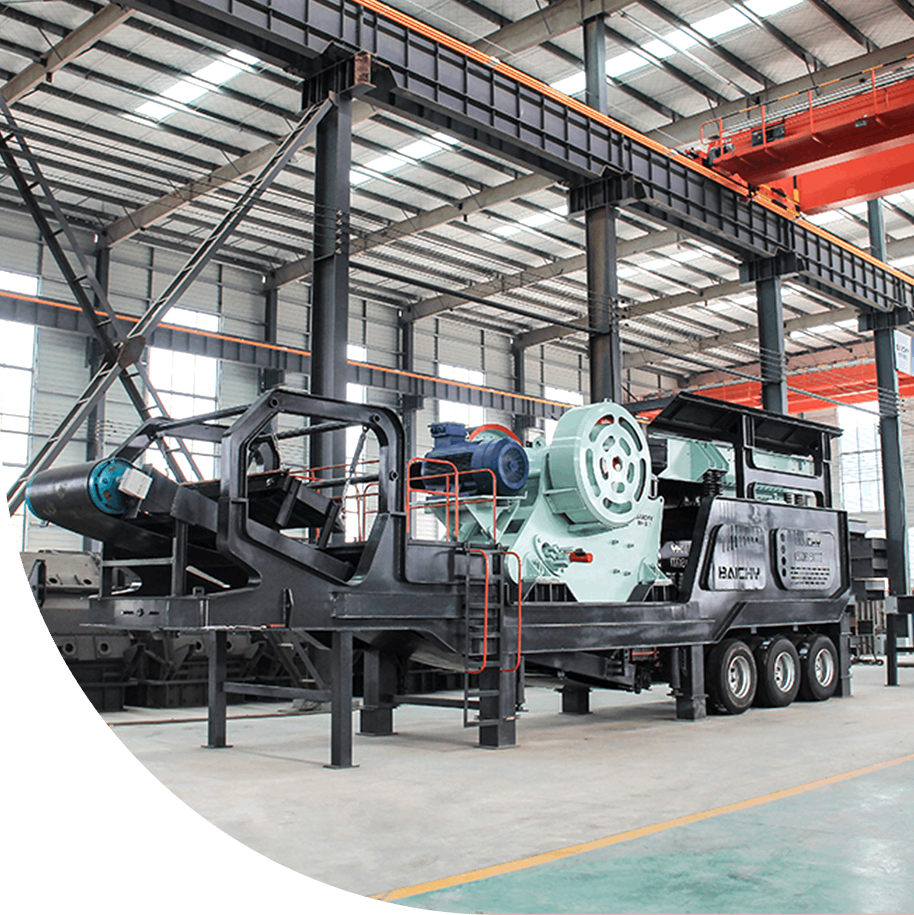
• Front-end crushing: Jaw crushers and cone crushers for coarse and medium crushing, providing "more crushing, less grinding" feed for the ball mill and reducing grinding energy consumption.
• Classification equipment: Spiral classifiers or hydrocyclones, forming a closed-loop cycle with the ball mill to improve system efficiency.
• Feeding equipment: Belt conveyors and quantitative feeders to ensure uniform and stable feeding.
• Powder collection: Bag filters and cyclone collectors for dust recovery and environmental compliance during drying and grinding operations.
VI. Frequently Asked Questions (FAQ)
Q1: What are the main advantages and disadvantages of ball mills compared to vertical mills (vertical mills)?
A1: The advantages of ball mills are strong adaptability to material hardness, reliable operation, wide product fineness adjustment range, and relatively simple maintenance. The main disadvantages are relatively high energy consumption, higher noise levels, and larger equipment size. Vertical roller mills have low energy consumption, small footprint, and integrate drying and grinding, but they are more sensitive to material hardness (usually Mohs hardness below 7) and iron impurities, potentially leading to higher investment and maintenance costs.
Q2: How to select the appropriate grinding media (steel balls) size and ratio?
A2: This depends on the feed particle size, target product fineness, ore hardness, and ball mill specifications. The basic principle is: larger feed particle size and harder ore require larger balls; smaller balls are preferred for finer products. Typically, steel balls of various diameters are mixed in a certain proportion to achieve the optimal filling rate and grinding efficiency. The optimal solution needs to be determined through theoretical calculations combined with actual production tests.
Q3: What could be the cause of abnormally loud noise from the ball mill cylinder during operation?
A3: Possible causes include:
① Insufficient or excessive grinding media (steel balls);
② Severe wear or detachment of the inner liner;
③ Poor meshing or insufficient lubrication of the gears in the transmission system;
④ Wear or damage to the bearings. The machine should be stopped immediately for inspection, with a focus on checking the liners and gear transmission parts.
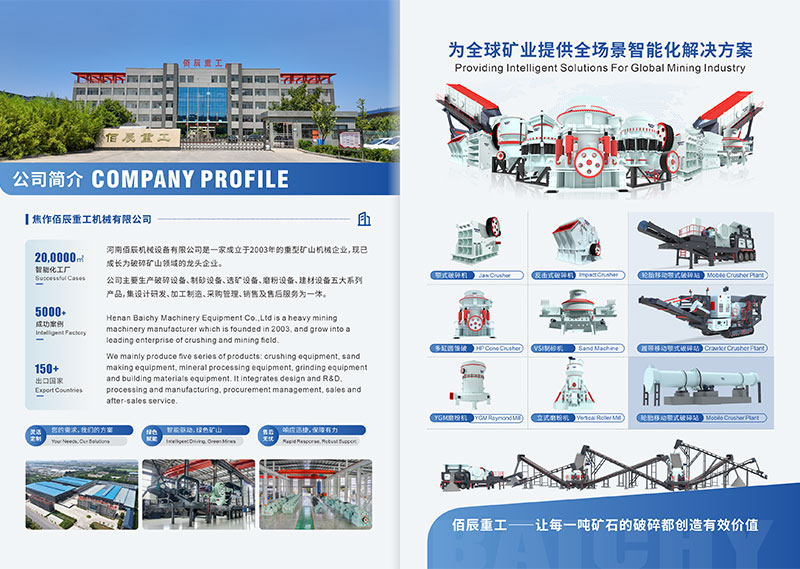
About of Baichy Heavy Industry
Baichy Heavy Industry is a high-tech mining equipment company integrating R&D, manufacturing, sales, and after-sales service. Focusing on crushing, grinding, and mineral processing equipment, we provide professional solutions to our customers. We are ISO9001:2015 、certified, and our products include mobile crushing palnts, crawler crushing plant, construction waste crushing plants, jaw crushers, sand making machines, cone crushers, fine crushers, grinding mills, ball mills, etc., all with reliable performance to meet diverse project needs.
Our advantages:
• Professional pre-sales support: Free project design and comprehensive solutions to help you accurately select the right equipment;
• Comprehensive on-site service: Providing installation guidance and worker training to ensure smooth equipment commissioning;
• Reliable after-sales guarantee: A complete after-sales system, timely response to technical inquiries and equipment maintenance, ensuring long-term stable operation.
To protect your rights, please contact us through the following official channels for professional service:
Official Website Customer Service
WhatsApp: 0086-15093222637
Email: [email protected]
We are committed to providing high-quality equipment and full-cycle services to deliver comprehensive intelligent solutions for the global mining industry!