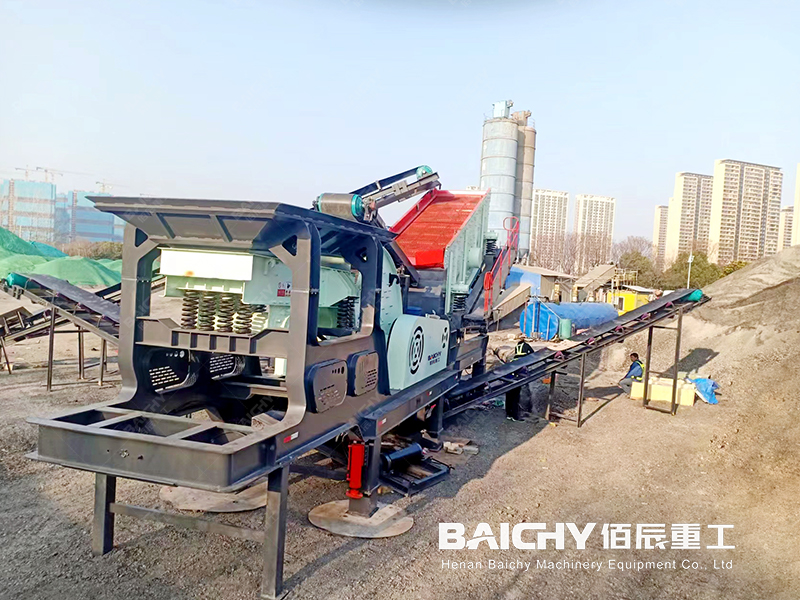



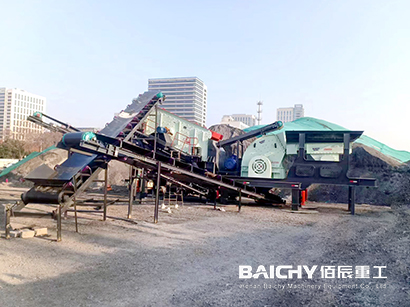
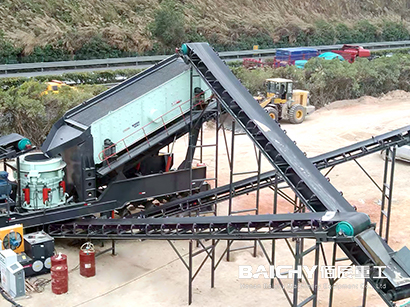
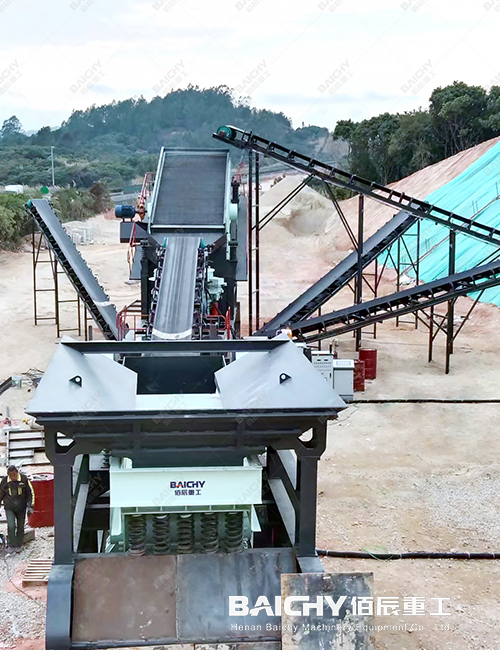
Core Advantages of This Combined Solution
1. High-Quality Finished Products: By combining the high efficiency of a hammer crusher with the superior particle shape characteristics of a cone crusher, this solution produces recycled aggregates suitable for higher-value applications, thereby enhancing economic returns.
2. Flexible Capacity Matching: The two mobile stations operate with independent drives, allowing their operational status to be flexibly adjusted based on incoming material conditions and product specifications, thereby optimizing energy consumption.
3. Enhanced System Reliability: By segregating the crushing tasks into stages, the load and wear on inPidual machines are reduced—specifically protecting the cone crusher by preventing it from directly processing raw construction waste that may contain impurities.
4. Flexible Configuration: The two mobile stations can be positioned with relative freedom to suit the specific site layout, connected via conveyor belts.
Key Configuration Considerations for Achieving 100–150 Tons/Hour Capacity
To achieve this system capacity, the selection of the two primary crushing units must be carefully matched:
1. Mobile Heavy-Duty Hammer Crusher Station: Its processing capacity should be slightly higher than the system's total output (accounting for the fact that some material becomes finished product after screening). The main crusher's power rating typically needs to exceed 200 kW to ensure a sufficient supply of intermediate material for the subsequent processing stage.
2. Mobile Hydraulic Cone Crusher Station: The specific model selected depends on the proportion of intermediate material it is required to process and the desired final product size. A medium-sized hydraulic cone crusher (such as a single-cylinder or multi-cylinder model) is typically sufficient to match this capacity requirement. Particular attention should be paid to its chamber design (whether configured for medium or fine crushing) and its hydraulic tramp-release/clearing function (which is crucial for preventing blockages caused by uncrushable objects).
3. Connection and Screening System: The conveyor belts connecting the two stations must have adequate conveying capacity. Furthermore, the final shared screening system—whether integrated into the heavy-duty hammer crusher station or utilizing a separate mobile screen—must possess a screening area and throughput capacity sufficient to meet the total system output requirements.