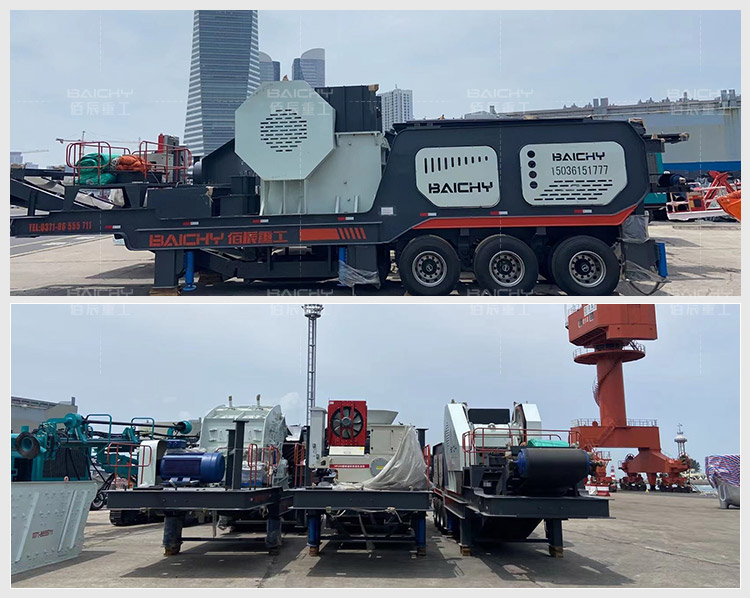
200 t/h Wheel-Mounted Mobile Crushing Station Export Solution for Russia
Regarding your inquiry concerning a "200 tons/hour (t/h) mobile tire-mounted crushing station (including crawler-mounted jaw, impact, and cone crushers) for export to Russia," this represents a typical medium-to-large-scale project for mining operations or construction waste processing.
Given Russia's unique climatic conditions (specifically, severe cold environments) and its stringent certification requirements for imported machinery, we have compiled the following professional recommendations, technical parameter references, and suggested suppliers for your consideration.

Mobile Jaw Crusher PDF, Download ↓↓↓
1. Recommended Core Equipment Configuration (200 t/h Production Capacity)
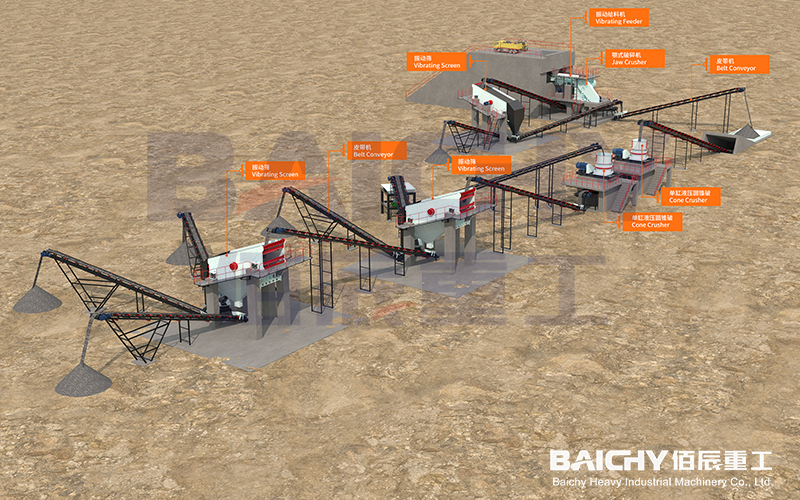
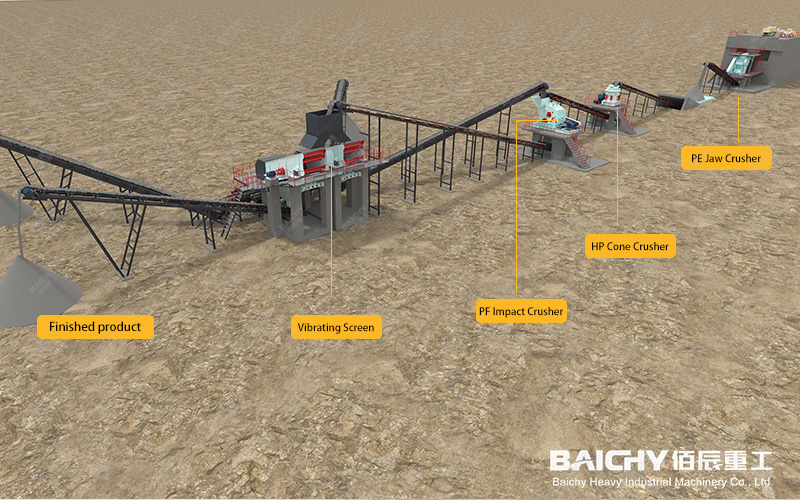
A production output of 200 t/h typically necessitates a three-stage crushing scheme to ensure optimal particle shape and gradation of the finished product.
| Crushing Stage | Equipment Type | Key Specifications (Reference) | Functional Description |
| Primary Crushing | Tire-Mounted Jaw Crushing Station | Feed Opening: Approx. 750 × 1060 mm | Responsible for the preliminary crushing of large raw materials (e.g., granite, basalt) down to a size of 150–200 mm or less. |
| Secondary Crushing | Tire-Mounted Impact Crushing Station | Rotor Specifications: Approx. Φ1315 × 1400 mm | Suitable for materials of medium hardness or lower (e.g., limestone, construction waste); produces finished products with excellent particle shape and high angularity. |
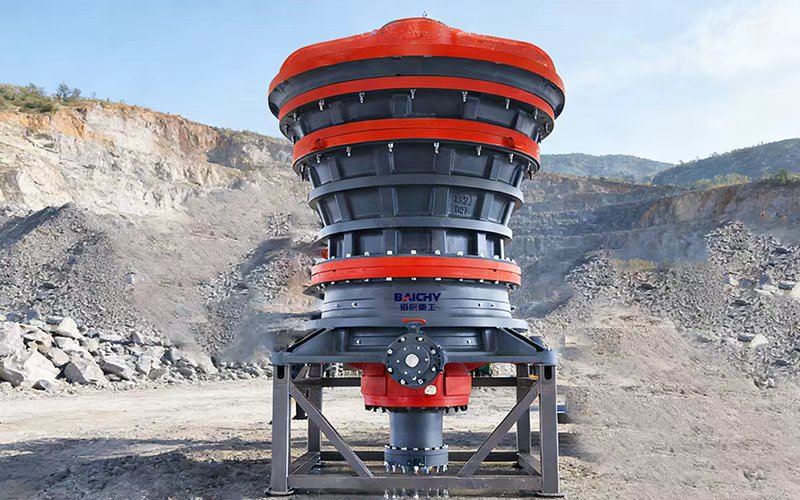
| Secondary/Tertiary Crushing | Tire-Mounted Cone Crushing Station | Cone Diameter: Approx. 1300 mm (e.g., HP300 class) | Designed for the fine crushing of hard rock (e.g., granite, river pebbles); features a high crushing ratio and low wear-part costs. |
2. Key Technical Requirements for Export to Russia
Machinery and equipment destined for export to Russia must address the following three critical points, which are fundamental to the success of the project:
• Low-Temperature Design (Low-Temperature Package):
▫ Winter temperatures in Russia can plummet to between Minus 30 to 40 degrees Celsius.
▫ Hydraulic System: Must be equipped with low-pour-point hydraulic oil and a hydraulic fluid preheating device.
▫ Power System: The diesel engine requires the installation of a "Northern Edition" preheating kit (e.g., a Webasto preheating system).
▫ Materials: Structural components must be fabricated using low-temperature-resistant alloy steel to prevent brittle fracture in freezing conditions.
• Certification Requirements (EAC/CU-TR Certification):
▫ EAC certification (Customs Union Technical Regulations certification) is mandatory. This primarily involves `CU-TR 010/2011` (Machinery Safety) and `CU-TR 012/2011` (Explosion Protection—applicable if coal mining operations are involved). Without this certificate, goods cannot clear customs in Russia or be operated at project sites.
• Power Source Options:
▫ The "Dual Power" (diesel-electric) mode is highly recommended. External power from the grid can be utilized in areas where it is available (offering lower operating costs), while the diesel generator set can be used in remote field locations or during site transfers (providing superior mobility).
3. Logistics Recommendations
• Transport Methods: Crawler-mounted crushing stations are classified as oversized and overweight cargo. They are typically transported via the China-Russia Railway (via the Manzhouli or Erenhot border crossings) or by road using flatbed semi-trailers.
• Customs Clearance: The appropriate Customs Code (HS Code: 847420) and the corresponding EAC Declaration must be prepared in advance.
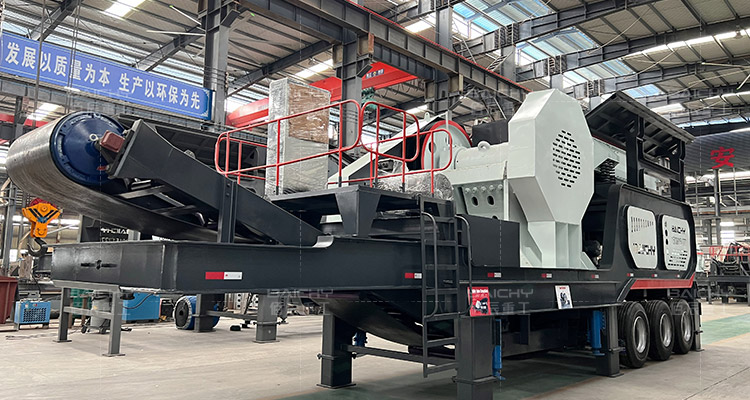
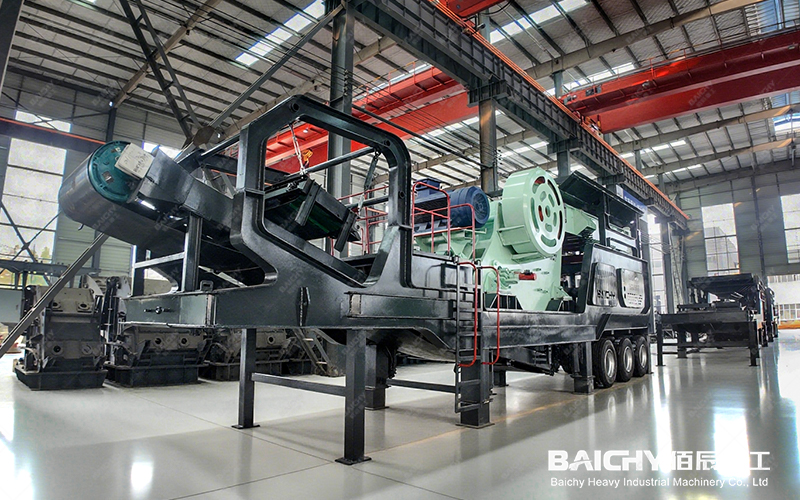
Mobile Jaw Crusher
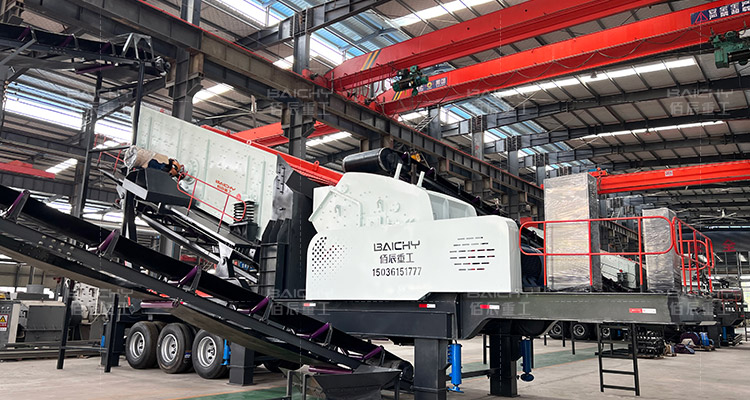
Mobile Impact Crusher
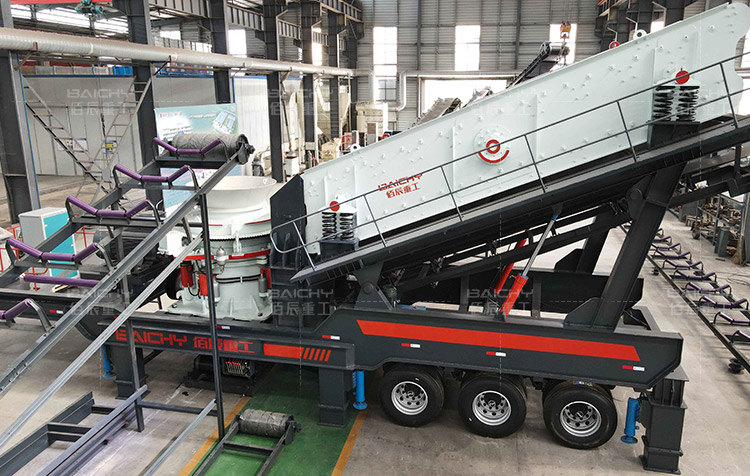
Mobile Cone Crusher
Why do Russian importers choose wheel-mounted crushing equipment over stationary systems?
Russian clients opt for mobile crushing stations—including both wheel-mounted and crawler-mounted types—rather than stationary systems based on a comprehensive assessment of Russia's unique geographical environment, climatic conditions, project characteristics, and economic viability.
Here are five core reasons for choosing mobile crushing stations:
1. The "Extended and Dispersed" Nature of Russian Infrastructure Projects
Given Russia's vast territory, many projects (such as road construction or railway maintenance in Siberia or the Far East) are characterized by a "linear and dispersed" distribution across long distances.
• Advantage of Mobile Stations: Mobile stations can "crush on the go," moving along as the project progresses.
• Disadvantage of Stationary Stations: If a stationary system is used, raw materials must be transported over long distances from the extraction site to the plant for crushing, and then transported back to the construction site. In Russia's remote regions, the exorbitant cost of road transport (or the lack of adequate road infrastructure) can directly erode project profitability.
2. Avoiding the High Costs and Bureaucracy Associated with "Permanent Structures"
In Russia, constructing a stationary crushing production line is classified as establishing a "permanent industrial facility."
• High Civil Engineering Costs: Stationary lines require the pouring of massive concrete foundations. Many regions in Russia are underlain by permafrost; consequently, constructing permanent foundations requires extremely rigorous anti-freeze and anti-settlement engineering standards, resulting in prohibitively high costs.
• Cumbersome Approval Procedures: Fixed plant facilities require land-use certificates, environmental impact assessments, building permits, and other approvals—a process that can take several months to complete. In contrast, mobile crushing stations are classified as "construction machinery" and typically do not require complex land-use or infrastructure-related permits, allowing for rapid project commencement.
3. Adaptability to Extremely Short Construction Cycles (Seasonal Factors)
Most regions in Russia experience very brief summers, meaning the prime construction window may last only 4 to 6 months.
• Rapid Deployment: From the moment a mobile crushing station arrives on-site until it enters full production, it typically requires only 2 to 3 days of commissioning (wheel-mounted units are even faster, often requiring nothing more than extending their support legs to begin operations).
• Flexible Withdrawal: When the extreme cold of winter sets in, mobile equipment can be swiftly withdrawn from the site and moved into storage facilities. This prevents critical components—such as conveyor belts and hydraulic parts—from sustaining damage due to extreme low temperatures and heavy snowfalls while exposed in remote, open terrain.
4. Small and Scattered Mining Sites (Tailored for Small to Medium-Sized Mines)
Russia is home to numerous small to medium-sized sand and gravel quarries that are widely dispersed across the landscape.
• Convenient Relocation: A mobile station can operate at a single mining site for three months; once crushing operations are complete, the entire unit can be towed to a different site—perhaps 100 kilometers away—to resume work. This "hit-and-run" flexibility—the ability to quickly move from one location to another—is a capability that fixed crushing plants simply do not possess.
• Specific Advantages of Wheel-Mounted Units: Compared to the crawler-mounted units you mentioned previously, wheel-mounted crushing stations are often preferred in Russia for a specific reason: they offer far greater convenience for long-distance towing and transport, particularly in urban peripheries or across level terrain. They can be directly hitched to a tractor unit and rapidly transported via public roads, ensuring exceptionally high efficiency during site relocation.
5. Exceptionally High Resale Value and Liquidity
Construction projects in Russia are frequently subject to the influence of shifting international dynamics and policy fluctuations.
• Asset Liquidity: A mobile crushing station constitutes a self-contained, independent "asset package." Should a project be halted or terminated, the client can very easily resell the entire unit to other construction firms in different regions or lease it out for use in other projects. • Fixed-Plant Risks: Once the fixed lines are dismantled, the concrete foundation becomes obsolete; furthermore, the process of disassembling and reassembling the machinery incurs significant wear and tear, resulting in a substantial depreciation of its overall value.
Summary: Wheel-Mounted vs. Crawler-Mounted (Tailored to Your Order)
• Wheel-Mounted: Slightly lower in price; ideal for projects involving frequent road transport, level terrain, and the need for regular long-distance relocation.
• Crawler-Mounted: Higher in price, but offers far superior mobility compared to wheel-mounted units in harsh environments—such as wet, muddy, or steeply sloped terrain (e.g., mining operations in Siberian forests or construction waste demolition sites). Additionally, they are self-propelled and do not require a separate towing vehicle.
About of Baichy Heavy Industry
Baichy Heavy Industry is a high-tech mining equipment company integrating R&D, manufacturing, sales, and after-sales service. Focusing on crushing, grinding, and mineral processing equipment, we provide professional solutions to our customers. We are ISO9001:2015 、certified, and our products include mobile crushing palnts, crawler crushing plant, construction waste crushing plants, jaw crushers, sand making machines, cone crushers, fine crushers, grinding mills, ball mills, etc., all with reliable performance to meet diverse project needs.
Our advantages:
• Professional pre-sales support: Free project design and comprehensive solutions to help you accurately select the right equipment;
• Comprehensive on-site service: Providing installation guidance and worker training to ensure smooth equipment commissioning;
• Reliable after-sales guarantee: A complete after-sales system, timely response to technical inquiries and equipment maintenance, ensuring long-term stable operation.
To protect your rights, please contact us through the following official channels for professional service:
Official Website Customer Service
https://wa.me/+8615093222637
Email: [email protected]
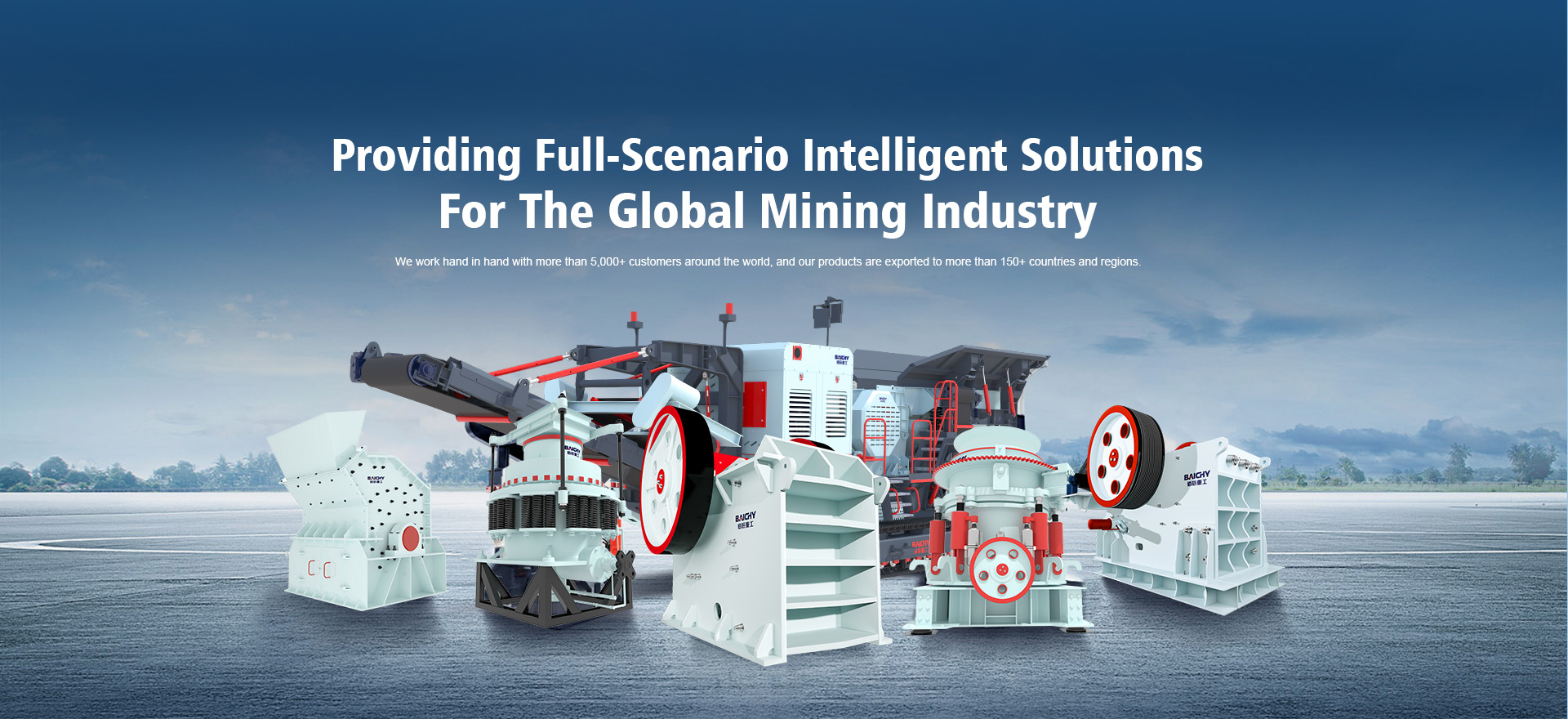
We are committed to providing high-quality equipment and full-cycle services to deliver comprehensive intelligent solutions for the global mining industry!
Frequently Asked Questions (FAQ):
1: Why is it mandatory to emphasize the EAC CoC rather than the DoC when exporting to Russia?
Answer: Mobile crushing stations are classified as "high-risk machinery" under the definitions of TR CU 010/2011. Consequently, they require an EAC CoC (Certificate of Conformity) and cannot utilize a DoC (Declaration of Conformity). DoCs are applicable only to low-risk products; using the incorrect type of certification will result in customs detention of the cargo and the imposition of heavy fines.
2: What specific requirements does Russia's severe cold climate impose on hydraulic systems?
Answer: In extreme cold environments reaching -40°C, standard hydraulic oil will solidify. The solution must therefore include a "Northern Package," which mandates the use of L-HV low-pour-point hydraulic oil, a diesel engine preheating system (e.g., Webasto), and heating devices within the electrical control cabinet. Furthermore, the steel structure must be fabricated using low-temperature-resistant steel to prevent brittle fracture.
3: What are the differences in applicable scenarios between wheel-mounted and crawler-mounted units in Russia?
Answer: Wheel-mounted units offer the advantage of rapid road-based relocation and lower acquisition costs, making them suitable for projects—such as road infrastructure construction or construction waste processing—that require frequent, long-distance towing. Crawler-mounted units are better suited for harsh terrain within mining areas characterized by mud and steep slopes; however, they come at a higher price point and require flatbed trucks for road transport.