Market Background
Zimbabwe's infrastructure is experiencing a strong recovery, leading to a widening demand gap for aggregates. Zimbabwe's economy is entering an acceleration phase. Zimbabwe's GDP growth is projected to reach 6.6% in 2026 (The Herald, December 2025), with infrastructure investment being a key driver. An assessment report by the African Development Bank (AfDB) indicates that Zimbabwe has an infrastructure deficit of US$34 billion, and the government has prioritized transportation, water, and energy as key investment areas.
Key projects directly related to aggregate demand include:
• Emergency Road Repair Program Phase 2 (ERRP2): Allocating ZigBG 11.6 billion (approximately US$460 million) in 2025, more than double the 2024 allocation, covering the maintenance and upgrading of the national road network;
• 85+ infrastructure projects under construction: covering dam construction, commercial complexes, and residential development, with the 2023-2026 infrastructure roadmap currently in its peak implementation phase;
• Growth in the construction aggregate market: According to 6Wresearch data, Zimbabwe's construction aggregate market will continue to grow from 2026 to 2032, with increasing urbanization and population growth being the main drivers.
Meanwhile, in October 2025, the Zimbabwean government designated quarrying and granite mining as a reserved industry for local businesses (Xinhua News Agency, October 1, 2025). This means that local quarrying companies must expand their own crushing capacity instead of relying on imported finished aggregates. The need for local deployment of high-quality crushing production lines is unprecedentedly urgent.
The core contradiction: Large-scale infrastructure investment is driving up aggregate demand, while local high-quality crushing capacity is severely insufficient—introducing mature and stable hard rock crushing processes has become a top priority for quarrying companies.
Equipment Selection Logic: Why PE750×1060 + HP300?
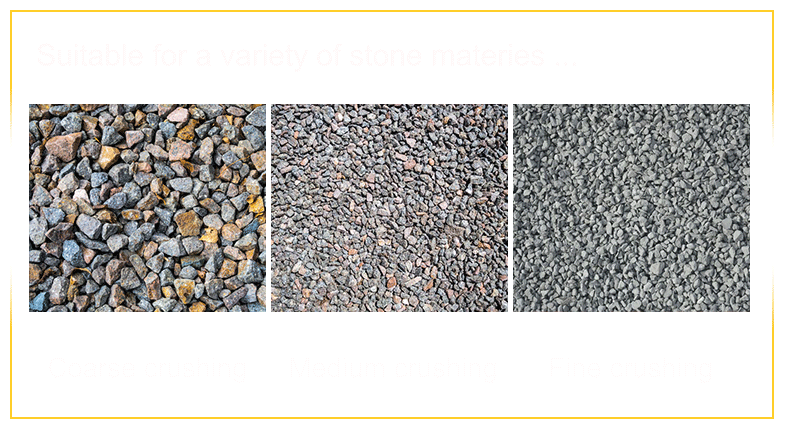
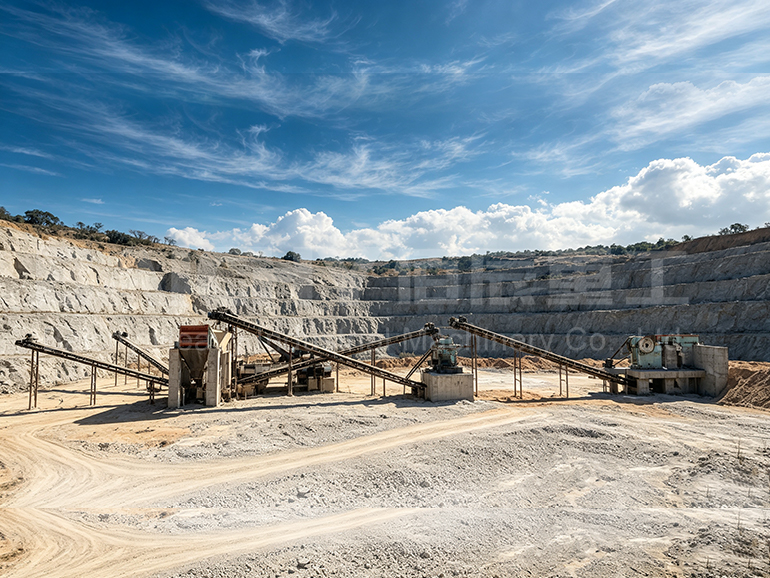
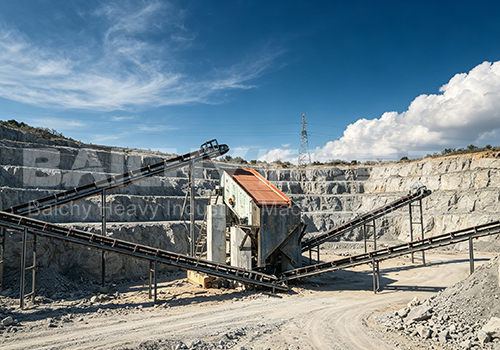
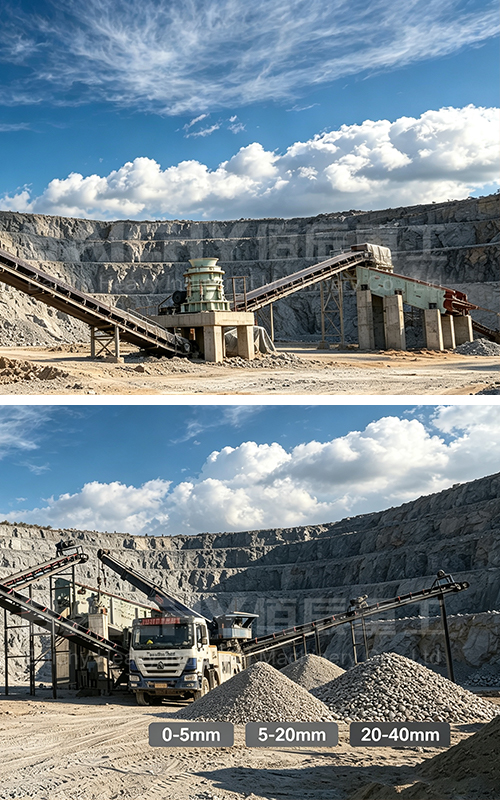
This production line adopts the classic three-stage hard rock processing technology of "jaw crusher coarse crushing + cone crusher medium and fine crushing + vibrating screen classification". Compared to the jaw crusher + impact crusher solution, the cone crusher has lower long-term operating costs and longer wear part life in hard rock, making it the preferred configuration for granite/basalt processing.
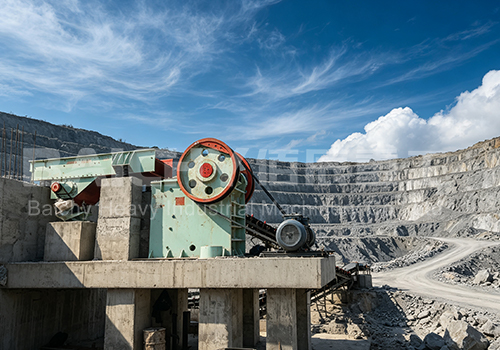
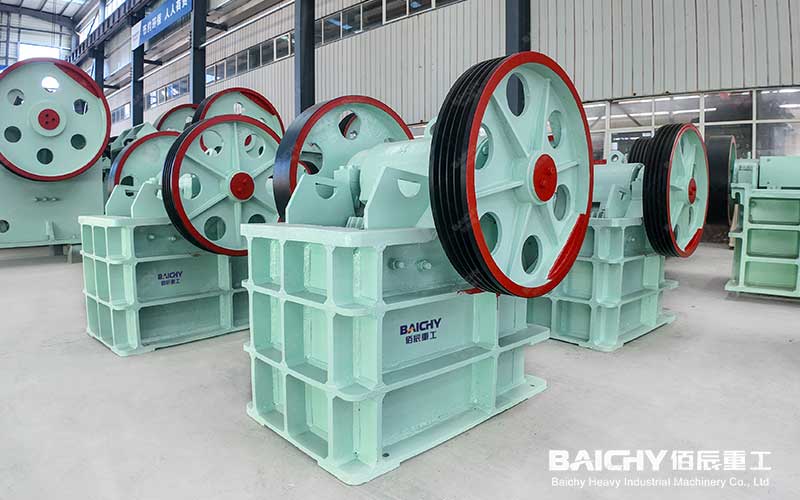
PE750×1060 Jaw Crusher — Primary Coarse Crusher
| Parameters |
Values |
| Feed Size |
750 × 1,060 mm |
| Maximum Feed Size |
≤ 630 mm |
| Discharge Adjustment Range |
80–200 mm |
| Processing Capacity |
100-220 t/h |
| Motor Power |
90 kW (6 poles) |
| Eccentric Shaft Speed |
250 r/min |
Selection Rationale: The compressive strength of local granite/basalt in Zimbabwe reaches 200–350 MPa, requiring coarse crushing equipment with high crushing force and heavy-duty structure. The PE750×1060 adopts a deep cavity crushing design with a crushing ratio of 4–6, making it highly adaptable to high-hardness raw rock. The 750×1060 feed inlet can accept medium-sized raw stones ≤630mm after blasting, avoiding secondary crushing pretreatment. A 90kW motor consumes approximately 0.6 kWh/ton at a throughput of 150 tph, which is considered low energy consumption among jaw crushers of the same class.
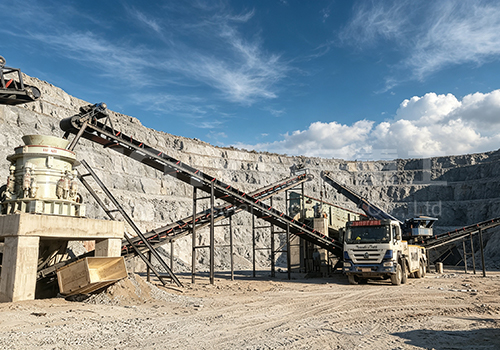
HP300 Cone Crusher — Secondary Medium and Fine Crushing
| Parameters |
Values |
| Moving Cone Diameter |
1,120 mm (44") |
| Maximum Feed Size |
≤ 241 mm |
| Discharge Opening Adjustment Range |
10–45 mm |
| Processing Capacity |
125–485 t/h (depending on discharge opening setting) |
| Motor Power |
220 kW (300 hp) |
| Crushing Chamber Type |
Standard Medium / Fine Crushing Optional |
Selection Rationale: When impact crushers process granite, the hammer life is typically only 120–200 hours, while the mantle/crushing wall of a cone crusher can reach 1,200–2,000 hours under granite conditions, offering a significant cost advantage in wear-resistant parts. The HP300's layered crushing principle results in a finished product particle shape superior to traditional spring cone crushers, with needle-like and flaky content controllable to ≤12%. The 220kW motor consumes approximately 1.3–1.5 kW of electricity per unit at a 150 tph output. kWh/ton.
Jaw Crusher + Cone Crusher vs. Jaw Crusher + Impact Crusher: Impact crushers have lower initial investment, but when processing granite/basalt, the hammer plates need to be replaced 1-2 times per month, resulting in frequent downtime. Cone crushers have 6-10 times longer wear parts life and lower annual maintenance costs, making them the preferred choice for long-term continuous production. For hard rock quarries with a monthly output of over 30,000 tons, the cone crusher solution can recover the initial price difference within 2-3 years through savings in wear parts and downtime costs.