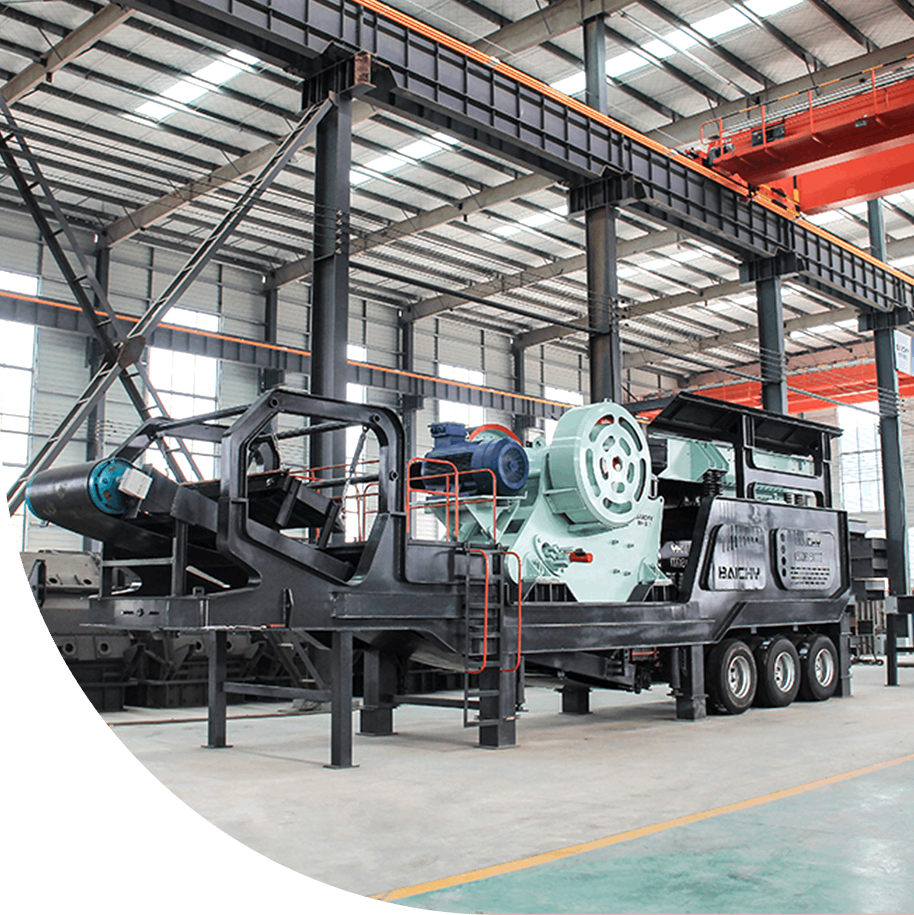

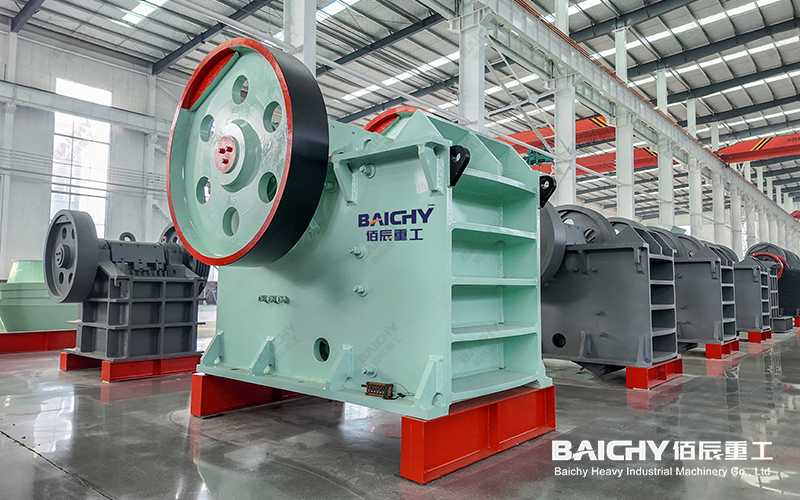
jaw crusher
As a manufacturer of mining crushing equipment with 20 years of experience, we understand that equipment selection has a decisive impact on production efficiency, product quality, and operating costs in mining crushing production lines. Among these, the crushing of fine-grained materials (typically referring to raw materials with smaller particle sizes and higher powder content) is a common technical challenge. Many customers initially consider using general-purpose jaw crushers, but in reality, this is often not the best choice. This article will analyze the reasons in detail and provide professional solutions.
I. Core Problem Analysis: Why are Jaw Crushers Unsuitable for Fine-Grained Materials?
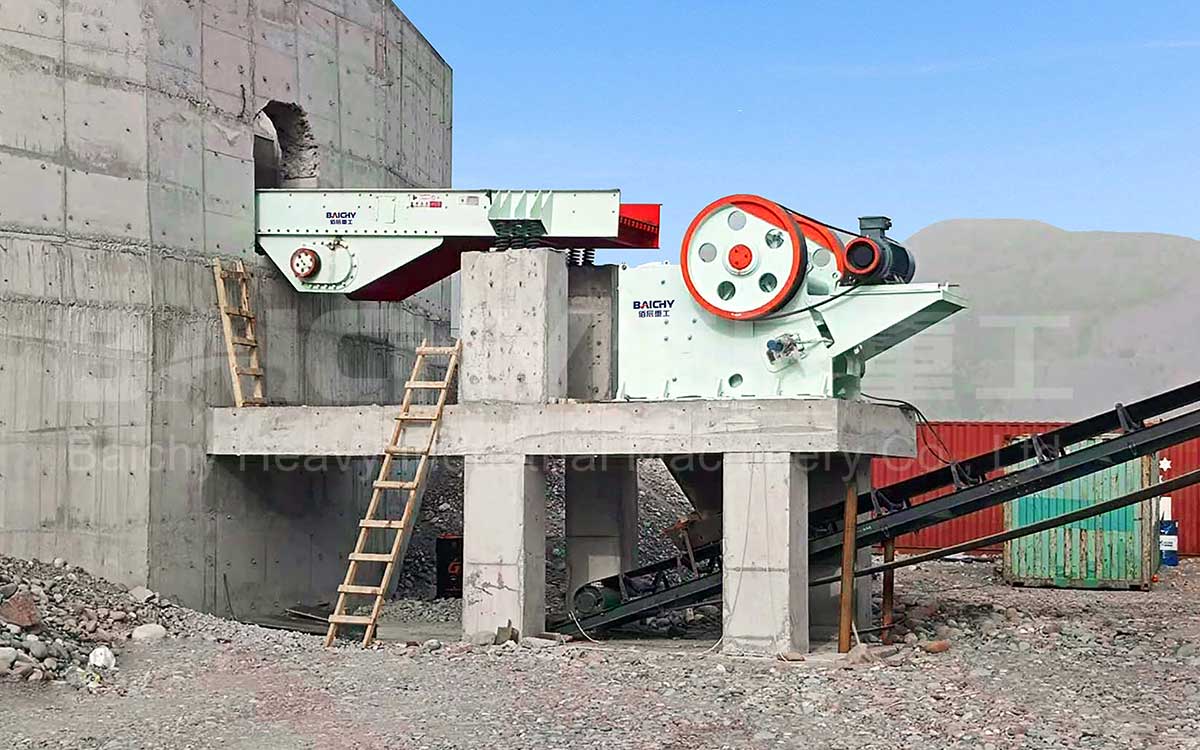
The working principle of a jaw crusher is to crush materials through the periodic squeezing motion between the movable jaw and the fixed jaw. Its design is primarily intended for coarse or medium crushing of large-sized materials with medium to high hardness. When processing fine-grained materials, several key shortcomings become apparent:
1. Easy clogging and poor discharge: Fine-grained materials have high fluidity and tend to accumulate in the lower part of the crushing chamber, especially when the material moisture content is slightly higher. This causes the material to stick to the jaw plates and chamber walls, leading to discharge port blockage and requiring frequent shutdowns for cleaning, severely affecting continuous operation.
2. Excessive crushing and severe pulverization: The squeezing action of the jaw crusher causes an over-crushing effect on fine-grained materials, generating a large amount of unnecessary fine powder. This not only reduces the yield of the target particle size and increases dust pollution, but also results in unnecessary waste of energy and materials.
3. Increased wear of jaw plates and rising costs: The wear pattern of fine-grained materials on the jaw plates is different from that of large-sized materials. They are more likely to enter tiny gaps, exacerbating abrasive wear, leading to a significant reduction in the lifespan of wear parts, and a significant increase in replacement frequency and spare parts costs.
4. Mismatch between output and efficiency: The capacity advantage of jaw crushers lies in processing large-sized materials. Their reciprocating working rhythm is less efficient for continuous, large-volume processing of fine-grained materials, resulting in relatively high energy consumption per unit product (kWh per ton).
II. Overview: Core Requirements for Fine Particle Crushing
An ideal fine particle crushing equipment should meet the following requirements:
- Smooth throughput: Preventing blockages and ensuring continuous and stable production.
- Controllable crushing ratio: Achieving effective crushing while minimizing over-crushing.
- High processing efficiency and low energy consumption: Suitable for large-scale, continuous feeding.
- Low wear costs: Optimized wear-resistant design to reduce operating and maintenance costs.
III. Recommended Solutions: Better Equipment for Fine Particle Materials
For fine particle materials (such as pre-screened fine ore, certain sedimentary rocks, coal gangue, and brittle materials with medium hardness or below), we usually recommend the following equipment, which offers significant advantages over jaw crushers in specific scenarios:
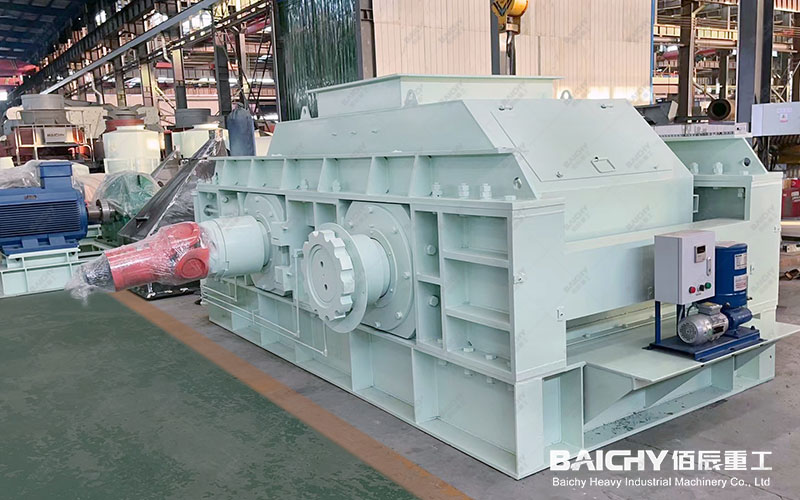
double roller crusher
1. Double Roll Crusher
- Advantages: Uses the principle of compression and shearing, resulting in uniform particle size and low over-crushing rate; particularly suitable for fine crushing and sand making of medium-to-low hardness fine particle materials, with easily adjustable particle size and low dust generation.
- Applicable scenarios: Final crushing of brittle, low-abrasive fine particle materials such as coal, coke, sintered ore, and limestone.
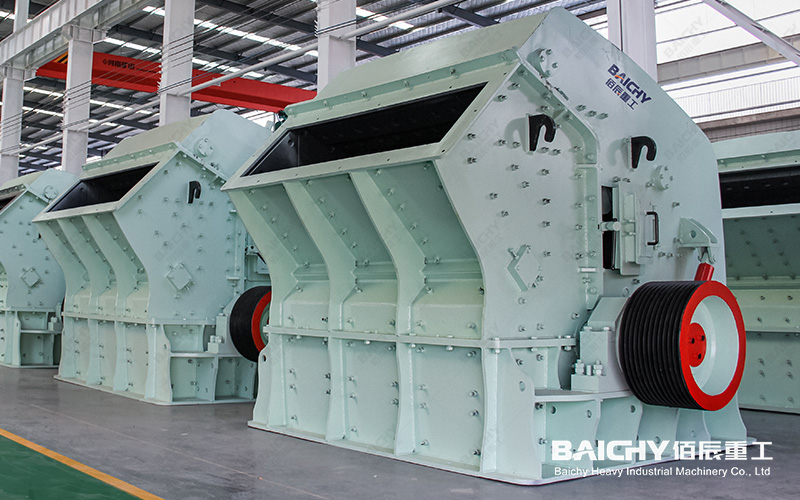
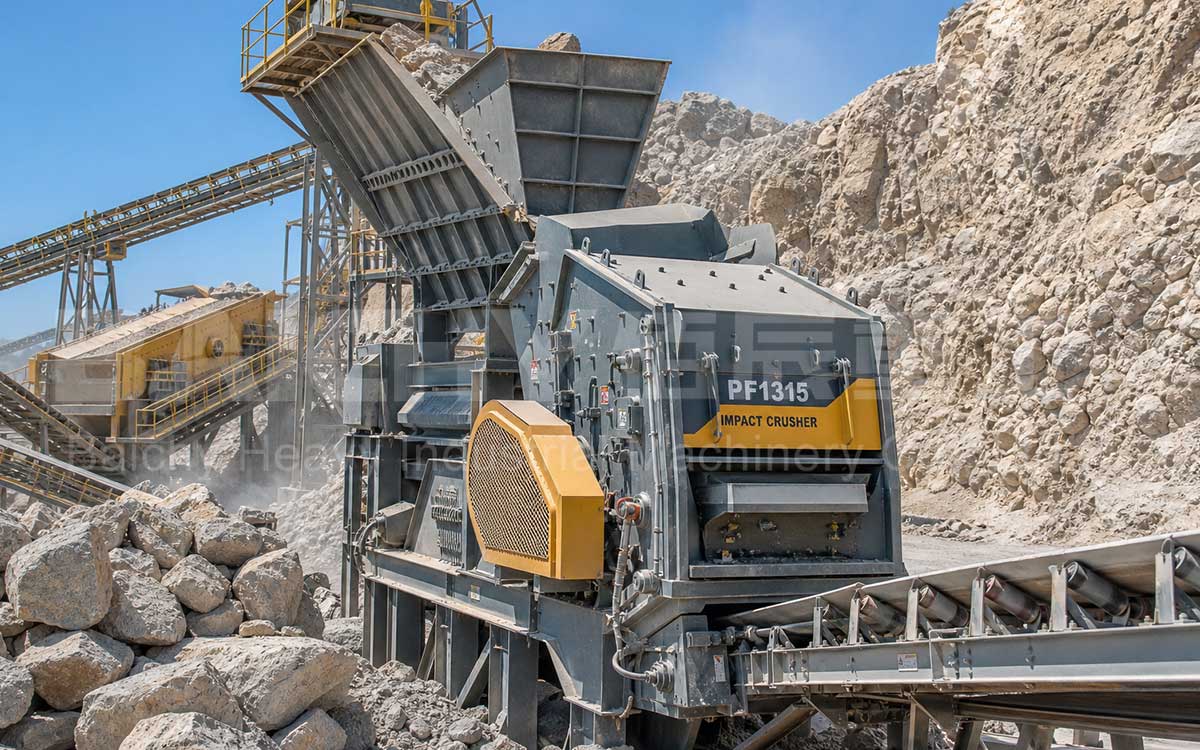
imapct crusher
2. Impact Crusher
- Advantages: Utilizes impact energy for crushing; materials repeatedly collide between the hammer and the impact plate, resulting in good product particle shape, mostly cubic. For fine particle materials with medium hardness or below, it achieves good crushing results and is less prone to clogging.
- Applicable scenarios: Secondary or tertiary crushing of materials such as limestone, calcite, and construction waste, while also meeting particle shape requirements.

VSI sand making machine
3. Vertical Shaft Impact Crusher (Sand Making Machine)
- Advantages: Uses the stone-on-stone or stone-on-iron principle, combining crushing and shaping functions, and is particularly suitable for producing manufactured sand. Excellent throughput and particle shape control for fine particle materials.
- Applicable scenarios: High-quality manufactured sand production, shaping and fine crushing of fine particle materials. IV. Case Study Sharing
Case Study of a Limestone Processing Plant:
This client initially used a jaw crusher (PE600×900) to process pre-screened limestone fines (<50mm), aiming to produce 0-5mm and 5-10mm aggregate. They encountered serious clogging, excessive dust, and the need to replace the jaw plates monthly.
Our Solution: We recommended switching to a double-roll crusher (2PG1200×800) as the fine crushing machine.
Results: The clogging problem was completely solved, enabling continuous 24-hour operation; the yield of the target particle size (especially 0-5mm sand) increased by more than 35%; over-crushing rate decreased by approximately 50%; wear part lifespan extended to more than 4 months, resulting in a significant improvement in overall efficiency.
V. Related Equipment Recommendations
In addition to the core equipment mentioned above, an efficient fine material processing line also requires the following supporting equipment:
- Fine Vibrating Screen: Pre-screening to separate qualified fine materials in advance, reducing the load on the crusher; post-screening for precise control of the finished product particle size.
- Sealed Feeder: Provides uniform and controllable feeding, serving as the first line of defense against clogging.
- High-Efficiency Dust Removal System: Collects and processes dust generated during crushing and screening, achieving environmentally friendly production.
VI. Frequently Asked Questions (FAQ)
Q1: If my material is fine-grained but very hard (such as granite fines), can't I use a jaw crusher?
A1: For high-hardness fine-grained materials, the wear and over-crushing problems of jaw crushers will be more pronounced. In this case, cone crushers (using the lamination crushing principle) should be considered for medium and fine crushing. They have strong throughput capacity, high wear resistance, and produce a more uniform product particle size. Although the initial investment is higher, the long-term operating economics are better.
Q2: Is there a versatile jaw crusher that can handle both large and fine-grained materials?
A2: In principle, the design of a standard jaw crusher cannot fundamentally overcome the inherent drawbacks of fine-grained materials. Some improved designs on the market (such as extended bottoms and specially designed discharge openings) can alleviate clogging to some extent, but they cannot simultaneously achieve high efficiency, low over-crushing, and low wear. The best practice for professional production lines is segmented processing: using a jaw crusher for coarse crushing, and then using more suitable equipment (such as roller crushers, cone crushers, or impact crushers) for medium and fine crushing.
Q3: With a limited budget, how can existing jaw crushers be modified to improve fine material processing?
A3: The following measures can be tried:
1) Strict pre-screening: Before feeding the material into the jaw crusher, separate out the qualified fine material as much as possible using a screen;
2) Adjust process parameters: Appropriately increase the discharge opening to speed up material flow, but this will sacrifice the crushing ratio;
3) Optimize the jaw plate tooth profile: Use smoother or specially shaped jaw plates to reduce material retention. However, these are only temporary solutions and cannot fundamentally solve the problem. In the long run, upgrading the equipment is more economical.
Jaw crushers are the pioneers of mining crushing, but they are not a panacea. For the processing of fine-grained materials, their disadvantages of easy clogging, over-crushing, and high wear are significant. Choosing more specialized equipment such as roller crushers, impact crushers, or vertical shaft impact crushers is necessary to achieve efficient, economical, and high-quality stable production. As an equipment manufacturer with twenty years of industry experience, we recommend that when planning your production line, you must comprehensively select equipment based on the particle size, hardness, humidity, and finished product requirements of the material.
Perfect after-sales service
Baichy Heavy Industry provides professional on-site guidance for installation, training of workers, and other services to ensure that customers can use the equipment smoothly.
The company has a complete after-sales service system, which can provide customers with timely technical support and equipment maintenance services to ensure the long-term stable operation of the equipment.
To prevent the rights and interests of customers from being infringed, Baichy Heavy Industry reminds customers: please contact our customer service staff through the official website of Baichy Heavy Industry , or add WhatsApp: 15093222637 ; or send an email to: [email protected] , we will get in touch with you as soon as possible and provide you with the most professional service in the industry.

Baichy Heavy Industry
Baichy Machinery is a factory supplier of mining machinery, mainly focusing on stone crushers, powder grinding mills, and mineral beneficiation plants. We can offer you a free design and completed solutions according to your project.
Baichy Heavy Industry has grown into a high-tech mining equipment comprehensive enterprise, integrating R&D, manufacturing, sales, and after-sales service, Passing ISO9001:2015 quality management system certifications. The main products are mobile jaw crushing plants, construction waste crushing plants, PE jaw crushers, VSI sand-making machines, Symons cone crushers, single-cylinder hydraulic cone crushers, PCX high-fine crushers, grinding mills, ball mills, and full sets of beneficiation equipment with an excellent level.