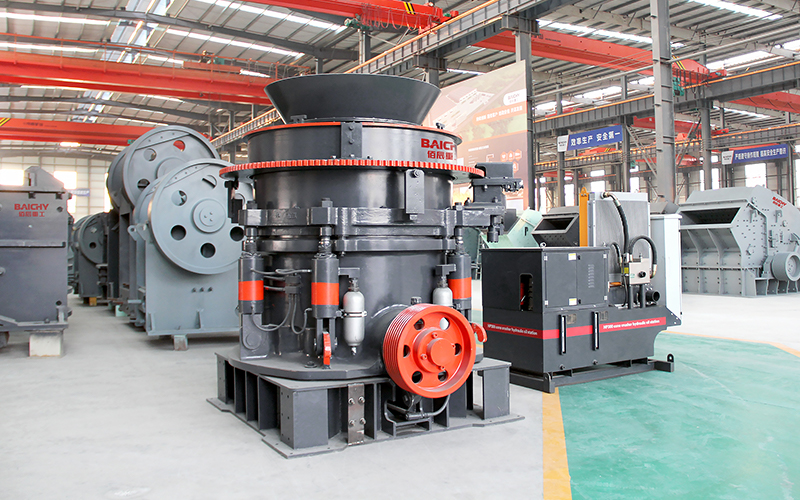
Cone Crusher Hydraulic System Maintenance
I. Maintenance of Hydraulic Systems for Cone Crushers
A lack of standardized cleaning and maintenance protocols for hydraulic systems is the primary cause of unplanned downtime in aging cone crushers. A limestone mine in Hebei Province once experienced significant fluctuations in clamping pressure—resulting in a single repair-related downtime loss of up to 50,000 RMB—due to excessive fluid contamination and aging seals.
Strict adherence to a maintenance regimen featuring a "closed-loop oil tank + periodic oil management" can reduce the system failure rate by 90%. Based on the GB/T 23567-2009 standard, we have developed a three-tier maintenance system specifically tailored for aging equipment; a detailed comparison is presented below:
| Maintenance Dimension | Extensive Management (Pre-Upgrade) | Scientific Maintenance System (Post-Implementation) | Client Benefits |
| Oil Cleanliness | NAS Class 10 (Dark/Contaminated) | NAS Class 7 (Clear/Transparent) | 90% reduction in the risk of spool valve sticking |
| Seal Inspection | Replaced only upon failure | Quarterly preventive replacement | 100% elimination of sudden oil leakage incidents |
| Hydraulic Oil Temperature | 75°C (Rapid oxidation) | 63°C (Air-cooled temperature control) | Doubled service life of hydraulic oil |
This maintenance solution has enabled the mining operation to achieve zero-failure operation within 180 days, effectively breaking the vicious cycle of "improving after an oil change, only to clog up again once the new oil is depleted."
"In the past, we fixed things only after they broke; now, we maintain them according to a schedule. Our maintenance staff have transformed from a 'firefighting squad' into 'preventive care specialists'—and that is exactly what we wanted."
Frequently Asked Questions (FAQ)
Q1: How often should the hydraulic oil be changed in an aging cone crusher?
A: We recommend changing the oil every 2,000 operating hours. However, under a strict maintenance regimen (e.g., installing high-precision filter elements and utilizing a closed-loop oil tank), this interval can be extended to 3,000–4,000 hours, significantly reducing operation and maintenance costs.
Q2: Can hydraulic oil still be used if it has turned dark brown?
A: No. If the oil appears dark brown and emits an unusual odor, it indicates severe oxidation; continued use will lead to accelerated wear on the hydraulic pump. In such cases, the machine should be shut down immediately, and the complete "hydraulic oil replacement" maintenance procedure must be performed.
Q3: How can moisture ingress into the hydraulic system be prevented?
A: During maintenance, it is mandatory to check whether the air breather features a drying function and to ensure that the oil tank cover is properly sealed. This is a critical maintenance step for preventing oil emulsification (turning milky white).
Q4: What are the most important inspection items during routine maintenance?
A: First, inspect the seals for any signs of leakage; second, check the oil level to ensure it falls within the specified range. These two measures alone can prevent 80% of sudden equipment failures.
II. Maintenance of Hydraulic Sealing Systems for Cone Crushers
Neglecting the preventive maintenance of hydraulic system seals is a direct cause of "leaks, spills, and drips," which can subsequently lead to environmental fines. Establishing a system of "quarterly seal inspections + closed-tank maintenance" can fundamentally eliminate ground-level oil contamination and ensure compliance with environmental inspection requirements.
We have integrated environmental standards into our daily maintenance procedures:
1. Seal Inspection: Conduct mandatory quarterly inspections and tighten pipe joints; proactively replace aging seals and components.
2. Internal Cleaning: Regularly clean dust and debris from around the oil tank to prevent contaminants from entering the system through the air breather.
3. Compliance Results: Workshop VOC emissions currently stand at 0.8 mg/m³, significantly lower than the national standard limit of 4 mg/m³.
Frequently Asked Questions (FAQ)
Q1: Will oil leaks from a hydraulic station result in environmental fines?
A: Yes. Under the *Solid Waste Law*, "leaks, spills, and drips" are frequently cited violations subject to penalties. We recommend incorporating "seal inspections" into your weekly mandatory maintenance checklist to prevent issues before they arise.
Q2: What are the key points to observe during routine hydraulic system maintenance?
A: The core principle is "Three Preventions": Prevent impurities (regularly replace filter elements), Prevent water ingress (inspect the air breather), and Prevent leaks (inspect seals). These form the foundation of all maintenance activities.
Q3: How should oil emulsification in the hydraulic system be addressed?
A: Oil emulsification indicates severe water contamination—a direct consequence of neglected maintenance. You must immediately shut down the equipment, drain the old oil, thoroughly clean the oil tank, and replace both the seals and the hydraulic oil.
III. Maintenance of Cone Crusher Hydraulic Systems in High-Temperature and High-Humidity Environments
In hot and humid tropical climates, simply adhering to standard domestic hydraulic maintenance protocols can accelerate oil oxidation and lead to equipment overheating and failure. An exporter reported that equipment shipped to Indonesia failed after just three months of operation; the hydraulic pump was rendered irreparable due to overheating—a failure attributed to a lack of adjustment in the maintenance strategy.
By customizing a maintenance plan specifically for tropical operating conditions—featuring "high-viscosity hydraulic fluid plus enhanced heat dissipation"—overseas after-sales repair costs can be reduced by 90%. We have adjusted key maintenance parameters to adapt to these extreme environments:
| Maintenance Challenge | Standard Domestic Maintenance | Tropical-Specific Maintenance | Solution/Key Benefit |
| Fluid Management | HV46 Fluid | HV68 Fluid | Maintains viscosity at high temperatures; prevents pump wear |
| Cooling Maintenance | Water-cooling checks | Cleaning air-cooling fins | Adapts to water-scarce mining sites; prevents overheating |
| Seal Maintenance | Standard Rubber | Fluororubber Components | Resists aging; prevents leaks |
This maintenance plan has already been successfully implemented at an iron ore mine in Vietnam, where the client's equipment operated continuously for 18 months without a single failure, thereby demonstrating its exceptional reliability in extreme environments.
Frequently Asked Questions (FAQ)
Q1: How should the hydraulic system of a cone crusher exported to Indonesia be maintained?
A: The primary focus should be on "fluid replacement" and "heat dissipation." It is imperative to use a high-viscosity-index hydraulic fluid capable of withstanding high temperatures (such as HV68) and to regularly clean dust accumulation from the fins of the independent air-cooled radiator.
Q2: How can moisture ingress into the hydraulic system be prevented during the tropical rainy season?
A: During maintenance, it is essential to inspect the air breather (air filter) to ensure it has not failed. We recommend utilizing a breather equipped with a drying function; this constitutes a critical maintenance step for preventing hydraulic fluid emulsification.
Q3: What options are available if overseas clients lack the expertise to perform maintenance themselves?
A: We provide multilingual versions of our *Hydraulic System Maintenance Manual* as well as video tutorials to guide clients through the entire maintenance process—covering everything from "hydraulic fluid selection" to "seal component inspection."