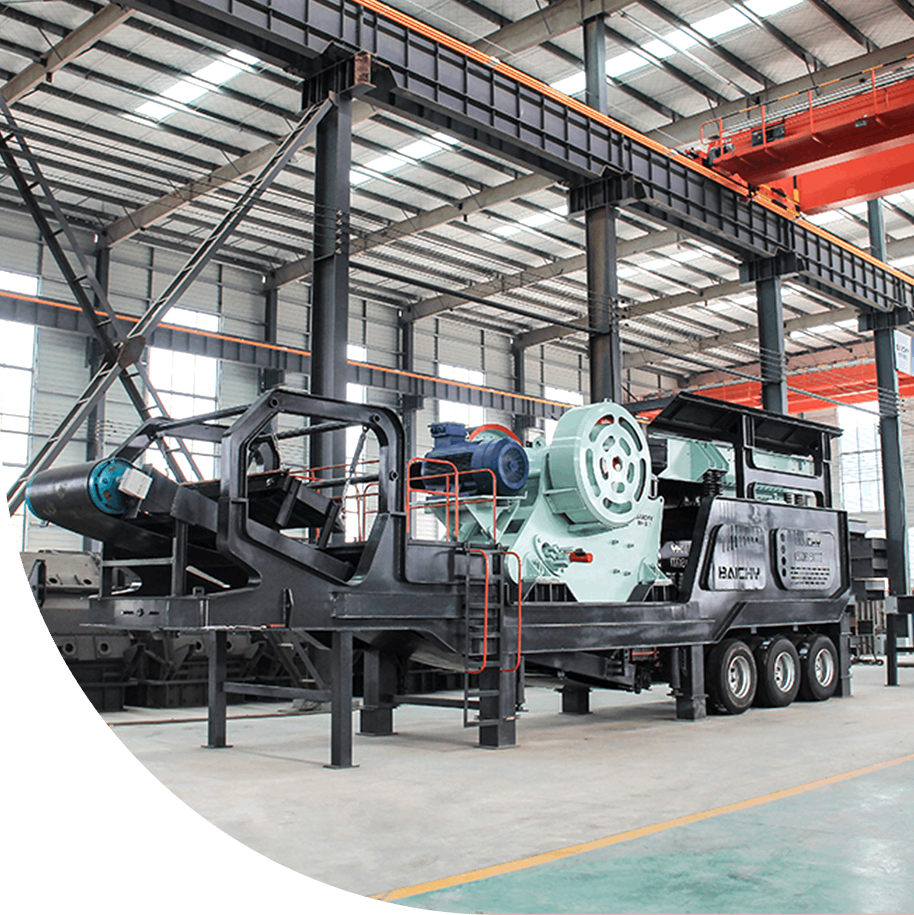

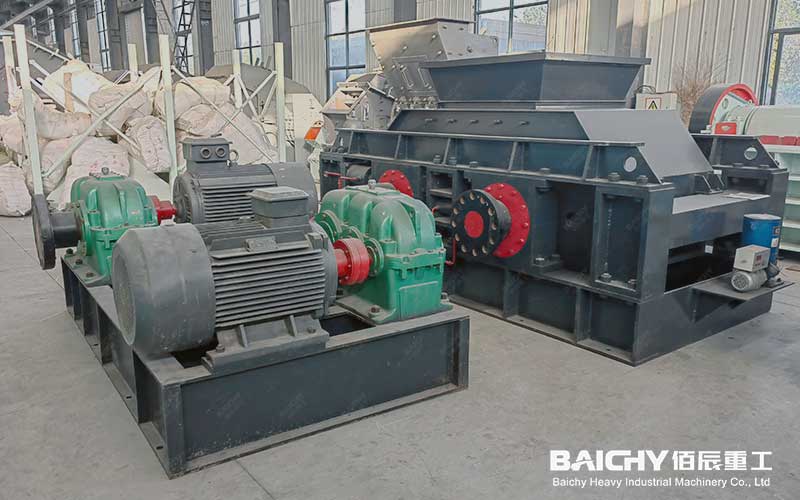
Double Roller Crusher
The double-roll crusher is the optimal solution for the medium-to-fine crushing of materials with low-to-medium hardness, such as coal, coke, slag, clay, and clinker. Compared to hammer crushers and impact crushers, it offers three core advantages: a low over-crushing rate (fine powder content <10%), resistance to clogging from wet or sticky materials (maintaining normal operation with 10%–15% moisture content), and adjustable output particle size (roll gap of 2–40 mm). In short: while other crushers produce a pile of powder, this machine delivers a finished product.
I. Pain Point Analysis: Why Hammer and Impact Crushers Struggle
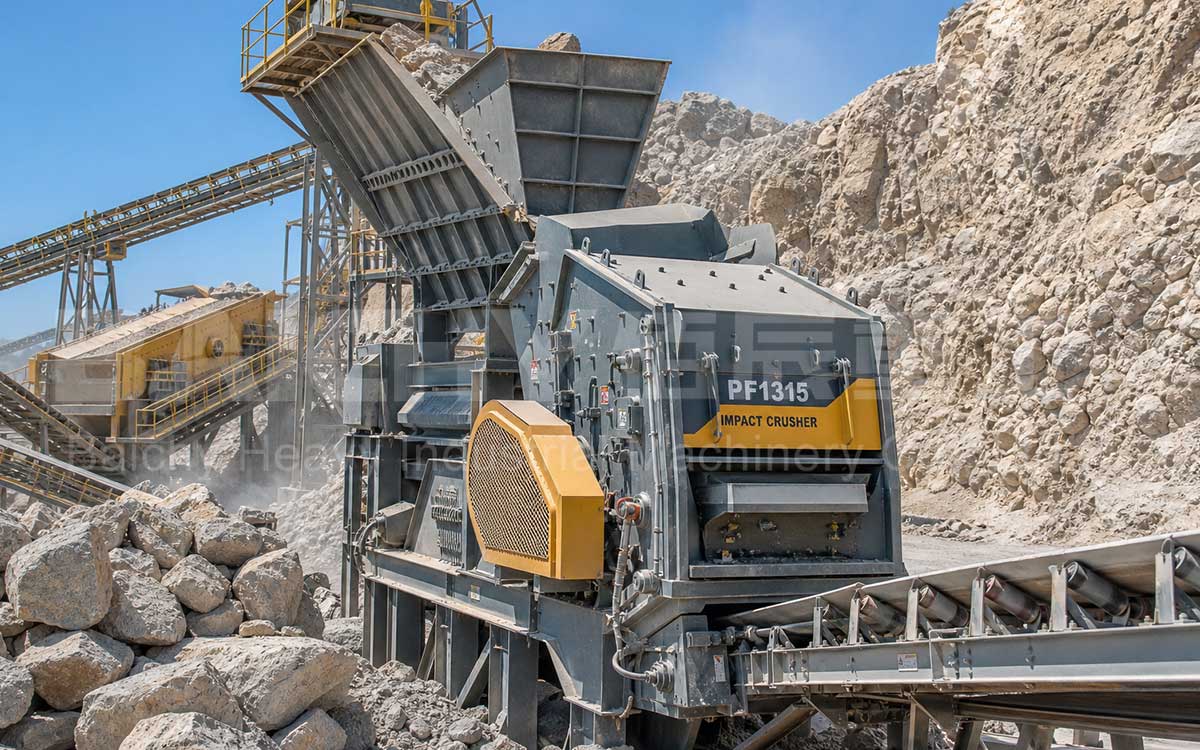
• Severe over-crushing: High-speed impact generates fine powder levels as high as 18%–25%, resulting in low product yield and a heavy screening burden—effectively crushing away profits.
• Clogging from wet/sticky material: Moisture content exceeding 8% causes material to adhere to blow bars and liners, necessitating frequent shutdowns for cleaning and reducing hourly output by 30%.
• Uncontrollable particle size: Output size is influenced by both rotor speed and blow bar wear, leading to significant fluctuations and making it difficult to maintain stable mix ratios.
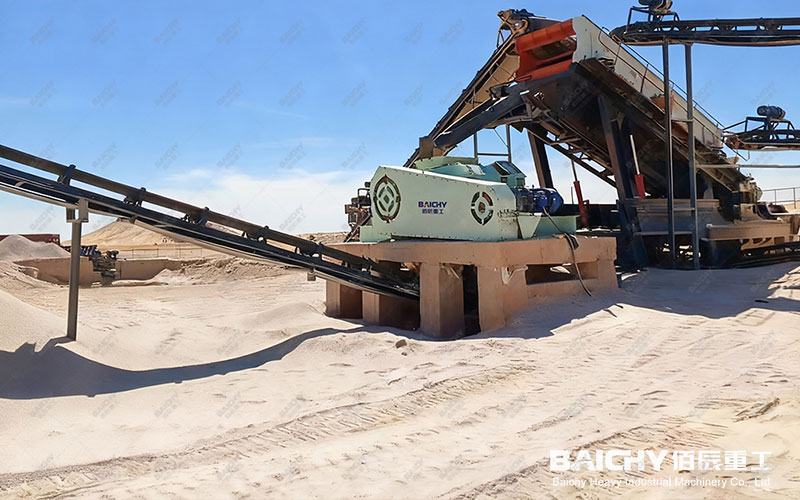
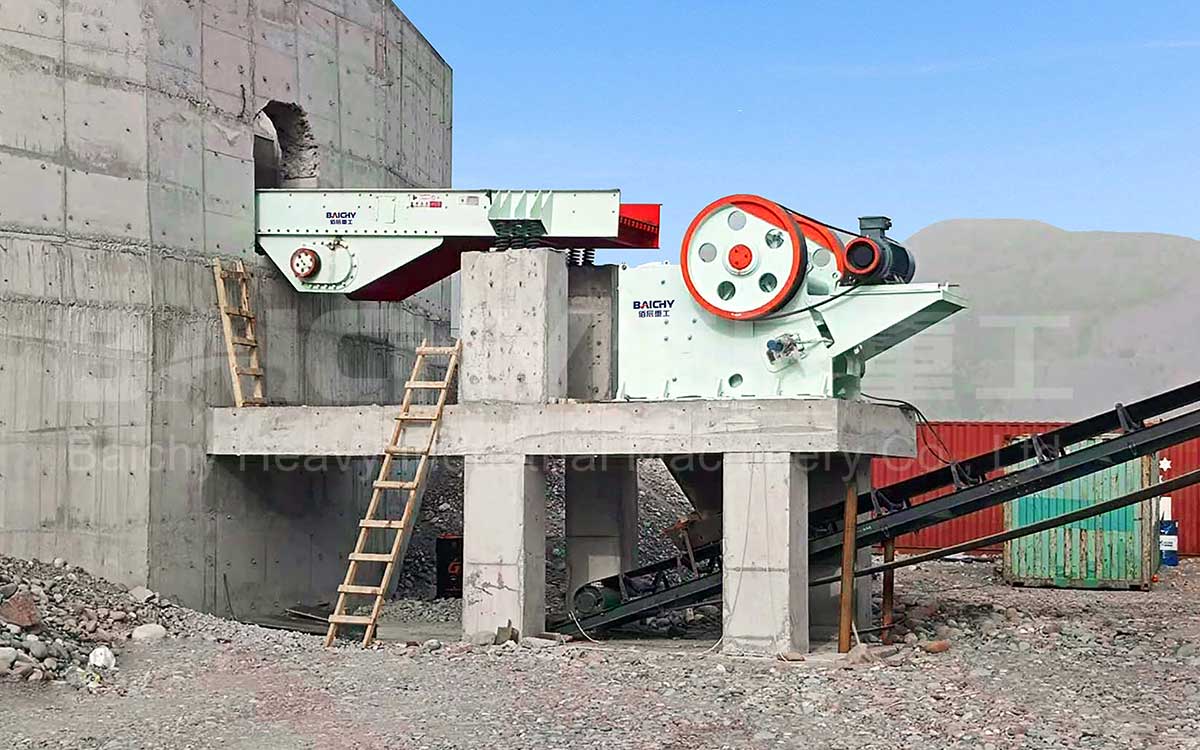
Double-roll crusher customer site
II. Translating Specifications into Profits
| Technical Feature | Direct Benefit |
| Compression + Shearing (fines rate <10%) | Coal/coke yield increases by 5–15%; a 50 t/h line saves hundreds of thousands of yuan annually by reducing fines loss. |
| Smooth Roll + Scraper (handles 10%–15% moisture without clogging) | Downtime for cleaning reduced by 90%; production continues normally during the rainy season. |
| Hydraulic/Spring Roll Gap Adjustment (±1mm) | Change specifications without stopping the machine; adjustment completed in 10 minutes. |
| Mn18Cr2 Roll Shell + Hard-facing Repair | Service life of 6–8 months for hard materials; single repair cost is only 20%–30% of a new roll; repairable 2–3 times. |
| Low Speed & Large Roll Diameter (low electricity consumption per ton) | Saves over 30% electricity compared to impact crushers at the same capacity. |
III. Core Specifications Table (Typical Configuration for 2PG Series)
| Model | Feed Size | Discharge Size | Capacity | Power |
| 2PG400×250 | ≤25mm | 2–8mm | 5–10 t/h | 11kW |
| 2PG610×400 | ≤40mm | 10–30mm | 15–40 t/h | 30kW |
| 2PG750×500 | ≤45mm | 10–40mm | 30–60 t/h | 37kW |
| 2PG900×700 | ≤60mm | 10–50mm | 50–120 t/h | 45–55kW |
Note: Capacity is rated based on limestone (1.6 t/m³); for lightweight materials like coal and coke, a conversion factor of 0.45–0.55 applies.
IV. Selection Advice & Pitfalls to Avoid
1. Consider Hardness: Not suitable for hard rock with compressive strength >150 MPa (e.g., granite, basalt); choose jaw crushers or cone crushers instead. Double-roll crushers are best suited for materials of low to medium hardness. 2. Feed Material: The feed size must match the roll diameter (not exceeding 1/10–1/15 of the diameter); oversized chunks can jam the rolls or damage the surface, so a jaw crusher or grizzly screen should be installed upstream.
3. Roll Type Selection: Use smooth rolls with scrapers for wet, sticky materials; use toothed rolls for lump coal or coke; for fine sand production, a custom four-roll, two-stage tandem setup can produce 0–3mm material in a single pass.
4. Tramp Iron Protection: Must be equipped with an iron remover or an overload retraction mechanism; the hydraulic retraction system responds in 0.2 seconds, automatically retracting the rolls upon encountering iron—this is the primary reason for choosing the hydraulic version (2PGY) over the spring-loaded version.
5. Application: Choose a wide roll gap for coarse crushing and a narrow gap for fine crushing; a single machine can handle both requirements by adjusting the roll gap, eliminating the need for duplicate investment.
V. FAQ
Q1: Can it crush granite?
No, it is suitable only for materials of low to medium hardness; for hard rock, please use a jaw crusher or cone crusher.
Q2: Will wet material clog the machine?
No. The smooth roll and scraper design is specifically engineered for wet, sticky conditions, allowing for normal operation with moisture content of 10%–15%.
Q3: How is the output particle size guaranteed?
The roll gap determines the particle size, adjustable to within ±1mm via the hydraulic system; minor adjustments can compensate for roll surface wear every 300–400 hours of operation.
Q4: What is the roll shell lifespan and repairability?
Approximately 6–8 months for hard materials; hard-facing repair is supported, costing 20%–30% of a new roll, with the shell capable of being repaired 2–3 times.