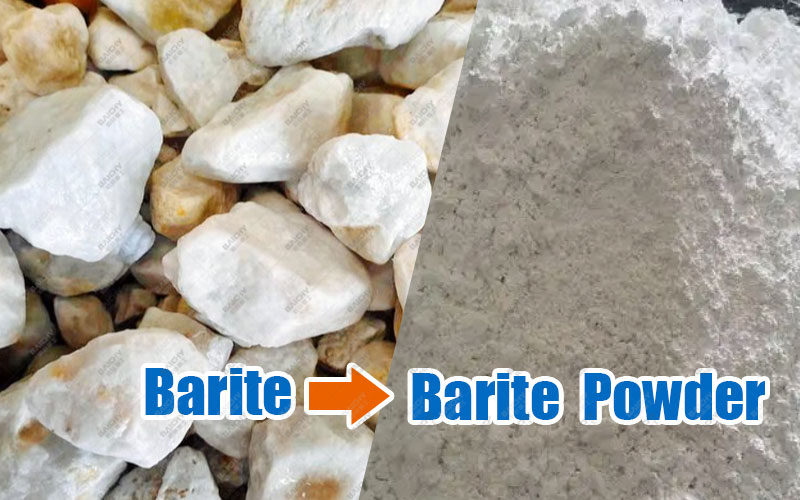
Barite, as an important non-metallic mineral raw material, derives its value not from the ore itself, but from the complete release of its potential through modern processing techniques especially grinding. Barite grinding plants are the core locations for this remarkable transformation. Today, we'll take you inside a barite grinding plant to explore its secrets.
I. The Purpose of Barite Grinding: Why Grind?
Naturally mined barite ore is uneven in size, limiting its direct application value. The purpose of grinding is to process it into powder of a specific fineness (usually below 1250 mesh, or even finer) to meet the stringent requirements of downstream industries. Increased specific surface area and enhanced activity allow it to fully realize its potential as a weighting agent in drilling mud, a filler in coatings, and a reinforcing agent in plastics and rubber.

II. Core Process Flow of a Barite Grinding Plant
A standard barite grinding production line typically includes the following key stages:
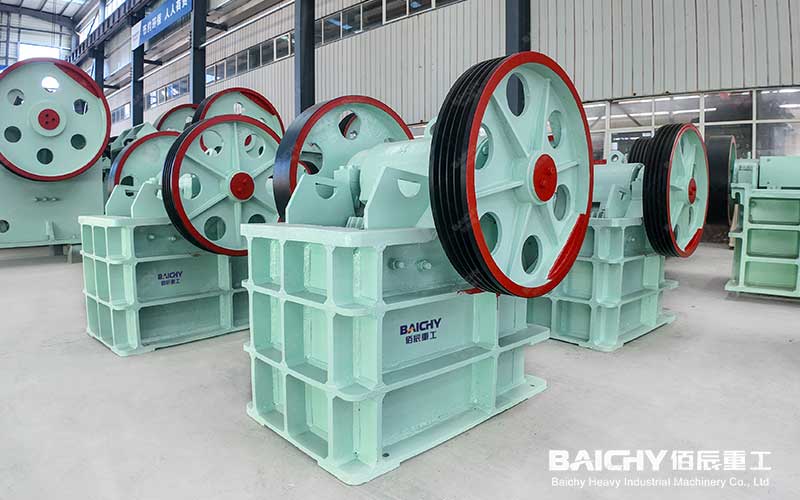
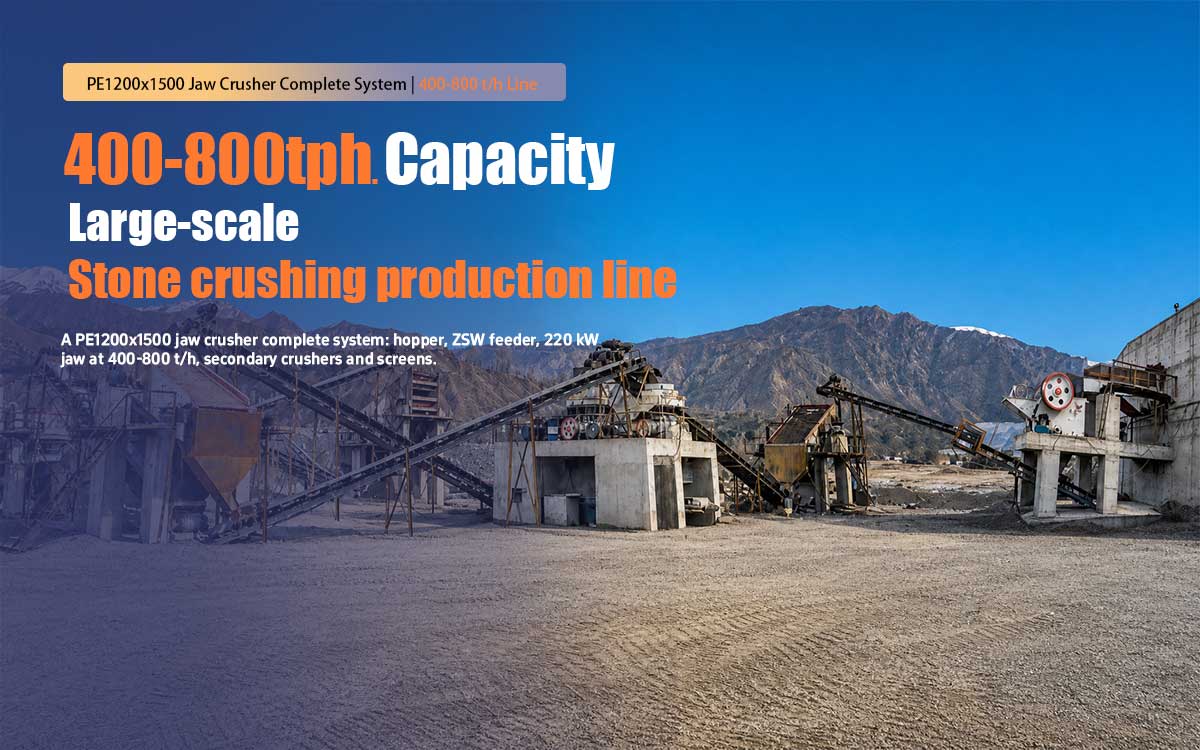
1. Crushing: Large pieces of raw ore are coarsely crushed using a jaw crusher, and then medium to finely crushed using a cone crusher or impact crusher, reducing the ore particle size to the feed requirements for the grinding mill (usually less than 30mm).
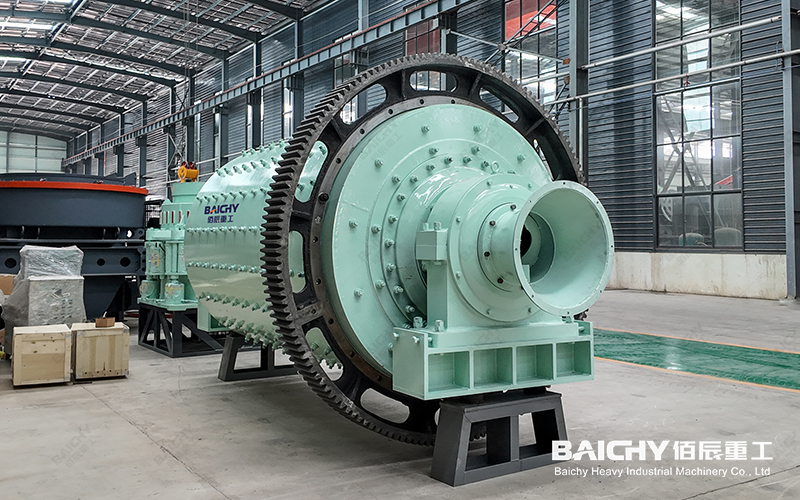
2. Grinding: This is the "heart" of the entire plant. The crushed barite pieces are fed into the grinding mill. Different types of grinding equipment are selected depending on the final product fineness, such as Raymond mills (suitable for 80-325 mesh), vertical grinding mills (suitable for 200-400 mesh), or ultrafine vertical grinding mills (suitable for 400-2500 mesh).
3. Classification: The ground material is air-pumped into a classifier. Unqualified coarse powder is separated and returned to the mill for regrinding, while qualified fine powder is carried by the airflow into the collector.
4. Collection and Packaging: Barite powder meeting the required fineness is ultimately collected by a cyclone collector and pulse dust collector, becoming the finished product, and then undergoes automated packaging and storage.
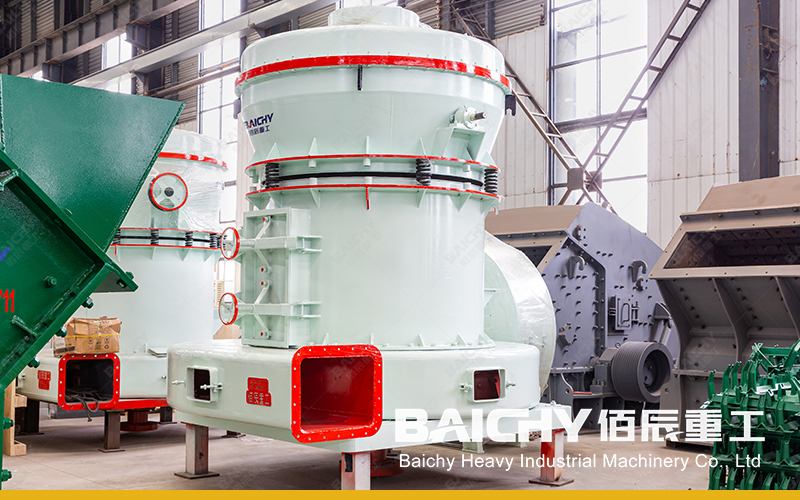
III. Selection of Key Equipment: The "Intelligence" of the Grinding Mill
Choosing a high-efficiency and energy-saving grinding mill is key to the success of a barite grinding plant. Modern grinding plants emphasize:
• High degree of automation: Reducing manual intervention and stabilizing product quality.
• Environmental protection and energy saving: Equipped with a high-efficiency dust removal system to achieve green production.
• Adjustable powder fineness: Multi-purpose machine, flexibly meeting the needs of different customers.
IV. Broad Application Prospects of Barite Powder
Precision-processed barite powder is a veritable "industrial MSG":
• Petroleum Industry: As a weighting agent in drilling mud to prevent blowouts, this is the most important use of barite.
• Chemical Industry: Production of barium salt compounds, such as barium carbonate and barium sulfate.
• Coatings and Plastics: As a high-quality filler, it improves the lightfastness, stability, and strength of products.
• Building Materials: Used in the production of cement and glass, it enhances product performance.
A modern barite grinding plant is more than just a simple powder processing workshop; it is a bridge connecting high-quality minerals with high-end manufacturing. Through sophisticated processes and advanced equipment, it transforms ordinary ore into a key material supporting the development of multiple industrial sectors, its value and importance self-evident.