
Choosing the right grinding mill is not merely about completing the physical transformation from lumps to powder, but a strategic decision to achieve a leap in product added value and gain market dominance. As an expert with many years of industry experience, I will guide you beyond the equipment itself, re-examining the value of limestone grinding mills from multiple perspectives: market, process, and return on investment.
I. Why is a usable grinding mill no longer sufficient?
In the past, many companies' requirements for grinding mills were simply that they produce powder. However, today, downstream industries have imposed almost stringent standards on the fineness, particle size distribution, purity, and whiteness of limestone powder. Whether it's 325-mesh limestone powder used for power plant desulfurization, 800-mesh and above heavy calcium carbonate powder used as filler in plastics and coatings, or specific particle size products required for high-end artificial stone, traditional Raymond mills (oscillating mills) can no longer meet all demands. The market is phasing out extensive production and shifting towards refined and customized manufacturing. Therefore, investing in a modern grinding mill that is technologically advanced, flexible in adjustment, and has lower energy consumption is no longer a matter of choice, but a matter of survival.
II. Comprehensive Analysis of the Advantages and Disadvantages of Mainstream Limestone Grinding Mills
Understanding the working principles and applicable ranges of different grinding mills is the first step in making the right selection.
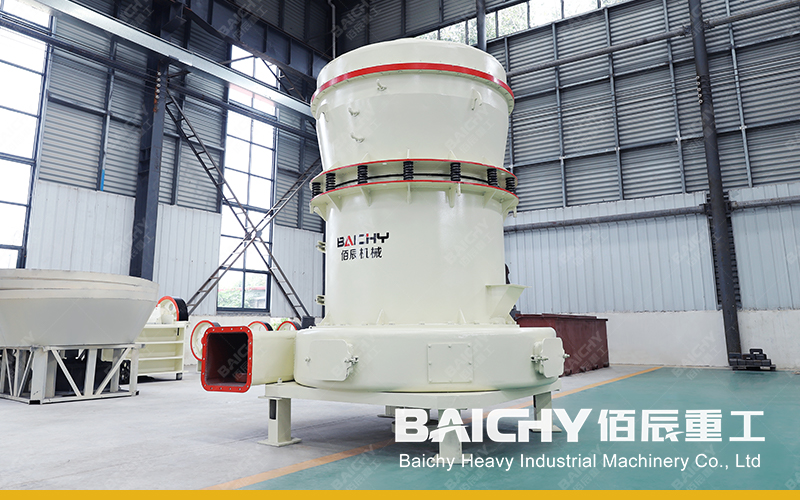
Raymond Mill
1. Raymond Mill (Vertical Swing Mill)
As a classic and enduring model, its advantages lie in its mature technology, low investment cost, and simple maintenance. It is suitable for small to medium-sized production capacity and fineness requirements of around 250-400 mesh. However, its limitations are becoming increasingly apparent for higher fineness (such as above 600 mesh) and low energy consumption requirements.
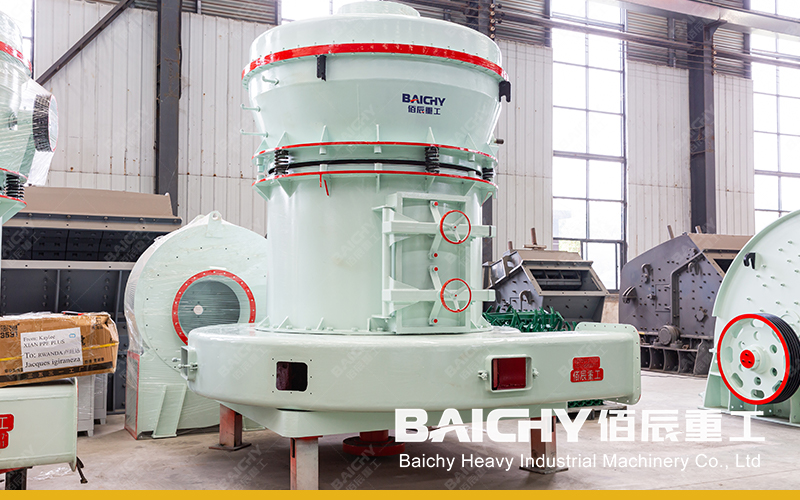
Raymond Mill
2. High-Pressure Suspension Roller Mill (High-Pressure Grinding Mill)
This can be considered an upgraded version of the Raymond mill. By adding a pressurizing device, it can increase output at the same power and improve the fineness of the finished product to 500-800 mesh. It is a compromise that balances investment and efficiency, suitable for enterprises with certain upgrade needs in their product structure.
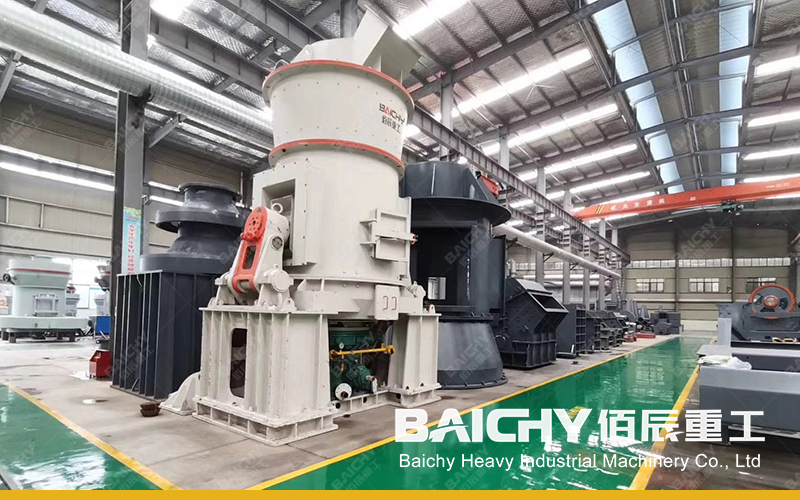
Vertical Roller Mill
3. Vertical Mill (Vertical Mill)
A star product for large-scale, intensive production. Utilizing a bed-feed grinding principle, it consumes 20%-30% less electricity than a Raymond mill. It integrates crushing, grinding, drying, and powder classification, boasting a huge single-machine capacity and stable product fineness. Particularly suitable for large-scale, continuous production lines, it is the first choice for desulfurization limestone powder preparation in the cement, power, and steel industries.
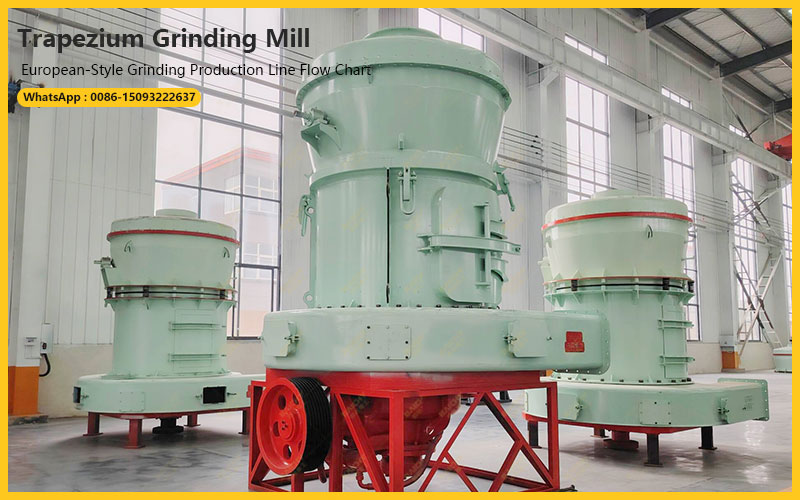
European-style grinding equipment
4. European Trapezoidal Mill
Employing bevel gear integral transmission, curved surface blades, and other patented technologies, it offers higher grinding efficiency, less wear, and a wider fineness range (80-1000 mesh). It is an ideal replacement for traditional Raymond mills and suitable for customers with high requirements for product quality and equipment durability.
III. The Gold Standard for Selection in the Eyes of Experienced Experts
Technical parameters are fundamental, but the real decision should be based on a more macro-level perspective:
• Life Cycle Cost (LCC): Don't just focus on the bare machine price. While the initial investment in a high-quality grinding mill may be slightly higher, its remarkable wear-resistant component lifespan, low failure rate leading to high operating rates, and lower power consumption per ton will quickly recoup the price difference within 1-2 years and continue to generate excess profits for you over the next 5-10 years.
• Process Matching: What are the hardness, moisture content, and feed particle size of your raw materials? What are your target finished product fineness and capacity requirements? The answers determine the equipment model. For example, materials with high moisture content must be equipped with a drying system (such as a vertical mill); for materials with strict requirements regarding iron contamination, the equipment lining and grinding rollers/rings must be made of special materials such as ceramics.
• Supplier's Soft Power: Can you provide successful project case studies? Do you have a professional engineering team to provide process design? How fast is your after-sales response? Is spare parts supply timely? These factors directly affect whether the project can be successfully put into production and operate stably in the long term.
IV. The Chain Reaction of a High-Quality Grinding Mill
Investing in a top-of-the-line limestone grinding mill yields returns far beyond the powder itself:
• Product persification: Achieve multi-functionality, easily switch between producing different specifications of products, flexibly respond to market changes, and seize the high ground in niche markets.
• Brand Image Enhancement: Stable product quality is the cornerstone of winning high-end customers and long-term orders.
• Environmental Protection and Sustainable Development: Low energy consumption, low noise, and a fully enclosed design help companies meet increasingly stringent environmental regulations, shaping a responsible corporate image.
Choosing a limestone grinding mill is a crucial strategic investment. It's not just a production tool, but a powerful instrument for enhancing your core competitiveness and deepening your profits. As your trusted mining equipment partner, we not only provide a full range of efficient and reliable equipment from Raymond mills to vertical mills, but also offer one-stop solutions from site surveys and process design to installation, commissioning, and lifetime maintenance. We firmly believe that the right equipment, combined with your vision, will jointly create a future of multiplied value.