
Dewatering Screen for Coal Slime
In the modern coal preparation industry, coal slime—a byproduct consisting of fine coal particles and water—presents a significant handling and economic challenge. Efficiently separating these solids from the water is crucial for both waste management and the recovery of valuable fuel. Among various technologies, the dewatering screen has emerged as a cornerstone equipment due to its high efficiency, low operational cost, and robust performance in extreme industrial environments. It acts as the final gatekeeper in the water circuit, ensuring that fine coal is reclaimed rather than lost to the tailings pond.
Coal slime typically has a high moisture content and a very fine particle size distribution, often below 0.5mm. Traditional gravity settling or basic screening is often insufficient to meet the strict dryness requirements of downstream processing or transportation. The specialized dewatering vibrating screen solves this by applying high-frequency vibration and specific deck geometries to achieve a product that is dry enough for handling and resale. Furthermore, the integration of dewatering screens helps plants comply with environmental regulations regarding wastewater discharge and mineral waste reduction.
Working Principle: The Physics of High-Frequency Vibration
Dewatering Screen for Coal Slime | Industrial Solutions
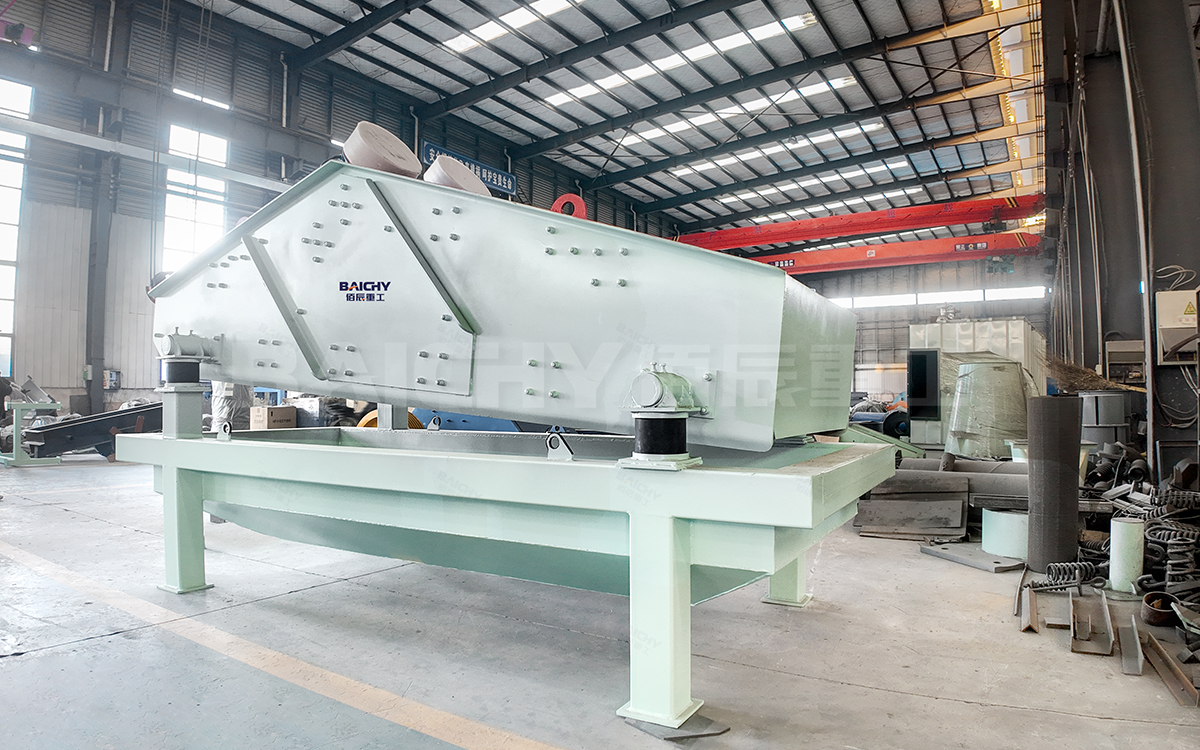
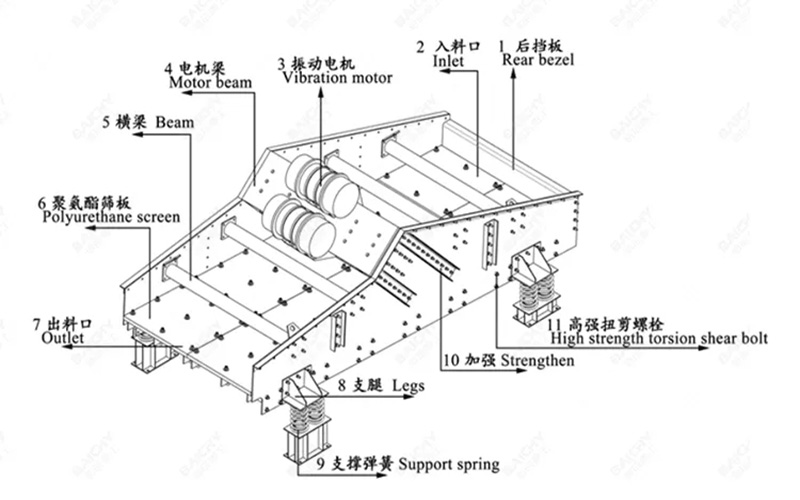
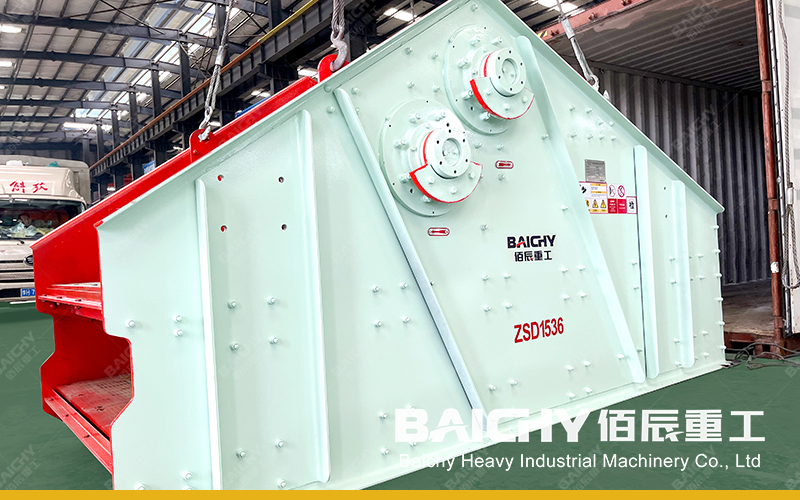
The core of a dewatering screen's operation lies in the principle of linear vibration. Most industrial units utilize two counter-rotating vibrating motors. As these motors rotate in opposite directions, the centrifugal forces they generate cancel each other out in the lateral direction while combining in the perpendicular direction. This creates a powerful linear vibrating force that propels the material along the screen deck. The high-frequency nature of this vibration, often exceeding 1,500 RPM, is what allows the machine to break the surface tension of the water surrounding the fine coal particles.
Unlike traditional grading screens that slope downwards, a coal slime dewatering screen deck is often designed with a "steep uphill" inclination—usually between 3 and 5 degrees. This uphill slope is critical. As the wet coal slime enters the screen, the vibration forces the solids to climb the incline while the water drains through the screen mesh. This process creates a thick "filter cake" of coal slime on the screen surface. This cake actually acts as an additional filtering medium, trapping even smaller particles that might otherwise pass through the mesh, thus significantly increasing the recovery rate of fine coal. The water that passes through the deck is then collected in a separate underflow hopper for further clarification or recycling back into the plant's washing circuit.
Key Components: Vibrating Motors, Screen Media, and Deck Design
To withstand the abrasive nature of coal and the corrosive effects of water, the construction of the dewatering screen must be highly durable and engineered for continuous service.
Vibrating Motors: These are the heart of the machine. High-quality motors with adjustable eccentric weights allow operators to fine-tune the vibration amplitude and frequency to suit different slime consistencies and feed rates. The synchronized movement of these motors is essential for generating the necessary linear trajectory.
Screen Media: The most common material used today is high-density polyurethane (PU). Polyurethane screen panels are preferred over stainless steel because they offer superior wear resistance, reduced noise levels, and are less prone to "blinding" (clogging of the holes). The aperture size is typically very small, ranging from 0.1mm to 0.5mm, depending on the specific recovery targets of the plant.
Damping System: Heavy-duty rubber springs or steel springs are used to isolate the vibration from the supporting structure. This damping system is critical for preventing fatigue in the plant's steelwork and ensuring that the kinetic energy is focused entirely on the material processing rather than being dissipated as structural noise.
The KTD Slurry Pump: Optimizing the Feeding Circuit
A dewatering screen is only as efficient as the feeding system that provides its input. In coal slime processing, the transport of high-concentration slurry (often containing sand, grit, and fine clay) poses a significant risk of clogging and uneven distribution. This is where the KTD series submersible slurry pumps (such as the Tsurumi KTD22.2 or KTD33.7) become critical.
The KTD pump is specifically engineered with an integrated agitator. This agitator churns the settled solids into a uniform suspension before they enter the pump suction, ensuring a consistent feed to the dewatering screen. By providing a steady, high-velocity flow, the KTD pump prevents the "surging" effect that can disrupt the formation of the filter cake on the screen deck. This integration ensures that the dewatering screen operates at its peak capacity, maintaining a stable 12-15% moisture output even when the feed consistency varies. Furthermore, the KTD’s cast-iron housing and high-chrome impeller provide the necessary durability to withstand the abrasive nature of coal slime, reducing downtime for the entire dewatering system.
Dewatering Screen for Coal Slime | Industrial Solutions
Performance Metrics: Moisture Reduction and Particle Recovery
The primary goal of dewatering is the dramatic reduction of moisture content. A well-optimized dewatering screen can reduce the moisture content of coal slime from a slurry state (often 30-50% moisture) down to a stable 12% to 15%. This level of dryness is a critical benchmark, as it is often sufficient for the coal to be blended directly with coarser products or sold as a standalone fine fuel. Lowering moisture also reduces transportation costs significantly, as the plant is no longer paying to haul excess water weight.
Furthermore, the recovery rate is a vital metric for the overall profitability of the mining operation. In many coal washing plants, fine coal lost in the wastewater represents a direct loss of revenue that could have been captured. By utilizing the filter cake effect—where the thick layer of material on the screen acts as its own filter—dewatering screens can recover up to 95% of solids. This high recovery rate not only boosts the final yield but also reduces the load on downstream water treatment equipment, such as thickeners and clarifiers, extending their service life and reducing chemical flocculant costs.
Comparing Dewatering Screens with Centrifuges and Filter Presses
When selecting equipment for coal slime dewatering, engineers often compare the dewatering screen with centrifuges and filter presses, each of which has distinct trade-offs.
VS. Centrifuge: While centrifuges can achieve slightly lower moisture levels due to higher G-forces, they are significantly more expensive to purchase, install, and maintain. They also consume much more electricity per ton of processed material. The dewatering screen offers a superior "middle-ground" solution—delivering excellent dryness at a fraction of the capital and operating cost, making it the preferred choice for high-volume operations where cost-per-ton is a priority.
VS. Filter Press: Filter presses are capable of producing a very dry "cake" (often below 10% moisture), but they are inherently batch processors. This requires complex automated valving systems or manual labor to clear the press between cycles, creating bottlenecks in the production flow. In contrast, the dewatering screen provides a continuous, high-capacity flow that integrates seamlessly into a 24/7 production line without the need for sophisticated automation or frequent operator intervention.
Maintenance and Longevity: Best Practices
To ensure the longevity of a dewatering screen in a coal preparation plant, a disciplined maintenance schedule is required. The high-frequency vibration naturally stresses the frame and components over time, making preventative care essential.
Regular Inspection of Bolts: The high-strength bolts and rivets connecting the side plates and screen panels must be checked regularly for tightness using calibrated torque wrenches. Loose fasteners can lead to cracked side plates, which are expensive and time-consuming to repair.
Bearing Lubrication: The bearings in the vibrating motors are the most likely points of failure under continuous load. Using the correct high-temperature grease and following the manufacturer’s intervals—often every 100 to 200 hours of operation—is non-negotiable for preventing catastrophic motor failure.
Screen Panel Replacement: Even high-density polyurethane eventually wears down under the constant abrasion of coal slime. Replacing panels before they break is a proactive measure that prevents "oversize" leakage into the water recovery circuit. If a panel fails, large particles can enter the underflow, causing blockages in downstream pumps and pipes that can shut down the entire plant's water circuit.
Conclusion: Optimizing Your Coal Preparation Plant
The dewatering screen is an indispensable tool for any coal processing facility looking to improve its environmental footprint and bottom line. By effectively reclaiming fine coal from slurry and reducing moisture to manageable levels, these machines transform a waste product into a valuable commodity. Investing in a high-quality dewatering screen—tailored with the right frequency, deck angle, and screen media—is one of the most effective ways to optimize the efficiency of a modern coal preparation plant.
Frequently Asked Questions (FAQ)
Q: What is the working principle of a coal slime dewatering screen?
A: It uses high-frequency linear vibration and a steep uphill deck to separate water from solids. The vibration creates a thick filter cake that t raps fine particles while water drains through the mesh.
Q: How much moisture can a dewatering screen remove from coal slime?
A: Typically, it can reduce moisture content to between 12% and 15%, depending on the feed consistency and the screen's technical settings.
Q: What are the advantages of a dewatering screen over a centrifuge?
A: Dewatering screens offer significantly lower initial capital costs, lower power consumption, and much simpler maintenance requirements while still providing excellent particle recovery.
Q: Why is polyurethane used for the screen mesh?
A: Polyurethane (PU) offers much better wear resistance than stainless steel in abrasive coal environments and helps reduce the noise levels generated during operation.
Baichy Heavy Industry
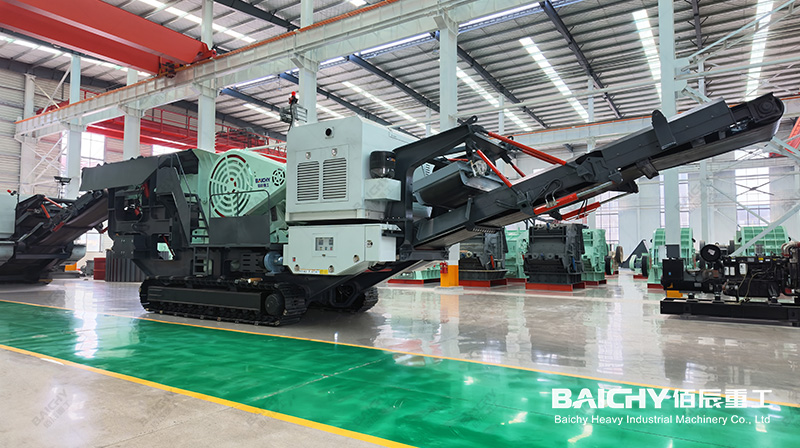
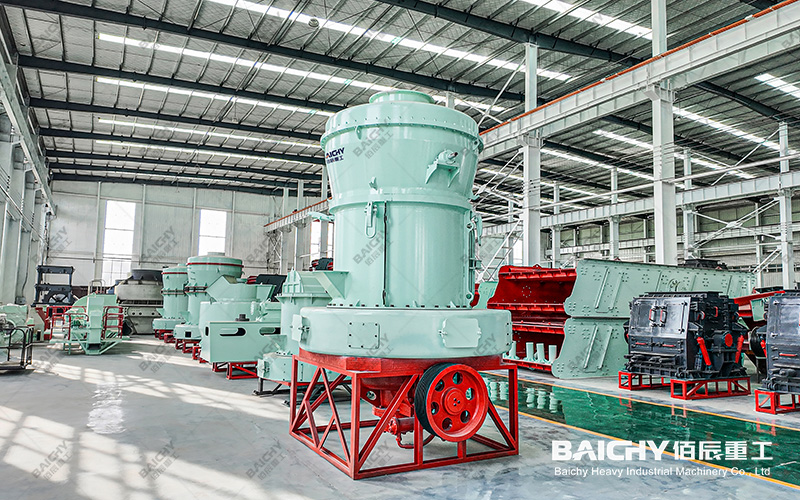
Baichy Heavy Industry is a high-tech mining equipment company integrating R&D, manufacturing, sales, and after-sales service. Focusing on crushing, grinding, and mineral processing equipment, we provide professional solutions to our customers. We are ISO9001:2015 、certified, and our products include mobile crushing palnts, crawler crushing plant, construction waste crushing plants, jaw crushers, sand making machines, cone crushers, fine crushers, grinding mills, ball mills, etc., all with reliable performance to meet diverse project needs.
Baichy Heavy Industry – Your Trusted Partner
To ensure optimal performance of your equipment, Baichy Heavy Industry offers:
- Professional on-site installation guidance
- Comprehensive operator training
- 24/7 technical support & maintenance services
Our complete after-sales service system guarantees long-term, stable operation of your machinery with minimal downtime.
Protect Your Rights – Only Use Official Channels
To avoid scams and ensure authentic support, contact us exclusively through:
• Official Website: www.baichychina.com
• WhatsApp: +8615093222637
• Email: [email protected]
Your satisfaction is our priority – expect prompt, professional service every time.
(Note: Beware of unauthorized third parties claiming to represent Baichy. Always verify through official contacts.)