Project Background
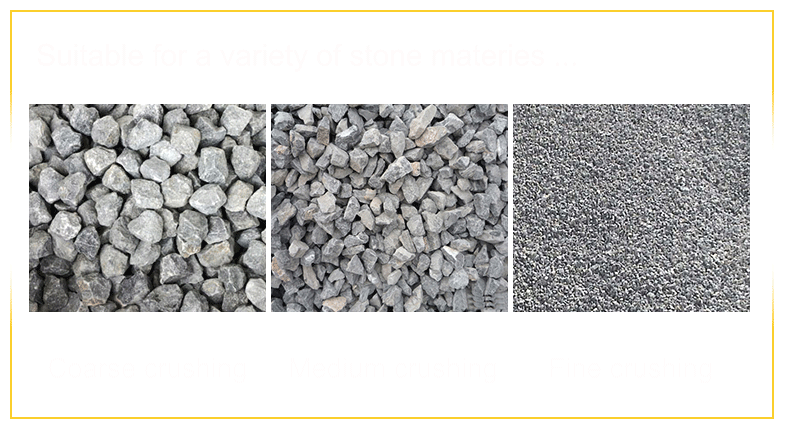
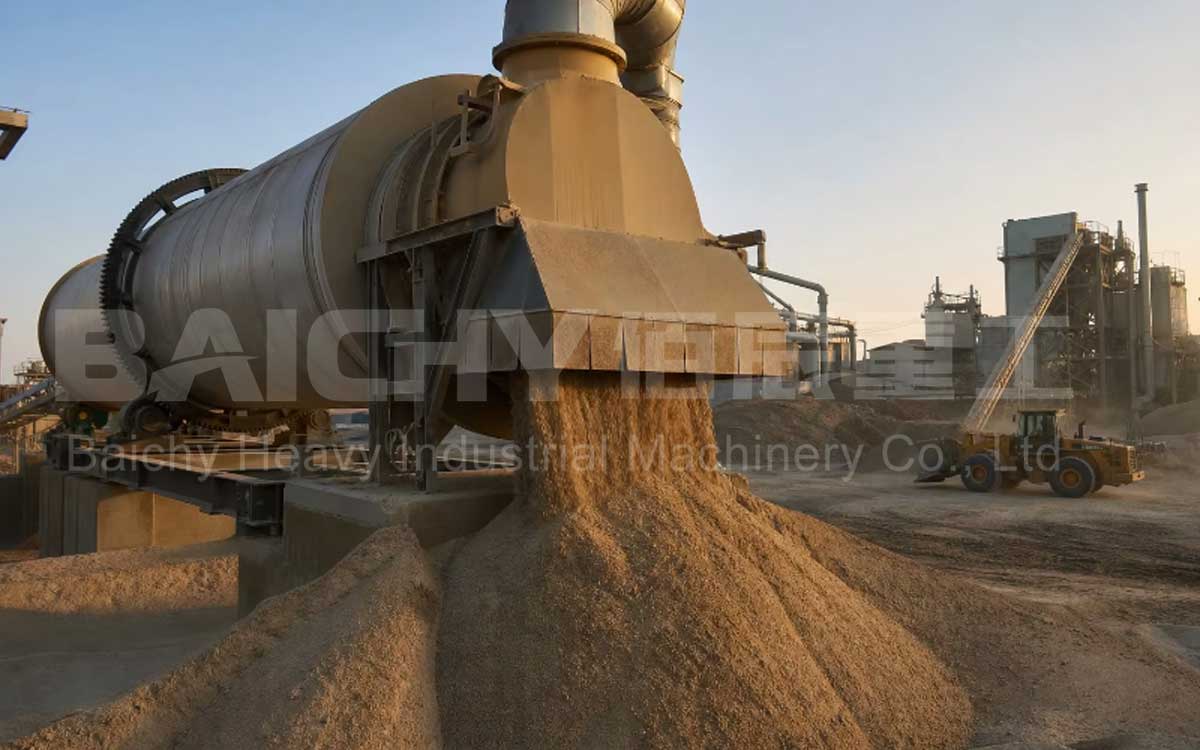
Saudi Arabia's geology is dominated by sedimentary rock, with extremely abundant limestone reserves and low extraction costs. Limestone fines and fine aggregates produced through crushing are widely used in industrial applications such as cement production, asphalt mixtures, roadbed fill, and desulfurization gypsum. For local quarries and construction material contractors in Saudi Arabia, selecting efficient, low-maintenance crushing equipment specifically designed for limestone is a key strategic decision for entering this trillion-riyal market.
Why the 2PC1000X1200 Two-Stage Hammer Crusher?
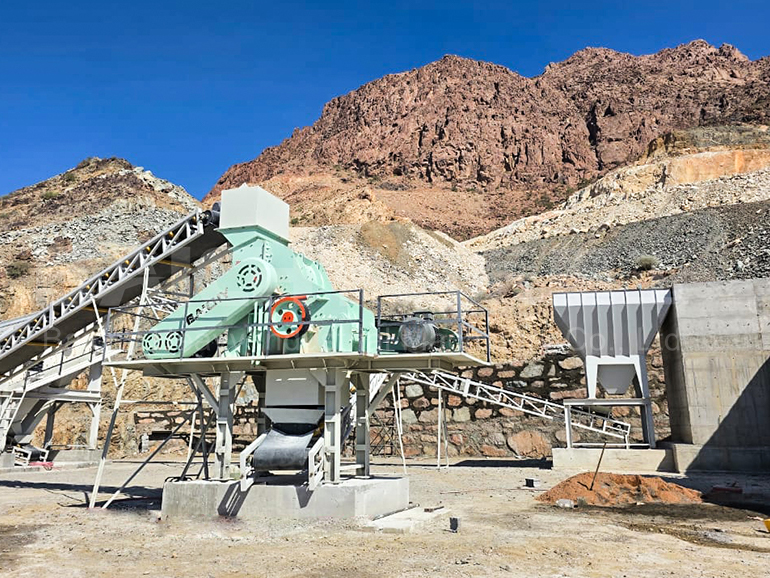
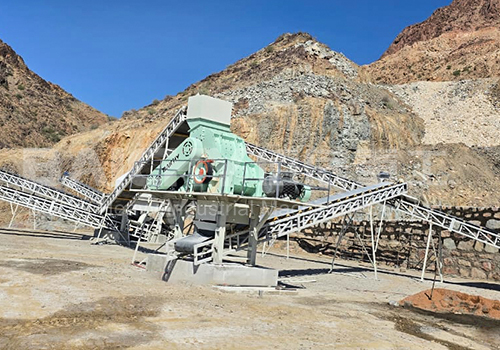
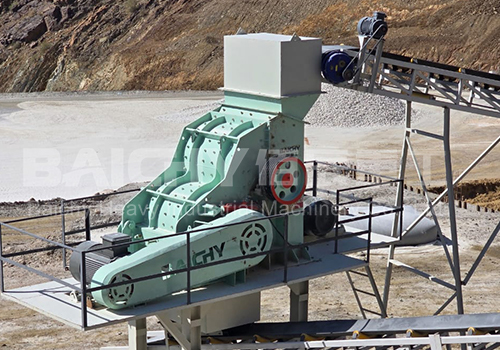
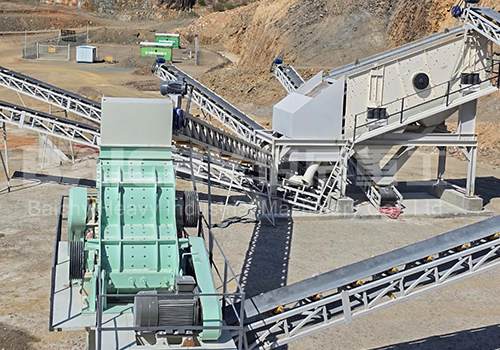
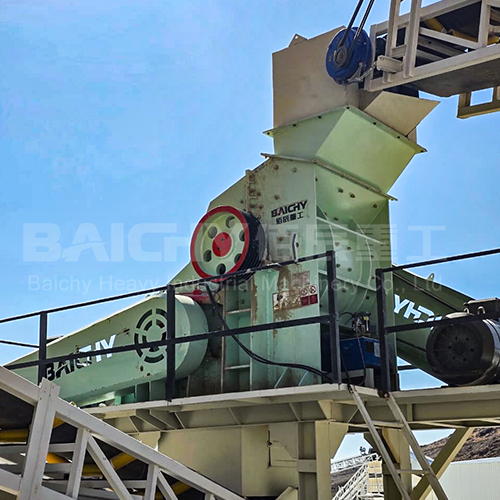
Unlike traditional two-stage setups—which typically combine a jaw crusher for primary crushingwith an impact or cone crusher for secondary/fine crushing—this project utilizes a single 2PC1000X1200 two-stage hammer crusherto complete the entire crushing process, transforming raw stone directly into the finished product. Selection specifications are as follows:
| Parameter |
Value |
| Model |
2PC1000×1200 |
| Max. Feed Size |
≤ 130 mm |
| Output Size |
≤ 3 mm (adjustable; approx. 50% is fines/powder grade) |
| Processing Capacity |
80–100 t/h |
| Permissible Moisture Content |
< 20% |
| Motor Power |
2 × 110 kW (dual-motor drive) |
| Rotor Structure |
Dual rotors (upper and lower) + dual crushing chambers |
| Suitable Materials |
Limestone, coal gangue, slag, construction waste, gypsum, and other medium-to-low hardness materials |
Selection Rationale
1. Single-unit replacement for two-stage crushing; investment cost halved
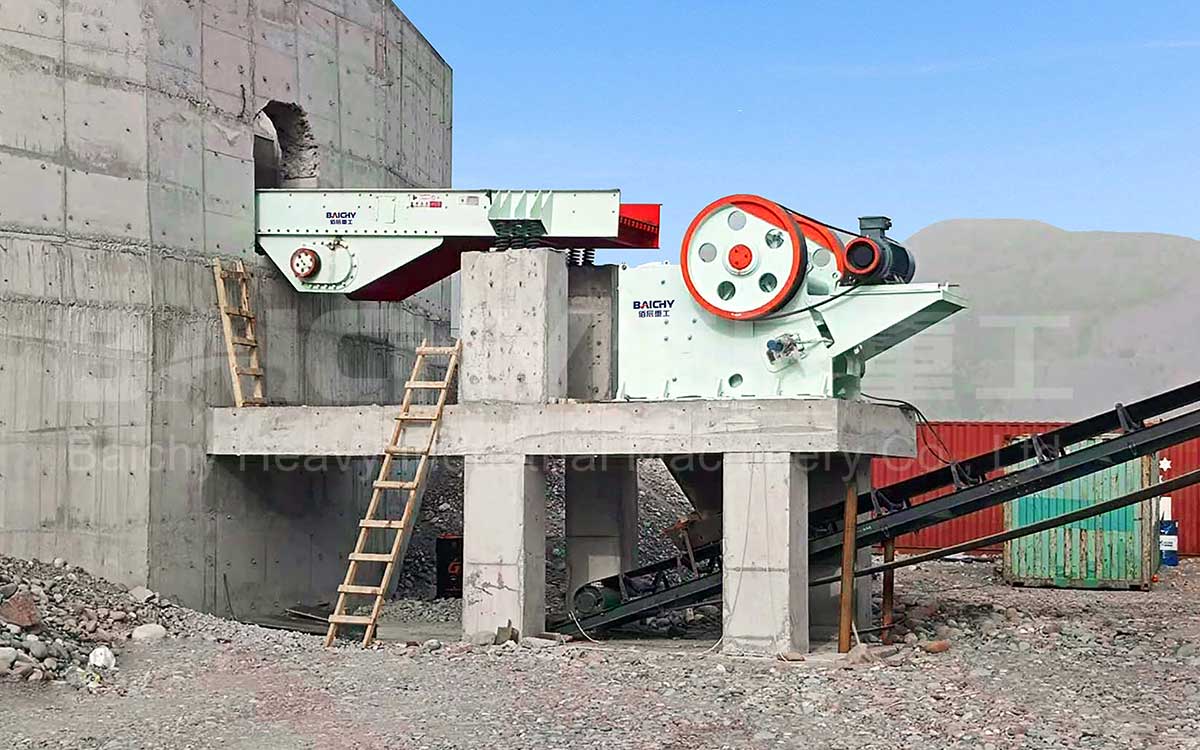
Traditional limestone crushing lines require a two-stage configuration—typically a jaw crusher followed by an impact crusher or hammer crusher—involving two primary machines, two screening stages, and multiple conveying sections. The 2PC1000×1200 utilizes a tandem design with upper and lower rotors: material enters the upper crushing chamber, undergoes primary crushing by the upper rotor, and immediately drops into the lower chamber for secondary fine crushing, thereby completing two stages of crushing within a single machine.
2. A "natural match" for limestone
Limestone has a Protodyakonov hardness (f) of 4–8, classifying it as a brittle material of medium-to-low hardness—the ideal operating condition for hammer crushers. The 2PC1000×1200 employs high-chromium alloy hammerheads (Cr26 grade), offering extremely high impact-crushing efficiency for limestone, while the wear rate of the hammers is far lower than in hard-rock processing applications. The dual-rotor staged crushing design ensures uniform output size and a low over-crushing rate, making it particularly suitable for the specific requirement of Saudi cement plants for limestone fines (≤ 3 mm).
3. High tolerance for moisture content; suitable for Middle East open-pit mining
Limestone in Saudi open-pit quarries is often associated with surface aquifers or seasonal fluctuations in humidity. The 2PC1000X1200 accommodates a material moisture content of <20%, far exceeding the 8%–10% limit of traditional hammer crushers. Its dual-rotor structure, combined with specially designed crushing chamber grate bars, effectively prevents clogging caused by wet material—a feature ideally suited for the high-humidity limestone quarries found in certain coastal and oasis regions of Saudi Arabia.
Frequently Asked Questions About the 2PC1000x1200 Crusher
Q1: Can the 2PC1000x1200 replace a jaw crusher + impact crusher combination?
Yes. The 2PC1000x1200 utilizes a dual-rotor tandem design with upper and lower crushing chambers. Raw material undergoes primary crushing by the upper rotor and immediately drops into the lower chamber for secondary fine crushing — completing two-stage crushing within a single machine. This eliminates the need for a separate secondary crusher, screening deck, and intermediate conveyors.
Q2: What is the payback period for this crusher?
Based on the Saudi Arabia case study, the single-machine solution reduces upfront equipment investment by approximately 40-50% compared to a traditional jaw+impact two-stage setup. With 80-100 tph production capacity and low maintenance requirements (Cr26-grade hammers rated for 600-800 hours of service), typical payback is achieved within 6-10 months of continuous operation.
Q3: What is the maximum feed size and moisture tolerance?
The 2PC1000x1200 accepts feed material up to 130 mm and tolerates moisture content up to 20% — significantly higher than traditional hammer crushers limited to 8-10%. The specially designed grate bar and dual-rotor structure prevent clogging, making it suitable for high-humidity limestone quarries common in Middle Eastern coastal and oasis regions.