
In mines, quarries, and large construction sites, crushers are undoubtedly the "main force." They are responsible for crushing huge rocks and materials into aggregates of various sizes suitable for construction, road building, and production. But have you ever wondered how these "steel behemoths" work? What different types are available to meet various crushing needs?
Today, we'll delve into the world of crushers, analyzing several major types and their core working principles.
I. The King of Coarse Crushing: Jaw Crusher
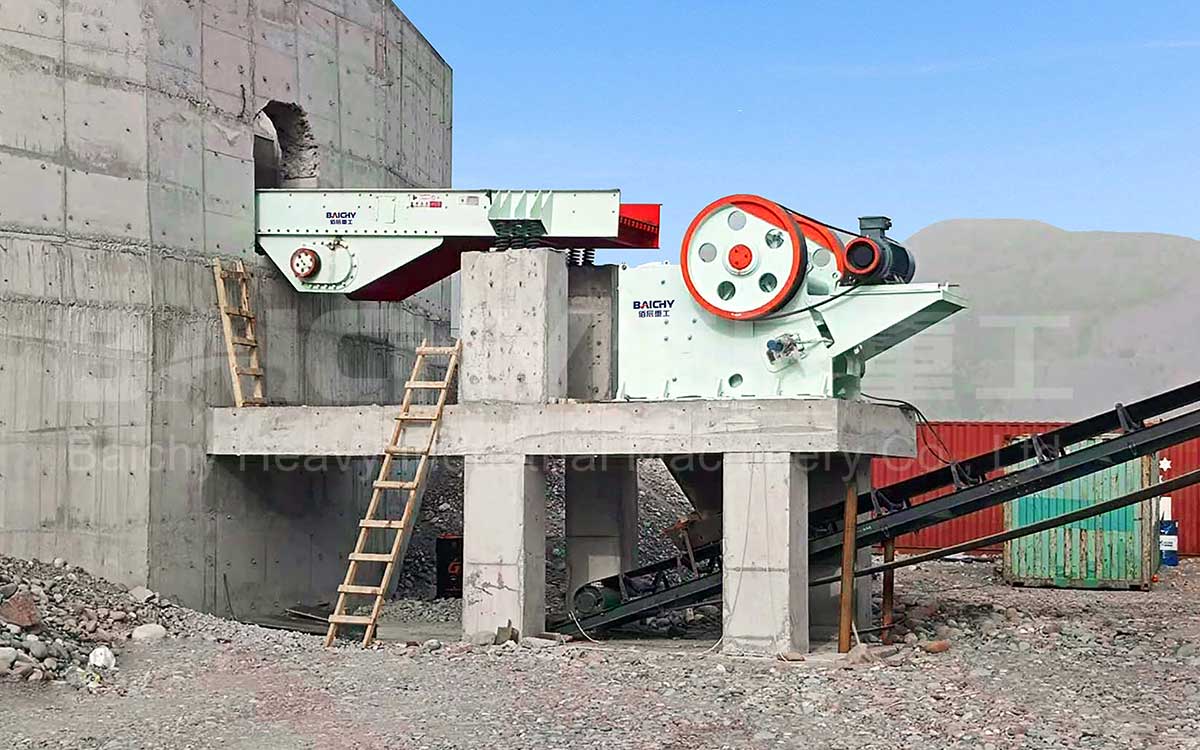
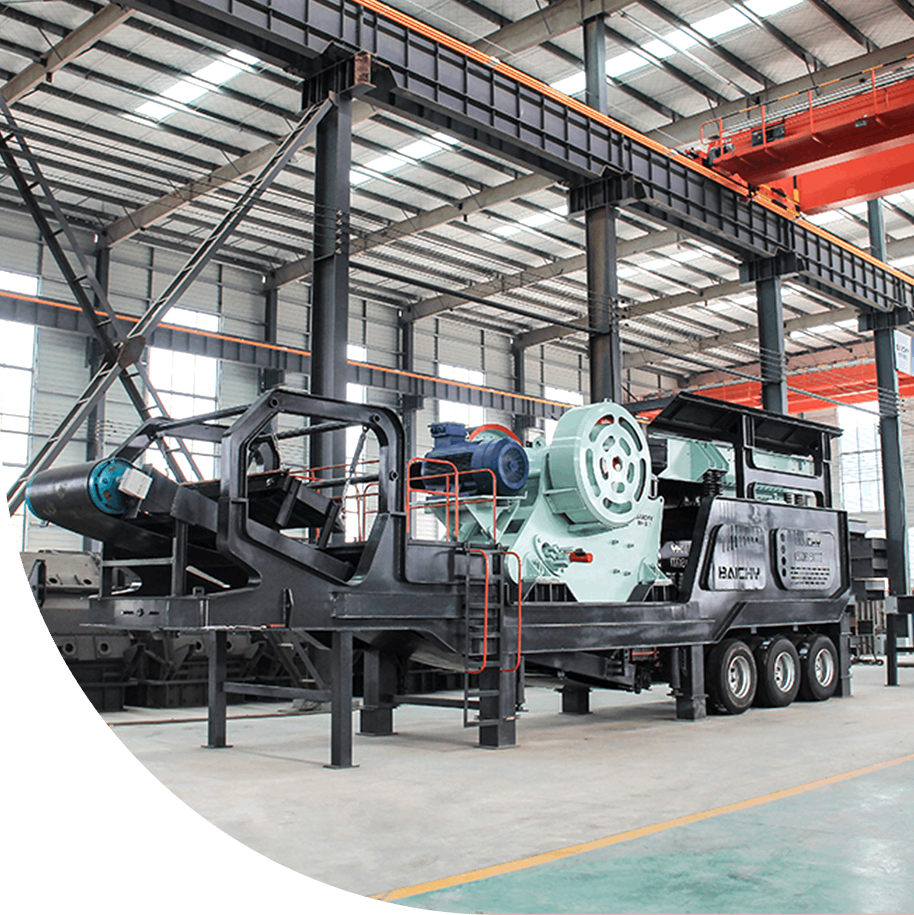
The jaw crusher is the first stage in a crushing production line, responsible for processing the huge boulders transported from the quarry.
• Working Principle: Its structure resembles an animal's jaw. The moving jaw reciprocates periodically relative to the fixed jaw, squeezing and grinding the material entering between the two jaw plates.
• Process Simulation: Imagine repeatedly clamping a rock between two hard wooden planks until it breaks. The jaw crusher mechanizes and scales up this process.
• Features: Simple structure, robust and durable, large processing capacity, suitable for handling materials of various hardnesses. It is standard equipment in mines and quarries.
II. Medium and Fine Crushing Expert: Cone Crusher
After coarse crushing by a jaw crusher, materials typically need to enter a cone crusher for medium and fine crushing to obtain more uniform particle sizes.
• Working Principle: The working components of a cone crusher are a moving cone and a fixed cone. The moving cone rotates eccentrically within the fixed cone. When the moving cone approaches the fixed cone, the material is compressed and crushed; when it moves away, the crushed material is discharged from the bottom by gravity.
• Process Simulation: Similar to continuously crushing material in a fixed hopper with a rotating grinding hammer.
• Features: High crushing efficiency, large output, and uniform product particle size. Particularly suitable for crushing materials of medium to high hardness, but the structure is relatively complex and the purchase cost is high.
III. Sand Making Expert: Impact Crusher
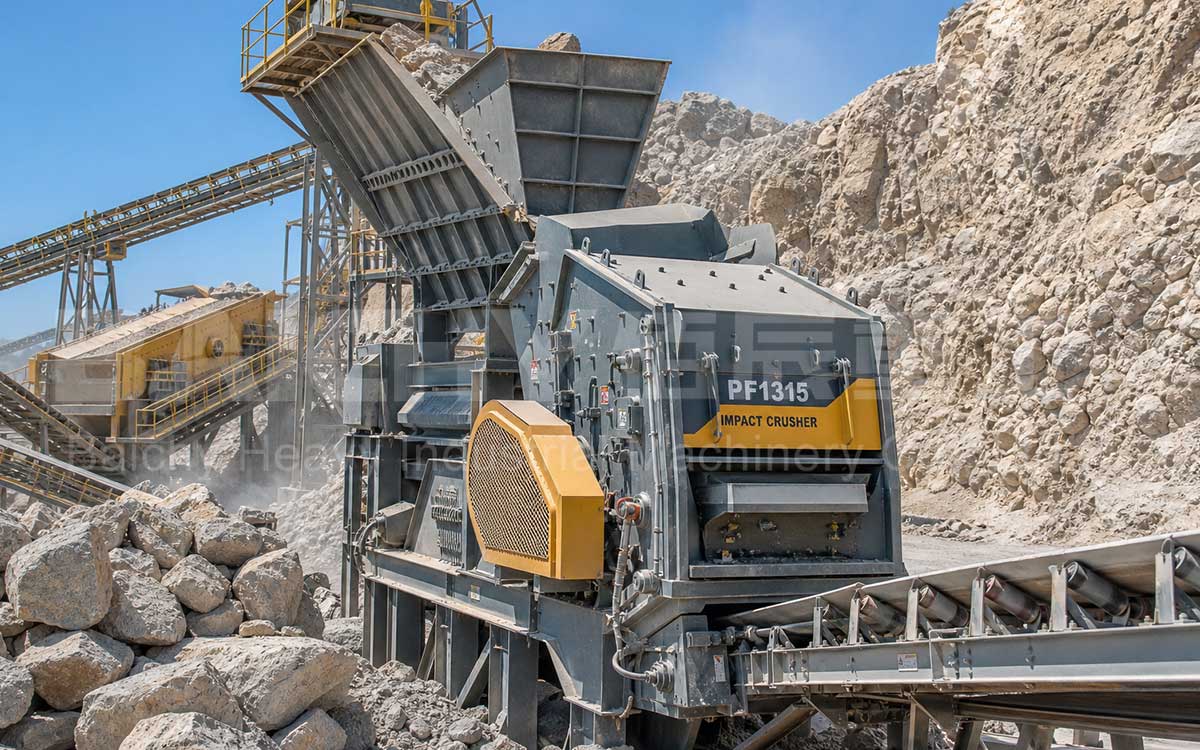
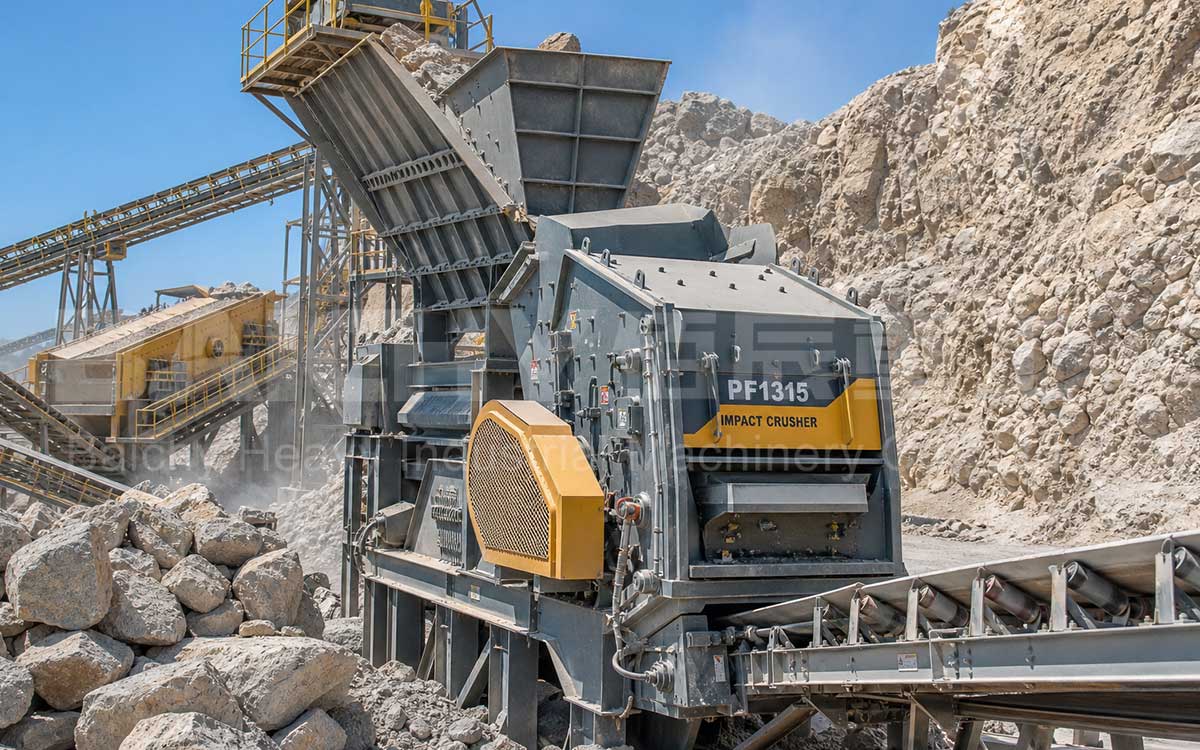
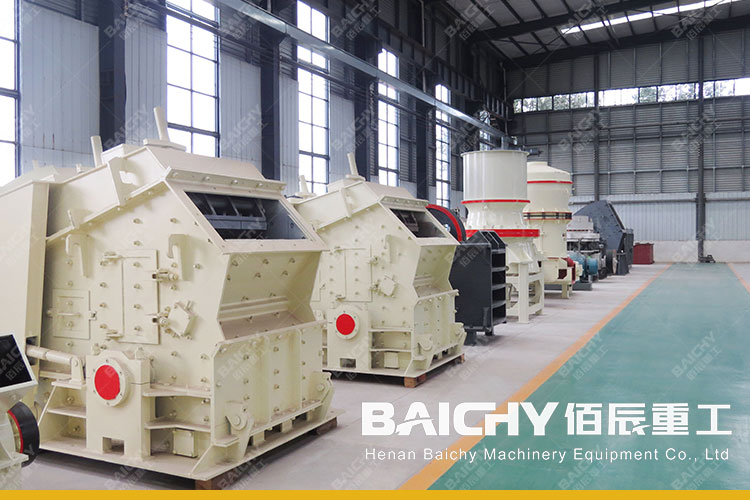
The impact crusher is a typical example of a material crusher that utilizes "impact energy" to break materials, and it excels at producing high-quality cubic-shaped manufactured sand.
• Working Principle: The core component is a high-speed rotating impeller. After entering the impeller, the material is accelerated to a very high speed and thrown out, where it violently impacts and collides with the surrounding impact plates or other materials, thus being crushed.
• Process Simulation: Similar to a catapult throwing stones at high speed, it uses enormous impact force to crush the target. Its "stone-on-stone" technology also reduces wear on wear-resistant parts.
• Features: Produces good particle shape and reasonable gradation, making it very suitable for artificial sand making and stone shaping. However, it is less suitable for crushing highly abrasive materials.
IV. Versatile and Versatile: Impact Crusher
The impact crusher also utilizes the impact principle, but its structure is slightly different. It performs excellently when crushing medium-hard materials (such as limestone).
• Working Principle: The rotor drives the hammer plates to rotate at high speed, impacting the material entering the machine. This gives the material kinetic energy, propelling it towards the impact plate for further crushing. This process is repeated multiple times within the crushing chamber.
• Features: High crushing ratio, achieving "more crushing, less grinding," resulting in good energy efficiency. Adjusting the gap between the rotor and the impact plate allows for easy control of the output particle size. However, the hammer plates and impact plate wear relatively quickly.
How to Choose the Right Crusher?
Choosing a crusher is not arbitrary but requires a comprehensive "formula":
1. Material Hardness and Abrasiveness: Is it granite or limestone? The material's characteristics are the primary consideration.
2. Feed and Output Particle Size: What size stone do you intend to crush to what size?
3. Production Capacity Requirements: How many tons of material need to be processed per hour?
4. Investment and Operating Costs: Including equipment purchase costs, energy consumption, and replacement costs for wearing parts.
Typically, a complete sand and gravel aggregate production line consists of a jaw crusher (coarse crushing), a cone/impact crusher (medium and fine crushing), and a shock crusher (sand making and shaping), forming a highly efficient "crushing team."
From the powerful compression of the jaw crusher to the continuous crushing of the cone crusher, and then to the high-speed impact of the shock crusher, each crusher, in its unique way, transforms natural boulders into the cornerstones of modern civilization. Understanding their working principles is a crucial step in optimizing production and creating value.