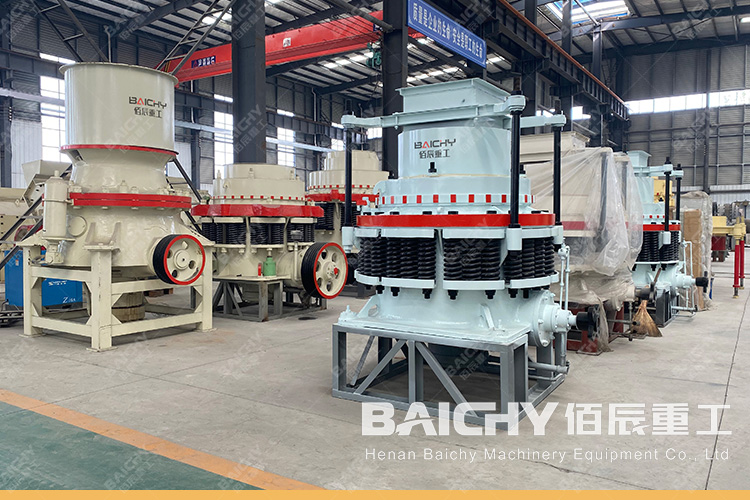
In the field of mining crushing, the PYB900 spring cone crusher is renowned for its reliable structure, high crushing force, and strong processing capacity, making it a star model for medium and fine crushing operations. However, many users often only focus on its output and yield, neglecting a crucial prerequisite—correct feeding. Just as people need to eat one bite at a time, machines also have their own "recipe" standards. Incorrect feeding not only significantly reduces production efficiency but also seriously damages the equipment.
Today, we will delve into one of the core parameters of the PYB900 spring cone crusher: the feed size, and understand how to maximize the equipment's efficiency through scientific feeding.
I. Core Parameter: What is the Feed Size of the PYB900?
According to national standards and equipment design specifications, the maximum allowable feed size for the PYB900 spring cone crusher is 115 mm.
This means that the longest side of the material entering the crushing chamber cannot exceed 115 mm. This is a strict requirement and a lifeline for ensuring the safe, stable, and efficient operation of the equipment.
• Model Explanation: The "900" in PYB900 indicates that the bottom diameter of the crushing cone is approximately 900 mm, which directly determines the size of the crushing chamber and the upper limit of the material size it can handle.
• Relevant Parameters: Another key parameter closely related to the feed size is the feed inlet width. The feed inlet width of the PYB900 ranges from 135 mm. This range is designed to accommodate the oscillation of the moving cone, ensuring effective gripping and crushing of materials.
II. Why is strictly adhering to the feed size so important?
Forcing large stones exceeding 115 mm into the PYB900 will trigger a series of chain reactions:
1. Reduced Capacity and Blockage: "Haste Makes Waste"
◦ Oversized stones cannot be effectively "gripped" by the crushing cone, causing them to slip and become unstable within the crushing chamber, leading to a sharp decrease in processing capacity and even blockage. Once blockage occurs, the machine needs to be stopped for cleaning, severely impacting production continuity.
2. Increased Equipment Wear: The Cost of Overloading
◦ Oversized materials place abnormally large loads and impacts on core components such as the spindle, liners, and springs. Over time, this leads to uneven wear of the liners, premature spindle fatigue, significantly shortening equipment lifespan and increasing maintenance costs and downtime.
3. Unstable Finished Product Quality: "Extensive Feeding Leads to Incomplete Crushing"
◦ Uneven or excessively large feed sizes result in incomplete crushing, increased needle-like and flaky particle content, and uneven particle size distribution, making it difficult to meet the requirements for high-quality aggregates.
4. Safety Hazards: "Risks Exceeding Limits"
◦ Severe overloading is a major cause of equipment failure, potentially leading to serious accidents such as shaft breakage, threatening personnel and equipment safety.
III. Scientific Feeding Scheme: How to Configure a "Golden Recipe" for the PYB900?
To fully utilize the performance of the PYB900, a scientific feeding system must be established.
1. Matching the Pre-crushing Equipment (Crucial)
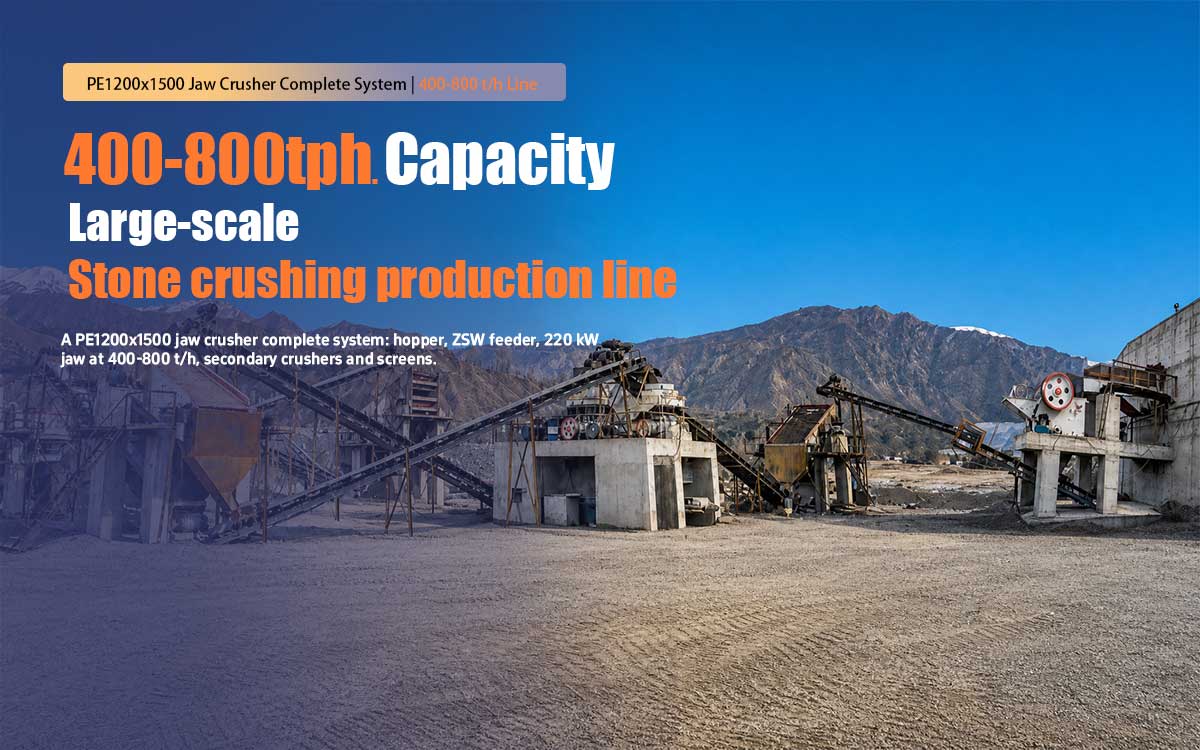
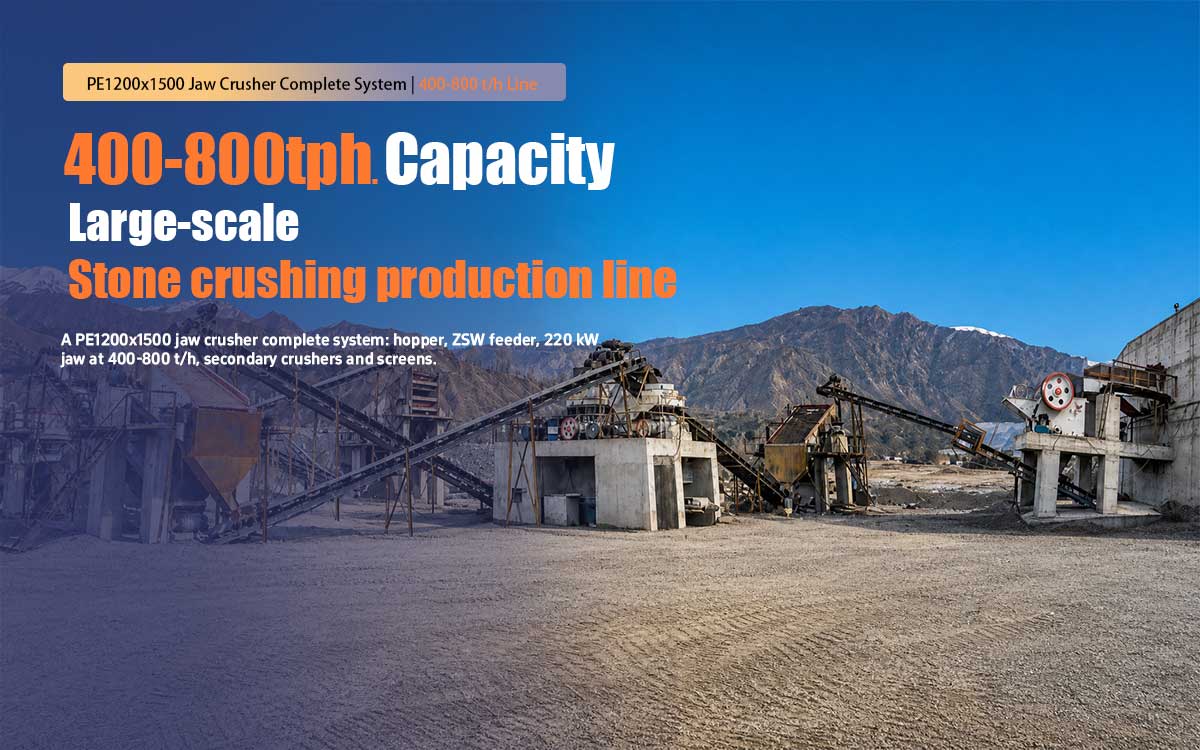
◦ The PYB900 is typically used as a secondary (medium) crusher. The discharge port of the primary crusher (such as a jaw crusher) must be properly adjusted to ensure that over 95% of the discharged material meets the ≤115mm requirement. For example, a PE600×900 jaw crusher can be configured as the primary crusher to form a high-performance production line.
2. Using a Vibrating Feeder
◦ Avoid directly using tools such as loaders to dump material. A vibrating feeder should be used. It can uniformly, continuously, and controllably feed material into the crusher, effectively preventing blockages and overload. It is the ideal choice for achieving "full-cavity feeding" (i.e., the crushing chamber is always full of material), significantly improving crushing efficiency and product particle shape.
3. Setting up a Pre-screening Stage
◦ Before the material enters the PYB900, add a screening device (such as a vibrating screen) to separate qualified fine materials from oversized materials. Fine, qualified material proceeds directly to the next stage, while oversized material is returned to the coarse crusher or processed separately. This significantly reduces the workload on the PYB900, allowing it to focus on crushing "qualified" material, thereby maximizing capacity and particle size.
115 mm is not just a cold, hard number in the PYB900 spring cone crusher's manual; it's the golden rule for ensuring the efficient, stable, and economical operation of the entire production line. Correctly understanding and strictly adhering to the feed size requirements, coupled with a scientific feeding scheme, will ensure your PYB900 "feeds well and performs exceptionally well," creating continuous and stable value for you.
I hope this content meets your requirements! If you need adjustments for specific industries (such as basalt crushing or pebble sand making), I can further optimize it.