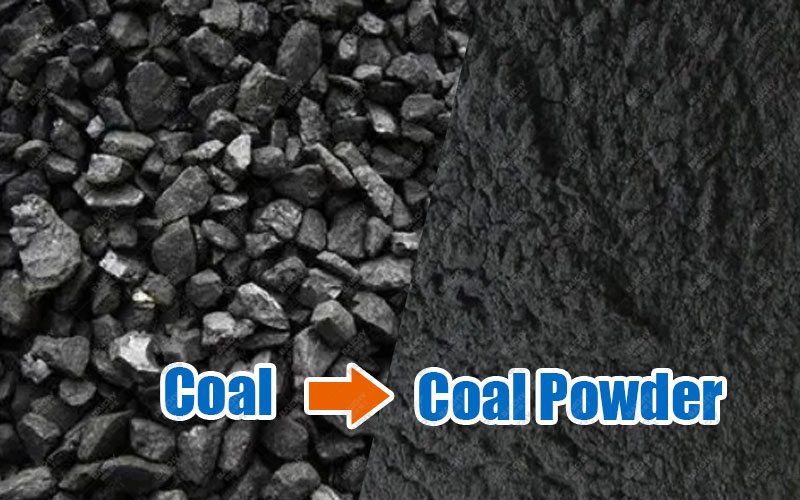
When selecting or upgrading coal grinding equipment for your power plant, cement plant, or steel plant, the most common core question is: Which technology is best suited to my needs? Ball mills and vertical roller mills (VRMs) are the mainstream technologies in the market today. Each has its advantages and disadvantages; there is no absolute best, only the optimal for specific operating conditions. This guide will delve into the core differences between these three technologies to help you make the most informed decision.
I. Decision Foundation: Four Key Selection Factors
Before making a selection, it is essential to clarify the four core dimensions that influence the decision:
1. Raw Material Characteristics: The hardness, grinding index (HGI), moisture content, and volatile matter content of the coal are primary considerations. For example, high-moisture lignite requires extremely strong drying capabilities.
2. Target Fineness and Capacity: The required fineness of the coal powder (e.g., the percentage passing through a 200-mesh sieve) and the system's hourly output directly determine the specifications and model of the equipment.
3. Energy Efficiency and Operating Costs: Electricity consumption is the most significant operating cost of a grinding mill, and different technologies have significantly different energy consumption levels. 4. Maintenance Costs and Availability: The lifespan of wear parts, the frequency of downtime for maintenance, and the ease of spare parts replacement directly impact the plant's continuous operating rate and long-term total cost of ownership.
II. Technical Showdown: In-depth Comparison of Three Mainstream Coal-Water Slurry Equipment
To provide a more intuitive comparison, we have compiled the following core characteristic comparison table:
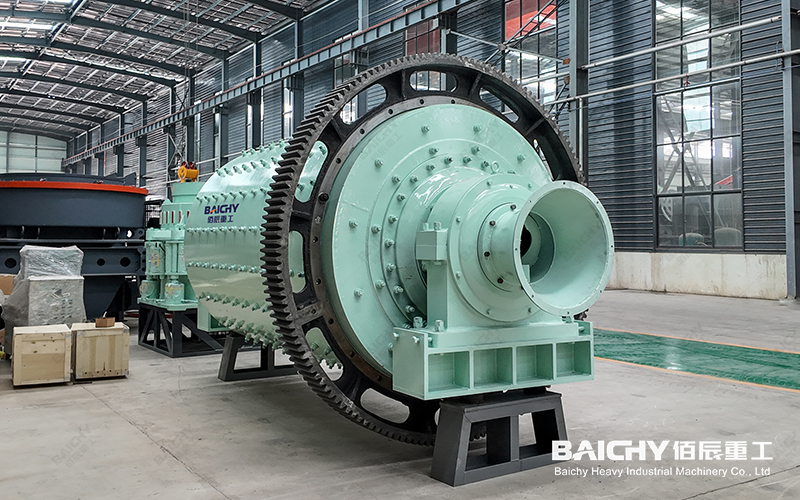
| Characteristics | Ball Mill | Vertical Roller Mill |
| Working Principle | Steel ball impact and grinding | Grinding rollers rolling on the grinding disc |
| Optimal Applicable Coal Types | Wide range, especially | suitable for hard bituminous coal |
| Energy Efficiency | Lower (high energy consumption, high noise) | High (15%-30% higher energy efficiency than ball mills) |
| Drying Capacity | Medium | Extremely High |
| Maintenance Complexity | Lower, but frequent maintenance | High requirements, but long cycles |
| Capital Investment | Lower | Higher |
| Product Fineness Adjustment | Relatively difficult | Extremely flexible (precise control via separator speed) |
| Noise Level | High | Low |
III. Scenario-Based Selection: Which Should Your Plant Choose?
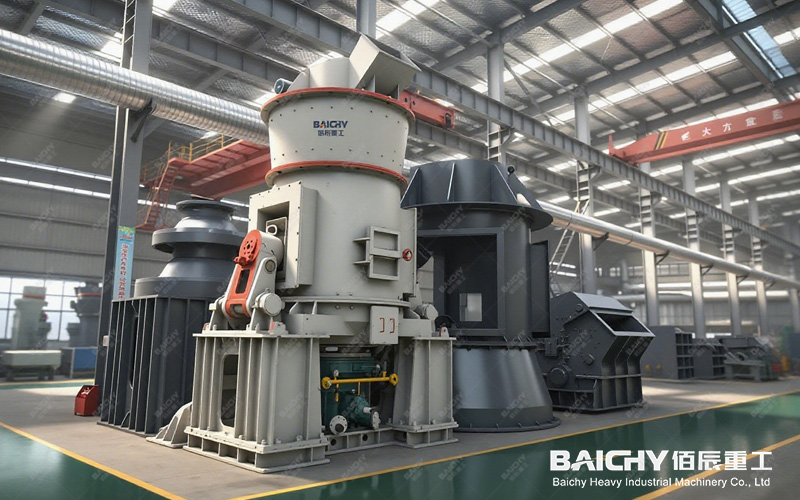
1. Choose a vertical roller mill if:
• You are seeking the lowest power consumption per ton of powder and the highest overall energy efficiency.
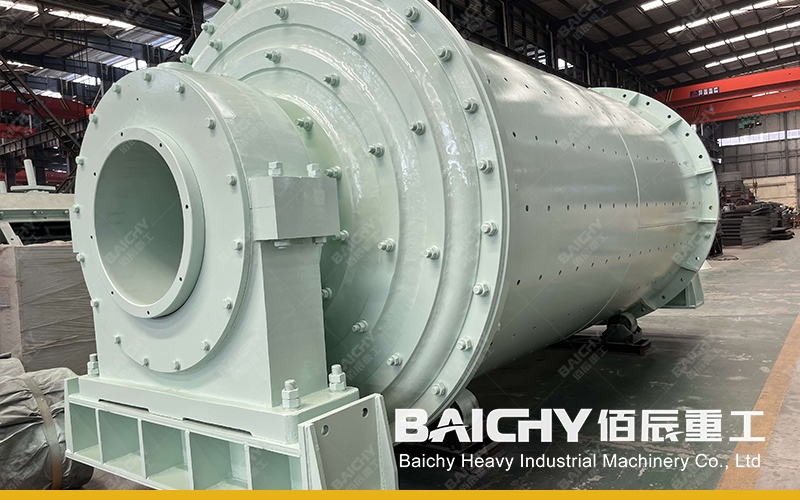
2. Select a ball mill if:
Your coal type is common bituminous or sub-bituminous, and you require high production capacity.
You highly value production stability and precise control over pulverized coal fineness.
You are willing to accept a higher initial investment in exchange for lower long-term operating costs.
Suitable scenarios: Large-scale new coal-fired power plants, cement plant pulverized coal preparation, and projects requiring high-efficiency energy-saving retrofits.
IV. Beyond the Equipment Itself: The Added Value of Modern Coal Pulverization
Today's equipment selection is no longer just about choosing a crushing tool, but about choosing an intelligent solution.
• Predictive Maintenance: By installing sensors in key components such as grinding rollers and bearings, vibration and temperature are monitored in real time to predict wear, transforming passive maintenance into proactive planning and maximizing equipment availability.
• Co-grinding with Biomass: To address carbon reduction pressures, modern VRMs and modified ball mills can safely and efficiently process blended fuels of coal and biomass (such as wood pellets), providing your plant with future flexibility.
There is no one-size-fits-all solution, only a customized approach.
Choosing the right coal mill is a strategic decision that impacts production efficiency, energy costs, and maintenance budgets for years to come. Ball mills are robust, vertical roller mills are efficient, and impact mills are specialized for lignite—each has its own strengths.
Please contact our technical engineers based on your specific coal sample analysis data, production capacity requirements, and long-term operational goals. We will provide you with a tailored techno-economic comparative analysis, using data and case studies to help you make the most confident investment choice.