Comprehensive Analysis of Investment Costs for a 200 t/h Basalt Crushing Plant in Mexico
As a mining equipment manufacturer and marketing expert, I understand the core concern of clients investing in a medium-sized crushing plant: what is the total cost? Taking a typical 200-ton/hour basalt crushing production line in Mexico as an example, the investment is not just the price of a single piece of equipment, but a systematic project encompassing upfront procurement, mid-term installation, and post-investment operation. Basalt, as a high-hardness and highly abrasive ore, places higher demands on the wear resistance of equipment and process design, directly impacting the cost structure and return on investment cycle.
The cost structure of an efficient and reliable crushing plant is complex, but can be systematically planned. The core objective is to control total investment and reduce long-term operational losses through optimized configuration while ensuring capacity and finished product quality. Below, we will conduct an in-depth analysis from key cost dimensions.
Core Equipment Investment Analysis: The "Heart" and "Skeleton" of the Crushing Line
Equipment cost is the largest component of the initial investment.
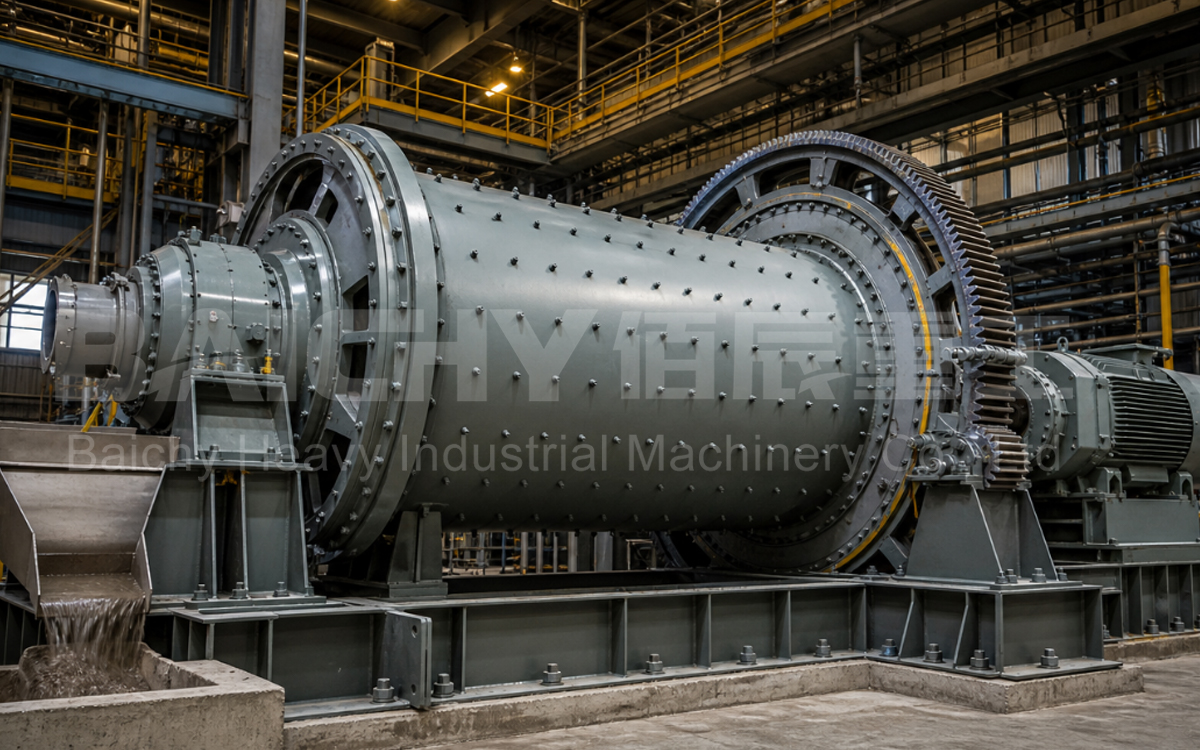
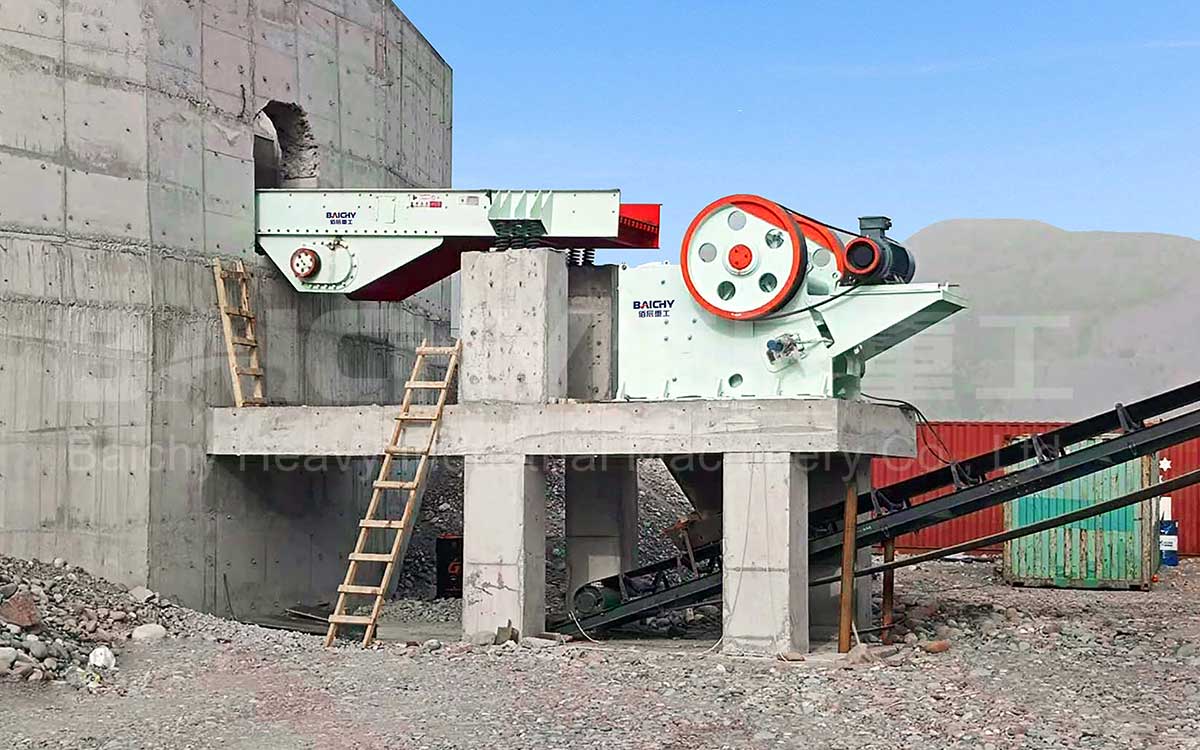
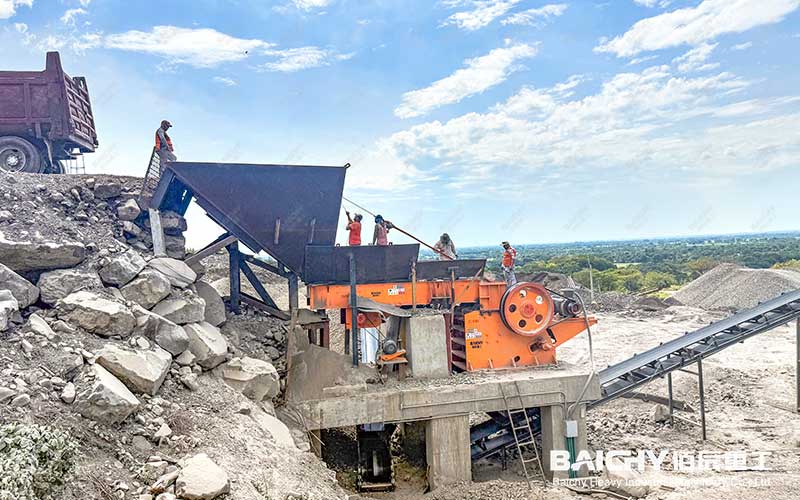
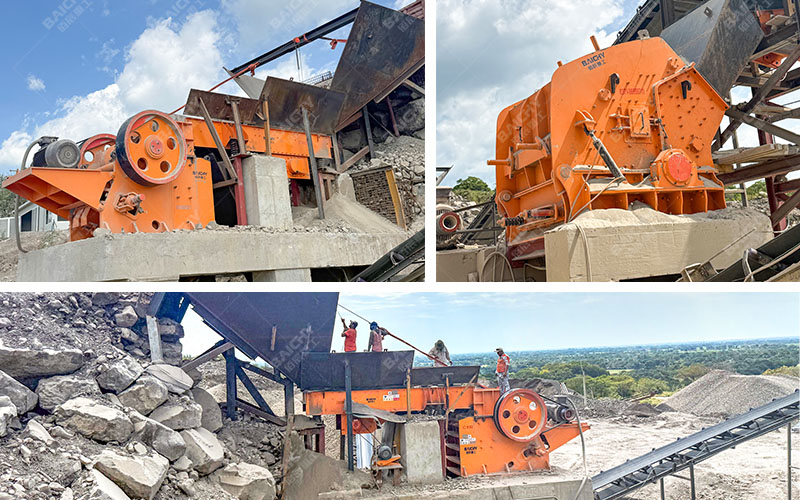
For 200-ton/hour basalt crushing, a typical two- or three-stage crushing process (such as a jaw crusher + cone crusher + sand making machine) is a common choice. Equipment specifications, brand, and wear-resistant parts materials are the main points of price differentiation. • Primary Crushing Stage: Large jaw crushers are typically used, with prices varying depending on the model and whether it's an imported or domestic brand. Special attention should be paid to the material of the moving and fixed jaw plates (e.g., ultra-high manganese steel), as this directly impacts subsequent replacement costs.
Comprehensive Analysis of Investment Costs for a 200 t/h Basalt Crushing Plant in Mexico
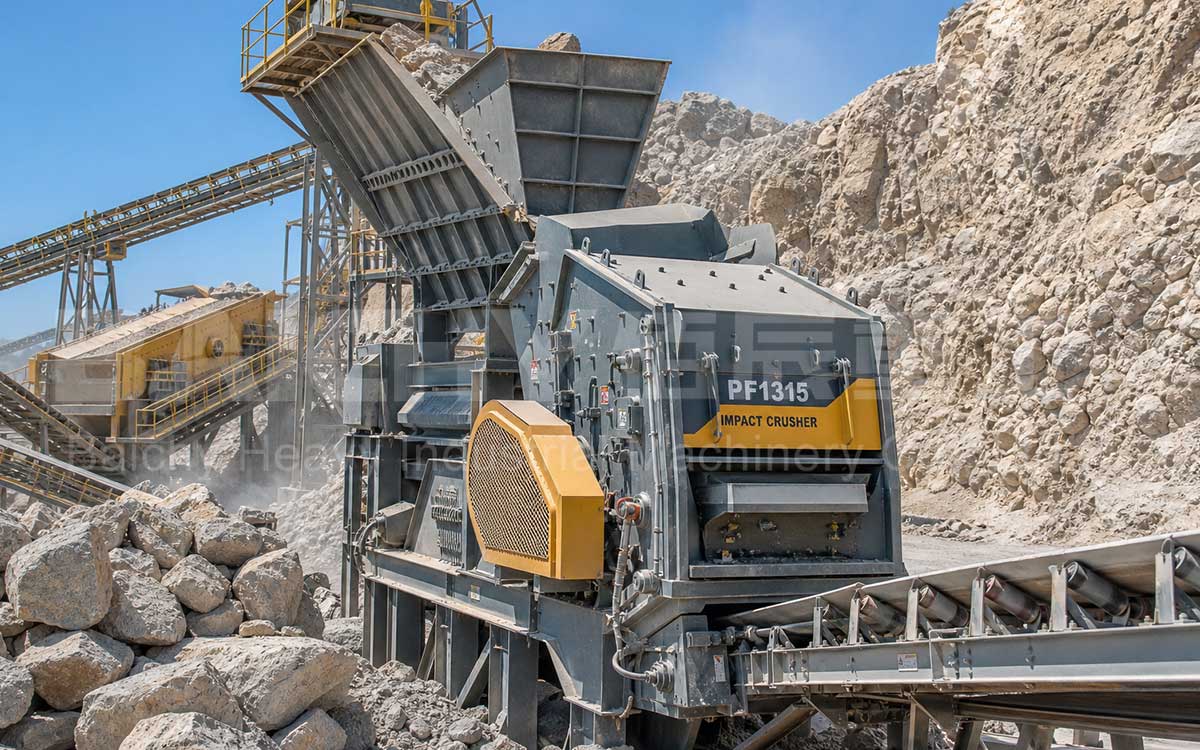
• Secondary and Fine Crushing Stage: Multi-cylinder hydraulic cone crushers are ideal for processing basalt. While their wear parts are more expensive than jaw crushers, they produce better particle shape and higher efficiency. A balance must be struck between equipment price and long-term benefits.
• Auxiliary Equipment: Vibrating feeders, vibrating screens, belt conveyors (length and drop determine cost), electrical control systems, dust collection devices, etc., accounting for approximately 25%-35% of the total equipment investment.
Below is a general example of an initial investment cost estimate (for reference only; actual prices will vary depending on actual configuration and exchange rate fluctuations):
| Cost Categories | Main Components | Estimated Percentage/Scope | Remarks |
| Core Equipment Procurement | Jaw Crusher, Cone Crusher, Sand Making Machine, Vibrating Screen, etc. | 40%-50% of total investment. Brand, model, and material are key factors in price; | It is recommended to choose equipment with superior wear-resistant design to reduce long-term operating costs. |
| Auxiliary and Conveying Equipment | Feeders, Belt Conveyors (multiple), Electrical Control System, Dust Removal System | 15%-20% of total investment. Site topography determines the length and power of belt conveyors, affecting costs. |
Environmental requirements mandate the installation of dust removal devices. |
| Civil Engineering and Installation | Equipment Foundation, Steel Structure, Plant, Electrical Engineering, Installation and Commissioning | 20%-25% of total investment. Depends on site conditions and local labor costs. | Professional installation and commissioning ensure smooth production line operation. |
| Other Initial Costs | Equipment transportation, customs clearance, personnel training, initial spare parts inventory | 5%-10% of total investment. Cross-border logistics costs require clear budgeting. |
Sufficient spare parts inventory can reduce downtime. |
Beyond the Purchase Price: Hidden Costs and Operating Inputs Not to Be Ignored
Initial investment is only the first step. Wise investors focus more on total lifecycle costs.
1. Wear Parts Consumption Costs: The replacement frequency and unit price of wear-resistant parts for basalt crushing (jaw plates, jaw walls, crushing walls, impact blocks, screens, etc.) are the core of long-term operating costs. Choosing equipment made of high-quality alloy materials may have a slightly higher purchase price, but it can significantly extend the replacement cycle, making it more economical in the long run.
2. Energy Consumption Costs: The total power of the production line is fixed, but the energy efficiency ratio of different equipment varies. High-efficiency energy-saving motors and optimized process layout can reduce power consumption per ton.
3. Maintenance and Labor Costs: The reliability of equipment directly affects the frequency of maintenance and downtime losses. Highly automated production lines can reduce labor requirements.
4. Environmental and Compliance Costs: Mexico has regulations regarding dust and noise pollution. Investments in dust removal, sound insulation, and wastewater treatment facilities are essential to avoid future fines.
Investment Recommendations from a Marketing Perspective: How to Maximize Value
As an equipment supplier, we provide our customers with more than just machines; we offer solutions and long-term value.
• Precise Process Design: Providing free ore testing and process design in the early stages of a project ensures optimal equipment selection and processes, preventing over-engineering or capacity bottlenecks from the outset. This is crucial for controlling ineffective costs.
• Cost-Effectiveness Combination Strategy: A combination of "high-end core equipment (e.g., cone crusher) and cost-effective auxiliary equipment" can be adopted to control the overall budget while ensuring core crushing efficiency and durability.
• Service and Spare Parts Network: Establishing spare parts warehouses and service teams in Mexico or the surrounding region significantly reduces customers' downtime costs. This "service value" should be highlighted in marketing.
• Financial Cooperation Solutions: Partnering with financial institutions to provide customers with flexible installment payment and financial leasing options alleviates the burden of upfront payments.
In summary, while equipment procurement costs are important when investing in a 200-ton/hour basalt crushing plant in Mexico, a comprehensive solution that considers process adaptability, equipment durability, operational economics, and localized services is the core factor determining the return on investment. As an experienced equipment supplier, our role is to help clients calculate this "total cost" and gain a competitive edge in the fierce market by achieving higher production efficiency and lower costs per ton.