In mining, infrastructure construction, and other fields, hard rocks (such as granite, basalt, and quartzite) are common hard nuts to crack. They have high compressive strength and strong wear resistance, placing extremely demanding requirements on crushing equipment. Choosing the wrong equipment not only leads to low production efficiency and substandard finished product quality, but also results in staggering equipment wear and maintenance costs. So, facing these tough challengers, which crushing equipment is the best choice?
I. Understanding the Characteristics of Hard Rock: Know Your Enemy, Know Yourself, and You Will Never Be Defeated
Hard rocks generally refer to rocks with a compressive strength greater than 150 MPa. Their main characteristics are:
• High hardness: Difficult to crush by compression or impact.
• High toughness: Not easily fractured under stress.
• Strong abrasiveness: Extremely rapid wear on vulnerable parts of the equipment (such as jaw plates, hammers, and liners).
Therefore, ideal hard rock crushing equipment must possess powerful crushing force, excellent wear resistance, and high energy utilization efficiency.
II. Comparative Analysis of Main Equipment for Hard Rock Crushing
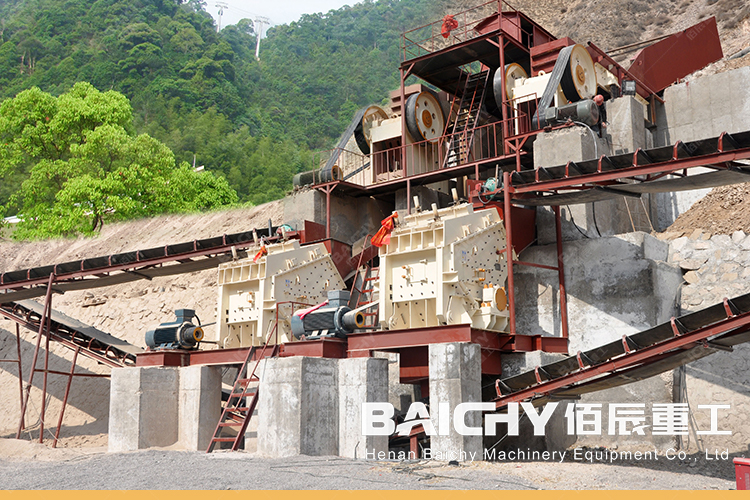
No single piece of equipment can solve all problems. The optimal solution for hard rock crushing is typically a production line consisting of two to three stages of equipment. Below are the star equipment for each stage of crushing and their applicable scenarios.
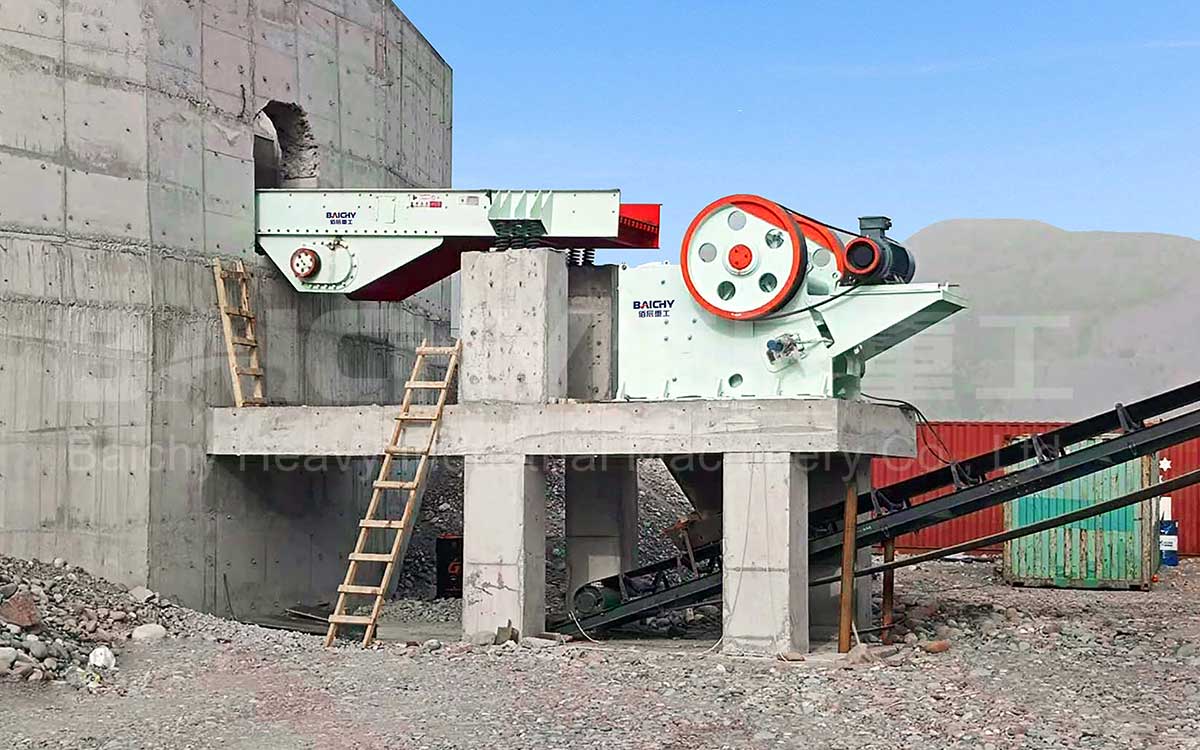
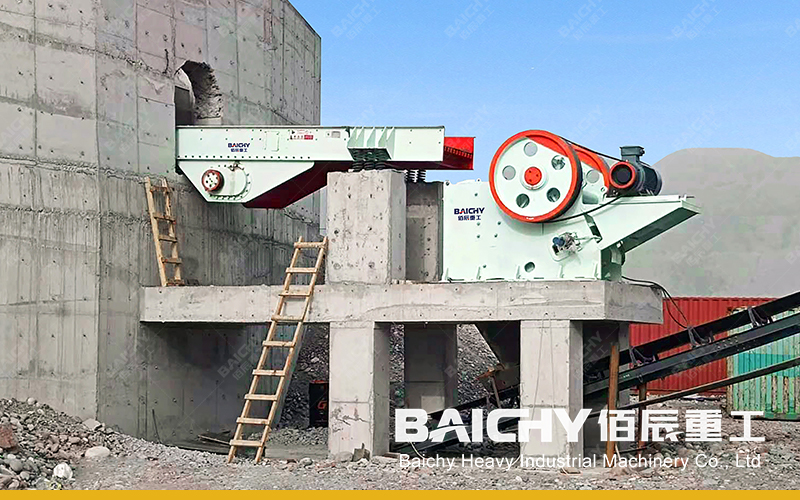
1. Primary Crushing (Coarse Crushing) – Jaw Crusher: A Robust and Reliable Pioneer
• Working Principle: Employs a compression crushing method using two jaw plates that mimic the chewing motion of an animal.
• Advantages:
◦ Robust Structure: Particularly suitable for processing large, high-hardness raw materials, offering unparalleled stability.
◦ Large Feed Inlet: Can directly process large rocks from blasting sites without secondary blasting.
◦ Easy Maintenance: Simple structure, relatively low operating and maintenance costs.
• Conclusion: In the first stage of a hard rock crushing production line, the jaw crusher is the undisputed first choice. It is the cornerstone of the entire process, laying the foundation for subsequent crushing operations.
2. Secondary Crushing (Medium Crushing) – Cone Crusher
• Working Principle: Crushing occurs between two cones through a powerful hydraulic or spring system.
• Advantages:
◦ High-efficiency hard rock crushing: Designed specifically for hard rock, it boasts immense crushing force and extremely high efficiency.
◦ High wear resistance: Both the moving and fixed cones are lined with high-manganese steel plates, ensuring a long service life.
◦ Good finished product particle shape: Utilizing the layered crushing principle, it produces a lower content of needle-like and flaky particles, more cubic particles, and superior finished product quality.
• Conclusion: If you ask what the best single-machine equipment is for hard rock crushing, the cone crusher is the most common answer. It achieves the optimal balance between efficiency, wear resistance, and finished product quality, making it the top choice for medium crushing of hard rock.
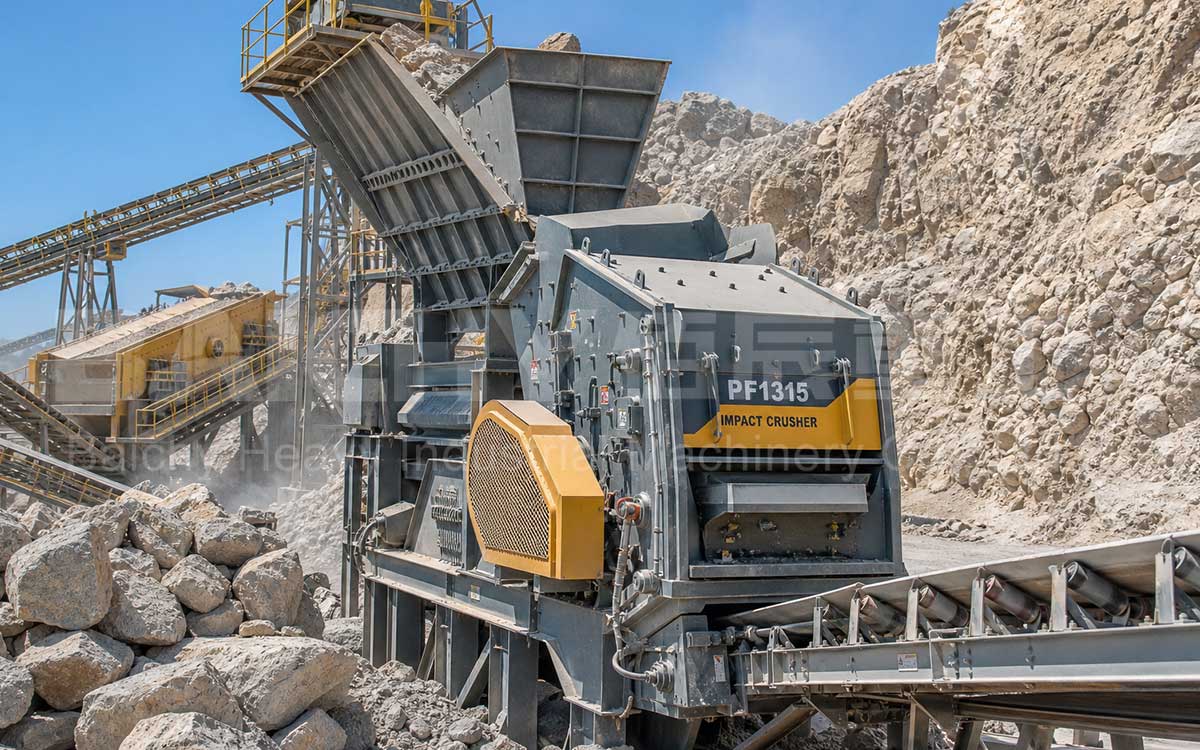
3. Impact Crusher (Sand Making Machine)
• Working Principle: Employs the stone-on-stone or stone-on-iron impact crushing principle.
• Advantages: Excellent finished particle shape and reasonable sand and gravel gradation, making it ideal for producing high-quality manufactured sand.
• Limitations: For extremely hard rocks, the wear rate of its hammers or shovels is very rapid, leading to a sharp increase in operating costs. Therefore, it is more commonly used for crushing medium-hard rocks, or in the third stage (fine crushing/sand making) of a hard rock production line.
III. Recommended Optimal Hard Rock Crushing Production Line Flow
A high-efficiency and economical hard rock crushing production line typically looks like this: Feeder → Jaw Crusher (coarse crushing) → Cone Crusher (medium crushing) → Vibrating Screen (screening) → Impact Crusher (fine crushing/sand making, optional)
Large rocks are first initially crushed by the jaw crusher, then intermediately crushed by the cone crusher. Material that does not meet the particle size requirements after screening is returned to the cone crusher for further crushing (forming a closed-loop cycle). Material that meets the requirements can then enter the impact crusher for shaping and sand making.
IV. Key Selection Points Summary: There is no best, only most suitable.
When selecting equipment, please consider the following factors comprehensively:
• Rock Characteristics: Accurately determine the rock's compressive strength, silicon content, etc.
• Capacity Requirements: How many tons of material need to be processed per hour?
• Finished Product Requirements: What are the specific requirements for the particle shape and gradation of the output?
• Investment Budget: Including initial equipment investment and long-term operation and maintenance costs.
Crushing hard rock is a tough battle, and choosing the right weapon is crucial. The combination of jaw crusher and cone crusher is widely recognized in the industry as the most classic and reliable solution for handling hard rock. Investing in the right equipment means higher production efficiency, better product quality, and lower overall costs, thus gaining a significant advantage in the fierce market competition.