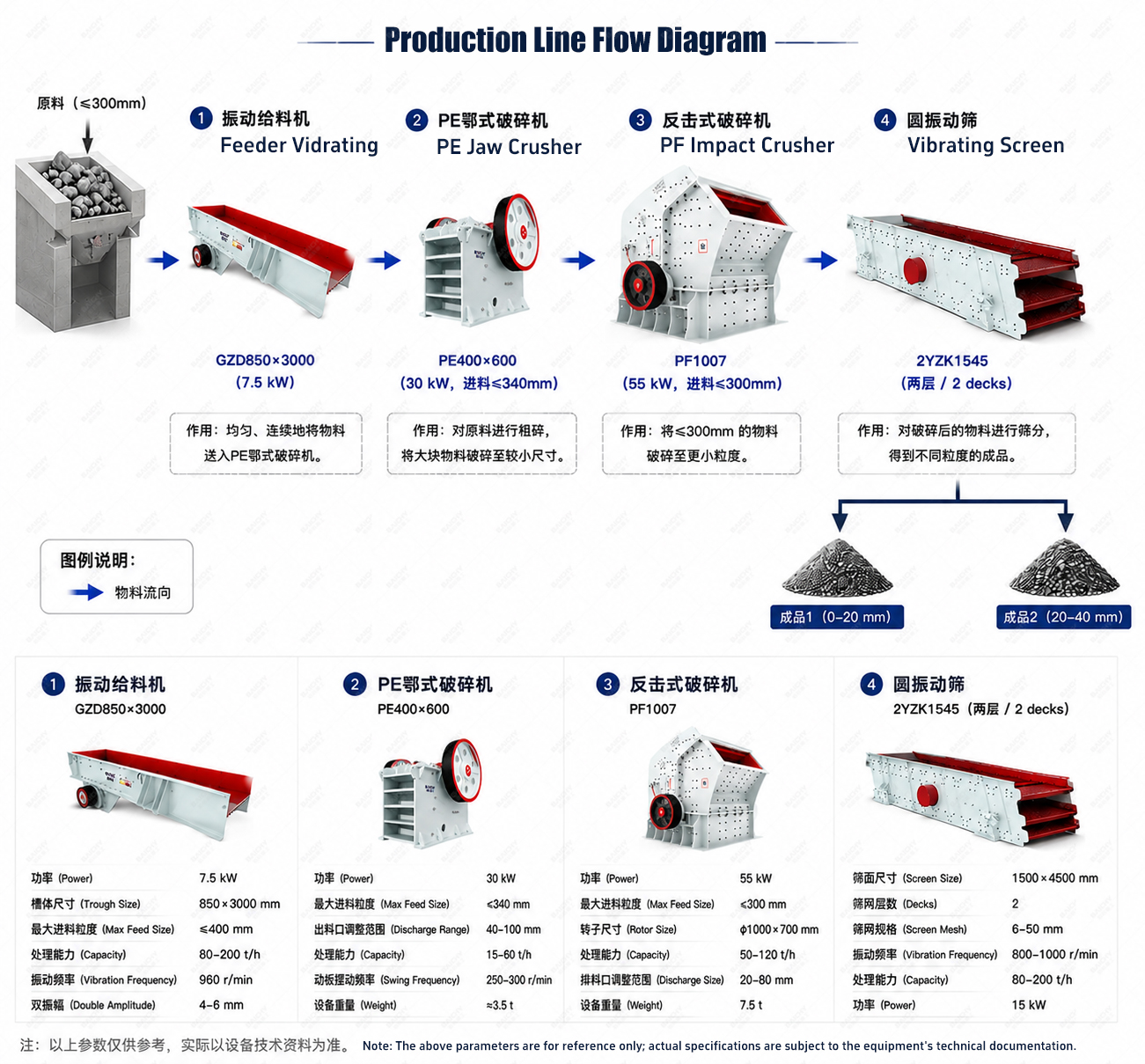
30–50-tph-PE400x600-Jaw-Crusher-Production-Line
For small-to-medium-scale stone crushing production lines with a capacity of 30–50 tons per hour, the total investment cost typically ranges from 300,000 to 800,000 RMB. This range is not an arbitrary estimate; rather, it is jointly determined by three core variables: equipment configuration grade, raw material hardness characteristics, and environmental compliance standards. As a manufacturer with 20 years of experience in the mining and crushing industry, we emphasize that discussing pricing in isolation—without considering specific operating conditions—is irresponsible. In this article, we will provide you with a scientific basis for decision-making by examining three key dimensions: cost structure, price ranges, and investment strategies.
I. Core Cost Components: A Four-Dimensional Investment Model
The total cost of a complete stone crushing production line equals: Equipment Purchase Costs + Infrastructure & Installation Costs + Environmental Compliance Costs + Operational Reserve Funds. Many investors focus solely on the first item, leading to severe budget overruns in the later stages.
1. Equipment Investment Costs (Accounting for approx. 60%–70%)
Based on the process principle of "more crushing, less grinding," stones of varying hardness require vastly different equipment combinations;
this is the primary factor driving price fluctuations.
| Crushing Stage | Equipment Type | Applicable Materials | Cost Characteristics | Recommendation Index |
| Primary Crushing | Jaw Crusher (PE Series) | Almost all types of stone | Transparent pricing; highly durable; serves as the critical safeguard for production capacity | ⭐⭐⭐⭐⭐ |
| Secondary/Fine Crushing | Cone Crusher | Granite, Basalt (High Hardness) | High initial purchase cost, but wear parts have a long lifespan, making it cost-effective in the long run | ⭐⭐⭐⭐ |
| Secondary/Fine Crushing | Impact Crusher | Limestone, Coal Gangue (Medium-to-Low Hardness) | Lower initial purchase cost; produces finished products with excellent grain shape; however, hammer heads experience rapid wear | ⭐⭐⭐⭐ |
| Screening & Conveying | Vibrating Screen + Belt Conveyor | N/A | Determines the efficiency of finished product classification; must be matched to the capacity of the primary crusher | ⭐⭐⭐ |
• Auxiliary Systems: Includes electromagnetic feeders, centralized electrical control cabinets, and pulse bag dust collectors. According to the GB/T 25706-2010 standard *Mining Machinery—Terminology*, the level of automation in the electrical control system directly impacts labor costs.
2. Infrastructure & Installation Costs (Accounting for approx. 15%–20%)
• Civil Engineering Works: Includes concrete foundations for equipment and steel-structure plant buildings. Subject to site geological conditions and local building material prices.
• Installation and Commissioning: Requires a professional team to perform equipment positioning and leveling calibration. Our company’s EPC turnkey service typically bundles this cost into the total quotation, thereby avoiding additional charges.
3. Hidden Operating Costs (Key to Long-Term ROI)
Equipment must not only be affordable to purchase but also affordable to "maintain."
• Wear Part Consumption: The material composition of wear parts—such as jaw plates, mantle liners, and hammerheads (e.g., high-manganese steel Mn13Cr2 vs. high-chrome alloy)—directly determines their replacement frequency.
• Energy Consumption Expenses: Production lines are energy-intensive systems; selecting YE4/YE5 series ultra-high-efficiency motors can save 15%–20% on electricity compared to standard motors (based on the GB 18613-2020 Motor Energy Efficiency Standard).
II. Specific Price Range for 30–50 Tons/Hour Production Lines
Based on statistical data from 217 similar projects undertaken by our company over the past three years (2023–2025), the actual implemented cost for 30–50 t/h production lines primarily falls into two tiers:
1. Economical Solution: ¥300,000 – ¥500,000
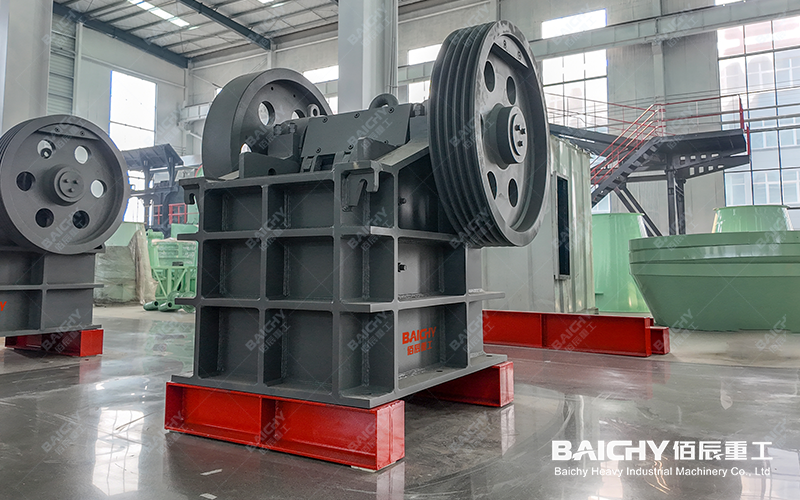
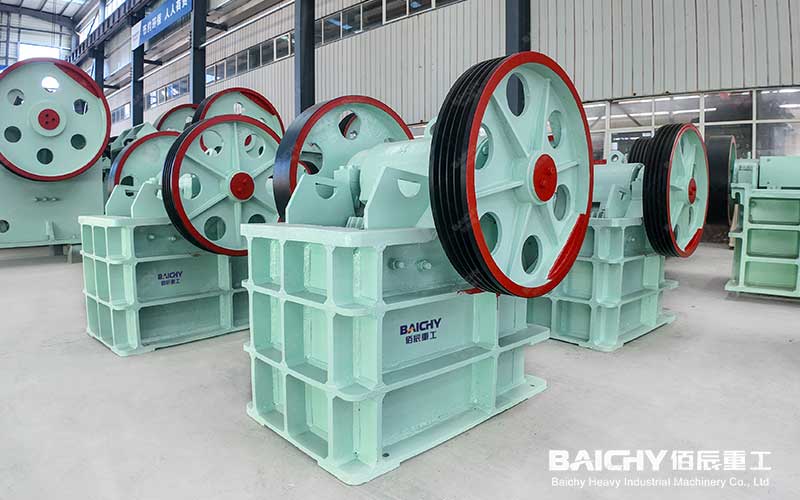
PE400x600 Jaw Crusher
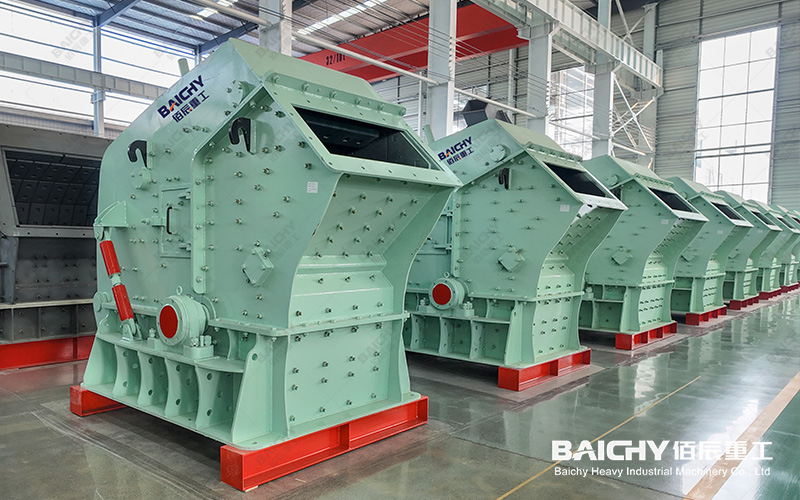
PF1007 Impact Crusher
• Applicable Scenarios: Raw materials are of medium-to-low hardness (e.g., limestone, bluestone); the site terrain is flat; and environmental protection requirements are moderate.
• Typical Configuration: GZD-300×90 Feeder + PE-400×600 Jaw Crusher + PF-1007 Impact Crusher + 3YK1230 Vibrating Screen.
• Features: Low initial investment, short payback period (typically 6–12 months), suitable for startup-stage aggregate plants.
2. Standard / Eco-Friendly Solution: ¥500,000 – ¥800,000+
• Applicable Scenarios: Raw materials are of high hardness (e.g., granite, river pebbles); the site is narrow, requiring a stepped layout; or local government environmental inspections are stringent (requiring full enclosure, water spraying systems, and high-standard dust removal).
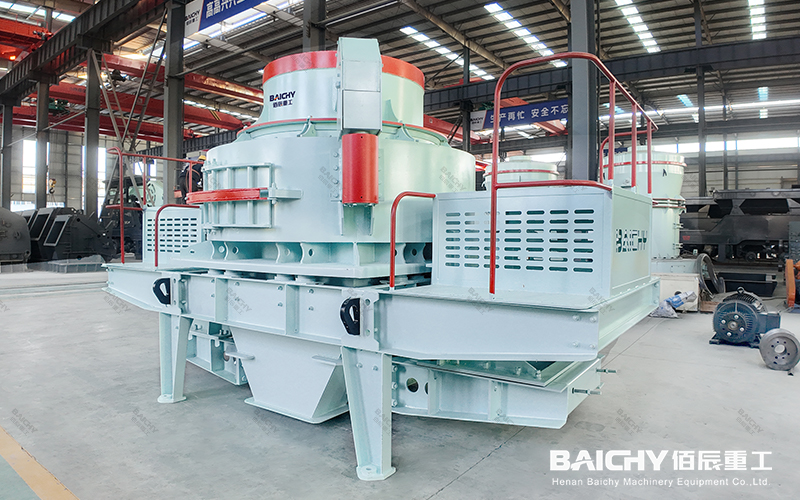
VSI Sand Making Machine
• Typical Configuration: PE-500×750 Jaw Crusher + HP300 Cone Crusher + VSI Sand Making Machine (Optional) + Fully Enclosed Steel Structure Plant + Intelligent Electrical Control Room.
• Features: Highly durable equipment with a low failure rate; ensures hassle-free environmental compliance; ideal for standardized enterprises seeking long-term operational stability.
Note: The prices listed above cover the cost of mainstream domestic standard-configuration equipment and basic installation fees. They do *not* include VAT invoices (which require separate calculation if requested), special foundation treatment costs, or land acquisition fees for the mining site.
III. An Experienced Manufacturer’s Guide to Avoiding Investment Pitfalls (20 Years of Expertise)
In the sand and aggregate industry, "chasing the lowest price" is often the first step toward financial loss. Drawing upon 20 years of industry insight, we present the following three cardinal rules:
1. Reject the "Standalone Machine" Mindset; Insist on System-Wide Matching
Never base your decision solely on the unit price of inpidual machines. If a jaw crusher has an output capacity of 50 t/h while the downstream cone crusher has a capacity of only 30 t/h, it creates a severe "oversized engine, undersized load" imbalance—wasting electrical energy and causing premature equipment wear. You must require the manufacturer to provide a formal *System Matching Calculation Report*.
2. Calculate "Cost Per Ton," Not "Cost Per Unit"
Example: Machine A sells for ¥300,000, and its hammer heads have a lifespan of 10,000 tons. Machine B sells for ¥450,000, and its hammer heads have a lifespan of 50,000 tons. Assuming a daily crushing volume of 500 tons, Machine A requires hammer head replacements three times a month (at ¥2,000 per replacement), whereas Machine B requires replacement only once every six months. Clearly, Machine B represents the truly low-cost solution.
3. Inspect Real-World Operations, Not "Showcase" Facilities
Before signing a contract, request that the manufacturer take you to visit a client site that meets the following criteria: commissioned within the last year, processing raw materials similar in nature to yours (e.g., "The XX Building Materials Granite Project—Commissioned March 2025"), and where you can personally verify actual dust emission levels and noise decibel readings on-site.
About of Baichy Heavy Industry
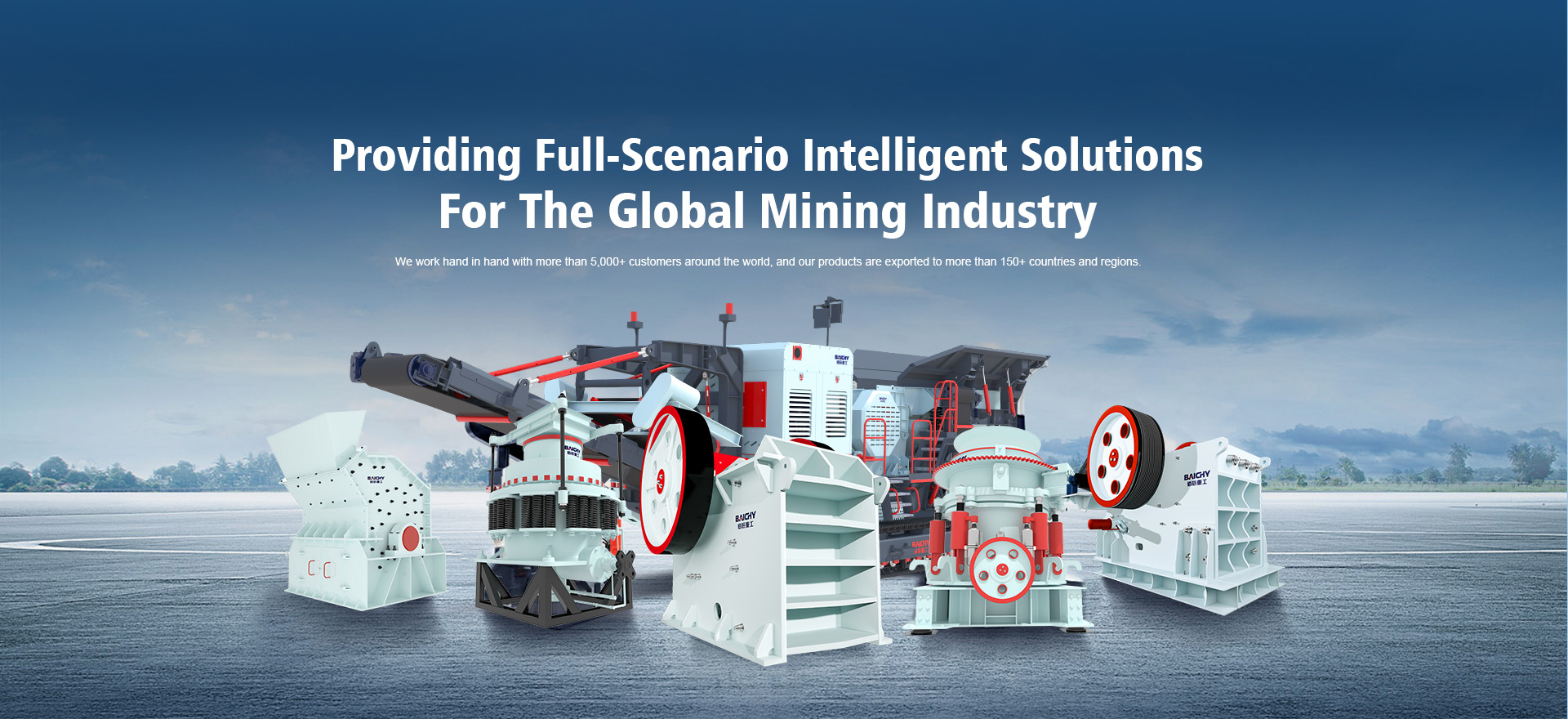
Baichy Heavy Industry is a high-tech mining equipment company integrating R&D, manufacturing, sales, and after-sales service. Focusing on crushing, grinding, and mineral processing equipment, we provide professional solutions to our customers. We are ISO9001:2015 、certified, and our products include mobile crushing palnts, crawler crushing plant, construction waste crushing plants, jaw crushers, sand making machines, cone crushers, fine crushers, grinding mills, ball mills, etc., all with reliable performance to meet diverse project needs.
Our advantages:
• Professional pre-sales support: Free project design and comprehensive solutions to help you accurately select the right equipment;
• Comprehensive on-site service: Providing installation guidance and worker training to ensure smooth equipment commissioning;
• Reliable after-sales guarantee: A complete after-sales system, timely response to technical inquiries and equipment maintenance, ensuring long-term stable operation.
To protect your rights, please contact us through the following official channels for professional service:
Official Website Customer Service
https://wa.me/+8615093222637
Email: [email protected]
We are committed to providing high-quality equipment and full-cycle services to deliver comprehensive intelligent solutions for the global mining industry!
Frequently Asked Questions (FAQ)
Q1: If my raw material consists of river pebbles—which are extremely hard—is a budget of ¥300,000 sufficient?
A: No, it is not. River pebbles possess a Mohs hardness rating as high as 7–8. Therefore, you must utilize either a cone crusher or a heavy-duty impact crusher equipped with high-chromium alloy hammer heads. With a budget of 300,000, you can typically only afford a combination of a jaw crusher and an impact crusher (suitable for soft rock); using this setup for hard rock would likely result in equipment failure within just a few days. We recommend increasing your budget to at least 550,000.
Q2: How many personnel are required to operate this production line?
A: For a semi-automated production line utilizing a centralized electrical control cabinet, only three people are needed per shift (one巡检员 [patrol inspector] + one central control operator + one logistics/support staff). A simpler line relying entirely on manual feeding would require 5–6 people.
Q3: How long is the equipment's service life? How many years does it take to recoup the investment?
A: Equipment from reputable manufacturers typically has a main body service life of over 10 years. In regions with a stable market for sand and gravel, a 30–50 ton-per-hour production line generates an average daily net profit of approximately 3,000–6,000 RMB; the typical payback period ranges from 8 to 18 months.
Q4: Will operations be forcibly halted if environmental standards are not met?
A: Yes. Under current environmental regulations, exceeding permissible limits for fugitive dust emissions can result in daily fines or even a mandatory shutdown. We recommend allocating a budget of 100,000–150,000 RMB for environmental protection equipment (such as mist cannons, enclosed sheds, and high-standard filter cartridges).
Q5: In addition to the machinery, do I need to prepare a generator?
A: We recommend doing so. The total power consumption of the production line typically ranges from 120 kW to 200 kW. To prevent material blockages and equipment stalling caused by sudden power outages, we suggest installing a diesel generator set with an output of 250 kW or higher to serve as a backup power source.
Q6: Do you have any specific case studies or references available?
A: Yes, we do. For instance, the "Yichun, Jiangxi Limestone Crushing Project"—delivered in January 2025—utilized a jaw crusher and impact crusher configuration with a throughput of 45 tons per hour. With a total investment of 420,000 RMB, the facility has been operating stably for 16 months, maintaining a per-ton production cost of under 3.8 RMB.