
Stationary Crushers - Stationary Crushing and Screening
In mining, large-scale quarrying, and infrastructure construction, an efficient and stable aggregate production system is crucial for success. As a manufacturer of mining crushing and grinding equipment with 20 years of experience, we understand that the selection of core equipment determines the efficiency of the entire production line. Today, we will delve into the heart of the production line—stationary crushing and screening equipment—providing a comprehensive analysis of its value and applications.
I. What is Stationary Crushing and Screening Equipment?
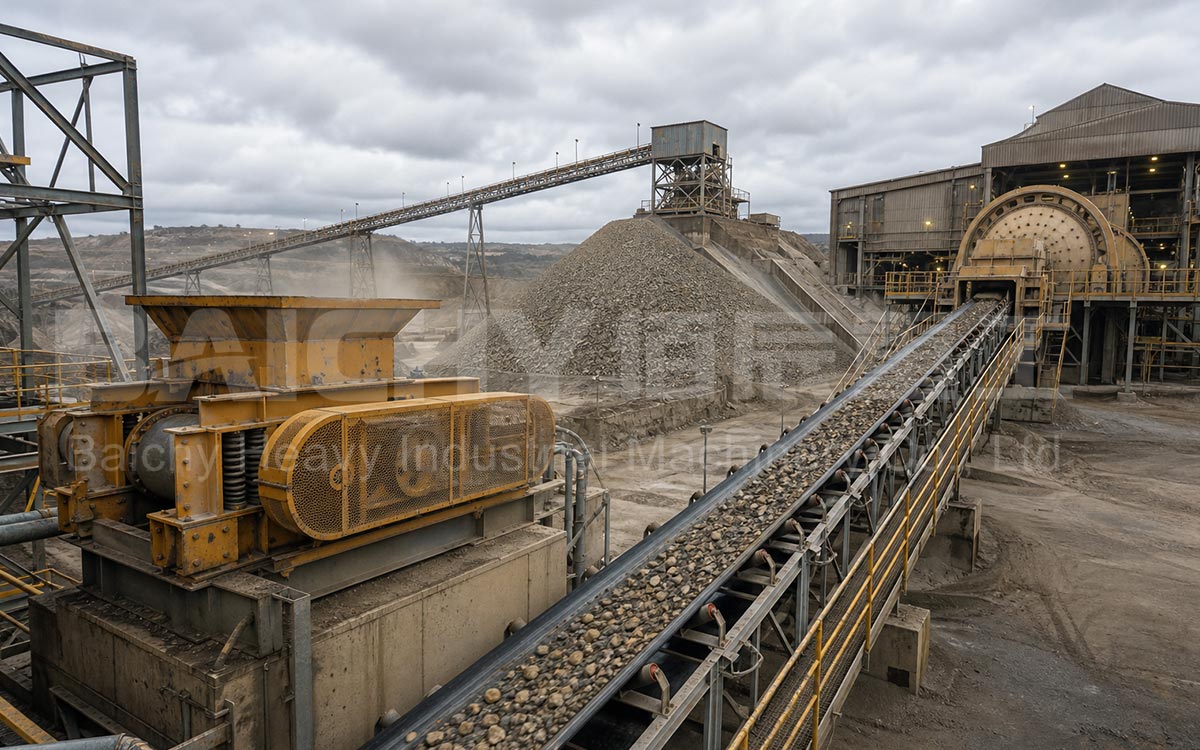
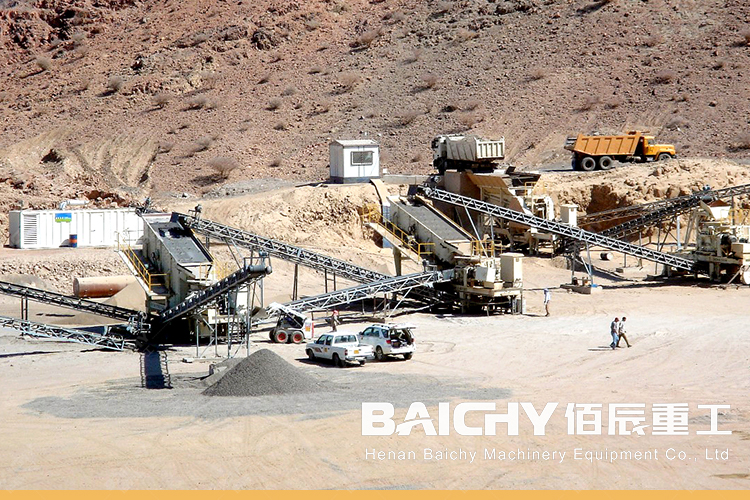
Stationary crushing and screening equipment, as the name suggests, refers to a general term for complete sets of crushing and screening machinery installed in a fixed location with a robust foundation. Its most significant difference from mobile crushing plants lies in its "immobility." It is typically permanently or semi-permanently installed on a concrete foundation according to the process flow, forming a complete production line through connecting equipment such as belt conveyors.
This type of equipment is not a single machine, but a systematic solution covering all stages from coarse crushing, medium crushing, and fine crushing to screening, conveying, and even dust removal. Common core equipment includes jaw crushers, cone crushers, impact crushers, sand making machines, and various vibrating screens.
II. System Overview: How Does the Production Line Work Together?
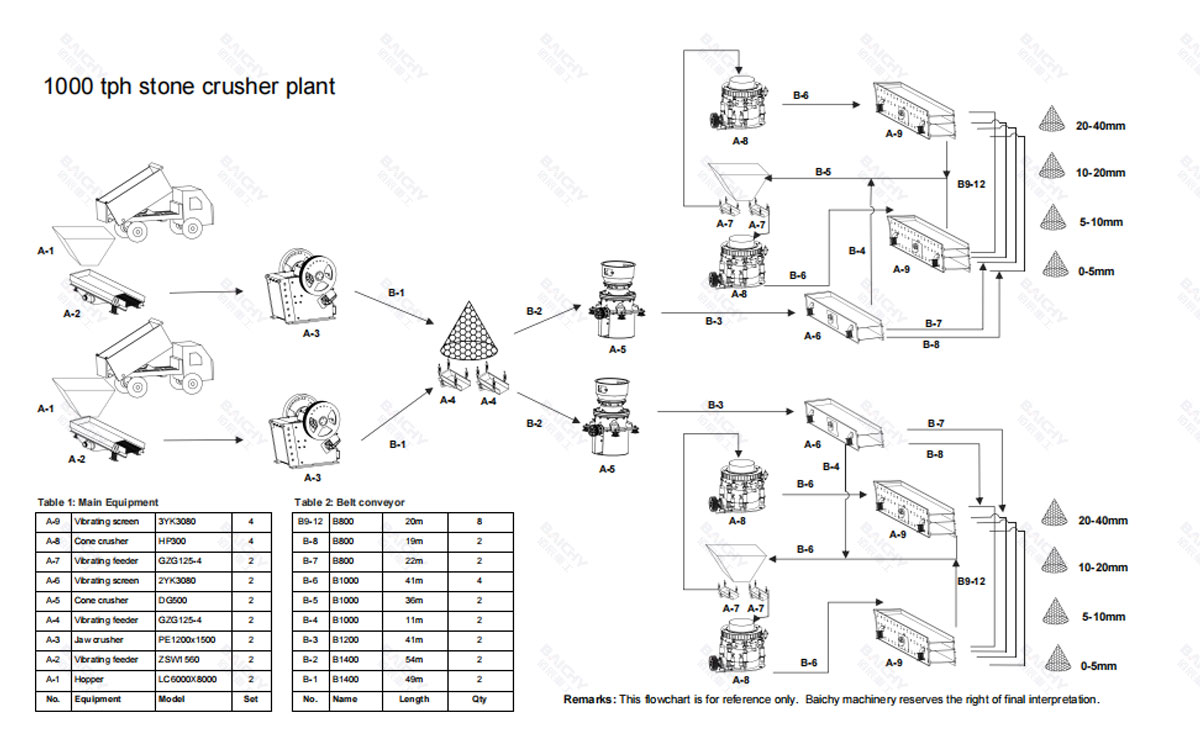
A standard stationary crushing and screening production line is a logically rigorous processing procedure. Raw ore or boulders are first fed into a jaw crusher for coarse crushing by a feeder. The crushed material is then conveyed by a belt conveyor to a cone crusher or impact crusher for medium and fine crushing. Subsequently, the material enters a vibrating screen for grading. Material meeting the particle size requirements is screened out, while excessively large material is returned to the crusher for further crushing (forming a closed-loop cycle) or enters the next stage of crushing equipment (open-loop or multi-stage crushing). This design ensures high production efficiency and excellent particle size distribution of the finished product.
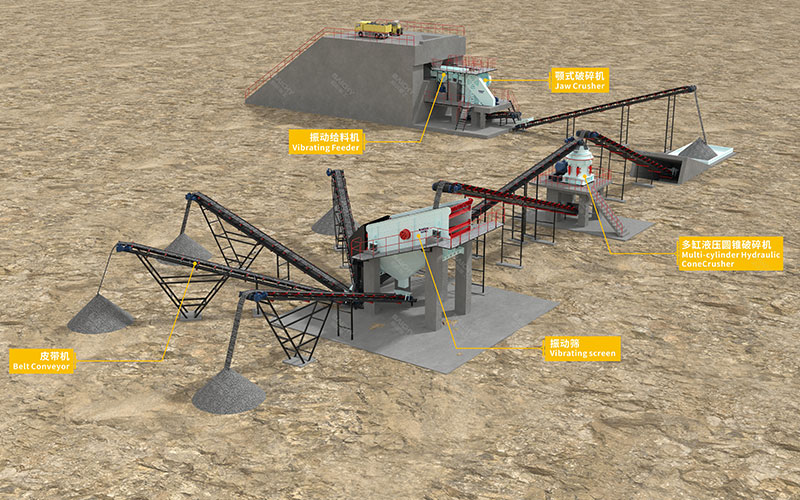
Layout diagram of aggregate crushing production line
III. Core Advantages: Why Choose Stationary Equipment?
Compared to mobile equipment, stationary crushers and screening systems have irreplaceable advantages in specific scenarios:
• Superior Production Capacity and Stability: Due to their robust foundation and optimized layout, they can withstand long-term, high-intensity continuous operation. Their output per unit time is typically much higher than that of mobile equipment of the same specifications, making them more suitable for large-scale, long-term projects.
• Superior Finished Product Quality and Particle Shape Control: Fixed production lines facilitate the integration of multi-stage crushing and precision screening, allowing for more flexible adjustments to the crushing ratio and screen specifications. This enables precise control over the final product's particle shape and gradation, meeting high-standard aggregate requirements.
• Lower Long-Term Operating Costs: While initial investment and infrastructure costs are higher, higher energy efficiency, more even equipment wear, and easier-to-implement maintenance plans make it more economical in terms of total return on investment over its entire lifecycle.
• High Integration of Automation and Environmental Protection: Fixed sites facilitate the installation of comprehensive automated control systems, efficient centralized dust removal systems, and noise control facilities, enabling intelligent management and meeting stringent environmental standards.
IV. Success Stories: Real-World Demonstration of Efficiency
We provided a complete fixed crushing and screening equipment solution for a large granite mine project in East China. This production line was designed with a capacity of 1500 tons per hour, employing a three-stage crushing process (jaw crusher + cone crusher + sand making machine) and a three-layer high-efficiency vibrating screen.
Project Challenges: The raw materials have high hardness, placing stringent requirements on the wear resistance of the equipment; the market has specific standards for the finished product's particle shape (mostly cubic, less flaky) and stone powder content.
Our Solution: A heavy-duty jaw crusher is used for primary crushing, followed by a high-performance multi-cylinder hydraulic cone crusher for secondary medium and fine crushing to ensure particle shape. Finally, a centrifugal impact crusher is used for shaping and sand making. The entire line is equipped with a central intelligent control system and a closed dust collection system.
Results: The production line has been operating stably for over 5 years, with a capacity achievement rate exceeding 98%. The finished aggregate has excellent particle shape and continuous gradation, fully meeting the requirements of local high-end commercial concrete plants and key projects, bringing continuous and considerable economic benefits to the customer.
V. Recommended Related Equipment
In addition to the core crushing and screening processes, the following supporting equipment is also crucial for building a stationary crushing and screening production line:
• Feeding Equipment: Heavy-duty plate feeder to ensure uniform and continuous feeding to the primary crushing equipment.
• Conveying Equipment: Multi-layer fabric core belt conveyor, responsible for material transfer between different stages of equipment; its reliability directly affects the overall line efficiency.
• Dust Collection System: Pulse jet bag filters, installed at each dust-generating point, are crucial for achieving green production.
• Electrical Control System: A PLC central control system enables one-button start/stop, fault alarms, and remote monitoring; it's standard equipment in modern intelligent mines.
VI. Frequently Asked Questions (FAQ)
Q1: How should I choose between stationary and mobile crushing equipment?
A1: The key to selection lies in your project timeline, material characteristics, and site conditions. Stationary crushing and screening equipment is more suitable for projects with large processing capacities, long production cycles (usually exceeding 2 years), fixed sites, and high requirements for finished product particle shape and capacity. Mobile crushing stations are more suitable for scenarios with short construction periods, frequent relocation, and processing dispersed materials such as construction waste.
Q2: What is the approximate construction period and investment for a stationary production line?
A2: This depends on the scale and configuration complexity of the production line. A medium to large-scale production line typically takes 3-6 months from foundation construction and equipment installation to commissioning. Investment ranges from several million to tens of millions of RMB. As a manufacturer, we can provide the most cost-effective customized solutions based on your specific needs (output, finished product specifications, budget).
Q3: Is the equipment maintenance complex? What is the lifespan of the core components?
A3: Stationary equipment maintenance is more systematic. We provide detailed maintenance manuals and regular inspection services. Core crushing components (such as jaw plates, grinding mill walls, and hammers) are made of high-strength wear-resistant alloy materials and designed for service life based on material hardness. Under normal operating conditions and maintenance, the replacement cycle of vulnerable parts is predictable, which helps you plan spare parts inventory in advance and minimize unexpected downtime.
Choosing stationary crushing and screening equipment means choosing a production model that pursues long-term stable returns, high-quality output, and economies of scale. As a partner with two decades of experience in the field, we can not only provide durable single machines but also tailor-make a complete production line system solution for you, from planning to commissioning.
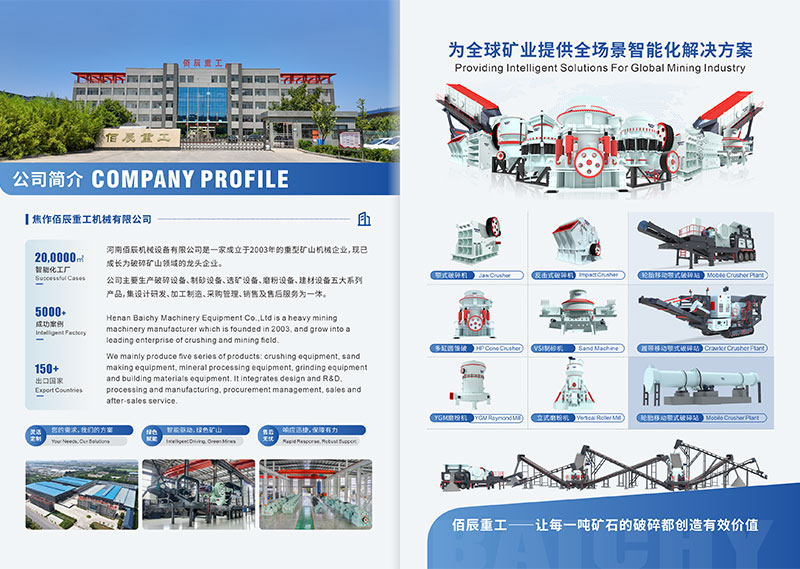
About of Baichy Heavy Industry
Baichy Heavy Industry is a high-tech mining equipment company integrating R&D, manufacturing, sales, and after-sales service. Focusing on crushing, grinding, and mineral processing equipment, we provide professional solutions to our customers. We are ISO9001:2015 、certified, and our products include mobile crushing palnts, crawler crushing plant, construction waste crushing plants, jaw crushers, sand making machines, cone crushers, fine crushers, grinding mills, ball mills, etc., all with reliable performance to meet diverse project needs.
Our advantages:
• Professional pre-sales support: Free project design and comprehensive solutions to help you accurately select the right equipment;
• Comprehensive on-site service: Providing installation guidance and worker training to ensure smooth equipment commissioning;
• Reliable after-sales guarantee: A complete after-sales system, timely response to technical inquiries and equipment maintenance, ensuring long-term stable operation.
To protect your rights, please contact us through the following official channels for professional service:
Official Website Customer Service
WhatsApp: 0086-15093222637
Email: [email protected]
We are committed to providing high-quality equipment and full-cycle services to deliver comprehensive intelligent solutions for the global mining industry!