
Interpretation of Environmental Standards for Mining Equipment in Saudi Arabia
Saudi Arabia is actively promoting its "Vision 2030," aiming to persify its economy and reduce its dependence on oil. The mining industry has been established as one of the pillar industries. Against this backdrop, environmental protection and sustainable development have become core requirements for mining development. Environmental standards for mining equipment are not only crucial for obtaining permits but also key to gaining social acceptance and ensuring long-term operations.
Core Regulatory Framework and Institutions
1. Saudi Ministry of Environment, Water and Agriculture (MEWA): This is the primary environmental regulatory body. It is responsible for setting environmental protection standards, approving environmental impact assessments, issuing environmental permits, and conducting ongoing monitoring.
2. Ministry of Industry and Mineral Resources: Responsible for the overall strategy, investment, and regulation of the mining sector. The Saudi Geological Survey, under this ministry, provides geological data support. In environmental matters, it collaborates closely with MEWA to ensure mining projects comply with national sustainable development goals.
3. Saudi Standards, Metrology and Quality Organization (SASO): Responsible for developing and publishing various national standards, including those for equipment energy efficiency, emissions, and safety. SASO standards are typically the basis for equipment import and market access.
4. Royal Commission for Jubail and Yanbu (RCJY): In specific industrial cities, the RCJY has its own strict environmental regulations, whose standards are often higher than national standards.
Interpretation of Core Environmental Standards for Mining Equipment
Here, "standards" do not refer to a single equipment parameter, but rather a comprehensive system covering the entire lifecycle of the equipment, from design, selection, and import to operation and maintenance.
1. Emission Control Standards
• Exhaust Emissions: Exhaust emissions from equipment (especially diesel-powered equipment such as excavators, trucks, and drilling rigs) must meet strict limits. This typically requires equipment to have engines meeting Euro IV/V or higher standards. Saudi Arabia is gradually promoting the use of cleaner fuels (such as ultra-low sulfur diesel) and the use of exhaust after-treatment devices.
• Dust Control: This is a top priority in arid regions. Equipment must be equipped with effective dust suppression systems during operation, for example:
◦ Drilling rigs must be equipped with dust collectors or wet drilling systems.
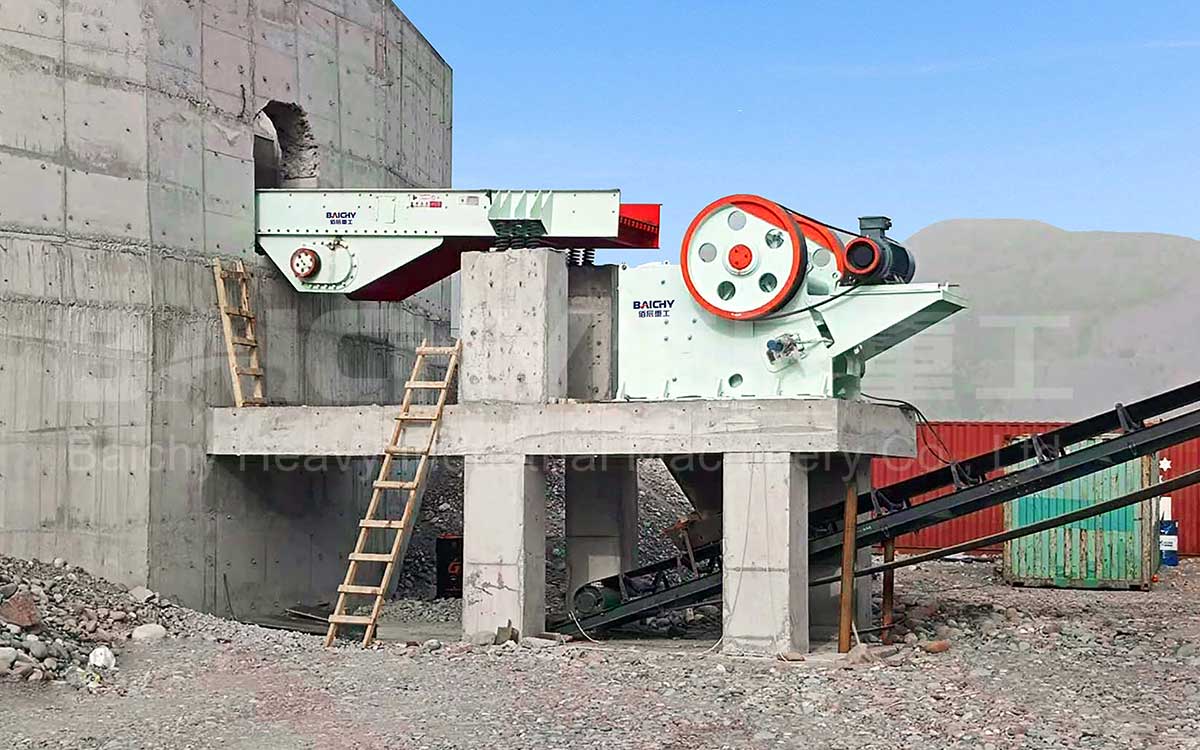
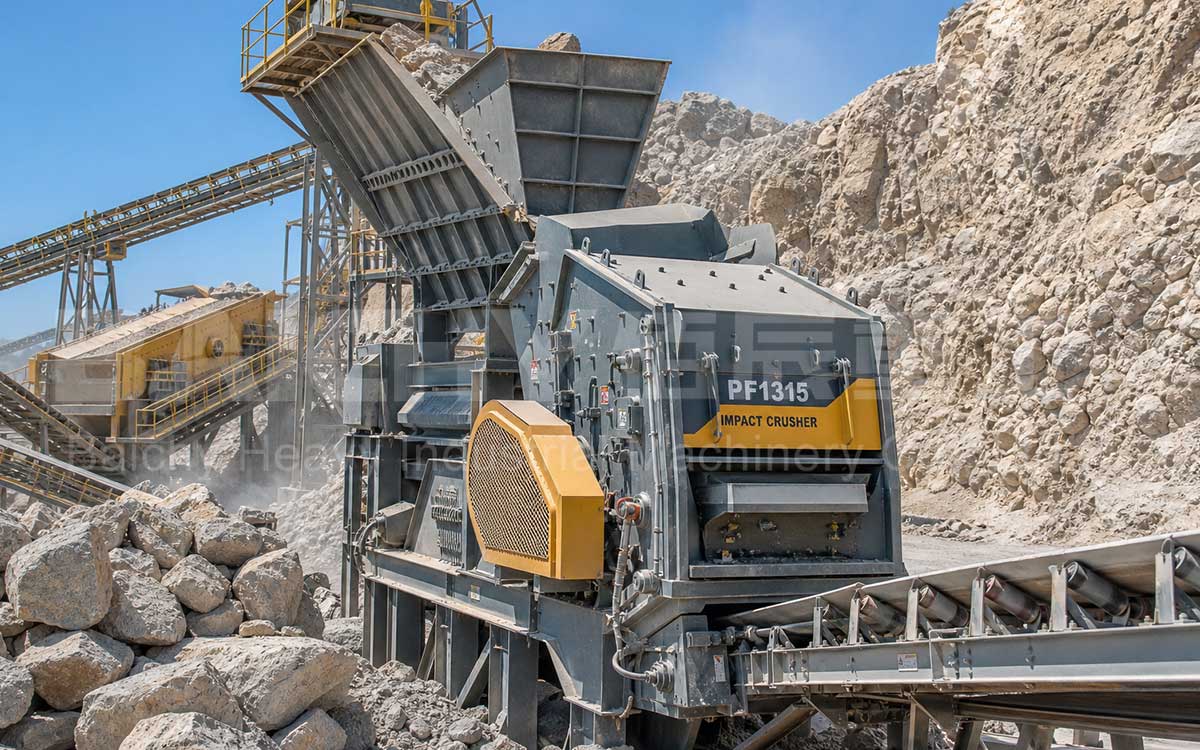
◦ Crushers and screening equipment must be fully enclosed and equipped with baghouse dust collection systems.
◦ Water trucks or chemical dust suppressants are required for transportation roads. • Noise Emissions: The noise level of equipment outside the plant boundary must comply with prescribed limits, especially for projects near residential areas. This requires the selection of low-noise equipment and the installation of sound barriers.
2. Resource Efficiency and Pollution Prevention Standards
• Energy Efficiency: The use of high-efficiency equipment is encouraged. Large electrically driven equipment (such as electric excavators and conveyor belts) is preferred due to its zero on-site emissions and high efficiency, especially in areas with access to the power grid.
• Water Resource Management: In Saudi Arabia, a country with extreme water scarcity, water recycling in equipment is crucial. Water used for ore washing, dust suppression, etc., must be highly recycled. Equipment systems should be designed as closed-loop systems to minimize fresh water consumption and wastewater generation.
• Oil and Chemical Management: Equipment must prevent leaks of lubricating oil, hydraulic oil, etc. Leak-proof trays, secondary containment facilities, and strict preventive maintenance and leak emergency procedures are required.
• Waste Management: Waste oil, used filters, and spent batteries generated during equipment operation must be classified, safely stored, and disposed of by qualified contractors as hazardous waste.
3. Ecological Protection and Mine Closure Planning Requirements
• Minimizing Ecological Footprint: The use of automated and precision equipment is encouraged to reduce surface disturbance and vegetation damage.
• Mine Closure and Land Reclamation: Ecological restoration after mine closure must be planned from the beginning of the project. The availability and planning of relevant equipment (such as equipment for land leveling, soil improvement, and vegetation restoration) will also be included in the assessment.
Practical Impact and Operational Steps for Businesses
1. Equipment Selection and Import:
◦ When purchasing new equipment, environmental compliance must be a primary technical parameter.
◦ Ensure that the equipment has energy efficiency and emission certifications that meet SASO requirements.
◦ Prioritize equipment equipped with advanced environmental technologies (such as electrification, automation, and high-efficiency dust removal systems).
2. Environmental Impact Assessment:
◦ A comprehensive EIA must be conducted and approved by MEWA before project commencement.
◦ The EIA report must detail the types and quantities of equipment to be used and their corresponding emission reduction and control measures (such as dust control efficiency and water recycling schemes).
3. Obtaining Environmental Permits:
◦ After EIA approval, an environmental operating permit must be obtained from MEWA. The license will clearly specify the environmental conditions and limitations for equipment operation.
4. Continuous Monitoring and Reporting:
* Companies must establish an environmental monitoring system to continuously monitor parameters such as air quality (PM10, PM2.5), noise, and water quality.
* Regular reports must be submitted to regulatory authorities to demonstrate that equipment operation consistently meets standards.
5. Training and Awareness:
* Operating and maintenance personnel must receive environmental training to ensure equipment operates in the best environmental condition and that all environmental management procedures are correctly implemented.
Trends and Future Outlook
1. Stricter Standards: With the advancement of the "Vision 2030" and the global ESG investment wave, Saudi Arabia's environmental standards are expected to continuously improve, aligning with international best practices.
2. Technology-Driven: The demand for electrified, automated, and intelligent mining equipment will surge. These devices can significantly reduce emissions, improve safety, and optimize resource utilization.
3. Green Mining Initiatives: The Saudi government may introduce more incentives to encourage the adoption of low-carbon, water-saving green mining technologies and equipment.
4. Circular Economy Integration: Future standards may place greater emphasis on the resource utilization of mining waste, leading to increased demand for related processing equipment.
Summary and Recommendations
For mining companies entering or already operating in Saudi Arabia:
• Go Beyond Compliance: Do not simply meet the minimum standards. Adopting environmentally friendly equipment and technologies that exceed current standards is a strategic investment to reduce long-term operational risks, enhance corporate reputation, and gain government support.
• Early Consultation: Engage local professional environmental consultants during the project planning and equipment procurement phases, and maintain thorough communication with MEWA and MIM.
• Full Life Cycle Perspective: Establish a comprehensive environmental management system that spans from equipment selection, installation, and operation to decommissioning.
In summary, Saudi Arabia's environmental standards for mining equipment constitute a dynamic, stringent, and comprehensive system. The key to success lies in proactive adaptation, forward-looking investment, and transparent cooperation with regulatory agencies, integrating environmental protection deeply into the core of mining operations.