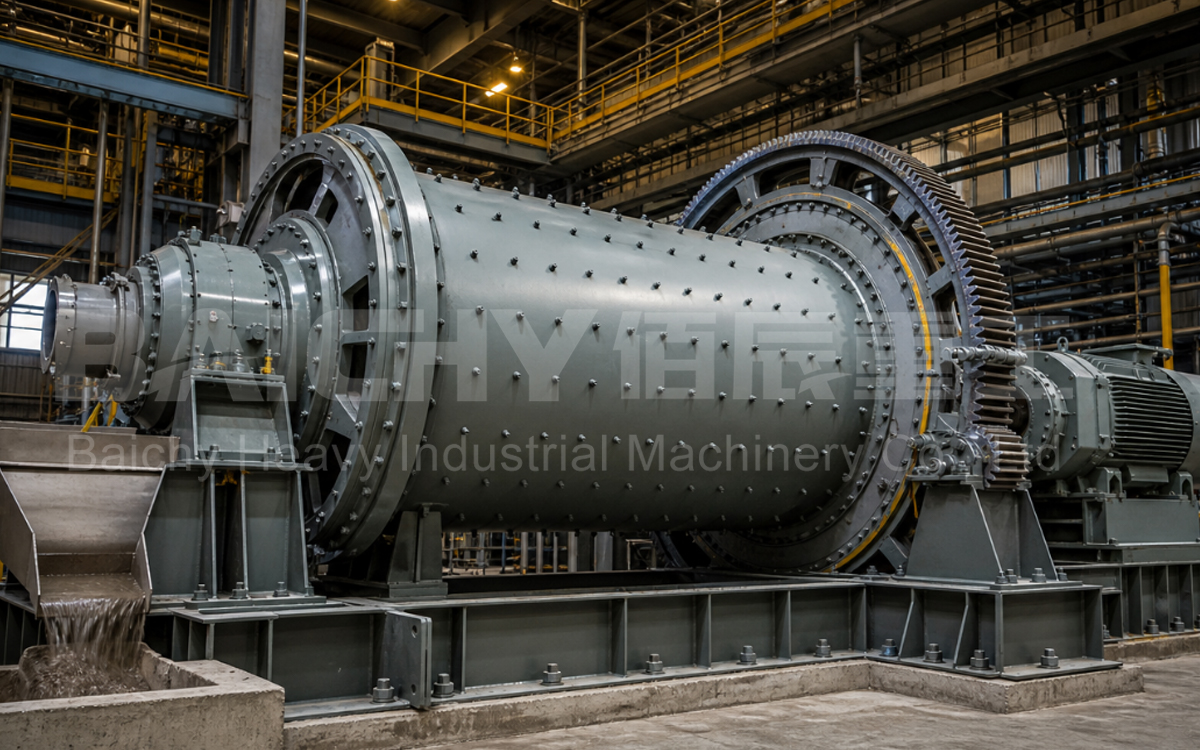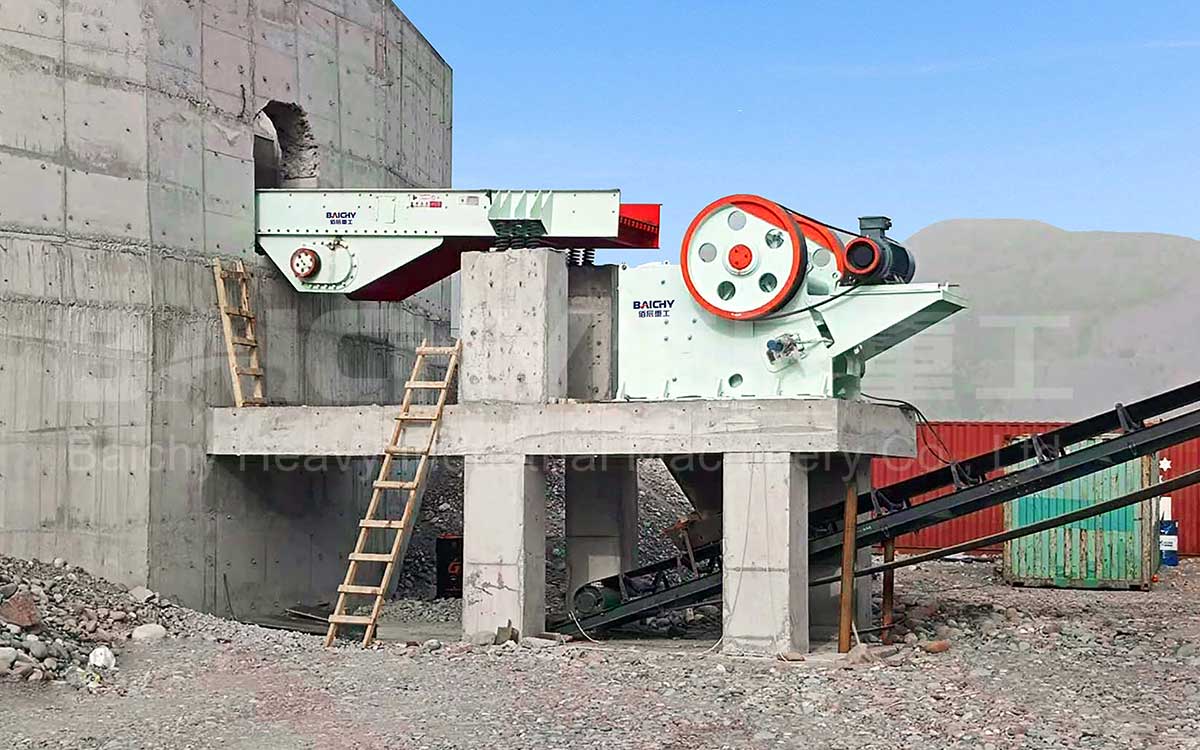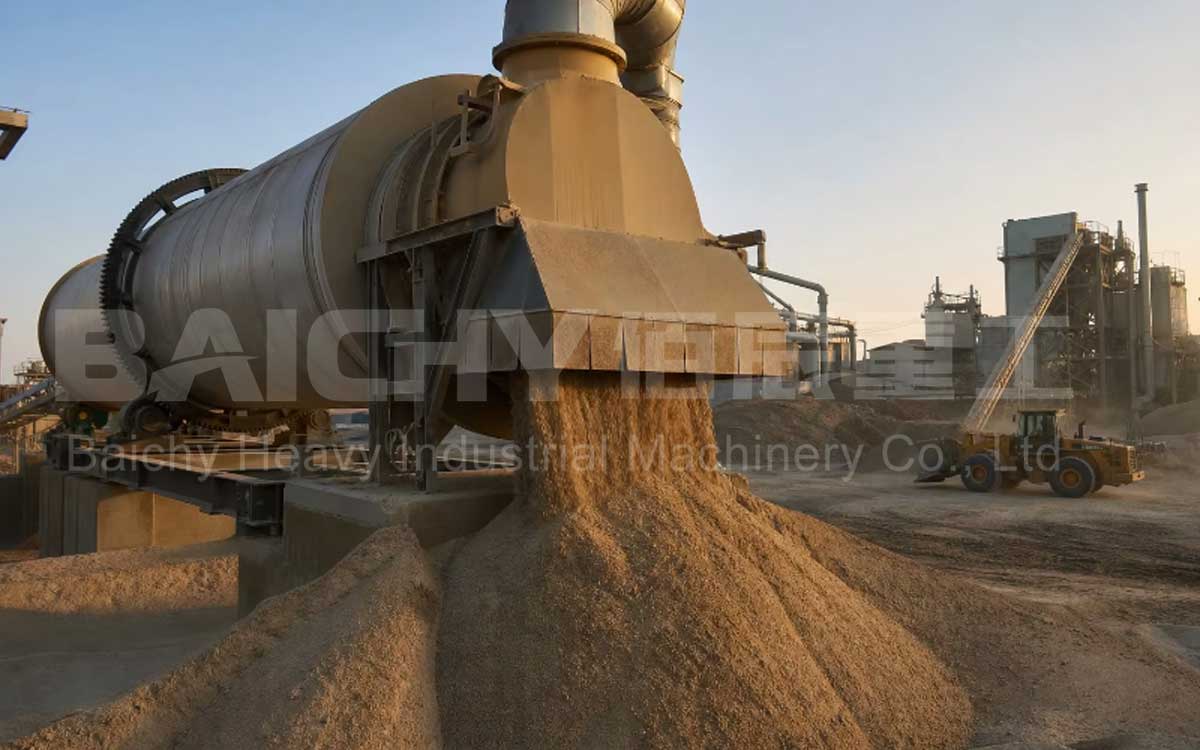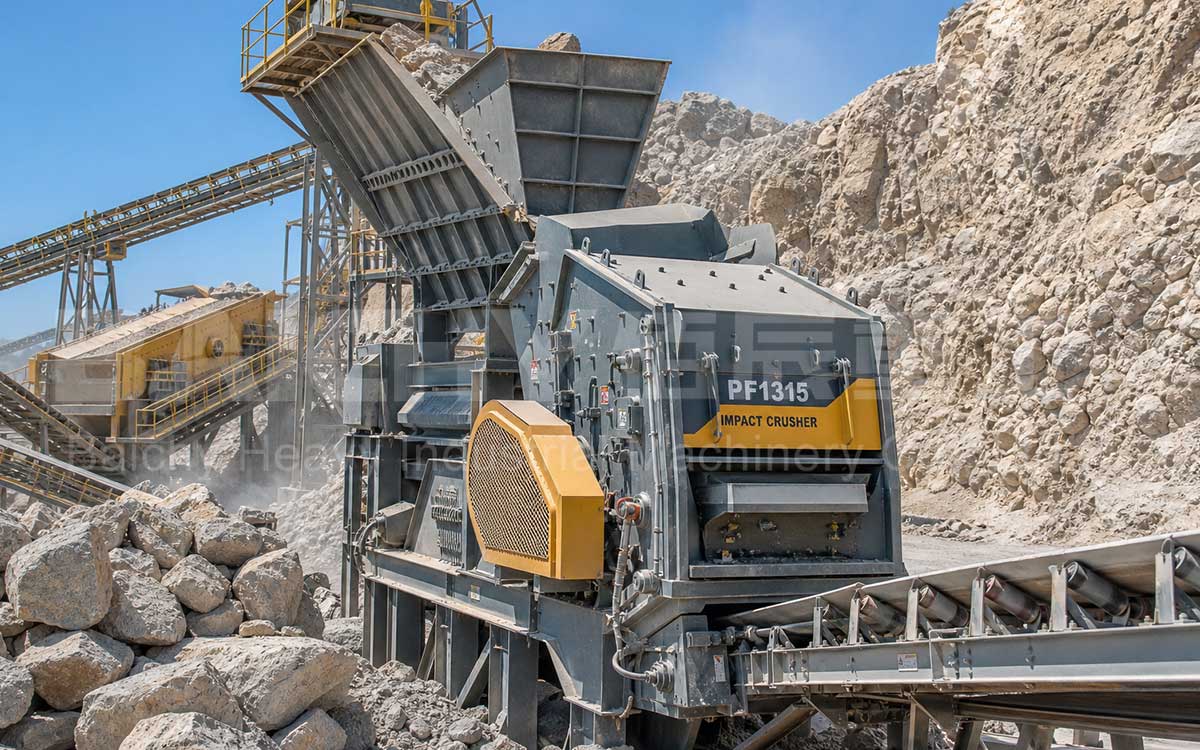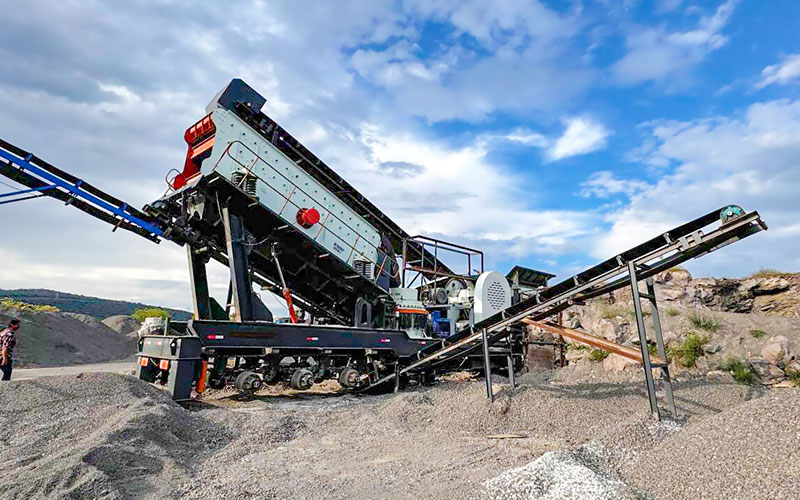
Four-unit mobile crushing plant at a site in Mexico
The client's core requirement is to integrate a complete granite crushing production line with a capacity of 120 tons per hour (including core primary, secondary, and tertiary crushing and screening equipment) onto a single trailer.

Mobile Jaw Crusher PDF, Download ↓↓↓
This is technically extremely challenging, practically almost impossible, and not recommended. The main reasons are as follows:
1. Severe weight overload: This is the most fundamental obstacle.
A single cone crusher with a capacity of 120 tons per hour can weigh 20-30 tons.
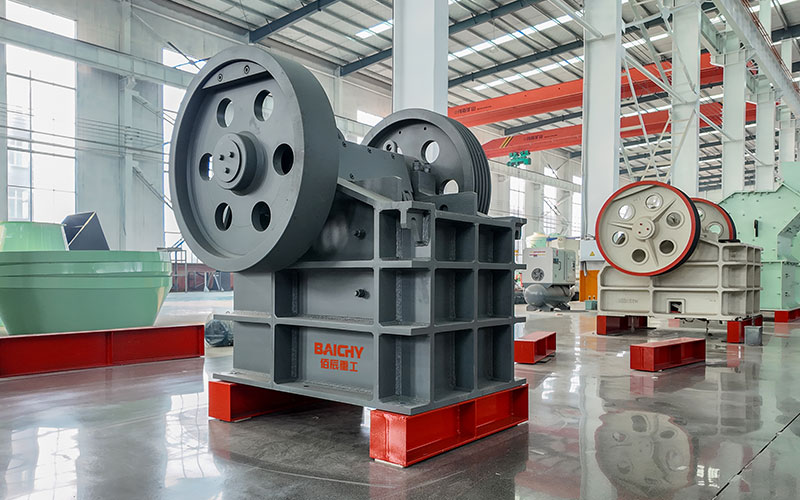
PE Jaw Crusher
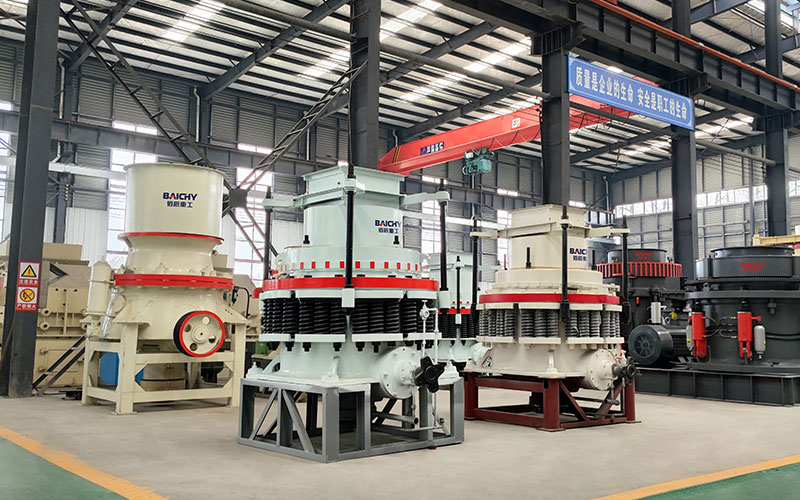
PYB Cone Crusher
The jaw crusher (for primary crushing) is equally heavy.
The screening machine, multiple conveyors, vibrating feeder, steel structure chassis, motors, generators, etc., combined, will likely exceed 80 tons, or even reach over 100 tons.
Most countries in the world have strict weight limits for single-axle/multi-axle trailers (usually ranging from 20-50 tons). Such an overweight "single-unit" equipment cannot be legally transported on public roads.
2. Extreme dimensions (length and height):
To accommodate so much equipment, the trailer length might need to exceed 20 meters, or even reach 30 meters. This far exceeds the maximum length for ordinary road transport (usually 13.5-18 meters, depending on different country regulations).
The height will also exceed limits due to equipment stacking (e.g., screening machine on top, crusher below), making it difficult to pass under bridges and through tunnels.
3. Structural stability and performance compromises:
Placing all heavy equipment on a single chassis will result in significant vibration and stress during movement and operation, leading to easy fatigue damage of the steel structure.
To reduce weight, smaller equipment models might be chosen, which would compromise the ability to maintain a stable 120 tons/hour output, especially when dealing with hard granite.
4. Layout and process issues:
The material flow is: feeder -> jaw crusher (primary crushing) -> cone crusher (secondary/tertiary crushing) -> screening machine -> finished product/recirculation. This process requires sufficient height difference and space for conveyor placement.
Placing all equipment on a single plane would result in insufficient height difference, requiring additional lifting equipment and increasing complexity. Stacking the equipment vertically would create center of gravity and maintenance access problems. In-depth Interpretation of Customer Needs and Optimal Solutions
The customer's core need may not simply be a "single trailer," but rather:
• High mobility: requiring frequent relocation and rapid transfer between multiple quarrying sites or construction sites.
• Quick installation: reducing on-site foundation construction and assembly time.
• Integrated solution: the desire to purchase a complete, matched set of equipment, reducing the hassle of coordinating multiple suppliers.
• Processing granite: meaning the equipment must be robust, durable, and wear-resistant.
Feasible Alternative Solutions
Based on common industry practices, a more realistic solution to meet the need for "120 tons per hour of mobile granite crushing" is:
1. Multi-trailer mobile crushing plant (most recommended and standard solution):
◦ Solution A (two-trailer combination):
▪ Trailer 1 (primary crushing unit): integrates a vibrating feeder and a jaw crusher.
▪ Trailer 2 (secondary crushing and screening unit): integrates a cone crusher, screen, and main conveyor.
◦ Solution B (three-trailer combination, more flexible):
▪ Separate feeder trailer, separate jaw crusher trailer, separate cone crusher + screen trailer.
◦ Advantages:
▪ The weight and dimensions of each trailer are legal and compliant, allowing for road registration and travel.
▪ Equipment performance is not limited, allowing for the selection of models capable of handling granite.
▪ Reasonable layout, smooth material flow, and ample maintenance space.
▪ During relocation, the trailers can be transported separately, offering greater flexibility.
2. Large semi-trailer mobile crushing plant (closer to the "single trailer" concept, but requires simplified process):
◦ This is currently the most integrated form of mobile equipment, but it usually only integrates the core crusher and screen onto a single frame.
◦ Common configuration: a single impact crusher or cone crusher is stacked vertically with a screen to form a "closed-circuit system."
◦ Applicability to your needs:
▪ Cannot integrate a jaw crusher: This means it requires pre-screened, smaller-sized raw materials (e.g., material already pre-sorted by an excavator or pre-crushed by a stationary jaw crusher). It cannot directly process large pieces of raw granite. ▪ If you already have a primary crushing stage upstream, this is an excellent, highly mobile secondary and tertiary crushing solution.
Final Recommendations
1. Clarify core customer needs: Is "absolute single-unit transport" more important, or is "efficient mobility and rapid commissioning" more important? Usually, the latter is the commercial objective.
2. Recommend the "two-vehicle combination solution":
◦ Show the customer that this is the only mature, reliable, and industry-standard solution that meets the requirement of 120 tons per hour of granite processing and allows for legal and efficient relocation.
◦ Emphasize its advantages: lower overall time cost (relocation only requires two tractor-trailers), guaranteed performance, and higher return on investment.
3. Provide a professional layout diagram: Draw a process flow diagram and site layout diagram of the two-vehicle combination, allowing the customer to intuitively see its rationality and convenience. Explain that the two units are connected by a short conveyor belt, making installation very quick.
4. Warn of risks: Clearly inform the customer that forcibly integrating all equipment onto a single trailer will lead to substandard equipment performance, high failure rates, inability to legally operate on public roads, and ultimately, a high risk of investment failure.
“For your mobile crushing needs of 120 tons per hour of granite, from the perspective of technical feasibility and operational economics, the industry standard solution is to use a combination of two to three independent trailer-mounted mobile units. This ensures both equipment processing capacity and durability, while also enabling rapid relocation. Integrating all equipment onto a single trailer presents insurmountable obstacles in terms of weight, size, and stability. We can design an optimal multi-vehicle combination solution for you to ensure your production efficiency and return on investment.
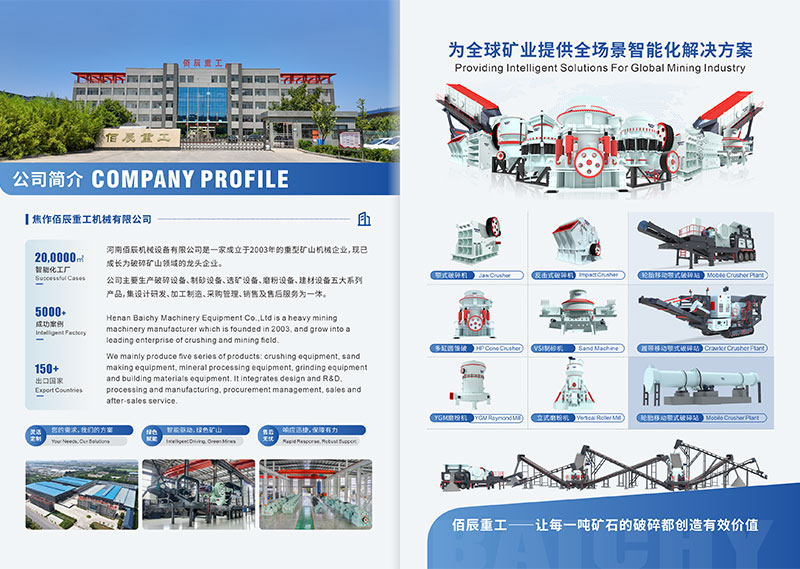
About of Baichy Heavy Industry
Baichy Heavy Industry is a high-tech mining equipment company integrating R&D, manufacturing, sales, and after-sales service. Focusing on crushing, grinding, and mineral processing equipment, we provide professional solutions to our customers. We are ISO9001:2015 、certified, and our products include mobile crushing palnts, crawler crushing plant, construction waste crushing plants, jaw crushers, sand making machines, cone crushers, fine crushers, grinding mills, ball mills, etc., all with reliable performance to meet diverse project needs.
Our advantages:
• Professional pre-sales support: Free project design and comprehensive solutions to help you accurately select the right equipment;
• Comprehensive on-site service: Providing installation guidance and worker training to ensure smooth equipment commissioning;
• Reliable after-sales guarantee: A complete after-sales system, timely response to technical inquiries and equipment maintenance, ensuring long-term stable operation.
To protect your rights, please contact us through the following official channels for professional service:
Official Website Customer Service
WhatsApp: 0086-15093222637
Email: [email protected]
We are committed to providing high-quality equipment and full-cycle services to deliver comprehensive intelligent solutions for the global mining industry!