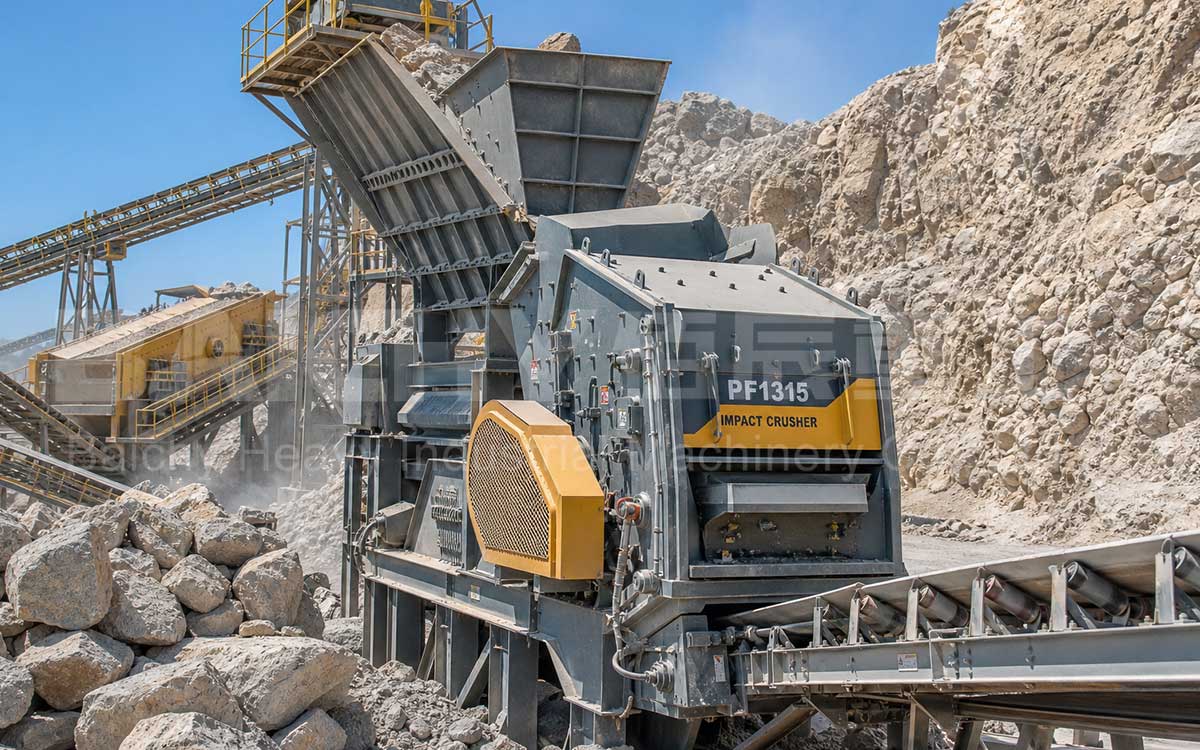
In the deep processing of gypsum (including natural gypsum and desulfurized gypsum), the pulverization process is crucial, transforming raw materials into fine powders that meet the requirements of various industries. A high-performance, stable gypsum grinding mill directly determines the fineness, output, and overall economic benefits of the final product. So, how can one make the wisest choice among the various types of equipment on the market?
I. Core Equipment Analysis: Mainstream Gypsum Pulverizer Types
Currently, the mainstream equipment used for gypsum pulverization and grinding includes the following types, each with its own application scenarios and advantages:
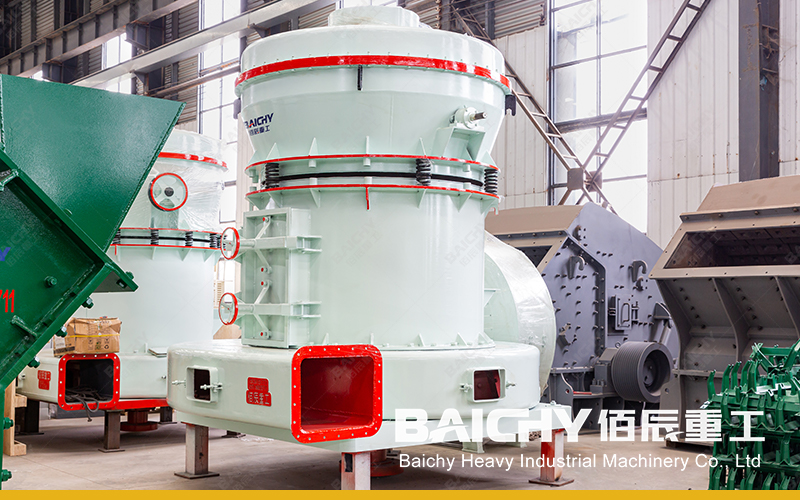
1. Raymond Mill (Pendulum Mill)
◦ Working Principle: Pulverizes gypsum using the principle of grinding rollers rolling and crushing within the inner ring of the grinding ring.
◦ Applicable Fineness: 80-600 mesh.
◦ Advantages: Mature technology, stable operation, and relatively low energy consumption, making it a classic choice for small- to medium-scale gypsum powder production. For ordinary building gypsum powder requiring a fineness of around 325 mesh, the Raymond mill offers excellent cost-effectiveness.
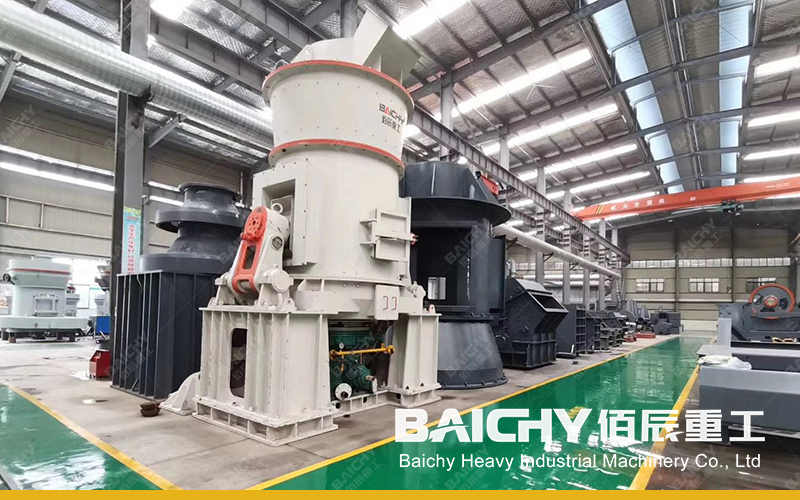
2. Vertical Grinding Mill (Vertical Mill)
◦ Working Principle: Materials are crushed and pulverized between the grinding disc and rollers, integrating drying, grinding, and powder classification into one unit.
◦ Applicable Fineness: 80-1000 mesh.
◦ Advantages: High production efficiency, low energy consumption (more energy-efficient than Raymond mill), small footprint, and excellent drying capacity, particularly suitable for processing desulfurized gypsum with slightly high moisture content. Suitable for large-scale, intensive gypsum powder production lines.
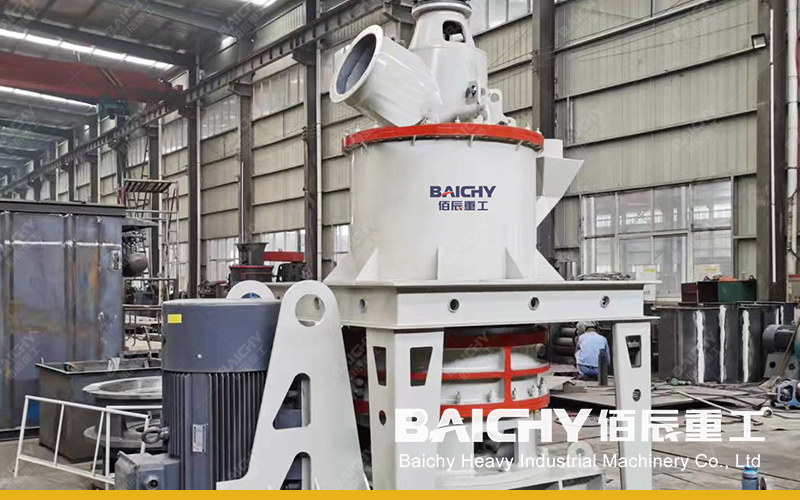
3. Ultrafine Vertical Grinding Mill
◦ Working Principle: Optimized grinding structure and classification system based on the vertical mill.
◦ Applicable Fineness: Up to 1000-2500 mesh and above.
◦ Advantages: Specifically designed for producing ultrafine, high-value-added gypsum powder, such as gypsum products used in high-end molds, food, and pharmaceutical fields. Product particle size distribution is concentrated, and purity is high.
II. How to Choose the Most Suitable Gypsum Pulverizer? Focus on these points:
• Finished product fineness requirements: This is the primary consideration. Clearly define the powder fineness (mesh size) required by your target market.
• Hourly/Annual production capacity: The equipment's production capacity must match your overall plan.
• Raw material characteristics: Pay attention to the raw material's hardness, moisture content (especially desulfurized gypsum), and feed particle size.
• Investment budget and operating costs: Comprehensively consider the equipment purchase cost and long-term energy consumption and maintenance costs.
Choosing the right gypsum grinding mill is the cornerstone of building an efficient and profitable gypsum production line. Whether choosing a technologically mature Raymond mill, a high-efficiency and energy-saving vertical mill, or an ultrafine mill focused on ultrafine grinding, the key is to accurately match it with your actual process requirements.
If you still have questions about selecting gypsum grinding equipment, please feel free to contact us. Our technical engineers will provide professional equipment selection solutions and technical support based on your specific needs.