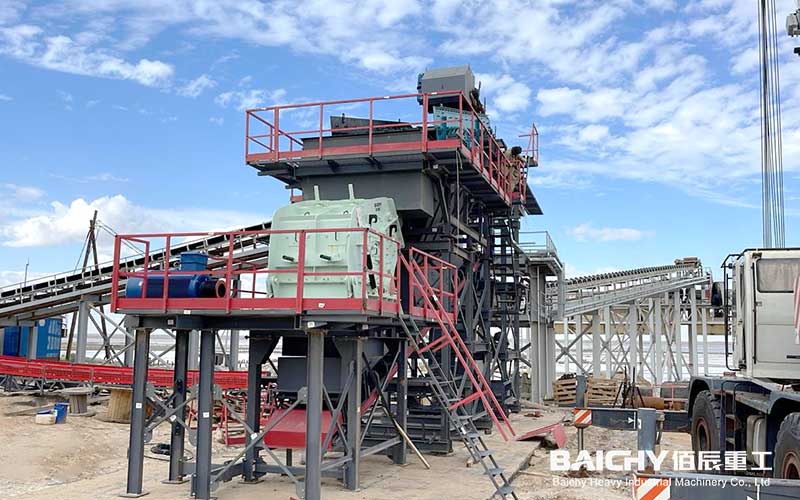
Introduction: Why are we still discussing stationary crushing plants in the age of mobile devices?
As a professional manufacturer of mobile crushing equipment for the mining industry, we understand the importance of "flexibility" and "easy relocation" for many projects. However, in the process of serving our global customers, we have discovered a key point: for large-scale, long-term, and high-intensity mining or aggregate production projects, a stationary crushing plant is often the foundation for greater cost-effectiveness and operational stability. Understanding its cost structure is the beginning of understanding long-term return on investment.
Comprehensive Cost Analysis of Stationary Crushing Plants
The "cost" of a stationary crushing plant is far more than just the equipment purchase price. It is a concept of total cost of ownership (TCO) over its entire lifecycle.
1. Initial Investment Costs (CAPEX)
This is the most intuitive cost, mainly including:
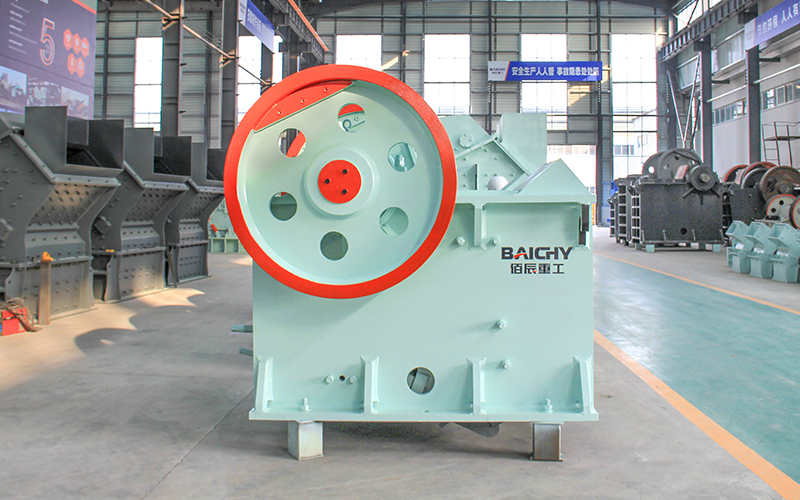
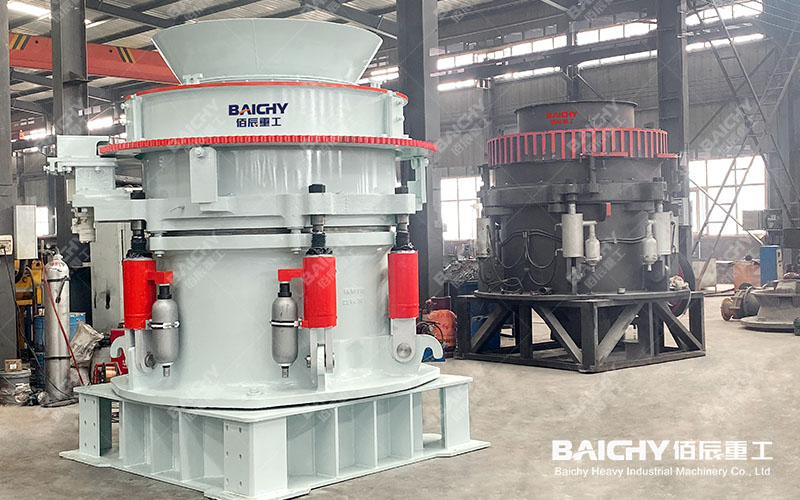
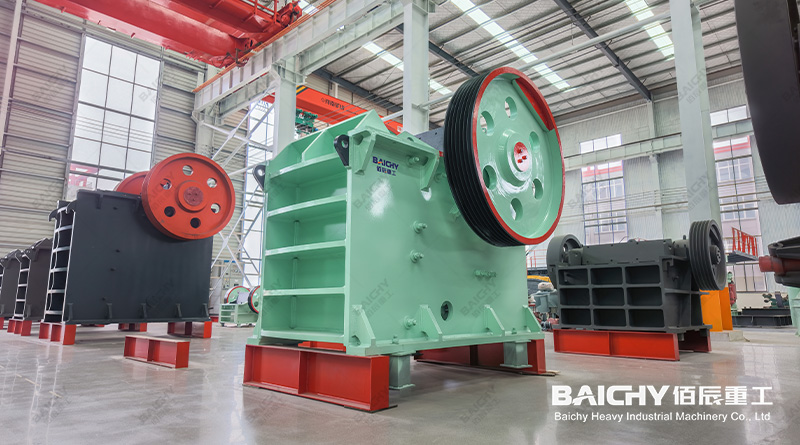
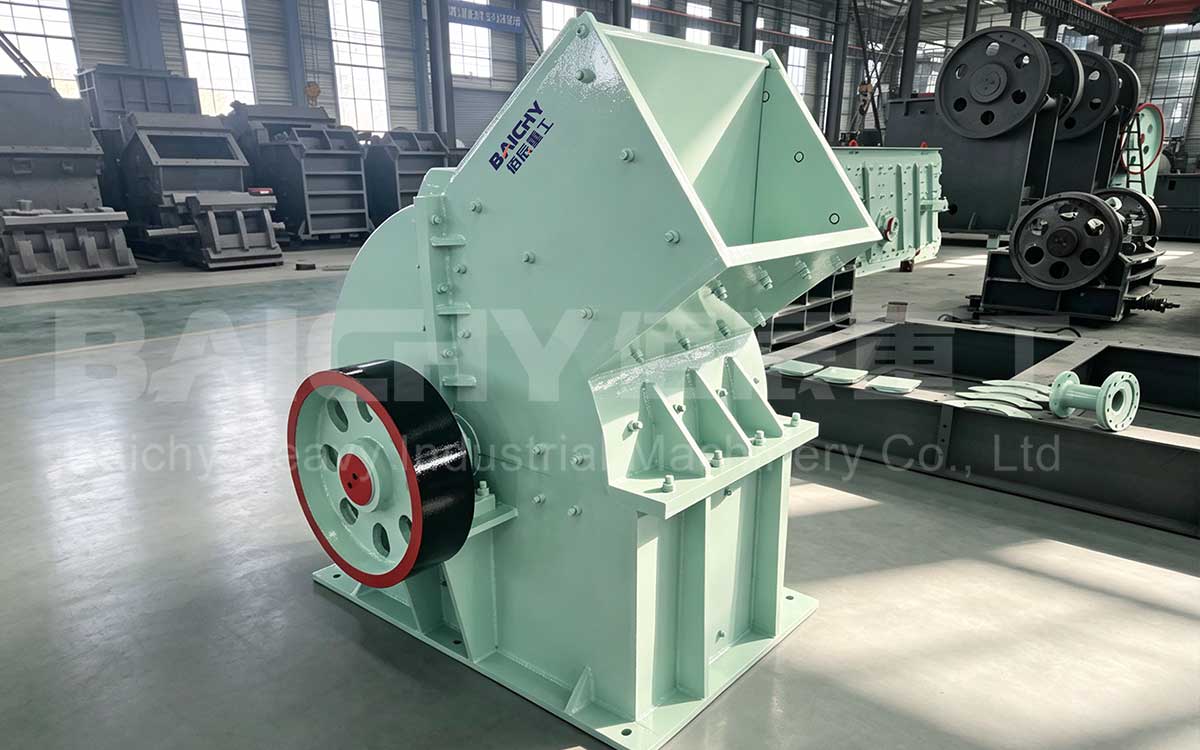
Core crushing and screening equipment costs: such as jaw crushers, cone crushers, impact crushers, sand making machines, vibrating screens, etc. Their model, brand, capacity, and configuration are the main determining factors.
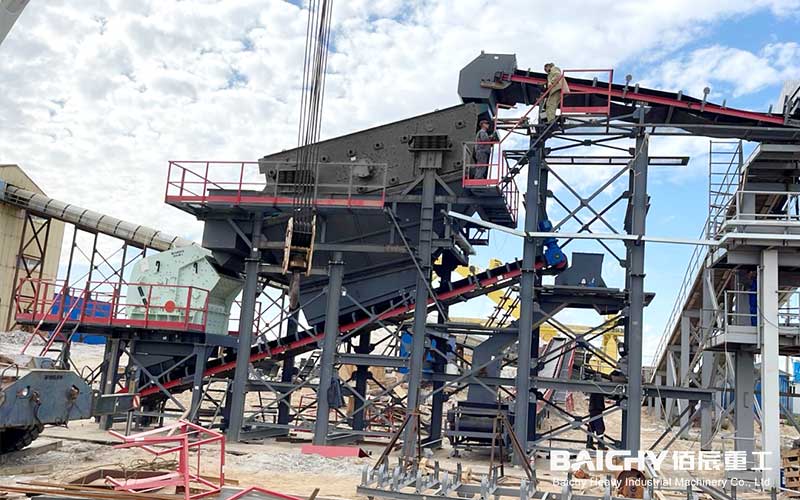
Steel structure and foundation costs: Stationary production lines require sturdy concrete foundations and supporting steel structures; these civil engineering and material costs cannot be ignored.
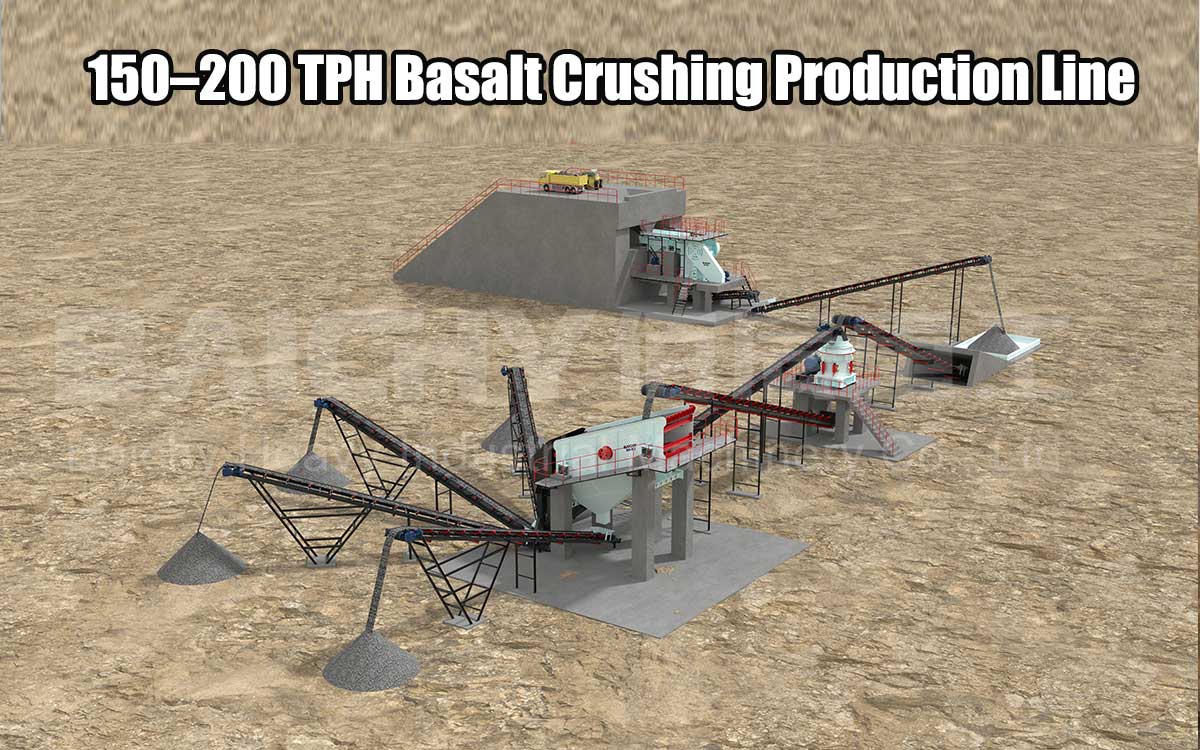
Conveyor system costs: The network of belt conveyors connecting each process section; its length, width, and complexity directly affect the cost.
Electrical and control system costs: Including motors, starter cabinets, PLC automation control systems, and cables.
Installation and commissioning costs: Involving on-site guidance from professional engineers, equipment hoisting, calibration, and trial operation.
2. Long-Term Operating Costs (OPEX)
This is key to measuring the economic efficiency of the production line, including:
Energy consumption costs: Stationary lines are usually connected to the power grid, and stable power consumption is a major operating expense.
Wear part replacement costs: Regular replacement of wear parts such as jaw plates, side plates, mantle liners, and hammerheads.
Maintenance and labor costs: Although highly automated, regular maintenance and inspection personnel are still required.
Plant and land costs: If it is an enclosed environmentally friendly factory, the cost of plant construction or leasing must also be considered.
Core Advantages of Stationary Production Lines: Why is it worth the long-term investment?
Compared to mobile crushing plants, fixed production lines offer significant advantages in specific scenarios:
Unparalleled production capacity and economies of scale: Designed for 24/7 continuous, high-intensity operation, single-line capacity can reach thousands of tons per hour, and the cost per ton decreases significantly with increasing scale.
Superior stability and reliability: Equipment is installed on a solid foundation, resulting in less vibration, smoother operation, lower equipment failure rate, and longer service life.
Better finished product quality and flexible processes: The multi-stage crushing and screening process is fixed and mature, allowing for easy control of product particle shape and gradation through fine-tuning, meeting the needs of the high-end aggregate market.
High degree of automation and low labor dependence: Easy to implement centralized control systems, reducing on-site operators and improving production safety and efficiency.
Easier implementation of environmental protection measures: Facilitates the integration of enclosed plant buildings, dust collectors, and spraying systems to meet strict environmental requirements.
| Key Words |
Is a Stationary Rock Crusher Plant Still a Cost-Effective Choice for Your Large Quarry? Find Out the Real ROI. |
| Product Model |
Stone Crushing Plant |
| Capacity |
0-2000t/h |
| Core Advantages |
Multi-stage fragmentation and reshaping |
| Brand |
Baichy Heavy Industry |
| Packing |
Standard containers,Nude Packing,Wooden boxes, etc |
| Installation |
Engineer Guide |
| Factory visit |
Welcomed Warmly |
| Export Countries |
Southeast Asia, Central Asia, South America, North America, Africa |
| Payment |
T/T,L/C payment,Paypal...etc |
| Please note: The above table data is for reference only. For specific information, please contact us. |
Case Study: A Classic Cost-Benefit Trade-off
Case: A large granite quarry in Southeast Asia with an annual production capacity requirement of 3 million tons.
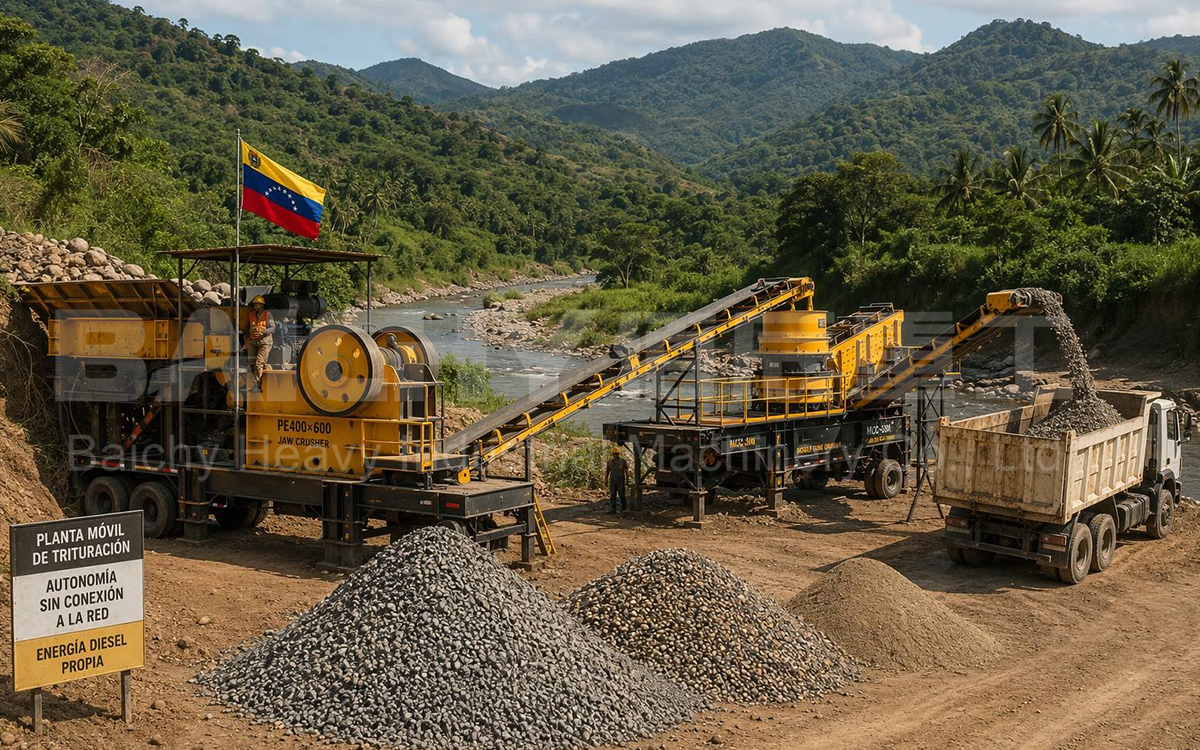
Solution A: Using only mobile crushing plant units. Initial equipment investment is relatively low, and relocation is flexible. However, in the long run, energy consumption and maintenance costs per ton are higher, and it is difficult to achieve the highest quality particle shape control, resulting in lower product premiums.
Solution B: Building a fixed production line of "jaw crusher + cone crusher + sand making machine". Initial investment is higher (especially for infrastructure), but after commissioning, operation is stable, production capacity meets the target, and the price of high-quality aggregates produced is 15% higher. Within 18 months, the higher product profit offset the initial investment difference compared to Solution A, and subsequently entered a long-term period of profitability advantage.
Our Professional Recommendation: How to Plan Your Production Line?
Even as a mobile equipment manufacturer, we maintain an objective stance to provide customers with the best solutions:
Evaluate the project lifecycle: If the mine's service life is greater than 3-5 years, a fixed or "fixed + mobile" combination solution is usually more economical.
Phased investment: You can first plan a fixed main crushing line (such as jaw crusher + cone crusher), and for work faces far from the main line or for flexible material supply, use our mobile crushing plants as front-end feeding or auxiliary crushing units to achieve a perfect combination of flexibility and economy.
Emphasis on Process Design: Conducting professional ore lithology analysis and process design before investment is crucial to avoiding over- or under-capacity issues and is a key step in controlling costs.
Frequently Asked Questions (FAQ) about the Cost of Stationary Crushing Production Lines
1. How long is the typical return on investment period for a stationary production line?
This depends on raw material characteristics, product prices, capacity utilization, and operational efficiency. In well-managed large-scale aggregate projects, the entire investment can usually be recovered within 1.5 to 3 years. High-quality equipment, reasonable processes, and efficient management are key to shortening the return period.
2. Are stationary lines completely immobile?
Not entirely. Modern modularly designed stationary production lines have main units and modules that can be disassembled, transported to a new site, and reassembled after the project is completed. However, this process is more time-consuming and labor-intensive compared to mobile crushing plants. We recommend considering the residual value of the equipment and the possibility of future relocation during the planning stage.
3. As a mobile crushing equipment supplier, why do you also recommend stationary lines?
Our mission is to provide our customers with the most valuable overall solutions. We firmly believe that the right equipment should be placed in the right process stage. For long-term, large-scale production cores, stationary lines offer a cost advantage; for side-hill mining, dispersed material points, or tasks requiring frequent relocation, our mobile equipment is an excellent choice. This "stationary-based, mobile-assisted" hybrid layout is often the standard for top-tier mines.
About of Baichy Heavy Industry
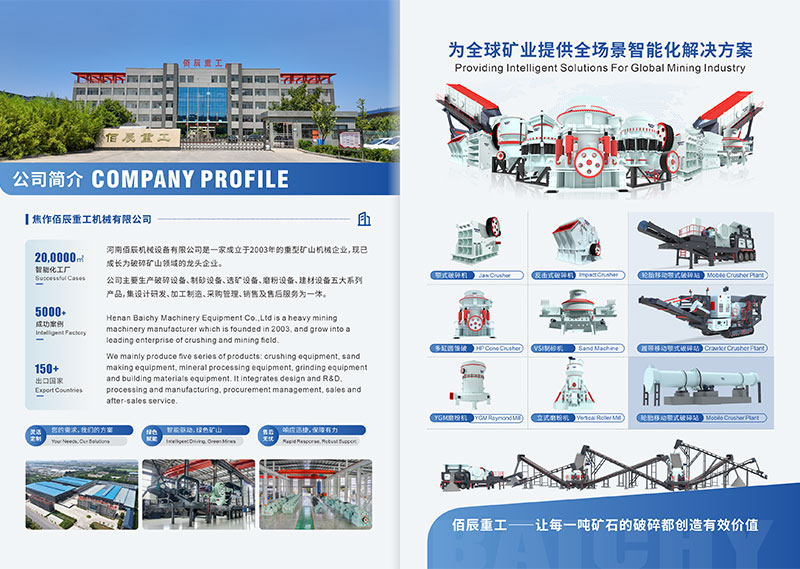
Baichy Heavy Industry is a high-tech mining equipment company integrating R&D, manufacturing, sales, and after-sales service. Focusing on crushing, grinding, and mineral processing equipment, we provide professional solutions to our customers. We are ISO9001:2015 、certified, and our products include mobile crushing palnts, crawler crushing plant, construction waste crushing plants, jaw crushers, sand making machines, cone crushers, fine crushers, grinding mills, ball mills, etc., all with reliable performance to meet diverse project needs.
Our advantages:
• Professional pre-sales support: Free project design and comprehensive solutions to help you accurately select the right equipment;
• Comprehensive on-site service: Providing installation guidance and worker training to ensure smooth equipment commissioning;
• Reliable after-sales guarantee: A complete after-sales system, timely response to technical inquiries and equipment maintenance, ensuring long-term stable operation.
To protect your rights, please contact us through the following official channels for professional service:
Official Website Customer Service
WhatsApp: 0086-15093222637
Email: [email protected]
We are committed to providing high-quality equipment and full-cycle services to deliver comprehensive intelligent solutions for the global mining industry!