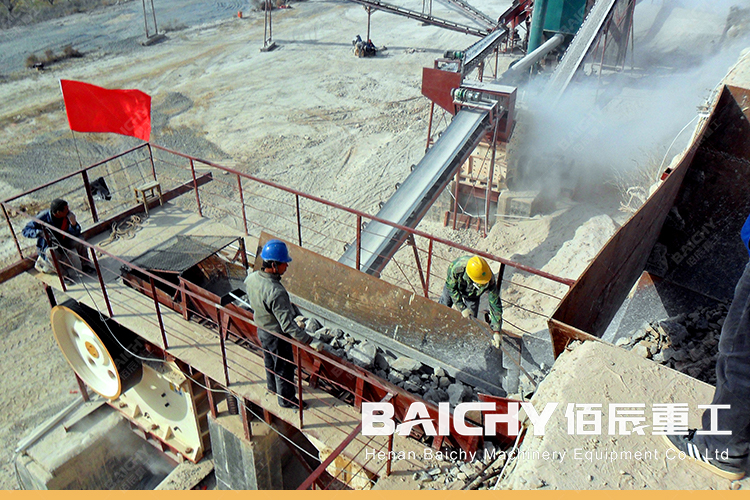
In today's booming infrastructure construction, sand and gravel aggregates, as the "skeleton" of concrete, are crucial in terms of quality and supply. Among numerous raw materials, limestone, with its moderate hardness, wide distribution, and ease of mining and processing, has become an ideal choice for producing high-quality sand and gravel aggregates. A scientifically designed and rationally configured limestone aggregate processing and crushing production line is the core to ensuring aggregate output, particle shape, and cleanliness.
So, how is an efficient, environmentally friendly, and profitable limestone processing production line constructed? This article will take you on an in-depth exploration.
I. Core Process Flow: Step-by-Step Success
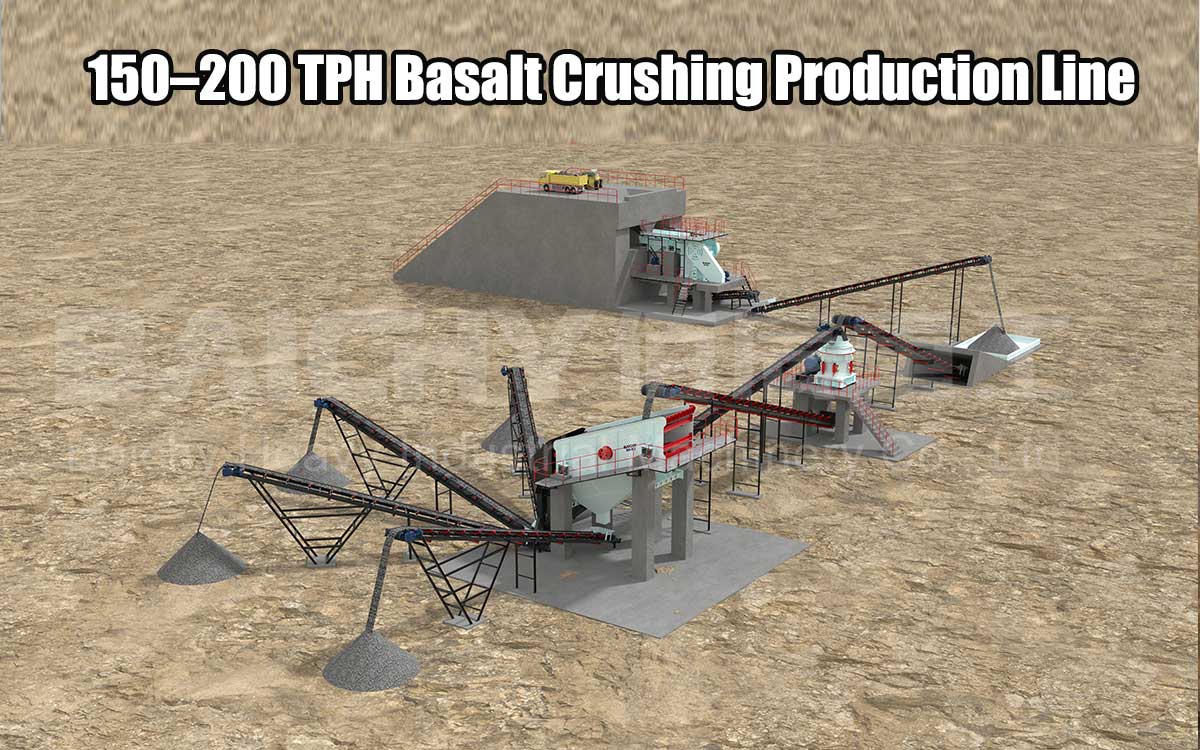
A standard limestone aggregate production line typically includes the following key stages:
1. Coarse Crushing Stage – "Pioneer Breakthrough"
◦ Task: To perform the first crushing of large pieces of limestone (particle size can reach hundreds or even thousands of millimeters) after blasting, reducing them to below 300mm.
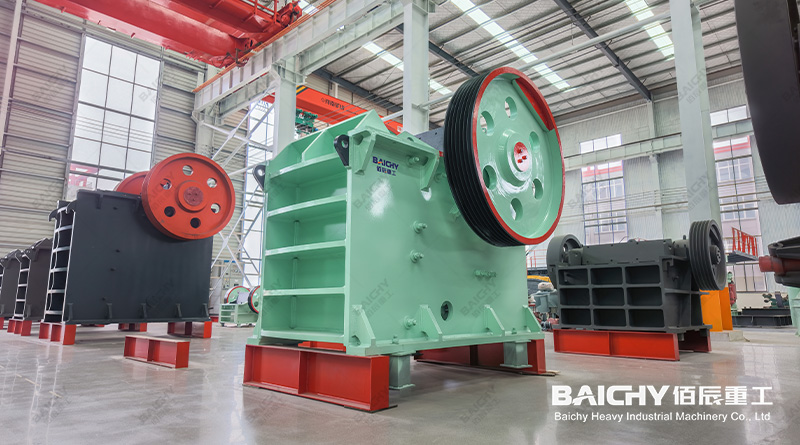
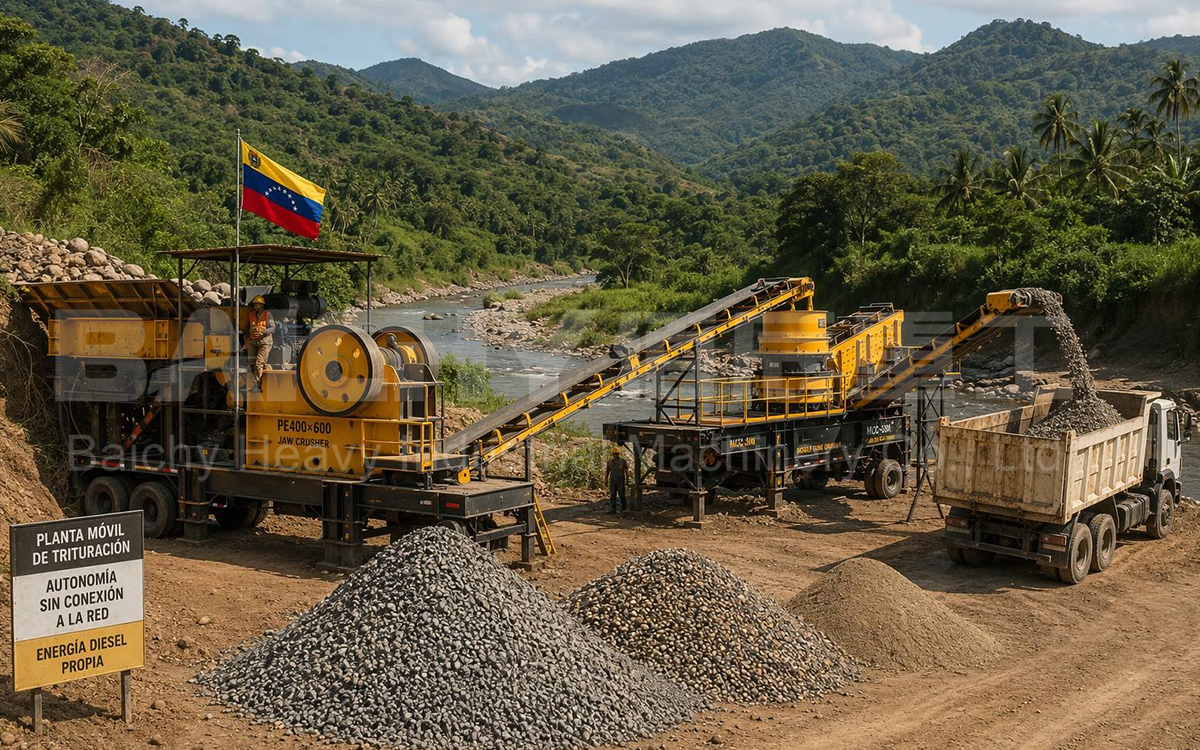
◦ Core Equipment: Jaw Crusher. It is the "throat" of the production line, renowned for its robust structure, large processing capacity, and high crushing ratio. It can easily handle large materials, laying the foundation for subsequent processes.
2. Medium and Fine Crushing Stage – “Refined Processing”
◦ Task: To further crush the coarsely crushed material to a particle size of less than 60mm, producing finished aggregates of the required specifications.
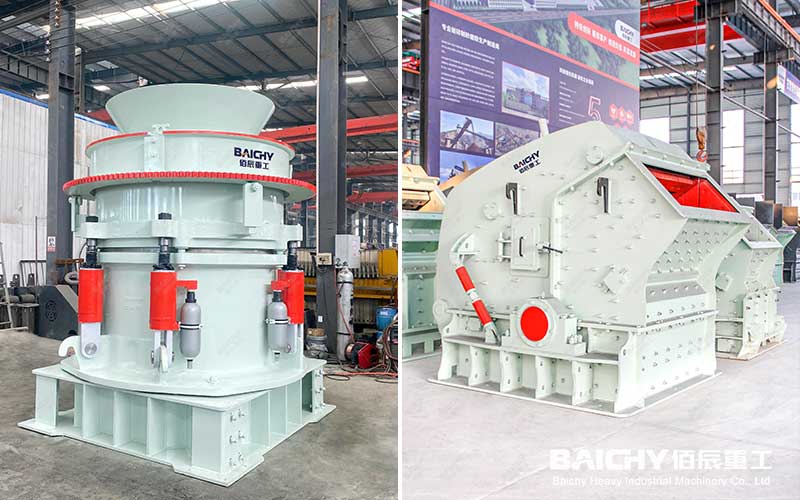
◦ Core Equipment:
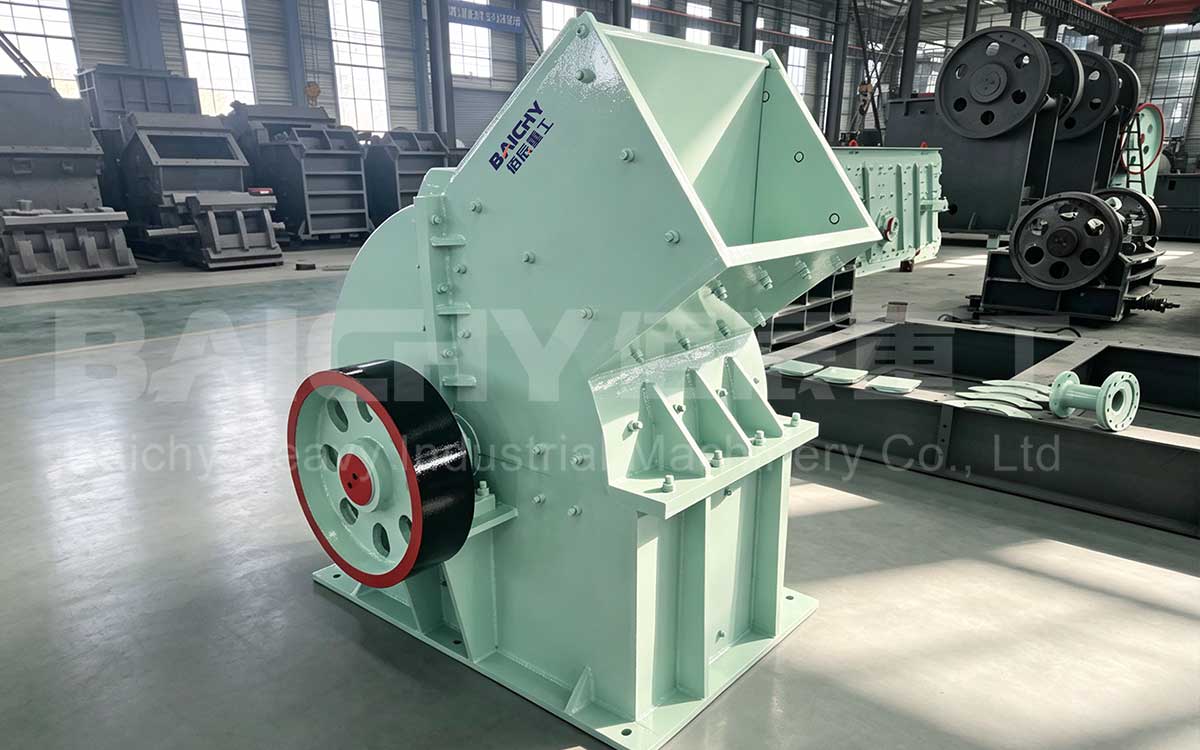
▪ Impact Crusher: Excels at crushing materials of medium to low hardness, producing cubic particles of excellent quality, making it an ideal choice for producing high-grade concrete aggregates.
▪ Cone Crusher: Suitable for materials with high hardness or strong abrasiveness. Employs a layered crushing principle, resulting in long wear-resistant parts life and relatively low operating costs, but the finished particle shape may be slightly inferior to that of an impact crusher.
3. Screening Stage – “Places in the Right Place”
◦ Task: To pass the crushed mixture through a vibrating screen and classify it according to different specifications (e.g., 0-5mm, 5-10mm, 10-20mm, 20-31.5mm, etc.).
◦ Key Point: Screening is the core to ensuring accurate finished product specifications. Large, substandard particles are returned to the medium and fine crushing equipment for further crushing (forming a closed-loop cycle) to ensure production efficiency and yield.
4. Auxiliary and Environmental Protection Aspects – “Green and Intelligent”
◦ Feeding: A vibrating feeder uniformly and continuously feeds material to the coarse crushing equipment, preventing blockages and protecting the equipment.
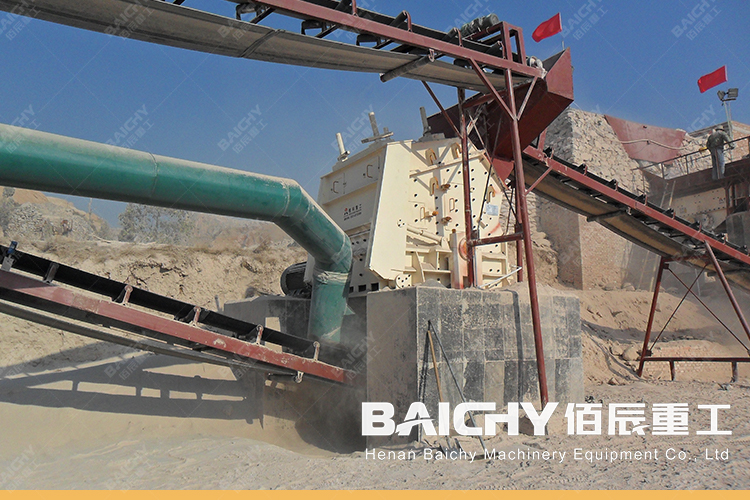
◦ Conveying: Belt conveyors connect each process, forming a complete material flow.
◦ Dust Removal: Pulse jet bag filters are installed at dust-generating points such as crushing, screening, and material discharge points. This is standard equipment in modern green mines, ensuring production meets environmental protection requirements.
II. How to Scientifically Configure Production Line Equipment?
There is no single solution for equipment selection; it requires comprehensive consideration based on specific conditions:
• Based on raw material characteristics: The silicon content, moisture content, and feed particle size of limestone directly affect equipment selection. For high hardness and abrasiveness, a cone crusher is preferred; for optimal particle shape, an impact crusher is better.
• Based on output requirements: The equipment models and layouts for a production line with an hourly output of 100 tons are vastly different from those for a production line with an hourly output of 1000 tons.
• Based on finished product requirements: If both crushed stone and manufactured sand need to be produced simultaneously, a sand making machine (vertical shaft impact crusher) is required for shaping and sand production.
• Based on investment budget: Balancing the initial investment in equipment with long-term operation and maintenance costs while meeting production requirements.
III. Key Considerations for Investing in a Limestone Crushing Production Line
1. Site Planning: The production line layout should be compact and reasonable, reducing material transfer distances and lowering energy consumption and civil engineering costs.
2. Environmental Compliance: It is essential to understand local environmental policies in advance and have comprehensive solutions for noise, dust, and wastewater treatment.
3. Automation Level: Adopting a PLC central control system enables one-button start/stop, fault alarms, and remote monitoring, significantly saving manpower and improving operational stability and safety.
4. After-Sales Service: When selecting an equipment supplier, their ability to provide after-sales support such as installation guidance, technical training, and spare parts supply is crucial.
IV. Future Development Trends
Future limestone aggregate processing production lines will place greater emphasis on "green, intelligent, and efficient" practices:
• Green: Utilizing fully enclosed workshops, dry dust removal processes, wastewater recycling systems, and mine revegetation.
• Intelligent: Real-time monitoring of equipment operation status and optimization of production parameters through sensors and IoT technology, enabling predictive maintenance.
• Comprehensive Resource Utilization: Recycling and utilizing waste materials such as stone powder generated during crushing to produce non-fired bricks, desulfurizing agents, etc., achieving a win-win situation for both economic and environmental benefits.
A well-designed limestone aggregate processing and crushing production line is not only a guarantee of sand and gravel quality but also the cornerstone for investors to obtain long-term returns. From initial planning and equipment selection to installation and operation, every step requires scientific rigor. Choosing an experienced partner to tailor the most economical and efficient solution for you is key to project success.
If you are planning to invest in a limestone aggregate processing project, please feel free to contact us. Our technical experts will provide free on-site surveys and personalized production line configuration solutions based on your specific needs!