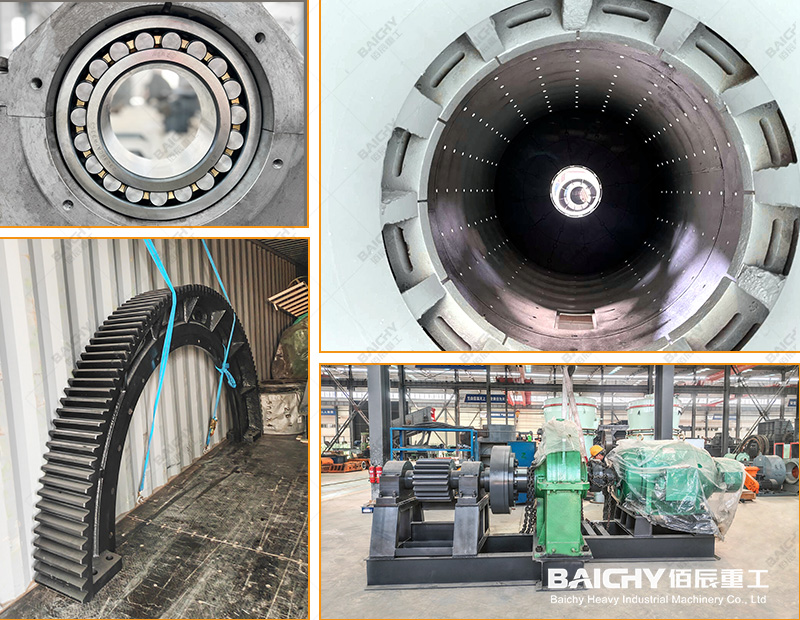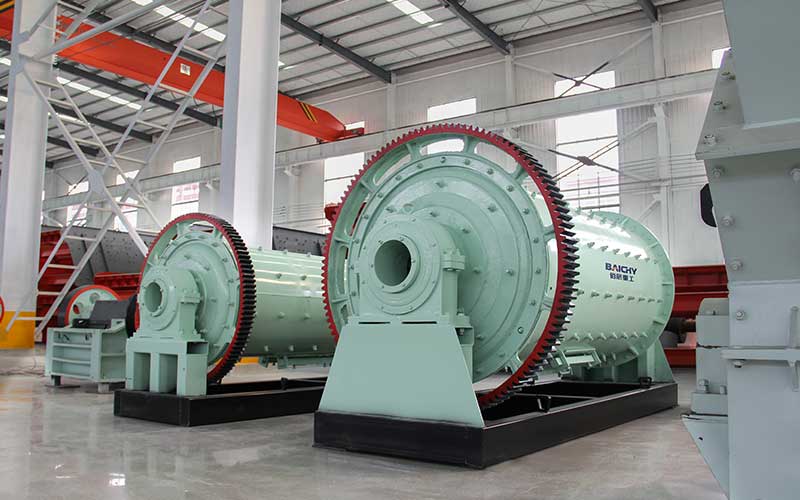
Wet Ball Mill
Introduction
In the entire process of mining crushing and grinding, grinding is the crucial link connecting coarse crushing and concentrate separation. As a professional manufacturer of mobile crushing equipment for mines, we not only focus on front-end mobile crushing solutions but also deeply understand the choices involved in the subsequent grinding process. Customers often face a core question: which is more suitable for my project, dry grinding or wet grinding? This article will provide you with a comprehensive decision-making guide, covering principles, comparisons, applications, and selection criteria.
Overview of Dry Grinding and Wet Grinding Technologies
Dry grinding and wet grinding are two material fine grinding technologies based on different media environments. The core difference lies in whether a liquid medium is used during the grinding process.
Dry grinding: In a completely dry cylinder, the material is crushed by the direct impact and grinding of grinding balls. The material is discharged through airflow or mechanical means, and the system requires a high-efficiency dust removal device.
Wet grinding: Water or other liquids are added to the cylinder. The material is mixed with the liquid to form a slurry, which is then ground and dispersed with the participation of the liquid medium. The slurry is naturally discharged through flow, making it easy to form a closed circuit with classification equipment.
Core Comparative Analysis: Advantages, Disadvantages, and Application Scenarios
Choosing between dry grinding and wet grinding is not a simple matter of judging advantages and disadvantages, but rather a comprehensive decision based on ore characteristics, subsequent processes, geographical location, and environmental requirements.
Applicable Scenarios and Advantages of Wet Grinding
Wet grinding is the mainstream choice for processing most metal ores and many non-metallic minerals.
Advantages:
High grinding efficiency and uniform particle size: The liquid medium helps reduce material adhesion, carries away fine particles, reduces over-grinding, and results in a more concentrated product particle size distribution.
Dust-free and environmentally friendly: Completely eliminates dust pollution, resulting in a superior working environment.
Smooth process connection: The resulting slurry can be directly pumped to subsequent flotation, leaching, and other wet metallurgical operations without additional pulping.
Insensitive to material moisture: Can handle raw materials with slightly higher moisture content.
Disadvantages:
Energy consumption is associated with the transportation of the grinding medium (water) and the pumping of the slurry.
Application is limited in areas with extreme water scarcity. Equipment wear (especially the combination of corrosion and abrasion) may require more specialized materials.
Typical applications: Pre-grinding for flotation of metal ores such as copper, gold, iron, lead-zinc; ultra-fine wet processing of non-metallic minerals such as kaolin and quartz sand.
Applicable Scenarios and Advantages of Dry Ball Milling
Dry ball milling has irreplaceable value in specific scenarios.
Advantages:
No water required: Ideal for arid, water-scarce, or cold regions.
Product is dry powder: Suitable for processes that require dry powder, such as dry magnetic separation, cement production, and dry building material preparation.
Potentially lower investment and operating costs: Eliminates dewatering, drying, and related equipment.
Disadvantages:
High dust control requirements: Requires complex and efficient dust removal systems, increasing investment and operating costs.
Material adhesion: Poor adaptability to wet, sticky materials, easily leading to reduced grinding efficiency and pipeline blockage.
Slightly higher risk of over-grinding: Fine powder is not easily discharged in time and may be repeatedly ground.
Typical applications: Cement clinker grinding, coal powder preparation, dry processing of certain non-metallic minerals (such as calcite) in arid regions, and materials prepared for subsequent dry separation.
| Key Words |
1 t/h 900x1800 Small Ball Mill |
| Product Model |
Wet Ball Mill |
| Feed Size |
≤25mm |
| Motor Power |
18.5-4500kw |
| Capacity |
0.65-615t/h |
| Core Functions |
Grinding precision and particle size controllability |
| Brand |
Baichy Heavy Industry |
| Packing |
Standard containers,Nude Packing,Wooden boxes, etc |
| Installation |
Engineer Guide |
| Factory visit |
Welcomed Warmly |
| Export Countries |
Southeast Asia, Central Asia, South America, North America, Africa |
| Payment |
T/T,L/C payment,Paypal...etc |
| Please note: The above table data is for reference only. For specific information, please contact us. |
System Recommendations from Crushing to Grinding
An efficient mineral processing plant begins with a well-designed crushing and grinding system. We recommend a modular approach of "mobile crushing + optimized grinding":
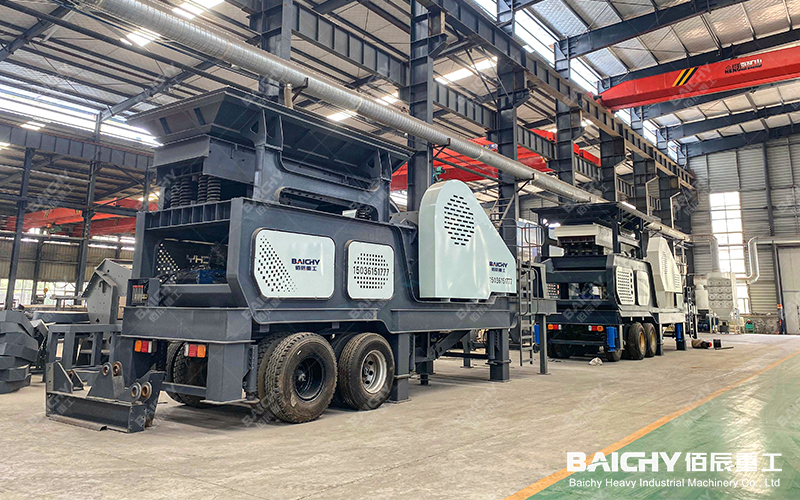
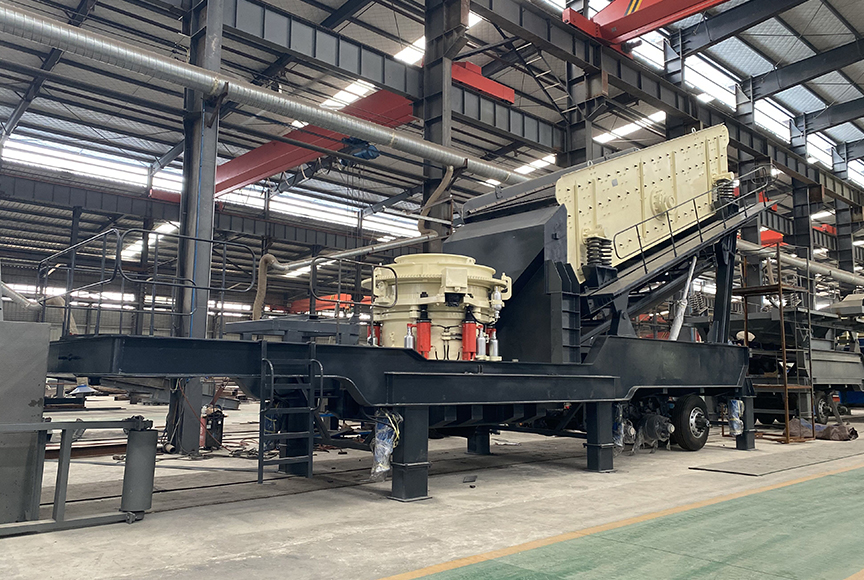
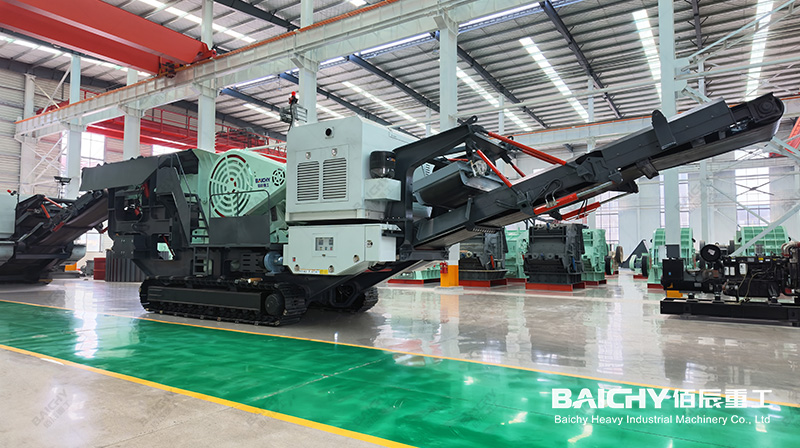
Front end: Use our mobile jaw crushers and mobile cone crushers for coarse and medium crushing near the mining site to produce uniformly sized, qualified mill feed. This significantly reduces material transportation costs and provides stable conditions for downstream grinding.
Back end selection: Determine the dry or wet ball milling system based on the above analysis. We can collaborate with high-quality mill manufacturers to provide you with a coherent solution from mobile crushing to fixed/semi-mobile grinding stations, ensuring system capacity matching and efficient operation.
Mobile Jaw Crusher
Mobile Cone Crusher
Frequently Asked Questions (FAQ)
Q1: If my ore requires wet flotation but the local area is extremely water-scarce, are there any solutions?
A1: This is a challenge. The usual compromise is to use dry ball milling to grind the ore to a coarser particle size, then perform dry pre-concentration (such as magnetic separation or gravity separation) to remove tailings, and transport a small amount of high-grade concentrate to a water-rich area for further grinding and flotation. Another cutting-edge approach is to research the use of other liquid media or maximize water recycling, but this requires detailed technical and economic feasibility studies.
Q2: Is it difficult to switch from dry ball milling to wet ball milling (or vice versa)?
A2: The conversion project is extensive and generally not recommended. This is because the two methods differ significantly in structure (e.g., discharge method, liner design), supporting equipment (dust removal vs. classification and pumping), and plant foundation design. The process route should be determined during the project feasibility study phase based on the ore properties and product plan.
Q3: How can I initially determine which process to choose?
A3: You can follow the following decision logic tree for initial assessment:
What is the subsequent process? → If it's flotation or wet leaching, prioritize wet milling; if it's dry separation or requires dry powder directly, prioritize dry milling.
What are the physical properties of the ore? → If the ore is sticky, wet, and prone to mud formation, prioritize wet milling; if the ore is very dry, prioritize dry milling.
Geographic location and environmental requirements? → If water resources are abundant and environmental regulations are strict, wet milling has a greater advantage; if there is a severe water shortage, dry milling must be carefully evaluated.
The final decision must be based on detailed ore amenability tests and economic benefit analysis.
About of Baichy Heavy Industry
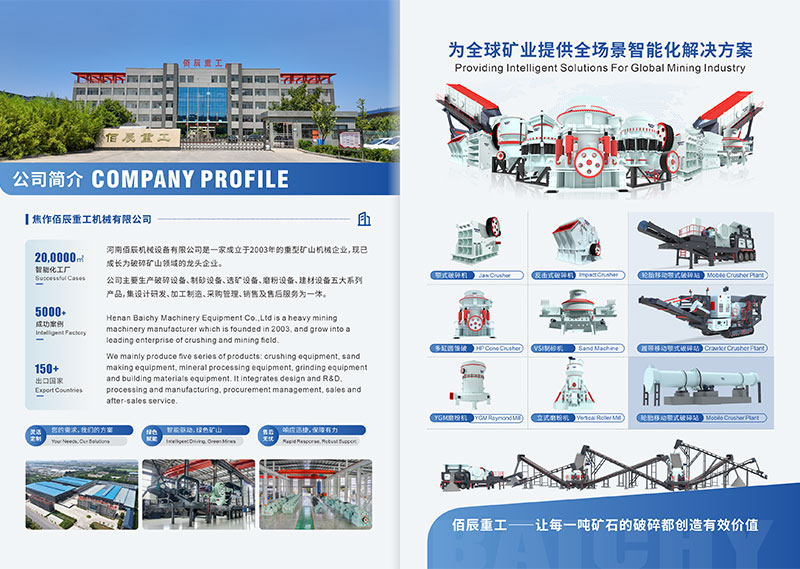
Baichy Heavy Industry is a high-tech mining equipment company integrating R&D, manufacturing, sales, and after-sales service. Focusing on crushing, grinding, and mineral processing equipment, we provide professional solutions to our customers. We are ISO9001:2015 、certified, and our products include mobile crushing palnts, crawler crushing plant, construction waste crushing plants, jaw crushers, sand making machines, cone crushers, fine crushers, grinding mills, ball mills, etc., all with reliable performance to meet diverse project needs.
Our advantages:
• Professional pre-sales support: Free project design and comprehensive solutions to help you accurately select the right equipment;
• Comprehensive on-site service: Providing installation guidance and worker training to ensure smooth equipment commissioning;
• Reliable after-sales guarantee: A complete after-sales system, timely response to technical inquiries and equipment maintenance, ensuring long-term stable operation.
To protect your rights, please contact us through the following official channels for professional service:
Official Website Customer Service
WhatsApp: 0086-15093222637
Email: [email protected]
We are committed to providing high-quality equipment and full-cycle services to deliver comprehensive intelligent solutions for the global mining industry!