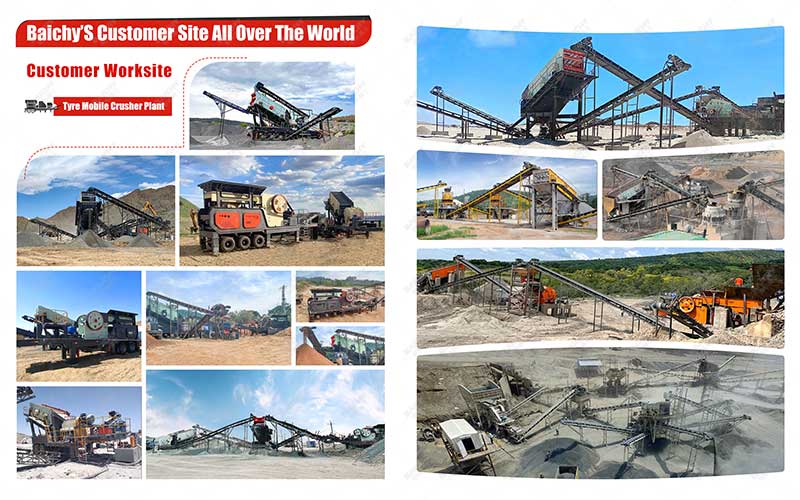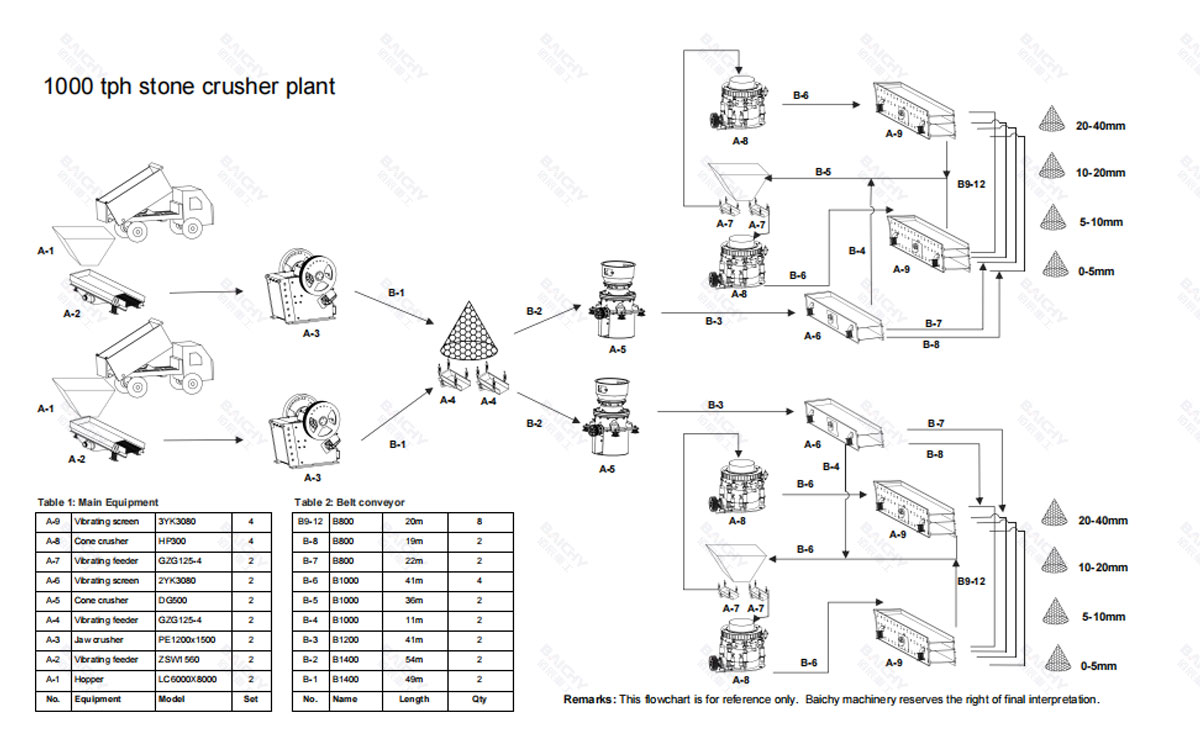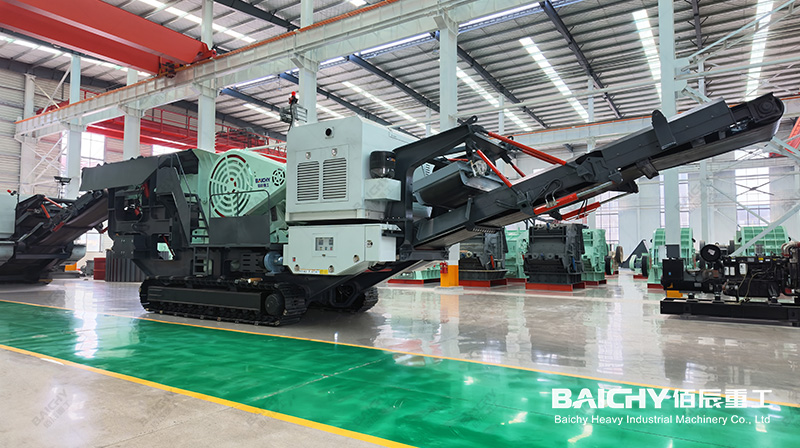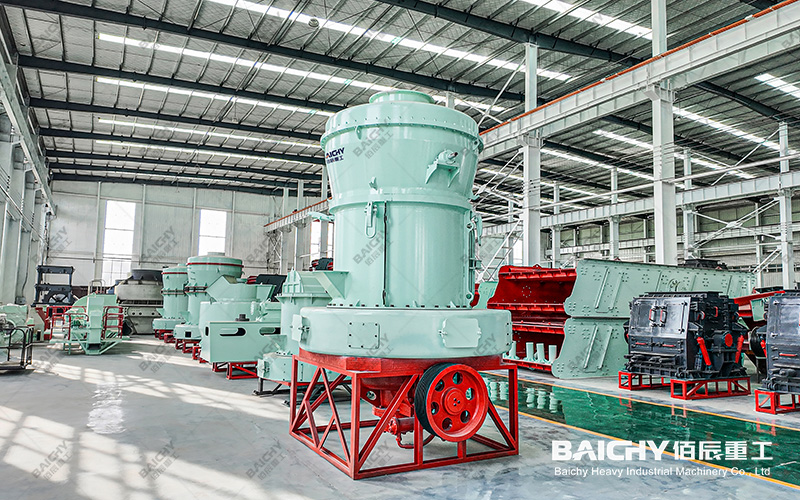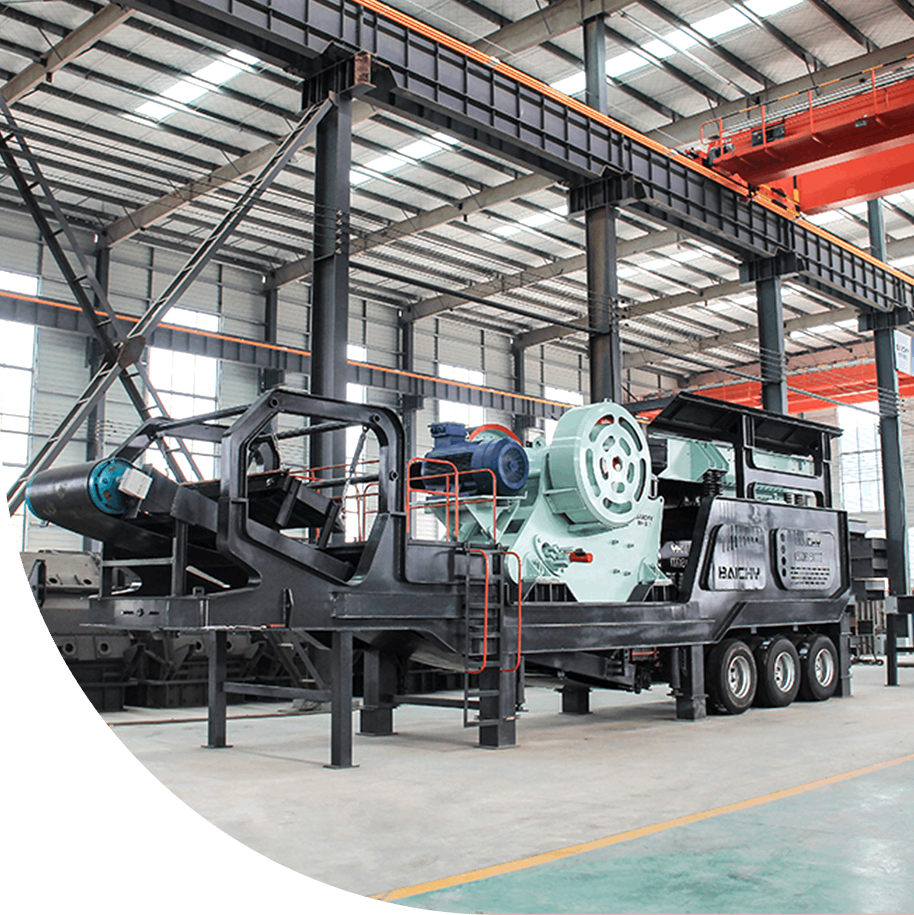


In the field of sand and gravel aggregate production, the crushing process is the core factor determining the quality, particle shape, and production cost of the finished product. A suitable stone crusher is the "heart" of the entire aggregate processing production line. Faced with a dazzling array of crushing equipment on the market, how do you make the best choice? This article will provide a comprehensive analysis.
I. Understanding the Core of Aggregate Processing: Stone Crusher
A stone crusher, as the name suggests, is a mechanical device that crushes large stones into aggregates of the required specifications through compression, impact, and grinding. It is not only an essential piece of equipment in mining but also a crucial link in aggregate processing for infrastructure construction such as bridges, highways, and buildings.
II. Mainstream Crushing Equipment Types and Applicable Scenarios
Different crushers are suitable for different crushing stages and material characteristics.
Common types include:
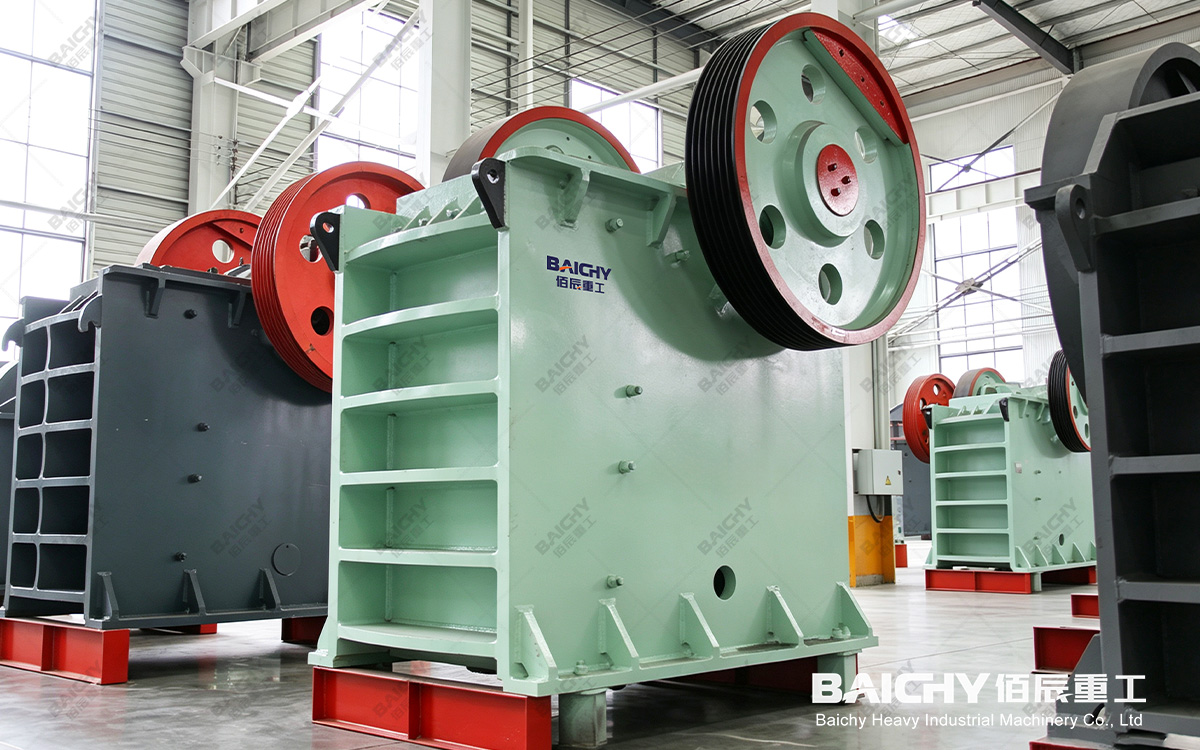
1. Jaw Crusher (Coarse Crushing): As the "main force" of primary crushing, it is known for its simple structure, reliable operation, and large processing capacity. It is suitable for coarse crushing of various ores and large materials with a compressive strength not exceeding 320MPa.
2. Cone Crusher (Medium and Fine Crushing): Suitable for medium and fine crushing of ores with medium to high hardness. Utilizes the principle of layered crushing, resulting in good finished product particle shape, long wear part life, and high production efficiency; however, equipment investment and maintenance costs are relatively high.
3. Impact Crusher (Medium and Fine Crushing): Utilizes impact energy to crush materials, producing cubic finished particles of excellent quality. Ideal for applications in highway and construction industries where high aggregate particle shape is required. Suitable for crushing brittle materials with medium to low hardness.
4. Impact Crusher (Sand Making Machine): Designed specifically for artificial sand making and stone shaping, it is a key piece of equipment for producing high-performance concrete aggregates, enabling the conversion between "stone-on-stone" and "stone-on-iron" working principles.
III. How to Select High-Efficiency and Durable Aggregate Processing Equipment?
When purchasing a crusher, price should not be the sole consideration; the following factors should be taken into account:
• Material Characteristics: Clearly define the hardness, moisture content, mud content, and feed particle size of the material to be crushed.
• Capacity Requirements: Determine the required hourly output based on the production scale.
• Finished Product Requirements: What are the specific standards for output particle size and shape? (Different requirements apply to commercial concrete or asphalt mixing plants.)
• Investment Budget: Balance the initial purchase cost of the equipment with long-term operation, maintenance, and energy costs.
• Manufacturer Strength: Choose a reputable manufacturer with mature technology and comprehensive after-sales service to ensure stable equipment operation and timely spare parts supply.
Choosing the right stone crusher is the cornerstone of a successful and profitable aggregate processing project. Only by fully understanding your own needs and the characteristics of various equipment can you make the wisest decision. XX Machinery, as a professional crushing and screening equipment manufacturer, can provide you with customized solutions from single machines to complete production lines. Welcome to contact us at any time, and let our professional experience create greater value for you!