



The Complete YGM95 Gypsum Grinding Production Process Flow
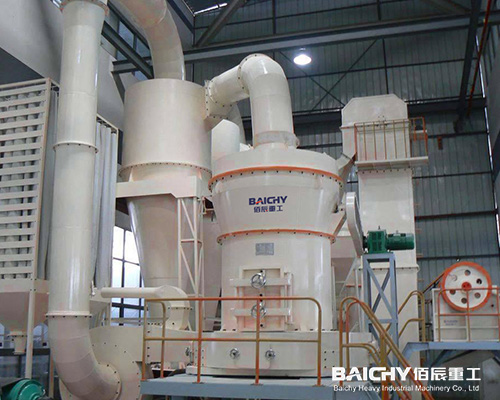
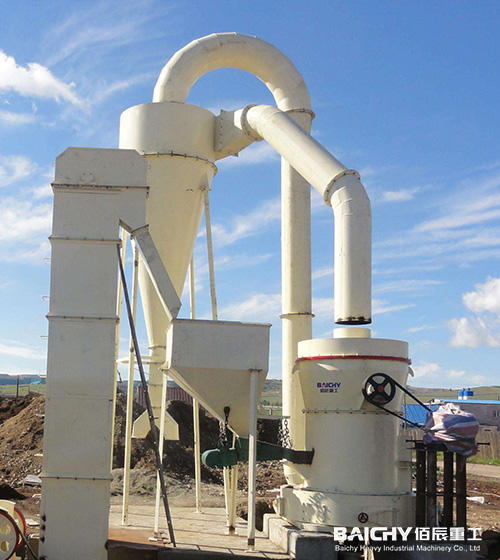
An efficient and eco-friendly gypsum powder production line requires not only a high-quality grinding mill but also a scientifically sound and rational system configuration. Outlined below is a detailed breakdown of the standard process flow:
Step 1: Primary Crushing
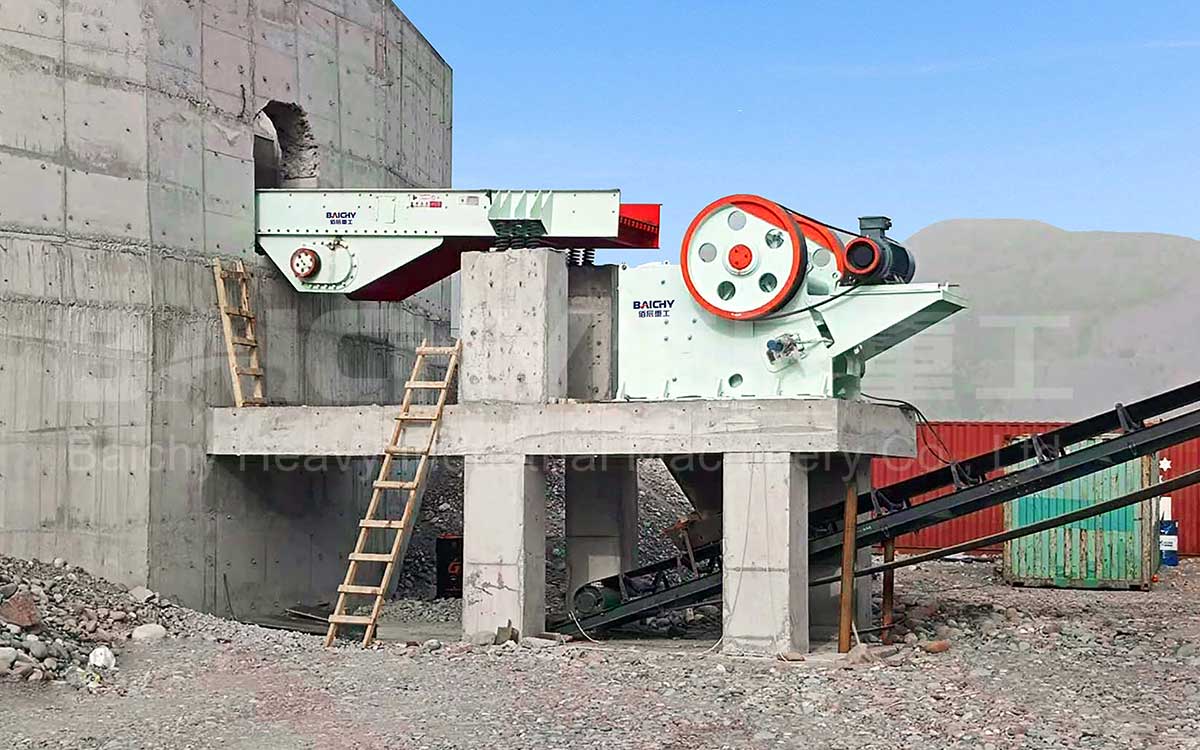
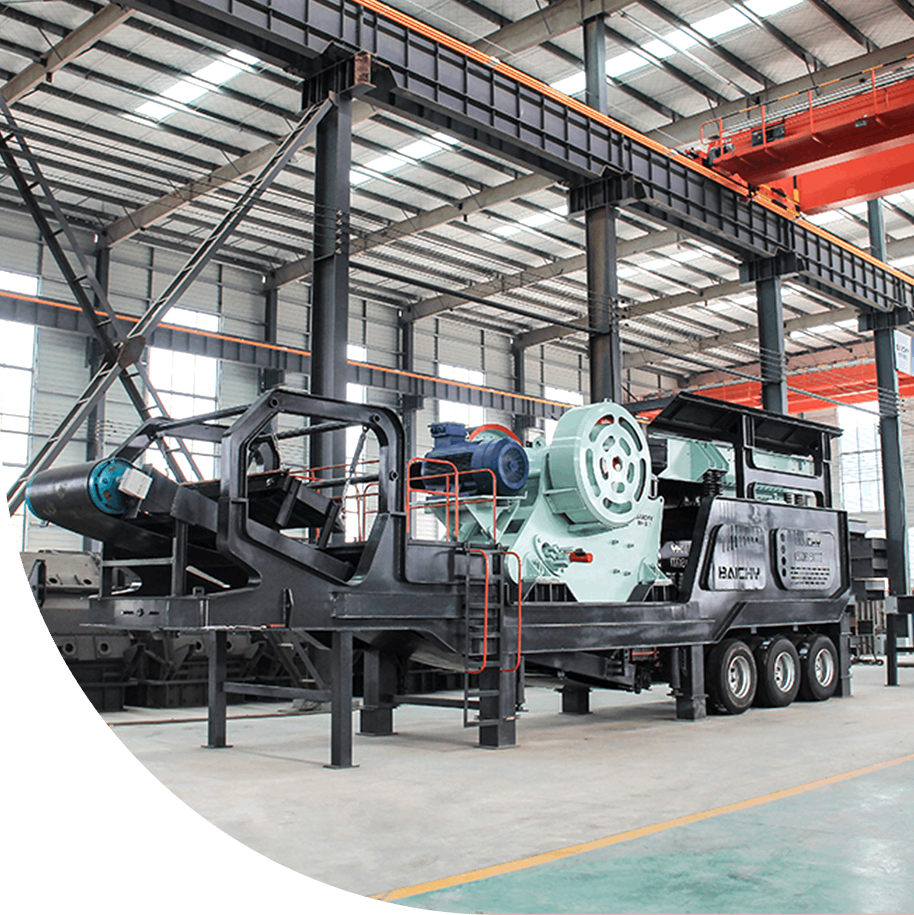
Large blocks of raw gypsum ore undergo preliminary crushing using a jaw crusher (recommended model: PE250×400). This process reduces the material's particle size to under 30 millimeters, thereby preparing it for uniform and efficient fine grinding.
Step 2: Vertical Lifting & Storage
The crushed material is transported via a bucket elevator to a raw material storage silo. This silo serves a dual function of buffering and storage, ensuring a continuous and stable feed supply to the grinding mill—a critical factor for maintaining the uninterrupted operation of the production line.
Step 3: Even and Quantitative Feeding
The electromagnetic vibrating feeder located at the bottom of the storage hopper is responsible for delivering material into the main grinding chamber of the YGM95 mill in an even, quantitative, and continuous manner. The feed rate is infinitely adjustable and directly correlates with the final output and operational stability of the system.
Step 4: High-Pressure Grinding — The Core Process
Upon entering the grinding chamber, the material is scooped up by the blades and directed between the grinding rollers and the grinding ring. Driven by the combined forces of high-pressure springs and centrifugal force, the grinding rollers press firmly against the grinding ring as they rotate, crushing and pulverizing the material into a fine powder. The grinding pressure exerted by the YGM95 model is significantly higher than that of traditional Raymond mills; this constitutes the fundamental reason behind its ability to achieve high output and superior efficiency.