
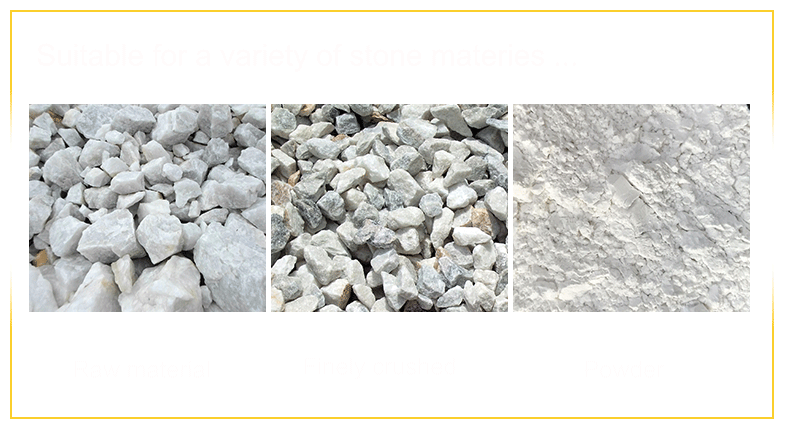
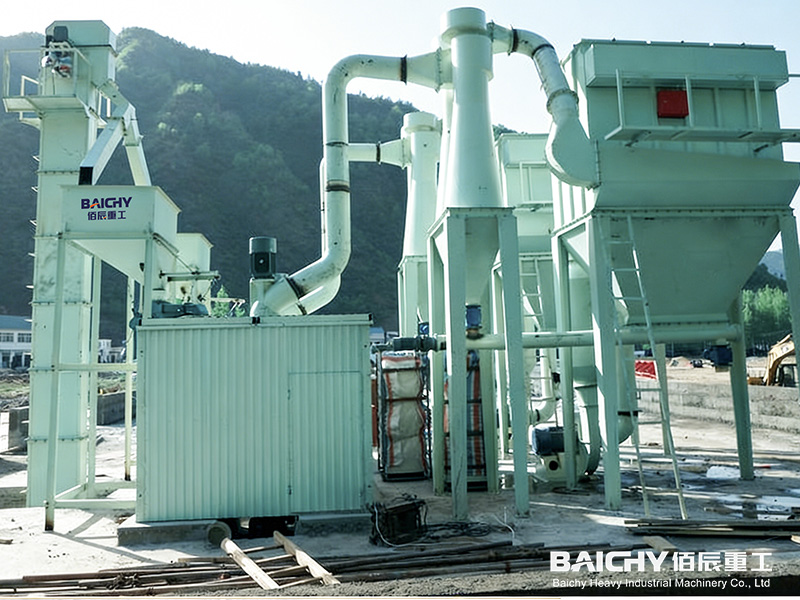



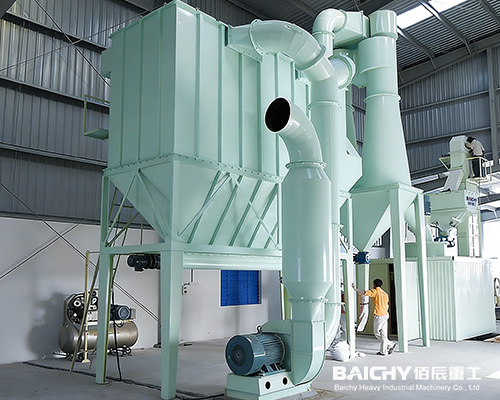
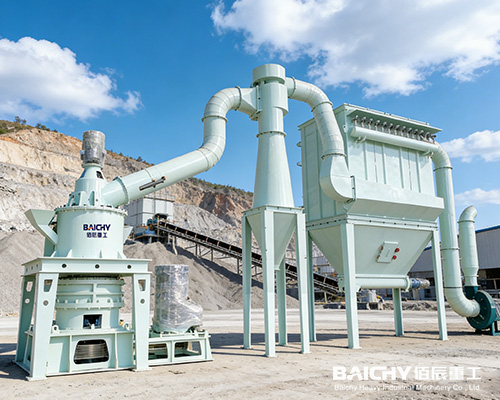
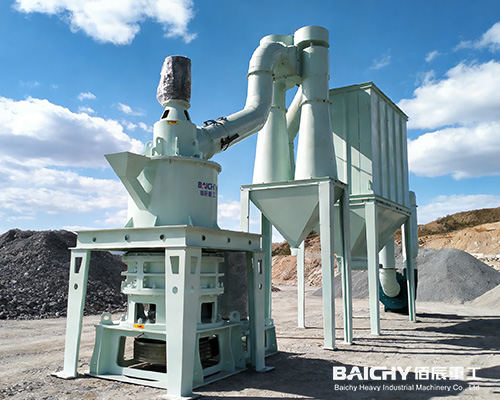
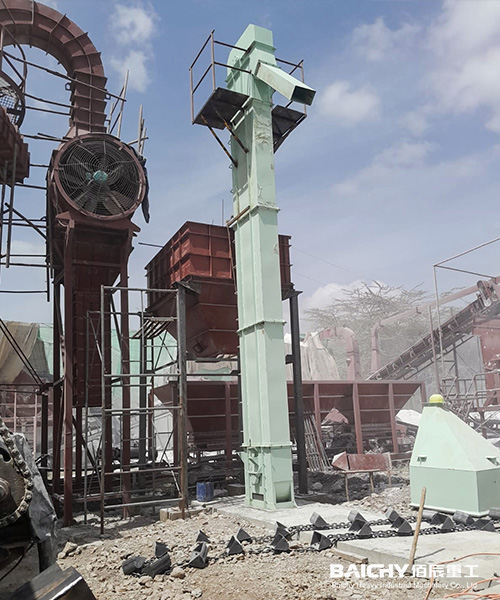
When considering the advantages of the HGM grinding mill within the context of a complete calcium carbonate (or other non-metallic mineral) production line, it becomes evident that it is far more than just a standalone main unit; it represents a highly integrated production solution. The advantages of this production line are primarily manifested in the following aspects:
1. A Highly Integrated, "One-Stop" Production System
HGM grinding mill production lines are typically designed as comprehensive systems—spanning the entire process from raw lump material input to the stage immediately preceding finished product packaging—and feature an exceptionally high degree of integration:
• Compact Workflow: The system integrates crushing, feeding, grinding, classifying, conveying, collecting (dust removal), and packaging into a single unit. Users need only connect power and raw materials to commence production, thereby significantly reducing the complexity associated with equipment procurement, facility layout, and infrastructure construction.
• Space Efficiency: By adopting a vertical or compact layout design—in contrast to the traditional model where multiple separate units (such as ball mills and classifiers) are dispersed across a site—the HGM production line achieves substantial savings in plant floor space.
2. Superior Product Quality and Flexible Adjustability
• High Fineness and Narrow Particle Size Distribution: A core advantage of the system lies in its utilization of a forced-turbine classification system. This system delivers high classification precision, allowing the fineness of the finished product to be precisely adjusted anywhere within the range of 325 to 2500 mesh. Furthermore, the product exhibits a concentrated particle size distribution—free of oversized particles—making it particularly well-suited for applications demanding high levels of fineness and purity (such as high-end coatings and papermaking).
• High Whiteness and Low Contamination: The grinding mechanism relies primarily on rolling and compression rather than impact; consequently, wear and tear on the grinding components are minimal, resulting in negligible metal contamination and effectively preserving the inherent whiteness of the raw material. Additionally, the entire system operates under negative pressure, minimizing dust leakage and thereby safeguarding both the quality of the finished product and the cleanliness of the working environment.