In mining and construction engineering, crushers are irreplaceable core equipment. Faced with stones of varying hardness and size, and perse finished product requirements, selecting a suitable crusher is crucial to ensuring production efficiency and economic benefits.
The market offers a wide variety of crushers. What are their characteristics? And in which scenarios are they suitable?

Stone Crushing Plant PDF, Download ↓↓↓
Based on its extensive industry experience, Baichy Heavy Industry will provide a clear analysis of five mainstream crushers to help you make an informed choice.
I. Core Classification and Selection Logic of Crusher
Selecting a crusher is not an isolated process, but a systematic decision-making process.
Typically, we need to comprehensively consider the following three core factors:
1. Raw Material Characteristics: The hardness, moisture content, viscosity, and maximum feed size of the material.
2. Finished Product Requirements: Desired output, finished product particle size, particle shape (e.g., whether cubic particles are required), and stone powder content.
3. Investment and Operating Costs: Including initial equipment investment, energy consumption, wear rate of vulnerable parts, and maintenance costs.
II. Comparison of Five Mainstream Crusher Types
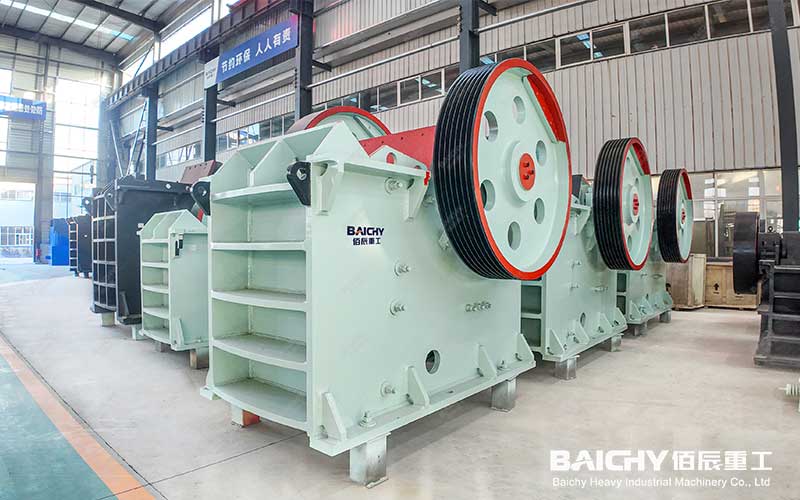
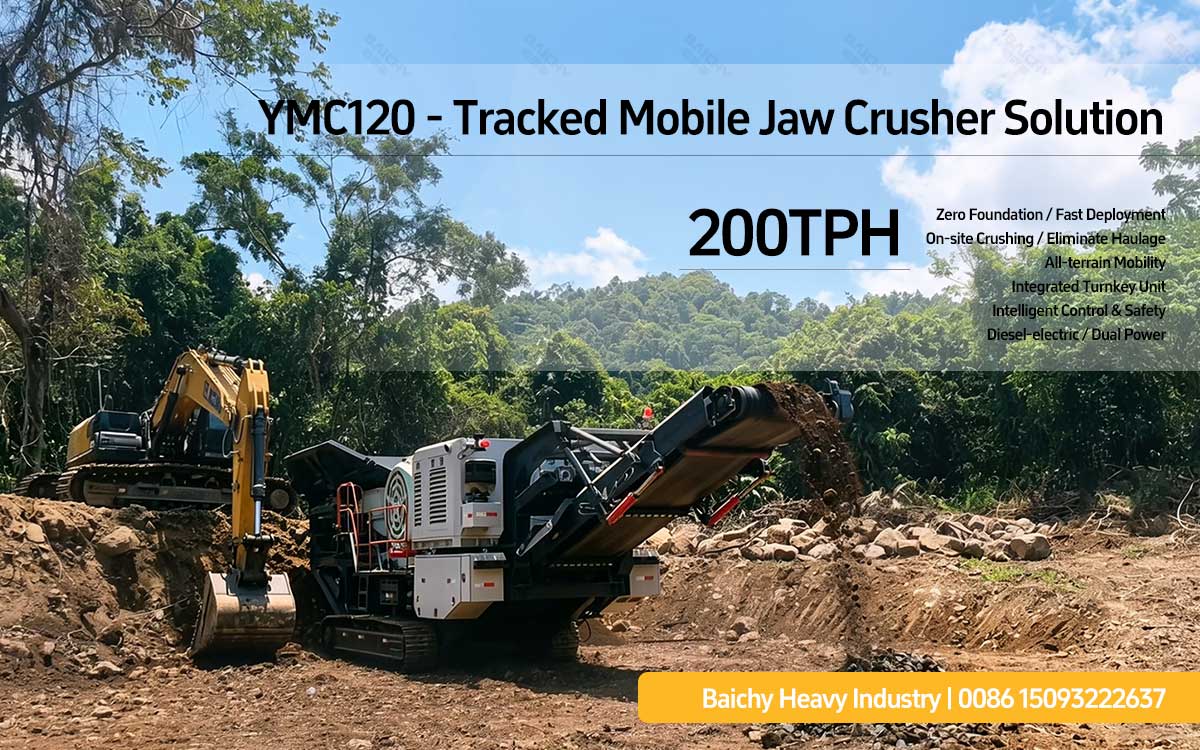
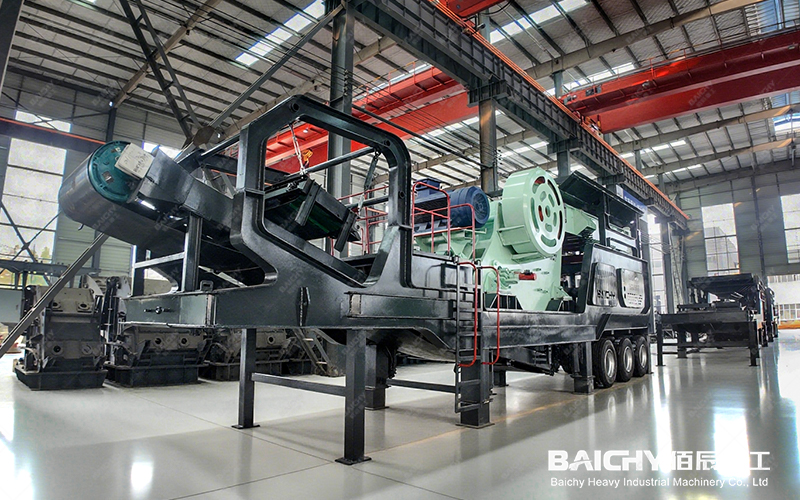
Jaw Crusher - The Robust and Reliable "Pioneer of Coarse Crushing"
• Working Principle: Crushes materials through the squeezing motion between the moving and fixed jaws.
• Key Advantages: Simple and robust structure, extremely reliable operation, large processing capacity, suitable for various hard materials (such as granite and basalt), an indispensable primary crushing equipment in production lines.
• Main Disadvantages: Liners wear easily, poor uniformity of finished product particle size, and a high proportion of flaky particles in the product.
• Applicable Scenarios: The first coarse crushing process in mines and quarries.
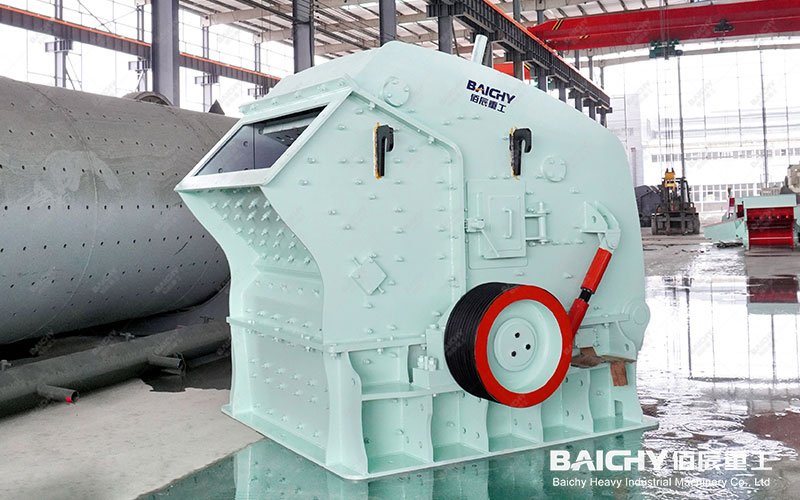
Impact Crusher - The Efficient and Economical "Shaping Expert"
• Working Principle: Utilizes a high-speed rotating rotor to impact the material, giving it kinetic energy to strike the impact plate and crush it.
• Key Advantages: High crushing ratio, can directly crush larger stones to the required particle size in one pass; good finished product particle shape, cubic; compact structure, low energy consumption.
• Main Disadvantages: Hammer and impact plate wear relatively quickly, not suitable for crushing high-hardness, highly abrasive stones.
• Applicable Scenarios: Medium to fine crushing of low-to-medium hardness materials such as limestone and concrete, and projects requiring high particle shape accuracy.
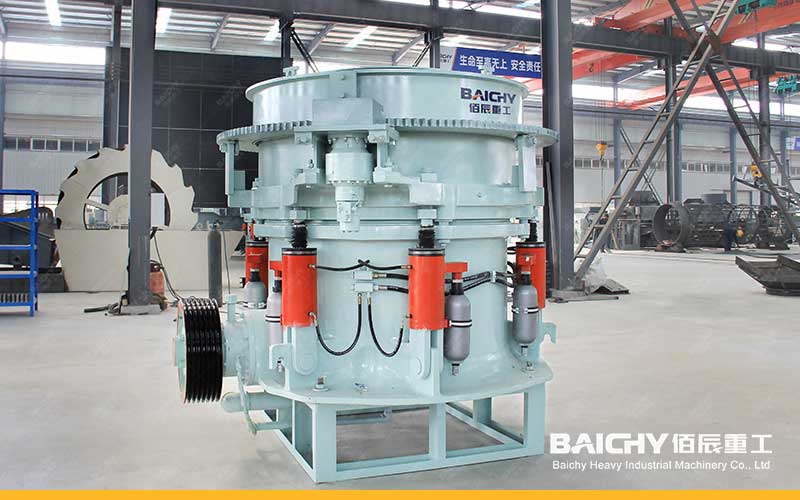
Cone Crusher - Stable and Durable "Hard Rock Buster"
• Working Principle: Employs the principle of layered crushing, achieving crushing through the compression between the moving and fixed cones.
• Key Advantages: Strong crushing capacity, suitable for high-hardness, highly abrasive stones; high degree of automation, stable operation, long service life of wearing parts, and low long-term operating costs.
• Main Disadvantages: Relatively complex structure, higher initial investment; may contain more needle-like and flaky particles in the finished product.
• Applicable Scenarios: Medium to fine crushing of high-hardness materials (such as granite and iron ore) in large mines and aggregate plants.
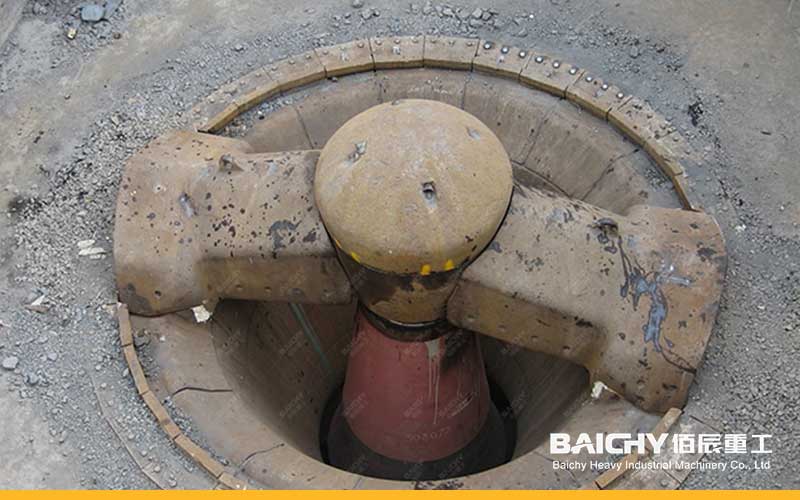
Gyratory Crusher - High-Yield and High-Efficiency "Giant"
• Working Principle: Similar to a cone crusher, but with a larger feed opening and strong continuous crushing capacity.
• Key Advantages: Extremely high capacity, low energy consumption, and excellent particle shape in the finished product.
• Main disadvantages: Highly complex structure, expensive, heavy machine, and strict requirements on installation site (especially height).
• Applicable scenarios: The first coarse crushing process in extra-large mines, and applications requiring extremely high throughput.
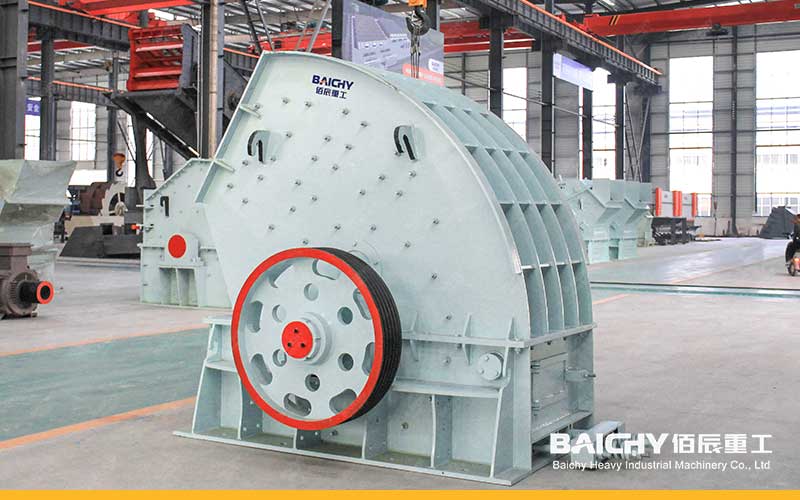
Hammer Crusher - Simple and Direct "One-Stage Crushing"
• Working principle: Crushes materials by high-speed impact from hammers hinged to the rotor.
• Key advantages: Enables "single-stage crushing," simple process flow, and a huge crushing ratio.
• Main disadvantages: High powder content in the finished product; aggregates are prone to micro-cracks, affecting the strength and quality of the finished product; rapid hammer wear.
• Applicable scenarios: Crushing of medium-soft materials (such as limestone and coal) with less stringent requirements for aggregate quality.
III. Baichy Machinery: Providing Professional Equipment Selection and Solutions
Choosing equipment is only the first step; choosing a reliable partner is even more important. Baichy Machinery not only provides the above-mentioned full range of high-performance, high-reliability crushing equipment, but also strives to be your technical advisor.
• Professional Consultation: Our engineering team will recommend the most economical and efficient equipment combination and production line solution based on your specific working conditions, raw materials, and needs.
• Quality Assurance: From core materials to manufacturing processes, we strictly control quality to ensure the long-term stable operation of the equipment.
• Comprehensive Service: From solution design, installation and commissioning to operation training and spare parts supply, we provide full life-cycle service support, giving you peace of mind.
Consult now to get a customized solution!
If you are still hesitant about which crusher to choose, please contact Baichy Machinery's professional team immediately. Leave your requirements, and we will provide you with one-on-one free technical consultation and a tailor-made solution.
【Get a Free Customized Solution】
• Service Hotline: 0086 15093222637
• Email Inquiry: [email protected]