Baichy Heavy Industrial Machinery Co., Ltd

Phone/Wechat/Whatsapp:+008615093222637

Email:[email protected]
24 hours online
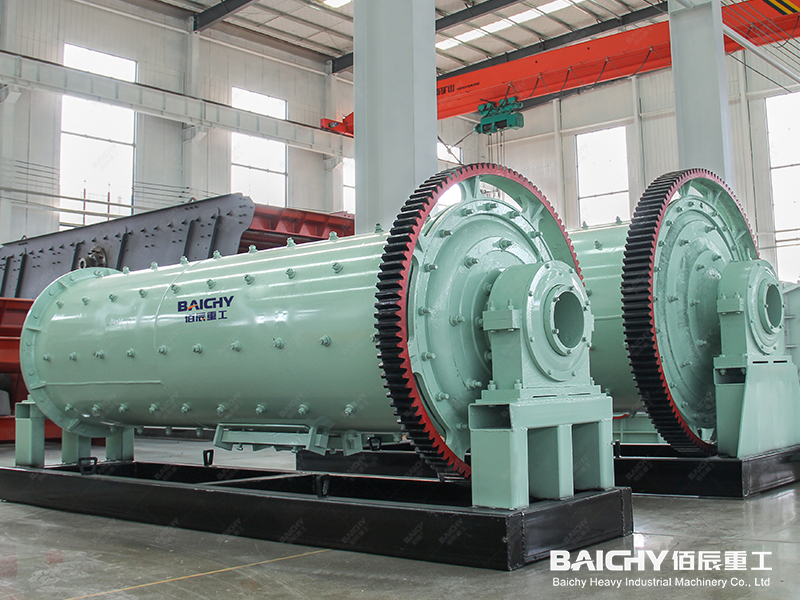
The 900x1800 ball mill is classified as a small-scale ball mill; its specifications indicate a cylinder diameter of 900 mm and a length of 1800 mm. Due to its compact footprint, low power consumption, and rapid return on investment, equipment of this size is widely utilized in industrial production.
The 900x1800 ball mill is most commonly employed in sectors involving the processing of small to medium-scale ore deposits.
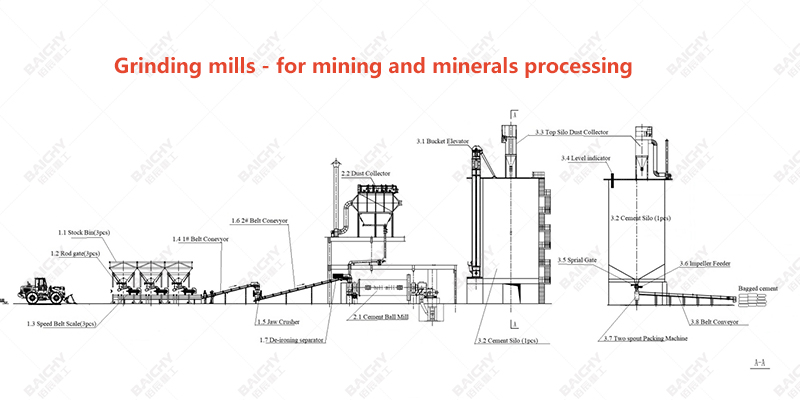
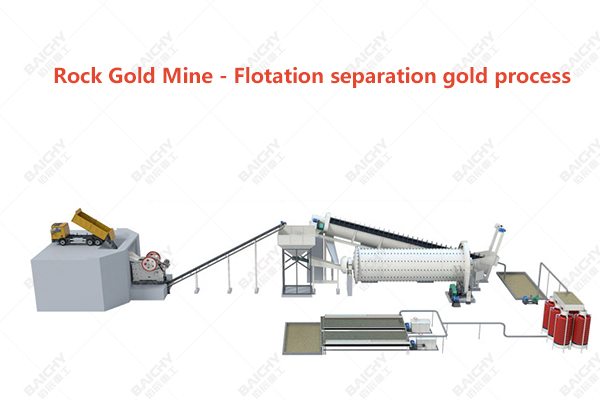
• Metal Ore Beneficiation: It is frequently used for the secondary grinding or fine grinding stages within the beneficiation processes of various metal ores—such as gold, silver, copper, iron, lead-zinc, and others. For instance, it often serves as the primary grinding unit in small-scale gold mining operations in regions like Africa or South America.
• Non-metal Mineral Crushing: It is utilized for grinding non-metallic minerals—such as barite, fluorite, and phosphate rock—to the specific fineness required for beneficiation (typically ranging from approximately 200 to 325 mesh).
The 900x1800 ball mill represents an ideal choice for small-scale mines, private gold mining operations, ceramic glaze processing facilities, and chemical plants. If your daily processing capacity falls within the range of 20 to 40 tons, or if you require a unit specifically for fine-grinding experimental trials, this model offers a highly proven and cost-effective solution.
Ball mill cylinder
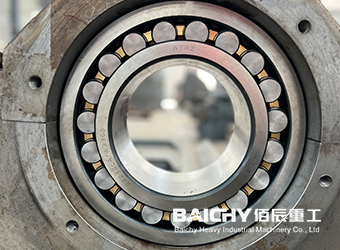
Ball mill bearings
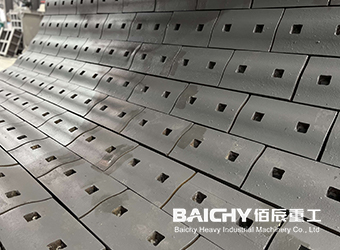
Ball mill lining
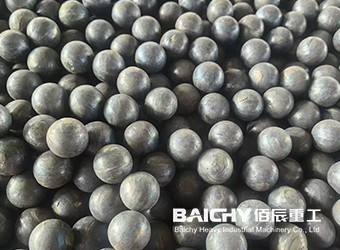
Grinding media steel balls
| Model | Ф900×1800 |
|---|---|
| Cylinder Rotating Speed (r/min) | 36-38 |
| Ball weight(t) | 1.5 |
| Feeding Size(mm) | ≤20 |
| Discharging Size(mm) | 0.075-0.89 |
| Capacity(t/h) | 0.65-2 |
| Power(kw) | 18.5 |
Answer: Low output is typically caused by the following three factors:
Excessive Feed Particle Size: The recommended feed particle size for the 900x1800 ball mill is ≤20 mm. If the raw ore particles are too large, the ball mill is effectively performing "crushing" rather than "grinding," which drastically reduces efficiency. It is recommended to first reduce the feed size using a fine crusher.
Improper Steel Ball Filling Rate: The filling rate of a ball mill generally falls between 35% and 45%. If too few steel balls are loaded, the collision energy is insufficient; if too many are loaded, power consumption increases, and internal circulation becomes chaotic.Excessive Material Moisture (Dry Grinding): If performing dry grinding, a material moisture content exceeding 2% can lead to a "pasting" phenomenon, where the powder adheres to the steel balls and liners, resulting in grinding failure.
Answer: These issues are most often related to mechanical connections or the foundation:
Loose Liner Bolts: This is the most common cause. If you hear a dull metallic banging sound from inside the mill shell, it usually indicates that a liner has dislodged or a bolt has come loose. You must stop the machine immediately to tighten the bolts; otherwise, the mill shell could be damaged.
Large and Small Gear Meshing Issues: The 900x1800 model is typically driven by a girth gear (edge drive). If the vibration is accompanied by a sharp grinding sound, it indicates a change in the clearance between the large and small gears (possibly due to motor base displacement or bearing wear); the gear pair must be readjusted.
Uneven Foundation: Smaller units are sometimes installed in haste. If vibration intensifies after the machine has been running for some time, check the concrete foundation for cracks or check if the anchor bolts have come loose.
Answer: The full charge capacity (ball load) for a 900x1800 mill is approximately 1.5 – 2.0 tons. When performing the initial ball charge, it is crucial *not* to add only a single ball size; instead, you must adhere to the principle of "multi-stage gradation" (refer to the following proportions):
Large Balls (Φ60–80 mm): Approx. 30%–40%. Their primary function is to impact and crush larger ore lumps.
Medium Balls (Φ40–60 mm): Approx. 30%–40%. These are responsible for further crushing and grinding.
Small Balls (Φ20–30 mm): Approx. 20%–30%. These fill the interstitial spaces between the large balls, thereby increasing the grinding surface area and improving product fineness.
Note: After the mill has been in operation for a period of time, you need only replenish the large balls periodically; since the small balls undergo natural attrition during the grinding process, no additional replenishment of small balls is required.
Have Any Questions!
Don't Hesitate To Contact Us AnyTime.
Thank you for your interest in Our Industrial Grinding Mill. If you want to get help immediately, please chat online now.
At the same time, you can also fill in your requirements, we will reply you in 24hours.