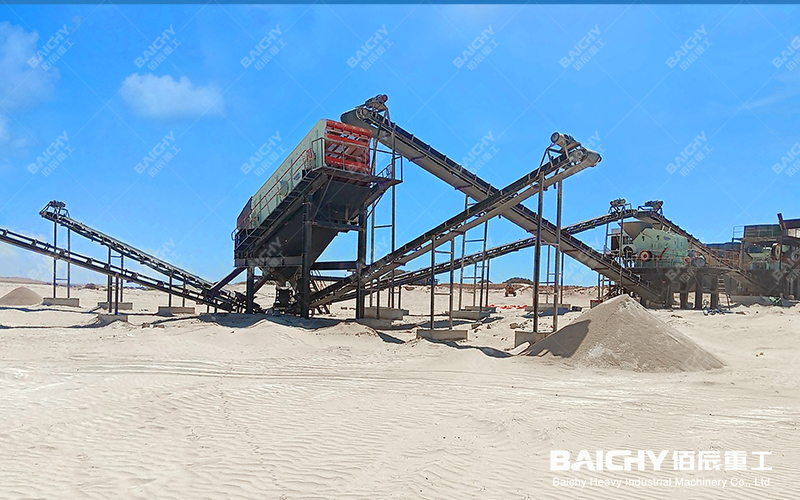
Crushed stone plant
Establishing a crushed stone plant is a business characterized by "heavy assets, long payment cycles, and stable cash flow." Success hinges not on the number of machines purchased, but on the sequence of decision-making: first, determine the target market for the finished product (e.g., road base materials, concrete aggregates, or manufactured sand); next, assess raw material hardness; and finally, calculate the required production line configuration based on target capacity. Profitability in this sector lies in three key areas: cost per ton, the pass rate for product gradation specifications, and equipment utilization rates. Any procurement process that skips material testing to focus solely on price will result in paying a heavy "tuition fee" (in the form of costly errors) after the plant is built. This article outlines an actionable roadmap for establishing a crushed stone plant—covering permits, site selection, processing technology, equipment, and financial projections—and includes a standard production line parameter table and real-world case studies.
I. Overview of the Crushed Stone Business: Why It Is a Worthwhile Venture
1.1 What Is the Crushed Stone Business?
At its core, the crushed stone business involves processing natural rock from quarries or riverbeds into crushed stone and manufactured sand that meet construction market specifications. Products include 0–5mm manufactured sand; continuously graded aggregates in sizes such as 5–10mm, 10–20mm, and 20–31.5mm; and specialized materials like railway ballast and airport pavement aggregates. Aggregates account for approximately 60%–75% of concrete volume and are indispensable bulk materials in infrastructure construction. Consequently, once a plant begins production and secures supply channels, it benefits from sustained downstream demand with minimal volatility.
1.2 Demand Drivers and Market Entry Timing
Core demand for crushed stone plants is driven by the construction of highways, railways, airports, and water conservancy projects, as well as urbanization initiatives. When evaluating the timing for market entry, consider two key factors: the presence of ongoing or planned infrastructure projects within a 100–150 km radius, and the tightness of local natural sand and gravel supplies. The shift from natural sand to manufactured sand is an unstoppable trend; this shift explains the rapid proliferation of integrated "crushed stone plus sand-making" production lines across Southeast Asia, Africa, and South America. For ready-mixed concrete plants or road construction firms, establishing an in-house crushed stone plant offers the strategic advantage of vertical integration: locking in raw material supplies and per-ton costs while insulating the business from market price fluctuations. Independent investors, conversely, must secure sales channels before breaking ground to avoid the mismatch of having production capacity but no buyers. While the paths to entering the crushed stone business differ for these two groups, the formula for equipment selection remains identical.
II. The Full Process of Establishing a Crushed Stone Plant: From Permits to Production
2.1 Compliance and Procedures: Securing the "Entry Ticket"
Crushed stone plants are classified as resource processing projects. They typically require three categories of preliminary documentation: mineral rights (or proof of ore sourcing), environmental impact assessment (EIA) approval, and a work safety permit (specific requirements depend on local regulations). It is advisable to allocate 5%–8% of the total investment for compliance costs; this is the item most frequently underestimated by newcomers and is often the primary reason for delays in commencing production.
2.2 Site Selection, Raw Material Sources, and Power Supply
Site selection follows three priorities: proximity to raw material sources (to minimize transport costs), proximity to sales markets (to reduce logistics expenses), and access to industrial-grade electricity. For overseas projects, local power standards must be verified in advance—Baichy Heavy Industry offers customizable electrical control systems (supporting 50/60Hz and 380V/400V/440V) and includes interfaces for special operating conditions, such as the load-shedding protocols of South Africa’s ESKOM, ensuring that power constraints do not throttle production capacity. Initial investment calculations must also include site paving, drainage systems, and dust suppression equipment; many countries have established strict environmental compliance thresholds for dust and noise, meaning that without these measures, even the most advanced production line cannot operate legally.
2.3 Finalizing the Process: The Two-Step Selection Method
Step 1: Material Analysis. Hard rocks with a Mohs hardness above 6—such as granite and basalt—require a "jaw crusher + cone crusher" configuration; softer materials with a hardness below 5—such as limestone and shale—utilize the more cost-effective "jaw crusher + impact crusher" setup.
Step 2: Determining Aggregate Grading. Screening stages and the potential addition of sand-making or sand-washing modules are determined by working backward from the target product specifications. This "Hardness–Gradation–Capacity" two-step method is the only reliable formula for equipment selection in crushed stone plants.
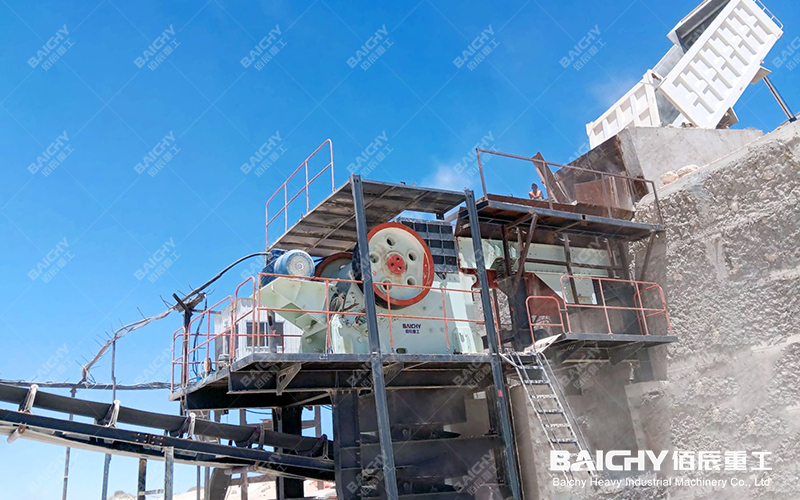
starting a crushed stone business
III. Core Equipment Configuration and Parameter Table for Crushed Stone Plants
The following outlines the standard configuration for a two-stage, closed-circuit crushed stone plant with a capacity range of 100–200 t/h (capacity calculated based on a limestone density of 1.6 t/m³):
| Process | Equipment | Representative Model | Power (kW) | Feed Size (mm) | Capacity (t/h) | Role in the Plant |
|---|---|---|---|---|---|---|
| Feeding | Vibrating Feeder | ZSW490×110 | 15 | ≤500 (with grizzly pre-screening) | 120–280 | Uniform feeding; pre-screening to remove soil |
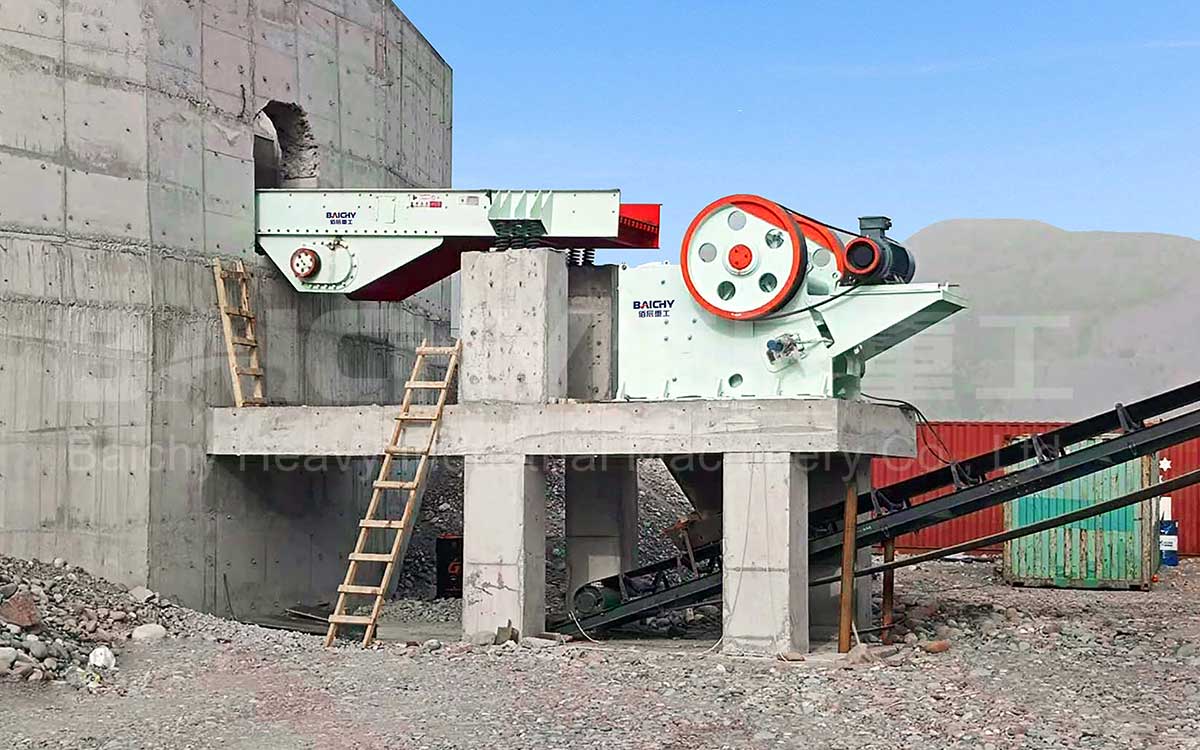
| Primary Crushing | Jaw Crusher | PE750×1060 | 110 | ≤630 | 110–180 | First-stage crushing; handles large raw stones |
| Secondary/Fine Crushing | Hydraulic Cone Crusher | HP300 (or PYB1750) | 220 (160) | ≤230 (≤215) | 80–170 | Secondary crushing for hard rock; produces uniform particle shapes |
| Screening | 4-Deck Circular Vibrating Screen | 4YK2160 | 37 | ≤200 | 80–320 | Produces four finished product sizes in one pass; closed-circuit material recirculation |
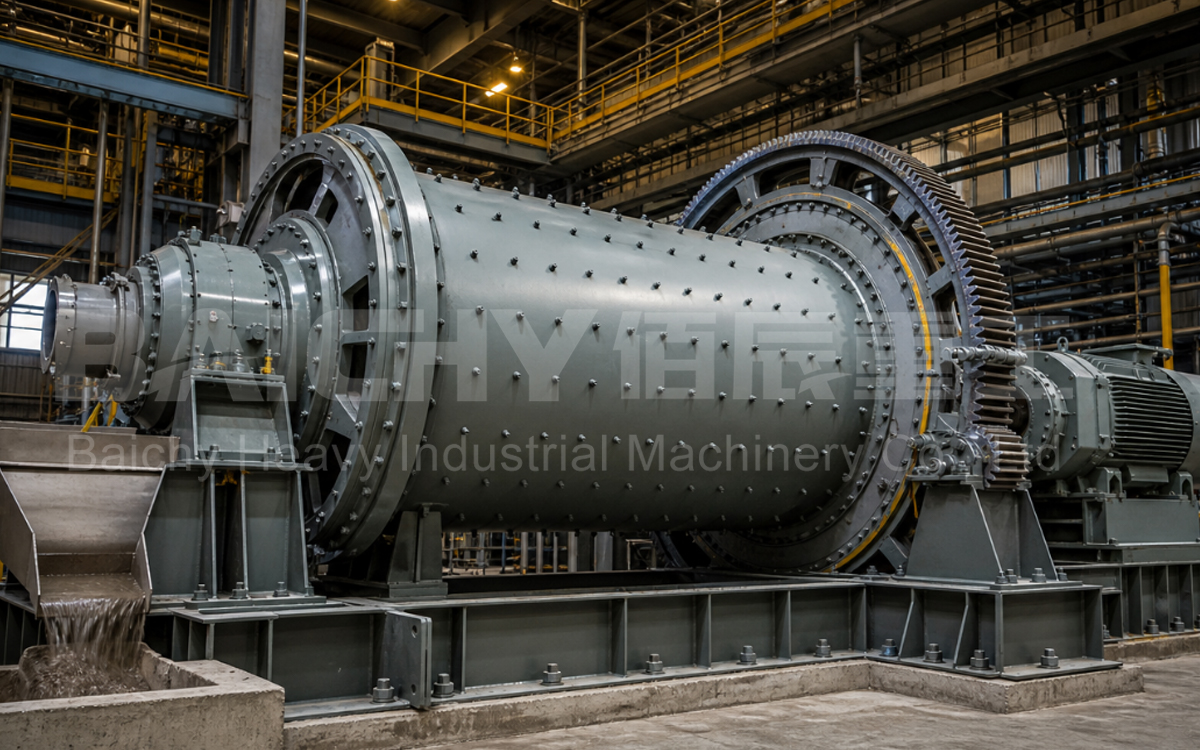
| Sand Making (Optional) | Sand-making Machine | VSI / Double-roll Type | — | ≤55 | 30–600 | Produces 0–5mm manufactured sand and shapes particles |
| Sand Washing (Optional) | Wheel-bucket Sand Washer | XSD Series | — | ≤10 | 20–350 | Removes mud and reduces fines content |
Note: Capacity fluctuates based on material specific gravity, moisture content, and discharge opening settings; for hard rock conditions (e.g., granite), apply a 0.9–0.95 multiplier to the capacity, and retaining the hydraulic cone crusher for the secondary crushing stage is recommended. The difference between nominal capacity and actual operational capacity is the litmus test for the honesty of a crushed stone plant equipment proposal. For budget-sensitive markets, the HP300 can be replaced with the PYB1750 spring cone crusher; this reduces the initial investment in the main unit by approximately 25%–30%, though it comes at the cost of slightly inferior liner lifespan and product shape—a classic trade-off representing "equipment selection based on operating conditions" rather than "cutting specifications to fit a budget."
IV. Advantages of Integrated Equipment Sets: Why Aggregate Plants Should Procure Based on the Process Chain
4.1 Process Integration: Moving from "Capable of Crushing" to "Crushing Well"
The first gatekeeper of profitability for an aggregate plant is the product pass rate: closed-circuit screening automatically returns oversized material for re-crushing and produces four product grades simultaneously; the deep-cavity, high-reduction-ratio jaw crusher works in tandem with the cone crusher’s inter-particle (lamination) crushing action to keep the content of flaky and elongated particles within standard limits. An integrated equipment set designed around the process chain ensures stable output gradation, enabling the plant to secure long-term supply contracts at higher unit prices; conversely, a "piecemeal" procurement approach—where inpidual machines have impressive specs but the line suffers frequent jams—leads to spiraling costs per ton and excessive downtime.
4.2 Cost Per Ton: The Ultimate Arbiter of Profitability
The listed price of equipment is merely the initial outlay; long-term profitability is determined by electricity bills and wear-part replacement lists. High-manganese steel jaw plates and high-chromium liners can achieve service lives of 1,200–2,000 hours in hard-rock applications, while hydraulic discharge setting adjustments allow for production changes in just over ten minutes. For a 200 t/h line operating 10 hours a day, a 5% increase in operational uptime yields an additional 30,000 tons of qualified aggregate annually—this represents the profit gap between "choosing the right equipment" and settling for equipment that "works but performs poorly."
4.3 EPC Delivery: Offloading Plant Construction Risks to the Manufacturer
As a professional manufacturer of mining crushing, grinding, and mineral processing equipment, Baichy Heavy Industry provides end-to-end services—ranging from process design and equipment supply to installation, commissioning, and spare parts provision. Quotations itemize main units, motors, and wear parts, ensuring transparency regarding both nominal and actual production capacities. For first-time investors in a crushed stone plant, entrusting equipment selection, civil engineering, and installation to a single point of contact is the most direct way to avoid the "performance shortfall" often encountered when dealing with multiple vendors.
V. Investment and Return Analysis
Rough estimates based on production capacity: A complete line for a plant under 50 t/h costs approximately 300,000–800,000 RMB; a standard two-stage line (50–200 t/h) costs 1–4 million RMB; and a three-stage line or mobile station exceeding 200 t/h starts at 4 million RMB (figures in RMB; excluding civil engineering and mining rights).
The payback period is calculated as: Total Line Investment &pide; Annual Gross Profit, where Annual Gross Profit ≈ Annual Qualified Output × (Aggregate Selling Price − Cost per Ton). In markets where aggregate prices remain stable at 15–30 USD/ton, a 200 t/h class plant typically recoups its investment in 2–3 years. Electricity consumption and wear parts account for the largest share of the cost per ton; these are the "hidden costs" that must be rigorously scrutinized during equipment selection.
Note that cash flow in crushed stone plants fluctuates seasonally, with shutdowns during the rainy season and peak agricultural periods being common. When calculating returns, it is advisable to use conservative figures—assuming 240–280 effective working days per year and an operational rate of 70%–85%—to ensure the analysis is robust and realistic.
VI. Real-World Case Studies
Long Thanh Airport Aggregate Project (Vietnam): Utilizing river stone and cobble as raw materials, this project employed a three-stage process—jaw crushing, cone crushing, and double-roll sand making—to produce 0–5mm manufactured sand and 5–25mm aggregate. The product met high-standard concrete testing requirements for the airport thanks to its stable gradation, validating the strategy of securing high-value orders by ensuring aggregate gradation compliance.
Mobile River Stone Production Line (Philippines): A mobile combination of a C90 jaw crusher and a cone crusher mounted on a chassis. This setup eliminated the need for civil engineering foundations, allowed for immediate production (commissioned just 10 days after delivery), and offered flexible relocation capabilities to serve multiple quarry sites. This demonstrates that in markets with dispersed raw material sources, mobile crushing solutions can offer a faster return on investment than fixed production lines.
VII. Recommended Equipment
Primary Crushing: PE/PEX/C Series Jaw Crushers (PE400×600, PE500×750, PE600×900, PE750×1060)
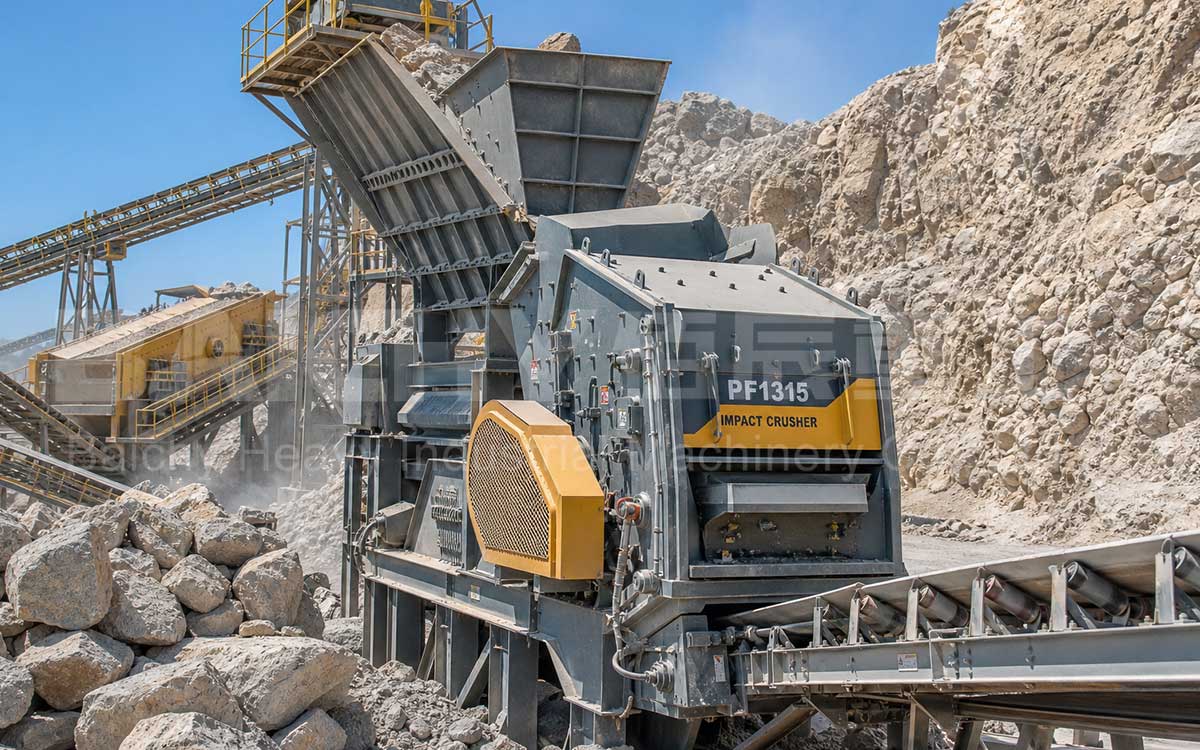
Secondary/Fine Crushing: PYB900 Spring Cone Crusher, CS/HP Hydraulic Cone Crusher, PF Impact Crusher
Sand Making & Shaping: VSI Sand Maker, PCH Hammer Sand Maker, Double-Roll Sand Maker
Mobile Solutions: YDPZ Series Tire-mounted Mobile Crushing Station
Screening & Washing Auxiliaries: ZSW Feeder, YK/GTS Vibrating Screen, XSD Wheel-bucket Sand Washer, Fine Sand Recovery Machine
The above are Baichy Heavy Industry’s flagship models for crushing plants; they can be flexibly combined into complete sets based on material hardness, production capacity, and required product gradation.
VIII. Frequently Asked Questions (FAQ)
Q1: What procedures and qualifications are required to set up a crushing plant?
Generally, three types of documents are required: mining rights or proof of ore source, environmental impact assessment (EIA) approval, and safety permits (specific requirements depend on local policies). It is recommended to allocate 5%–8% of the total investment for compliance costs and factor the approval timeline into the project plan to avoid delays in starting operations after equipment delivery. For overseas plants, foreign investment regulations and local power standards must also be verified.
Q2: How much does it cost to invest in a crushing plant, and what is the payback period?
Complete lines under 50 t/h cost approximately 300,000–800,000 RMB; standard lines of 50–200 t/h cost about 1–4 million RMB; lines exceeding 200 t/h start at 4 million RMB. Payback period = Total Investment &pide; Annual Gross Profit. In markets where aggregate sells for 15–30 USD/ton, a 200 t/h crushing plant typically pays for itself in 2–3 years; electricity consumption and wear parts are the two key variables determining the speed of return.
Q3: Should I choose a stationary or mobile production line for the crushing plant?
For operations with stable mineral rights and material sources and a planned production duration of over three years, a stationary crushing line is the best choice, offering the lowest cost per ton. Conversely, if the project timeline is tight, material sources are dispersed, or frequent site relocations are required, a mobile crushing station is preferable—it requires no foundation, allows for immediate production upon arrival, and entails virtually zero relocation costs. These same criteria apply when deciding whether to add a second line to an existing crushed stone plant.
Baichy Heavy Industry
Baichy Heavy Industry is a high-tech mining equipment company integrating R&D, manufacturing, sales, and after-sales service. Focusing on crushing, grinding, and mineral processing equipment, we provide professional solutions to our customers. We are ISO9001:2015 、certified, and our products include mobile crushing palnts, crawler crushing plant, construction waste crushing plants, jaw crushers, sand making machines, cone crushers, fine crushers, grinding mills, ball mills, etc., all with reliable performance to meet diverse project needs.
Baichy Heavy Industry – Your Trusted Partner
To ensure optimal performance of your equipment, Baichy Heavy Industry offers:
- Professional on-site installation guidance
- Comprehensive operator training
- 24/7 technical support & maintenance services
Our complete after-sales service system guarantees long-term, stable operation of your machinery with minimal downtime.
Protect Your Rights – Only Use Official Channels
To avoid scams and ensure authentic support, contact us exclusively through:
• Official Website: www.baichychina.com
• WhatsApp: +8615093222637
• Email: [email protected]
Your satisfaction is our priority – expect prompt, professional service every time.
(Note: Beware of unauthorized third parties claiming to represent Baichy. Always verify through official contacts.)