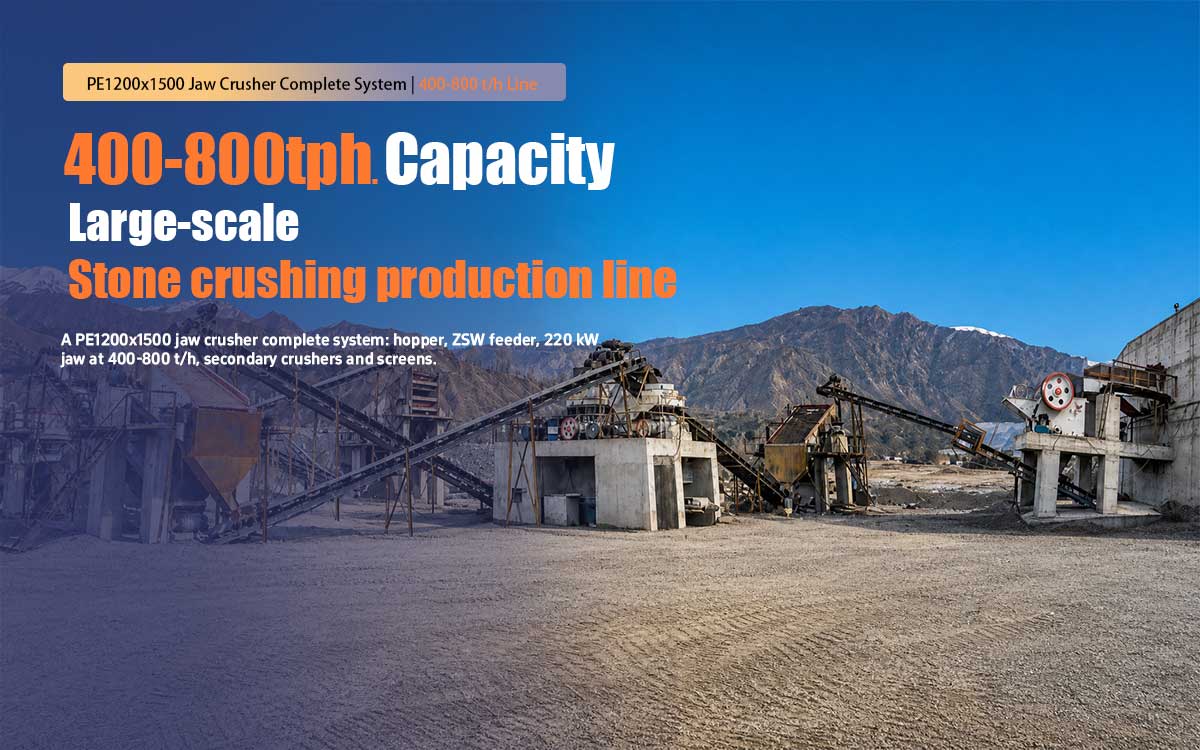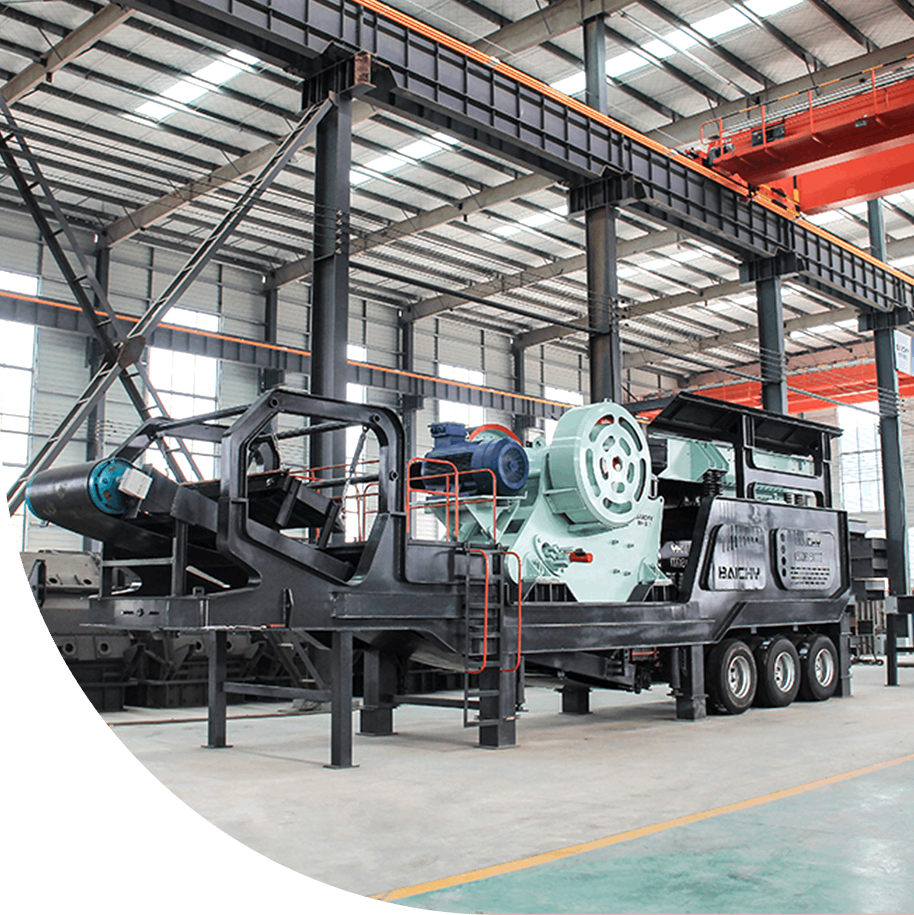

When you see modern buildings rising from the ground, do you ever wonder how the foundation stone—cement—is made? In the vast and complex cement production line, there's a crucial, albeit unsung, step that acts as the "heart of the machine." Today, we'll delve into one of the core pieces of equipment in a cement plant: the raw material mill.
I. What exactly is it? A simple and direct definition
If cement production is like cooking a grand meal, then the raw material mill is a super-efficient "mixing and grinding bowl."
Its core task is to crush, dry, and grind various "hard bone" raw materials from mines—mainly limestone, clay, sandstone, iron powder, etc.—ultimately producing a uniform, flour-like powder, which we call "raw meal."
Simply put, the raw material mill is the key equipment that transforms large solid raw materials into fine powder.
II. Why is it so important? Three irreplaceable missions
You might ask, why not just take large stones and burn them? The work of a raw material mill is far from superfluous; it shoulders three core missions:
1. Improving chemical reaction efficiency: The final strength of cement comes from the complex chemical reactions between raw materials at high temperatures. Grinding the raw materials into fine powder greatly increases their contact area, allowing for faster, more thorough, and more uniform reactions during subsequent sintering in the kiln. This directly determines the final quality of the cement.
2. Ensuring highly homogenized composition: The composition of raw materials varies slightly between different batches. During the grinding process, the raw material mill also acts as a powerful mixer, thoroughly mixing various raw materials to ensure that the chemical composition of each grain of raw meal is almost identical, thus producing a cement product of stable quality.
3. Preparing for subsequent sintering: Only dry, fine raw meal can flow smoothly and transfer heat efficiently within the rotary kiln. Raw material mills typically integrate drying functions, utilizing the hot exhaust gas from the kiln tail to dry the wet material, achieving energy recycling and saving energy and protecting the environment.
It can be said that without the meticulous work of raw material mills, the modern cement industry would not have reached its current towering heights.
III. How Does It Work? A Glance at Mainstream Technologies
With technological advancements, raw material mills have undergone numerous innovations. Currently, there are two main types used in cement plants:
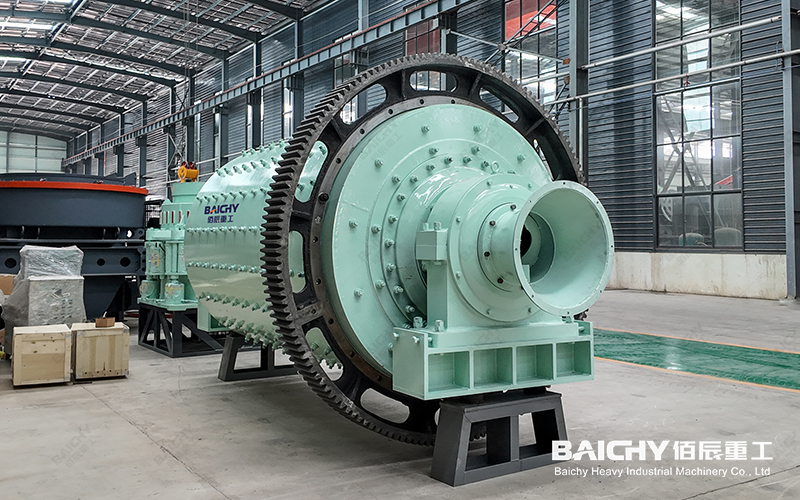
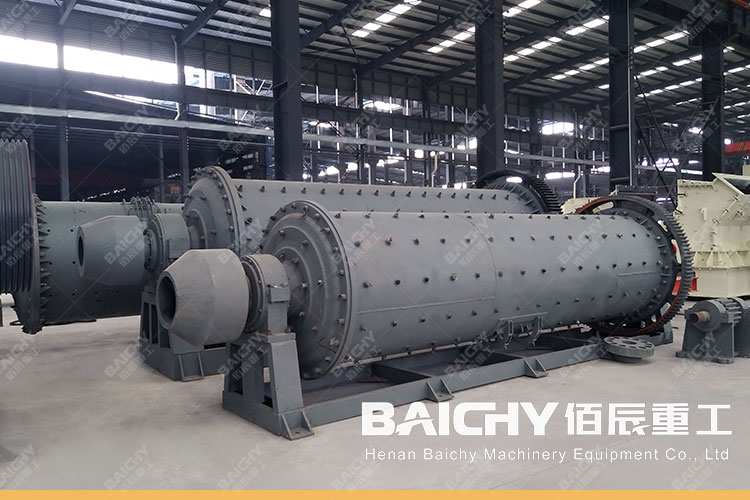
• Ball Mill: This is the most traditional and classic mill. It is a large, slowly rotating cylinder filled with steel balls of different sizes. As the cylinder rotates, the steel balls are lifted to a height and then thrown down, crushing and grinding the material through impact and grinding. Its advantages are reliable operation and wide adaptability to materials, but its disadvantages are relatively high energy consumption and noise.
• Vertical Roller Mill: This is the mainstream choice for modern large-scale cement plants. It adopts the "bed grinding" principle, with a hydraulic device driving the grinding rollers to press against a rotating grinding disc, crushing and grinding the material. Its biggest advantages are low energy consumption (saving 20%-30% more electricity than ball mills), strong drying capacity, and small footprint, but its structure is relatively complex and requires higher operation and maintenance standards.
The raw material grinding mill, this colossal machine hidden in the steel jungle, though not operating at the same high temperatures as the rotary kiln, is the "foundation" of cement quality and the "key player" in energy efficiency. With its immense power, it achieves fine and uniform powder, silently supporting the construction and development of our modern society.
In the next episode, we will take you into an even more "heated" segment—the rotary kiln—to see how these raw material powders are transformed into cement clinker at thousands of degrees Celsius. Stay tuned!